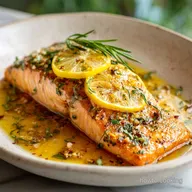
Cod Recipe with Lemon and Garlic: Zesty and Flaky
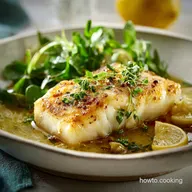
This light cod recipe uses a simple combination of lemon and garlic to enhance the mild white fish, providing a fast meal that fits into any healthy weekly rotation.
citrus garlic butter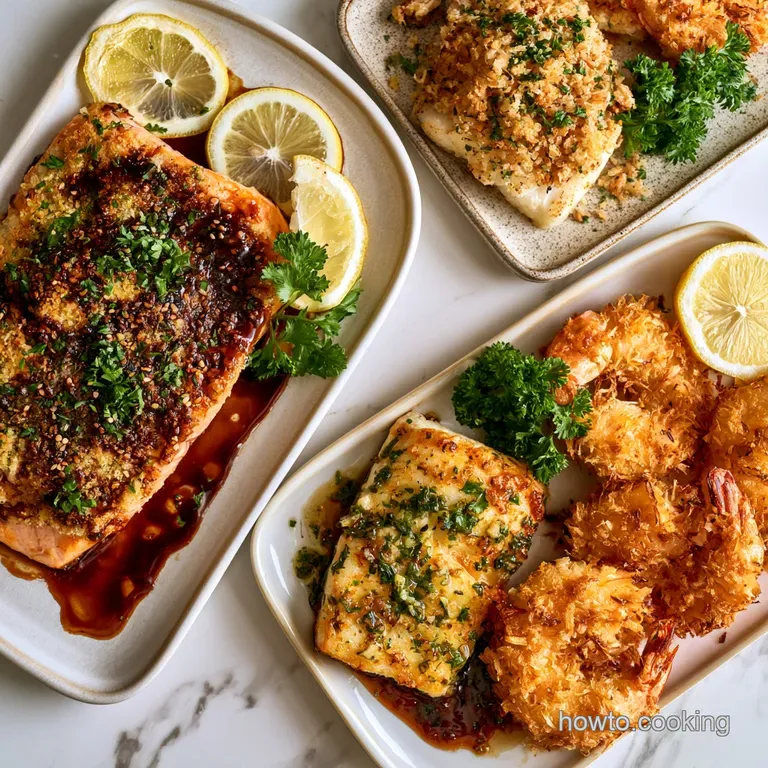
Baking fish and seafood is one of the most reliable ways to get a healthy protein on the table without the mess of stovetop frying. Whether you're roasting a tender salmon fillet for a weeknight dinner or preparing a crispy tray of shrimp for a family snack, the oven does the heavy lifting while preserving moisture and flavor.
This collection focuses on simple preparation techniques that emphasize fresh ingredients and minimal active work.
Most of these recipes transition from the fridge to the table in under 45 minutes, making them ideal for busy schedules. By using the dry heat of the oven, you can achieve textures ranging from a crisp outer coating to a tender, butter-basted finish.
These methods are particularly forgiving for beginners who want to avoid the common pitfalls of overcooking delicate seafood.
These recipes focus on the combination of fresh citrus and aromatic herbs to highlight the natural flavor of the fish. They are structured to prevent the fillets from drying out while ensuring a bright, clean finish on the plate.
This light cod recipe uses a simple combination of lemon and garlic to enhance the mild white fish, providing a fast meal that fits into any healthy weekly rotation.
citrus garlic butterUsing a bright lemon marinade, this salmon dish stays moist and flaky in the oven, offering a reliable technique for those who prefer classic citrus flavors with their seafood.
lemon-marinated filletsThese recipes use specific coatings and glazes to add depth without requiring heavy pans or oil. The combination of sweet and savory elements creates a distinct crust that sets these dishes apart from standard fillets.
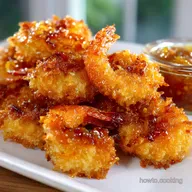
This crispy coconut shrimp recipe relies on a triple coating to achieve a satisfying crunch in just 25 minutes, making it a great handheld option for family snack nights.
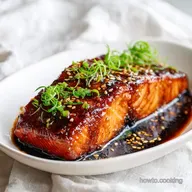
triple-coated crunchA mahogany glaze made from brown sugar and soy sauce coats this salmon, creating a savory-sweet profile that caramelizes beautifully under the heat of the oven.
soy-glaze finish| # | Recipes | Best For | Time | Difficulty | Main Protein | Texture |
|---|---|---|---|---|---|---|
| 1 | Cod Recipe with Lemon and Garlic in 22 Minutes | quick weeknight meals | 22 min | Easy | Cod | Flaky |
| 2 | Easy Salmon Marinade Recipe with Lemon for 4 Servings | classic dinner pairings | 42 min | Easy | Salmon | Flaky |
| 3 | Coconut Shrimp Recipe with 25 Minute Total Time | family snack nights | 25 min | Beginner | Shrimp | Crunchy |
| 4 | Brown Sugar Soy Salmon Baked in 22 Minutes for 4 Servings | meal prep variety | 22 min | Beginner | Salmon | Flaky |
Discover more curated recipe collections
Explore more recipe collections →