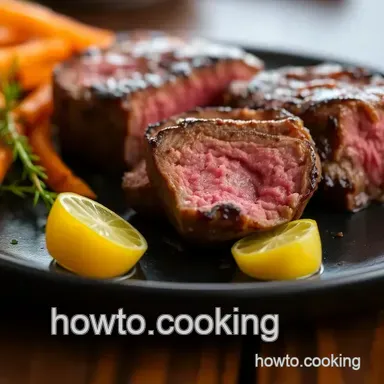
Sear Striploin Steak with Butter
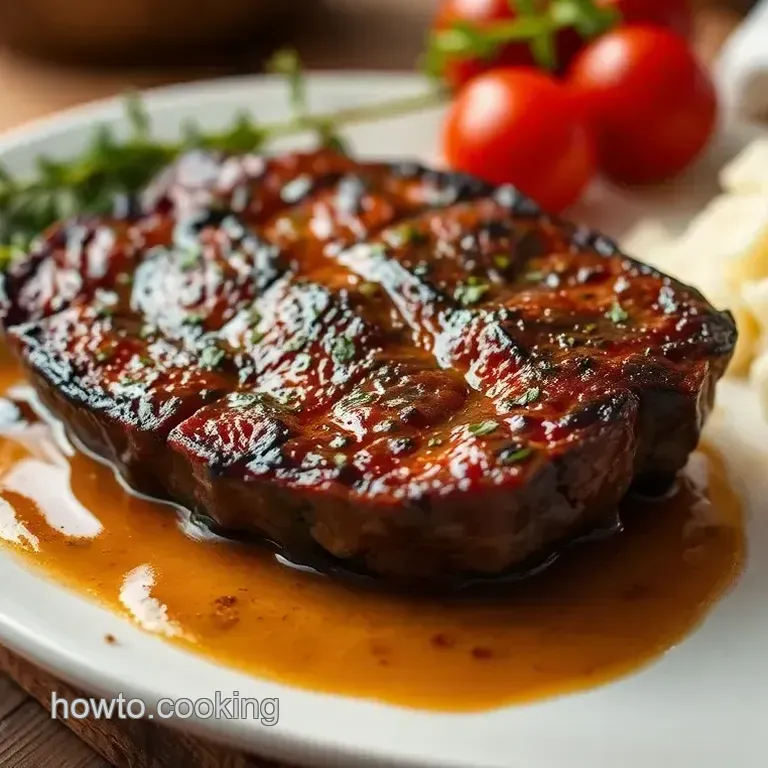
- Time: 10 min active + 45 min cooking/resting
- Flavor/Texture Hook: Deep mahogany crust with a tender, juicy interior
- Perfect for: Date nights or anyone who hates the "grey ring" of overcooked meat
How to Sear Striploin Steak
Achieving a restaurant quality crust doesn't require a professional charcoal grill or a $1,000 steakhouse setup. I once believed that the only way to get a proper sear was to blast the meat with heat from the very beginning.
Unfortunately, that usually produced a steak that was charred on the outside yet raw in the center, or left a thick grey ring of overcooked meat around the edges.
By using this method, I discovered that the oven does the bulk of the work, while the pan is there to add flavor. It's far less stressful because you can monitor the actual temperature instead of just guessing with a timer.
The butter basted finish is what really makes this approach a winner. It provides that signature steakhouse taste without the $60 price tag.
The Logic Behind Heat
- Slow Warming: Using a low oven brings the internal temperature up slowly. This ensures the middle is the same color as the edges.
- Surface Drying: The oven air dries out the exterior of the meat. Dry meat browns faster and deeper when it hits the hot oil.
| Method | Time | Texture | Best For |
|---|---|---|---|
| Fast Sear | 15 mins | Grey outer ring | Quick weeknight meals |
| Reverse Sear | 65 mins | Edge to edge pink | high-quality thick cuts |
Essential Ingredient List
| Component | Purpose | Substitute Notes |
|---|---|---|
| Striploin Steak | Primary protein | Ribeye is a great alternative; slightly richer |
| Avocado Oil | High heat searing | Grapeseed oil; resists smoking at high temperatures |
| Unsalted Butter | Basting flavor | Salted butter; adjust additional salt accordingly |
| Fresh Thyme | Aromatic depth | Fresh rosemary; offers a bolder, piney profile |
What you'll need: 2 (12 oz / 340 g) striploin steaks Why this? Ideal mix of tenderness and flavor 1 tbsp (15 g) Kosher salt Why this? Large crystals adhere and penetrate better 1 tsp (2 g) freshly cracked black pepper Why
This? More fragrant than pre-ground options 2 tbsp (30 ml) avocado oil Why this? Remains stable under intense heat to avoid scorching 3 tbsp (42 g) unsalted butter Why this? Lets you manage the total salt content 4 cloves (12 g) garlic,
Smashed Why this? Adds a savory, infused quality to the butter 3 sprigs (2 g) fresh thyme or rosemary Why this? Captures a traditional steakhouse scent
Tools You'll Need
Basic gear works, but some tools make the process much easier. A cast iron skillet is essential for its superior heat retention compared to stainless steel; if the pan temperature drops too sharply when you add the meat, you'll lose out on the crust.
I also strongly suggest using a digital meat thermometer. I once ruined three steaks in a single weekend by relying on the "finger poke test." To follow USDA safety standards, beef should hit 145°F, but we are targeting a specific pull temperature for a medium rare finish.
Finally, a wire cooling rack is very helpful. It allows air to circulate under the meat in the oven, preventing the bottom from becoming soggy.
The Cooking Process
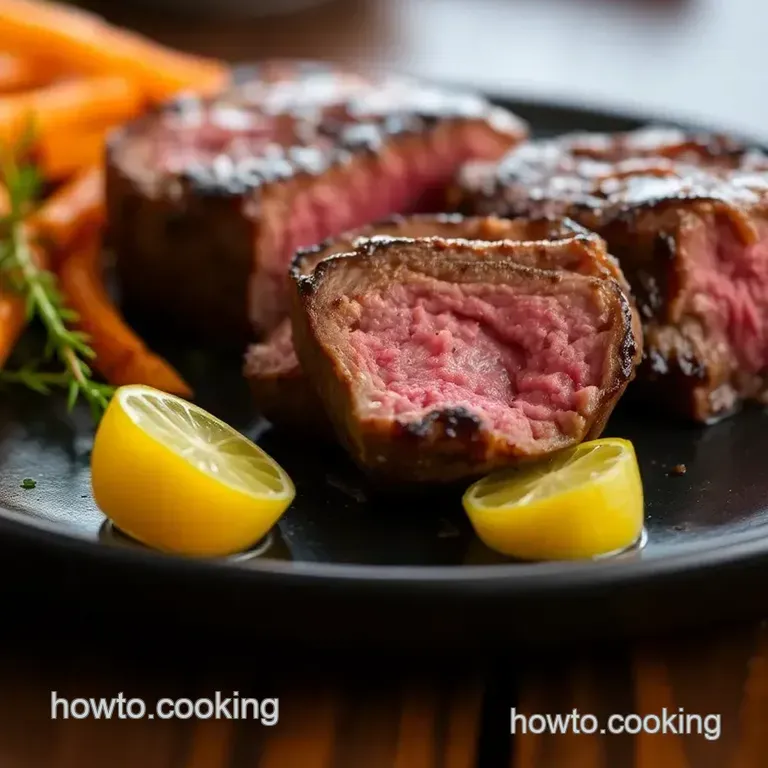
Phase 1: Preparing the Meat
- Thoroughly dry the surface of the meat using paper towels. Note: Moisture creates steam, which prevents browning
- Apply a generous amount of salt and pepper to all sides, including the fat cap.
- Allow the beef to temper for 30–60 minutes. Note: This helps the center warm up more evenly
Phase 2: The Slow Roast
- Preheat the oven to 225°F (107°C). Set the meat on a wire rack positioned over a baking tray.
- Roast the steaks until the internal temperature reaches 115°F (46°C), which typically takes 30–45 minutes.
- Take them out of the oven and let them rest for 10 minutes. Note: This lets the surface dry even more before the sear
Phase 3: The High Heat Finish
- Heat avocado oil in a cast iron skillet over high heat until it shimmers and just starts to smoke. Now it's time to Sear Striploin Steak.
- Place the steaks in the pan, laying them away from you. Sear for 60 90 seconds per side until a mahogany crust forms. Avoid moving them, or you'll break the sear.
- Stir in cold butter, crushed garlic, and fresh thyme or rosemary.
- Tilt the skillet and baste the steaks with the foaming butter for 1-2 minutes. Note: This creates a rich, velvety finish on the meat
Solving Common Issues
Searing a striploin steak comes with a few potential pitfalls. A frequent mistake is creating a "grey band," which occurs when the pan remains at an extreme temperature for too long. If the exterior is charred while the center stays cold, you might have omitted the oven step or failed to let the meat temper.
You may also encounter burnt butter. Because butter contains milk solids, it can become black and bitter if introduced to the heat too early. To prevent this, stir it in at the very end, after the primary searing is complete.
If the meat seems tough, it is often because it didn't rest. Letting the steak sit allows the juices to redistribute; slicing it immediately causes those flavorful juices to leak onto the plate.
Grey Banding Issues
This occurs when heat penetrates too far into the meat during the sear. Stick to the 90 second window per side.
Burnt Butter
Don't add butter at the beginning. Rely on oil for high heat, then introduce butter for the flavor.
Tough Meat
Always use a thermometer. An increase of just 5 degrees can significantly alter the texture.
| Problem | Root Cause | Solution |
|---|---|---|
| Grey edges | Pan sear was too long | Limit searing to 90 seconds per side |
| Bitter taste | Butter burnt in pan | Add butter only during the final baste |
| No crust | Meat was too wet | Pat dry with paper towels twice |
Great Side Pairings
After you Sear Striploin Steak, you want sides that cut through the richness of the butter. I love serving these with a sharp chimichurri or a heap of garlicky sautéed spinach. The acidity of the vinegar in a sauce helps balance the fat of the striploin.
For a more indulgent meal, these go great with my Loaded Steak Fries. The crunch of the fries and the creaminess of the cheese sauce complement the beef perfectly.
If you're keeping it healthy, try roasted asparagus or honey glazed carrots. Just toss them in the oven while the steaks are doing their slow roast to save time.
Storage and Scraps
Store any remaining steak in an airtight glass container in the refrigerator for 3 days. To avoid a rubbery texture, skip the microwave for reheating. Instead, warm the meat in a frying pan using medium low heat and a knob of butter until heated through.
For long term storage, wrap the cooked meat tightly in foil and place it in a freezer bag for no more than 2 months. Let it defrost in the fridge overnight before warming it gently.
Save your steak fat trimmings rather than tossing them. I keep mine in a small jar in the freezer. When preparing roast potatoes or homemade burgers, I render this fat to use as my cooking oil, which provides an incredible amount of savory richness.
Tasty Flavor Twists
For a French inspired approach, go with an Au Poivre style. Press a generous layer of cracked peppercorns into the meat before you start to Sear Striploin Steak. Once cooked, deglaze your pan with a splash of brandy and a bit of heavy cream to create a classic sauce.
This reverse sear technique also works beautifully for Flat Iron Steak, though remember that this thinner cut requires less time in the oven.
To enhance the savory profile, stir a teaspoon of Worcestershire or soy sauce into the butter baste. This adds a fermented, salty punch and deepens the color as you Sear Striploin Steak.
- For a rarer center
- Pull from oven at 110°F (43°C).
- For a thicker crust
- Pat dry with paper towels three times.
- For a bolder aroma
- Use rosemary instead of thyme.
Savor your home cooked Sear Striploin Steak! A few simple adjustments to the technique truly elevate the final result.
Recipe FAQs
How do you pan-sear striploin steak?
Heat avocado oil in a cast iron skillet until shimmering. Sear the steaks for 60 90 seconds per side, then baste with butter, smashed garlic, and thyme or rosemary for 1-2 minutes.
Is the 3-3-3 rule the best way to cook striploin?
That's a myth. The reverse sear method roasting at 225°F before searing provides far superior temperature control and a more consistent medium rare finish.
What's the best way to cook striploin steak?
Use the reverse sear method. Roast the steaks at 225°F until they reach an internal temperature of 115°F, then finish them in a high heat skillet for a mahogany crust.
Do you sear a steak in butter or oil?
Start with oil and finish with butter. High smoke-point avocado oil is used for the initial sear to prevent burning, while butter is added at the end for flavor and basting.
What sides pair well with this meal?
Serve it with crusty, buttery bread. This steak pairs perfectly with sourdough garlic toast to soak up the leftover garlic herb butter from the pan.
Sear Striploin Steak Juicy Flavorful