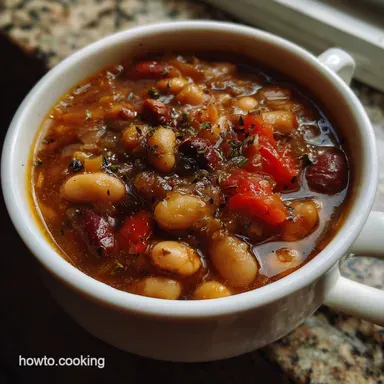
15 Bean Soup: the Ultimate Kitchen Cupboard Warmer
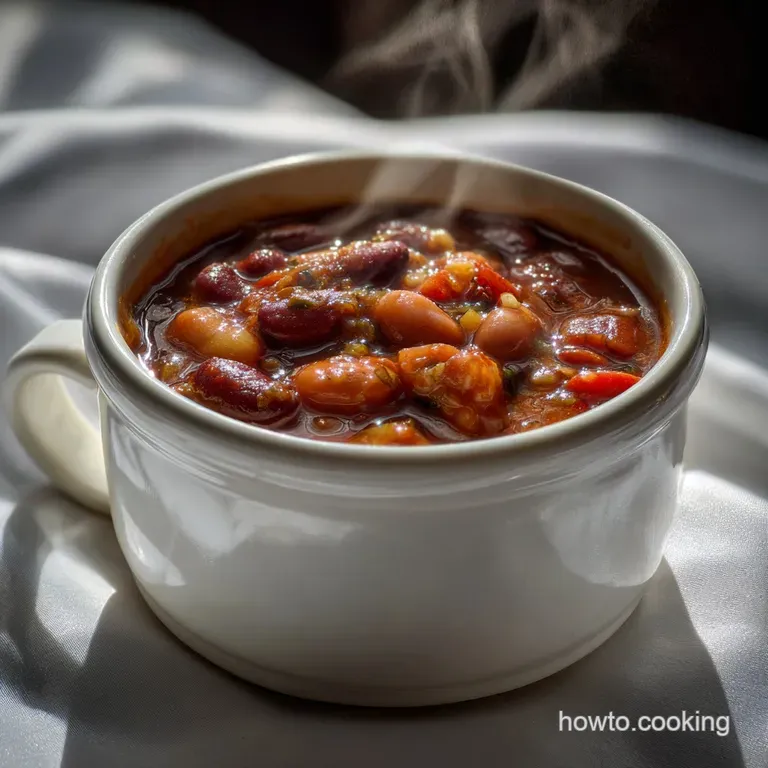
- The Ultimate Kitchen Cupboard Warmer: Hearty 15 Bean Soup
- Mastering Depth: The Science Behind a Truly Hearty Bean Broth
- Pantry Staples Elevated: Essential Ingredients for Ultimate Bean Soup
- From Dried Beans to Creamy Consistency: Step-by-Step Method
- Expert Tips for Success and Troubleshooting Common Errors
- Meal Prep Genius: Storing and Freezing Your Finished Soup
- Completing the Comfort: What to Serve Alongside Your 15 Bean Soup
- Recipe FAQs
- 📝 Recipe Card
The Ultimate Kitchen Cupboard Warmer: Hearty 15 Bean Soup
When the air gets crisp and you need something truly restorative, there is nothing better than the smell of this 15 Bean Soup simmering away on the stove. It fills the entire house with the deep, earthy promise of comfort, immediately signaling that dinner is going to be magnificent.
This is the ultimate proof that simple ingredients, given time and respect, can deliver flavour complexity that rivals any high end restaurant dish.
This recipe is a lifesaver for your budget, using inexpensive dried legumes that transform into a high protein meal. Honestly, making a giant pot of this Hearty Bean Soup Recipe is the smartest thing you can do on a Sunday afternoon.
It's mostly hands off cooking, perfect for when you’re batch cooking or just chilling.
We aren't just making a basic broth here; we are building a profoundly deep, rich bowl of goodness. I’ve made all the common mistakes so you don't have to. Let’s dive into how to make the absolute best, smokiest, creamiest 15 Bean Soup you’ve ever tasted.
Mastering Depth: The Science Behind a Truly Hearty Bean Broth
The difference between watery bean soup and an ultra satisfying Smoked 15 Bean Soup is all about technique and patience. You can’t rush this kind of flavour development. We are focusing on maximizing extraction and creating a luxurious texture without adding cream.
Why the “Medium” Difficulty Pays Off: The Value of Time Management
The only thing that makes this a "medium" difficulty recipe is the waiting. You must plan ahead for soaking the beans; skipping this step drastically increases the cook time and yields inconsistent textures.
Trust me, the 8 12 hour soak is your best friend when tackling this 15 Bean Soup Recipe . That small investment of time guarantees soft, beautifully plump beans later on.
The Power of Pulses: Nutrition and Economy in One Bowl
Pulses are simply miraculous. They provide immense fibre and protein, making this a complete, economical meal. The 15 different varieties in the mix offer a textural spectrum, from tiny lentils that dissolve and thicken the broth to larger kidney beans that hold their shape perfectly.
This complexity is why the standard 15 Bean Soup Mix is such a powerhouse.
The Difference Between Stew and a Satisfying Soup Consistency
We want a rich, stick-to-your ribs soup, not a chunky stew. The secret is that perfect blend of liquid ratio and starch release. We use the ham hock for fat and flavour, but the final texture comes from those starches leaching out during the long, slow simmer.
The Maillard Reaction in Smoked Aromatics
The initial sautéing of the onions, carrots, and celery (the mirepoix) is critical. Cooking them slowly in olive oil or butter until they are deeply caramelized but not burnt builds a foundational sweetness.
When you add the smoky ham hock, that savory fat melts into the vegetables, creating an intense, complex layer of flavour that anchors this 15 Bean Soup .
Achieving Creaminess Without Dairy: Starch Release Explained
Did you know you don't need heavy cream for a creamy soup? As the beans simmer gently for hours, they naturally release their interior starch into the cooking liquid. This process results in a thick, velvety broth.
Later, we’ll use a little immersion blending trick to release even more starch and achieve the perfect consistency for our Hearty 15 Bean Soup .
The Critical Role of Acidity (And When to Use It)
I made the mistake once of finishing the soup, tasting it, and thinking, "Why is this a little… dull?" The answer is always acid. After long cooking, flavors can become flat. A splash of vinegar or lemon juice right at the very end brightens every component and makes the smoky, earthy flavors truly pop.
Do not skip this step!
Pantry Staples Elevated: Essential Ingredients for Ultimate Bean Soup
This soup relies on simple, durable ingredients that you likely have tucked away right now. This is true comfort food built from the ground up.
Decoding the 15 Bean Mix: What's Inside and Why it Matters
The classic 15 Bean Soup Mix typically contains a blend of lentils, navy beans, pinto beans, kidney beans, and more. This variety is key because they all break down at slightly different speeds, resulting in that beautiful mix of creamy dissolved bits and whole, toothsome beans.
If you can’t find the specific mix, you can use any combination of dried legumes, aiming for at least 5 different types for complexity.
Building the Flavour Base: Aromatics and Foundation Vegetables
The holy trinity of onion, carrot, and celery is non-negotiable here. They provide the sweet, savory, and earthy base that the beans soak up. Finely dicing them ensures they completely dissolve into the broth, adding body without leaving large chunks.
How to Substitute Smoked Elements for Maximum Flavour
The ham hock is the secret weapon for this Smoked 15 Bean Soup . Its combination of fat, bone (collagen), and smoke provides unparalleled depth.
| Ingredient | Acceptable Substitution | Notes |
|---|---|---|
| Ham Hock | Smoked Turkey Leg or Ham Bone | If you need less fat, use a smoked turkey leg. |
| Smoked Paprika | Chipotle Powder | Adds smoke and heat to this 15 Bean Soup . |
Water vs. Stock: Choosing Your Liquid Foundation
Always choose stock over water for maximum flavour, ideally a low-sodium vegetable or chicken stock. Since we are already adding immense flavour via the ham hock, we don't need a super rich stock like you might use for something like a Chicken Wild Rice Soup: Rich Creamy Comfort Recipe . Low-sodium is important because the ham hock provides plenty of salt already.
From Dried Beans to Creamy Consistency: step-by-step Method
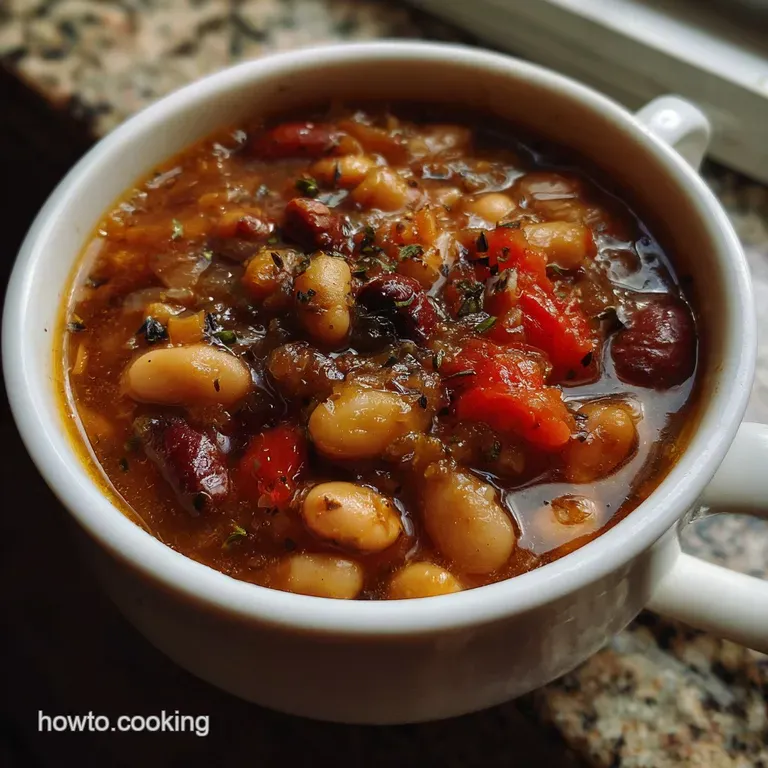
Making this 15 Bean Soup is mostly just about waiting for the heat to work its magic.
Preparing the Beans: Soaking vs. Quick Soak Methods
I swear by the overnight soak. You simply rinse the 15 Bean Soup Mix , dump the beans in a bowl, cover with water, and forget about them. If you absolutely must rush it, use the quick soak: bring the beans and water to a boil for one minute, then turn off the heat, cover, and let stand for one hour before draining.
Sautéing the Mirepoix and Layering the Flavour
This is where the magic starts. Heat your oil and sauté the diced onion, carrots, and celery until they are completely tender and smell sweet about 8 to 10 minutes. Then, stir in your minced garlic and dried spices for just 60 seconds. You want that garlic fragrant, not burnt!
That’s the foundation for the ultimate 15 Bean Soup .
The Long Simmer: Monitoring Heat and Liquid Level
After you add the stock, the ham hock, and the soaked beans, bring it to a boil, then immediately reduce the heat to the bare minimum . You want a gentle "burble," not a rolling boil, which can make the beans explode and turn to mush.
Keep the pot partially covered to prevent too much liquid evaporation. If the liquid level drops significantly, top it off with hot water or stock. We want this High Protein Bean Soup to cook slowly and evenly.
Finishing Touches: Blending and Final Seasoning Adjustments
Once the beans are soft, pull out the ham hock and the bay leaves. Shred the meat and return it to the pot. Now is the moment to decide on consistency. For a thicker, more velvety texture, use an immersion blender to pulse the soup a few times against the side of the pot. Do not blend the whole thing!
You need those whole beans for textural contrast. Finally, taste and add your salt, pepper, and that essential tablespoon of acid.
Expert Tips for Success and Troubleshooting Common Errors
When to Add Salt: Preventing Hard Beans
I learned this the hard way: if you add salt (or anything acidic) too early, the ions interfere with the bean structure, preventing the cell walls from softening. The result? Hard, grainy beans that refuse to yield. This is especially important when making any Mixed Bean Soup .
Always wait to add salt until the beans are fully tender.
Fixing a Thin Broth: The Immersion Blending Trick
If your 15 Bean Soup broth is too thin, don't panic or add flour. Simply scoop out about 1 cup of the soup (mostly beans) and blend it completely in a separate blender or use your immersion blender right in the pot.
Return the blended mixture this thick, starchy purée will instantly give your soup body and creaminess.
Managing Foam and Skimming During the Boil
When you first bring the stock and beans to a boil, you’ll see a grey foam rise to the surface. This is caused by impurities and residual starches. Use a slotted spoon to skim this off immediately. It keeps your final broth clearer and cleaner tasting.
Meal Prep Genius: Storing and Freezing Your Finished Soup
This recipe is built for meal prepping. Making a giant pot of this High Protein Bean Soup is the smartest way to guarantee lunch for days.
Cooling Quickly for Safety and Best Texture Retention
Soups, especially thick ones like this, must be cooled quickly before storage to stay safe. If you transfer the hot soup directly into the fridge, it raises the fridge temperature too much. Ladle the soup into shallow containers, or place the pot in an ice bath in your sink until it stops steaming.
The Best Containers for Long Term Freezer Storage
Glass jars or freezer safe plastic containers work best. When filling the containers, remember that the liquid will expand, so leave about an inch of headspace at the top. This 15 Bean Soup freezes beautifully for up to 6 months.
When you want a quick weeknight meal, transferring a block of frozen 15 Bean Soup to a pot is just so satisfying. If you’re using a pressure cooker, note that our [15 Bean Soup Instant Pot] method sometimes changes the texture slightly, but the freezing steps remain the same.
Reheating Tips: Reviving the Creamy Consistency
Frozen or chilled soup will always thicken further upon cooling. To reheat, place it in a saucepan over medium low heat, stirring frequently. If it’s too thick, add a splash of stock or water until the desired consistency is achieved.
Don't forget to taste again sometimes a quick seasoning adjustment is needed after reheating.
Completing the Comfort: What to Serve Alongside Your 15 Bean Soup
This is such a filling meal on its own, but a few simple additions make it truly special.
For a crunch, nothing beats a grilled cheese sandwich or a simple, sharp side salad. If you’re hosting a chilly gathering, pairing a warming soup like this 15 Bean Soup with something lighter, like our Mexican Salad: Ultimate Charred Corn and Black Bean Fiesta , offers a great textural contrast.
Remember to serve this delicious Smoked 15 Bean Soup with that final sprinkle of fresh parsley and maybe a grating of Parmesan it deserves the finishing touch.

Recipe FAQs
Do I absolutely have to soak the beans overnight?
While quick soaking (boiling for 10 minutes, resting for 1 hour) is an alternative, overnight soaking is highly recommended for 15-bean mixes. Soaking ensures even cooking, reduces the overall cooking time significantly, and helps remove indigestible sugars that can cause digestive discomfort.
My beans are still tough after hours of simmering. What went wrong?
This usually happens if the beans were very old, or if you added salt or acidic ingredients (like vinegar or tomatoes) too early in the process. Always soak the beans thoroughly, and ensure you only add acidic ingredients after the beans are fully tender.
If the beans are very old, they may simply never soften completely.
How can I naturally thicken the soup if the broth is too thin?
If the broth seems too thin, ladle out about 1 cup of the finished beans and mash them thoroughly using a fork or immersion blender. Stir this creamy, mashed mixture back into the pot, which will naturally thicken the entire soup due to the released starches.
Alternatively, simmer uncovered for the last 30 minutes to reduce the liquid.
When should I add the salt and the acidic ingredients (e.g., vinegar)?
Salt should be added incrementally, tasting as you go, but ensure the bulk of the salt is added near the end, as early salting can inhibit bean hydration. Acidic ingredients like vinegar or lemon juice must only be added after the beans are completely soft, as they prevent the bean cell walls from softening during cooking.
Can I make this Smoked 15 Bean Soup vegan or vegetarian?
Absolutely. Replace the smoked meat element (like ham hock) with 1 2 teaspoons of liquid smoke added toward the end of cooking, alongside a tablespoon of smoked paprika. You can also add a piece of kombu seaweed during the simmer for deep umami flavor, removing it before serving.
How should I store the leftover soup, and does it freeze well?
The soup keeps beautifully in an airtight container in the refrigerator for 4 5 days, and the flavors actually meld further overnight. It is excellent for freezing; cool it completely, transfer it to freezer safe containers (leaving 1 inch headspace), and store for up to 3 months.
Thaw overnight in the refrigerator before reheating gently.
I don't have the 15-bean mix. Can I substitute with other dried beans?
Yes, you can substitute the 15-bean mix with any combination of dried beans you have on hand, ensuring the total weight matches the recipe requirement. Try to use a mix of larger varieties (like kidney or pinto) and smaller legumes (like lentils or navy beans) for the best textural contrast and appearance.
Ultimate Smoked 15 Bean Soup