Ambrosia Salad: Classic Fruit Delight
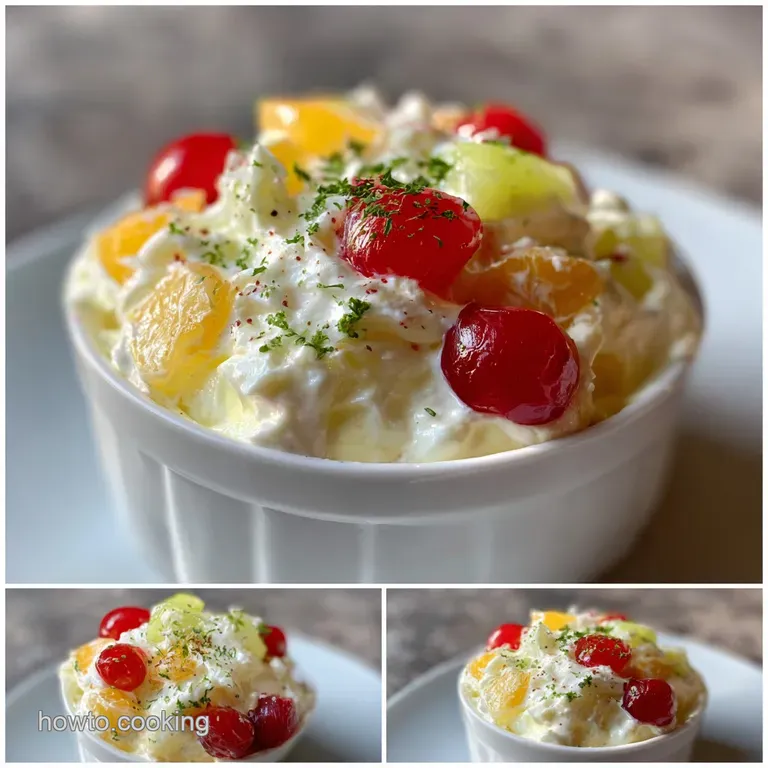
- Time: Active 20 minutes, Passive 4 hours, Total 4 hours 20 mins
- Flavor/Texture Hook: Silky whipped base with a fruity snap and toasted coconut finish
- Perfect for: Family reunions, holiday side dishes, or building cooking confidence with no bake desserts
- A Wholesome Heritage Favorite: How to Master Ambrosia Salad
- The Secret to the Marshmallow Cure and Cream Stability
- Strategic Timing and Critical Checkpoints for Optimal Results
- Analyzing the Textural Components of a Balanced Fruit Base
- Essential Tools for Achieving a Silky and Aerated Consistency
- A Methodical Four Phase Approach to Construction and Curing
- Solving Structural Integrity Issues and Preventing Flavor Bleeding
- Nutritious Modifications and Flavor Variations for Modern Palates
- Maintaining Structural Freshness and Reducing Kitchen Ingredient Waste
- Presentation Strategies for a Vibrant and Flavorful Tablescape
- Debunking Common Kitchen Myths
- Ambrosia Salad FAQs
- 📝 Recipe Card
A Wholesome Heritage Favorite: How to Master Ambrosia Salad
Imagine the sound of a silicone spatula folding through a cloud of whipped cream, that soft "whoosh" that tells you the texture is just right. I remember the first time I tried to make this for a family Sunday dinner.
I didn't drain the pineapple properly, and by the time we sat down to eat, the whole thing looked like a sad, milky soup. It was a disaster, but it taught me that even the simplest recipes require a bit of scientific respect to stay wholesome and flavorful.
We are moving away from the sugary "glop" of the past and focusing on a version that feels nutritious and intentional. You'll find that by using full fat sour cream and fresh grapes, the dish gains a sophisticated tang that balances the sweetness.
It is about creating a dish you can serve with confidence, knowing every bite has a purposeful contrast between the velvety cream and the shatter of toasted pecans.
This recipe is designed to be a reliable staple in your repertoire. We've all seen those versions at potlucks that look a bit gray or unappealing, but we are going to fix that. By the time you're done reading, you will understand exactly how to keep your fruit vibrant and your marshmallows perfectly pillowy without any of the soggy mess.
The Secret to the Marshmallow Cure and Cream Stability
The success of this dish relies on a process called moisture migration. When you let the mixture sit, the marshmallows act like tiny sponges, pulling just enough moisture from the whipped topping and sour cream to soften into a mousse like consistency.
This creates a cohesive structure where the fruit is suspended rather than sinking to the bottom.
To maintain the aeration of the cream, we use sour cream as a stabilizing agent. The lactic acid in the sour cream helps strengthen the proteins in the whipped topping, preventing it from "weeping" or losing its volume when it comes into contact with the acidic juices of the citrus.
This ensures the salad stays fluffy for hours rather than turning into a liquid mess on the plate.
Chef's Tip: Rinse your halved maraschino cherries under cold water and pat them bone dry with a paper towel. This prevents the "pink bleed" that turns the entire salad a neon hue, keeping the cream looking bright and professional.
Fast vs Classic Preparation Methods
| Feature | Fast Method (Eat Now) | Classic Method (The Cure) |
|---|---|---|
| Marshmallow Texture | Chewy and firm | Velvety and "melt in-mouth" |
| Cream Consistency | Loose and airy | Structured and mousse like |
| Flavor Profile | Individual fruit notes | Harmonized and mellow |
Strategic Timing and Critical Checkpoints for Optimal Results
To execute this with confidence, you need to hit three specific numeric checkpoints. First, ensure your fruit drains for at least 15 minutes in a colander. Second, the salad must chill for a minimum of 4 hours to allow the marshmallows to hydrate.
Third, never stir the mixture more than 10 times during the final fold to preserve the air bubbles.
1. The Hydration Phase
The marshmallows need time to transform. If you eat this immediately, you'll have tough, rubbery bits. After 4 hours, they take on the texture of the cream itself, creating a seamless mouthfeel that is the hallmark of a high-quality dessert.
2. The Tang to Fat Ratio
Using 1/2 cup of full fat sour cream is non negotiable for a wholesome flavor profile. The fat provides a coating for the tongue that allows the sweetness of the mandarin oranges to shine without being cloying. If you prefer a more savory edge, similar to the balance in an Authentic Lebanese Fattoush recipe, you can even increase the salt slightly.
3. Structural Integrity
The addition of 1 cup of shredded coconut and 1/2 cup of pecans isn't just for flavor. These dry, fibrous elements absorb excess moisture that the fruit inevitably releases. They act as the "scaffolding" for the salad, keeping it upright and scoopable.
Analyzing the Textural Components of a Balanced Fruit Base
| Component | Science Role | Pro Secret |
|---|---|---|
| Sour Cream (1/2 cup) | Acidic stabilizer | Use room temp for easier folding |
| Marshmallows (2 cups) | Moisture absorber | Freeze for 5 mins before mixing to prevent sticking |
| Kosher Salt (1/4 tsp) | Flavor enhancer | Reduces the perception of "sugar only" flavors |
Understanding these ingredients helps you cook with more confidence. For instance, the salt isn't there to make it salty; it's there to suppress the bitterness of the pecans and make the pineapple taste more like pineapple. It is a small detail that makes a wholesome difference in the final product.
Essential Tools for Achieving a Silky and Aerated Consistency
You don't need a kitchen full of gadgets, but a few specific items will make the process much smoother. A large stainless steel or glass bowl is better than plastic, as plastic can hold onto oils that might deflate your whipped topping.
- Fine mesh colander: Essential for the 20 oz of pineapple and 11 oz of mandarin oranges.
- Large silicone spatula: For the "gentle fold" technique.
- Paper towels: To pat the fruit completely dry after draining.
- A sharp paring knife: To cleanly halve the grapes and cherries without bruising the flesh.
Using a high-quality spatula, like one from a brand such as OXO, ensures you can reach the bottom of the bowl to incorporate the sour cream without over mixing. Much like preparing the base for a Pearl Couscous recipe, the way you handle the ingredients determines the final texture.
A Methodical Four Phase Approach to Construction and Curing
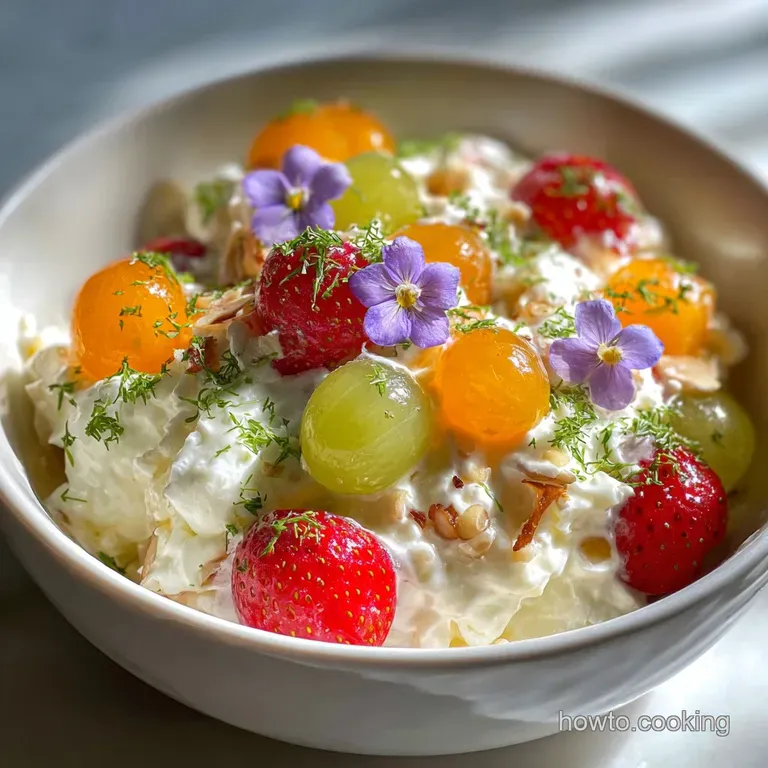
- Drain the fruit thoroughly. Place the 20 oz of pineapple tidbits, 11 oz of mandarin oranges, and 10 oz of halved maraschino cherries in a colander. Let them sit for 15 minutes, then pat them with paper towels until no visible moisture remains.
- Whisk the cream base. In your large bowl, gently whisk the 8 oz whipped topping, 1/2 cup sour cream, and 1/4 tsp kosher salt until the mixture is uniform and smooth.
- Incorporate the dry elements. Add the 2 cups of marshmallows, 1 cup of shredded coconut, and 1/2 cup of chopped pecans to the cream. Note: Adding these before the fruit protects the air in the whipped topping.
- Fold in the fruit. Gently add the drained pineapple, oranges, cherries, and 1 cup of halved grapes. Use a bottom to top folding motion until the fruit is just coated in cream.
- Clean the bowl edges. Wipe the rim of the bowl with a damp cloth for a professional presentation.
- Cover and seal. Use plastic wrap pressed directly onto the surface to prevent a skin from forming.
- The Chill. Refrigerate for at least 4 hours. Note: This is when the marshmallows soften and the flavors meld.
- Final fluff. Just before serving, give the salad one single, gentle stir until the texture looks aerated and light.
Solving Structural Integrity Issues and Preventing Flavor Bleeding
Why Your Fruit Is Sinking
If you find all your pecans and grapes at the bottom, it's usually because the fruit was too wet. Excess juice thins the cream, turning it from a "glue" into a "lubricant." Always spend those extra few minutes patting the fruit dry.
The "Weeping" Salad
If a pool of liquid forms at the bottom of the bowl after a few hours, your whipped topping has likely broken down. This often happens if the salad was left at room temperature for too long. Keep it chilled until the very moment of service to maintain that wholesome, firm structure.
| Problem | Root Cause | Solution |
|---|---|---|
| Thin/Runny Cream | Improper fruit draining | Drain for 15 mins + pat with towels |
| Pink Tinted Base | Cherry juice migration | Rinse halved cherries in cold water |
| Mushy Texture | Over mixing | Use a "folding" motion, not stirring |
Common Mistakes Checklist
- ✓ Forgot to rinse the cherries (causes the "pink bleed").
- ✓ Used low-fat sour cream (results in a runny, less flavorful base).
- ✓ Didn't halve the grapes (makes them too heavy to stay suspended).
- ✓ Served it immediately (marshmallows will be tough and chewy).
- ✓ Stirred too vigorously (deflates the whipped topping bubbles).
Nutritious Modifications and Flavor Variations for Modern Palates
If you want to adjust the recipe for different needs, you can do so without losing that classic charm. I often find that adding a bit of zest can really brighten the whole experience.
2 Flavor Twists
- The Tropical Boost: Swap the pecans for toasted macadamia nuts and add 1 tbsp of lime zest to the cream base.
- The Winter Spice: Add 1/2 tsp of ground cinnamon and a pinch of nutmeg for a warm, cozy version during the holidays.
2 Dietary Swaps
- dairy-free Option: Use a coconut based whipped topping and a vegan "sour cream" alternative. The texture will be slightly softer but still flavorful.
- Reduced Sugar: Look for "no sugar added" canned fruit and use unsweetened shredded coconut to control the sweetness levels.
Decision Shortcut
- If you want a crunchier bite: Double the pecans and add them only 10 minutes before serving so they don't soften.
- If you want a lighter feel: Replace the sour cream with 1/2 cup of plain Greek yogurt for extra protein and a sharper tang.
- If you want a dessert forward dish: Increase the marshmallows to 3 cups and use sweetened shredded coconut for maximum indulgence.
| Original Ingredient | Substitute | Why It Works |
|---|---|---|
| Full fat Sour Cream | Greek Yogurt (Plain) | Similar acidity and thickness. Note: Adds more protein and a sharper tang. |
| Pecans | Walnuts or Almonds | Provides necessary fat and crunch. Note: Walnuts add a slightly bitter, earthy note. |
| Mandarin Oranges | Fresh Clementines | Brighter flavor and firmer texture. Note: Ensure all pith and seeds are removed. |
Similar to how you might adjust the ingredients in a High Protein Southwest recipe, these swaps allow you to tailor the nutrition to your family's preferences.
Maintaining Structural Freshness and Reducing Kitchen Ingredient Waste
Ambrosia salad is best eaten within 48 hours. After that, the fruit begins to release its cellular water, and the marshmallows can become overly dissolved. Keep it in an airtight container in the back of the fridge, which is the coldest part.
- Fruit Juices
- Don't toss the liquid from the canned pineapple or oranges! Freeze it in ice cube trays to add to smoothies or use it as a base for a vinaigrette.
- Leftover Coconut
- Toast any remaining shredded coconut and store it in a jar to top your morning oatmeal or yogurt.
- Marshmallows
- If you have half a bag left, keep them in the freezer. They won't freeze solid, and it prevents them from clumping together in the pantry.
Presentation Strategies for a Vibrant and Flavorful Tablescape
When serving, I love using a clear glass bowl to show off the different colors of the grapes, oranges, and cherries. It makes the dish look as nutritious and fresh as it tastes. For a more modern look, try serving individual portions in small mason jars or vintage coupe glasses.
To add a final touch of confidence to your presentation, save a few pecans and a sprinkle of coconut to garnish the top right before it hits the table. This tells your guests exactly what's inside and adds a fresh "snap" to the first bite. If you're looking for other refreshing fruit ideas, my Watermelon Salad Bites recipe offers a similar summer friendly vibe for your next gathering.
Debunking Common Kitchen Myths
Myth: You must use mayonnaise for an authentic flavor. While older versions used mayo, the combination of sour cream and whipped topping provides a much cleaner, more wholesome flavor profile that appeals to modern tastes without the heavy oil aftertaste.
Myth: Frozen fruit works just as well as canned or fresh. Frozen fruit releases too much moisture as it thaws, which will inevitably break the emulsion of your cream. Stick to well drained canned or fresh fruit for the best structural results.
Myth: Toasting coconut is unnecessary. Toasting the coconut for just 3-5 minutes in a dry pan creates a "shatter" texture and deepens the flavor. It transforms the coconut from a chewy filler into a star ingredient.
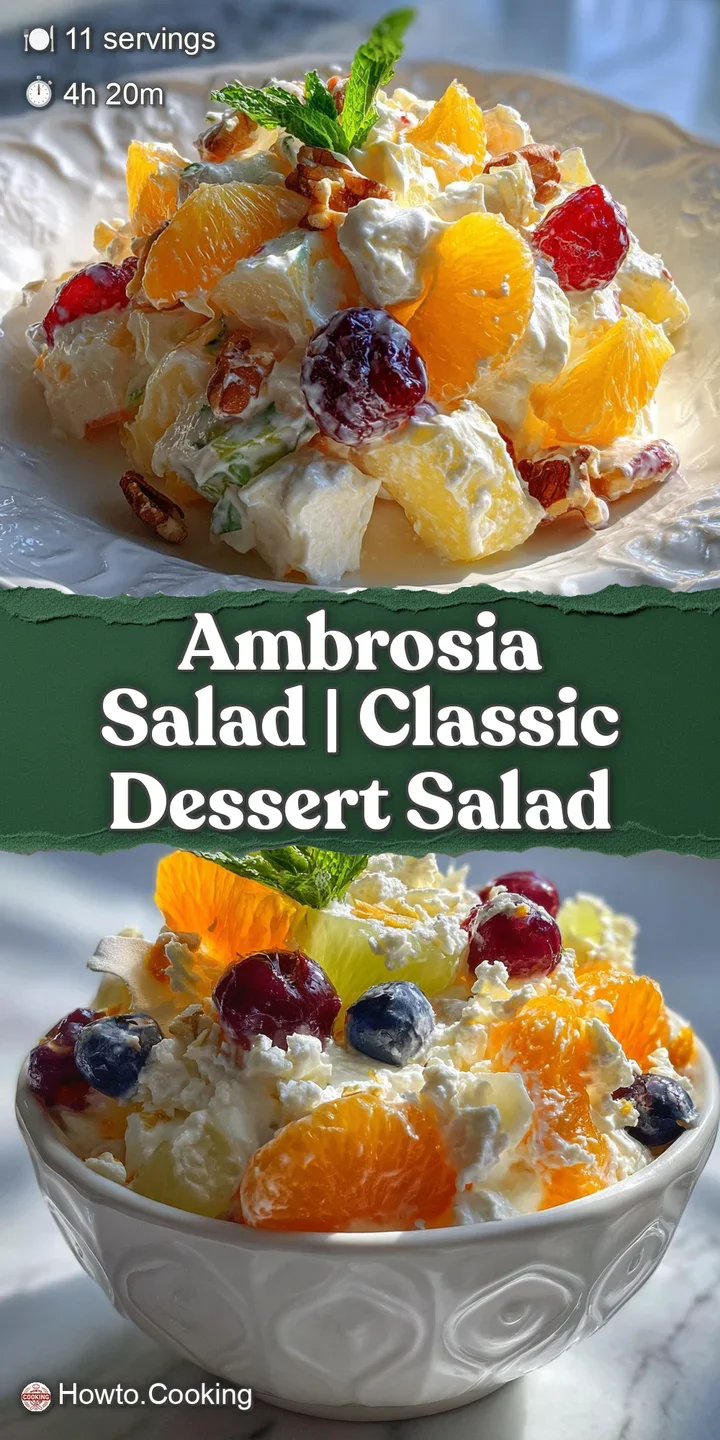
Ambrosia Salad FAQs
What is ambrosia salad made of?
Ambrosia salad is a fruit salad. Traditionally, it combines canned or fresh fruit like pineapple, mandarin oranges, and maraschino cherries with marshmallows and a creamy dressing, often made with whipped topping and sour cream.
Pecans and shredded coconut are also common additions for texture and flavor.
How to make ambrosia salad?
Drain all canned fruits thoroughly and pat them dry. In a large bowl, combine whipped topping, sour cream, marshmallows, shredded coconut, and chopped pecans. Gently fold in the prepared fruits and halved grapes until just combined.
Cover and chill for at least 4 hours before serving to allow flavors to meld and marshmallows to soften.
Is sour cream or Cool Whip better for ambrosia salad?
Using both offers the best balance. Sour cream provides a tangy richness and helps stabilize the mixture, preventing it from becoming too sweet. Cool Whip (or another whipped topping) adds lightness and volume, creating that classic fluffy texture. For a richer flavor similar to this balanced approach, consider trying our The Ultimate Quinoa Southwest Salad with Creamy Chipotle Brilliant for Meal Prep, which uses a combination of creamy and tangy elements.
What is the difference between Watergate salad and ambrosia salad?
Watergate salad is a pistachio flavored ambrosia variation. While both salads feature fruit and a creamy base, Watergate salad distinctly includes pistachio pudding mix, mini marshmallows, and often crushed pineapple, giving it a green hue and a nutty flavor profile.
Ambrosia salad is more fruit forward and typically does not contain pudding mix.
Can I use fresh pineapple instead of canned?
Yes, fresh pineapple works well if prepared correctly. Ensure you core and chop the fresh pineapple, then drain it very thoroughly. Similar to managing the moisture in fruit for other recipes, like the Greek Salad Recipe The Real Horiatiki Village Salad No Lettuce, proper draining prevents excess liquid from diluting the creamy dressing.
How long does ambrosia salad last in the refrigerator?
Ambrosia salad is best enjoyed within 2-3 days. After this time, the fruit can start to break down, and the marshmallows may become overly dissolved, affecting the texture. Always store it in an airtight container in the coldest part of your refrigerator.
Should I drain the maraschino cherries?
Yes, drain and rinse the maraschino cherries. Rinsing them under cold water removes excess syrup and prevents the bright red color from bleeding into the entire salad, which can make the cream appear pink or dull.
Ambrosia Salad
Ingredients:
Instructions:
Nutrition Facts:
| Calories | 243 kcal |
|---|---|
| Protein | 1.8 g |
| Fat | 12.9 g |
| Carbs | 32.5 g |
| Fiber | 1.4 g |
| Sugar | 25.5 g |
| Sodium | 41 mg |
