Greek Salad the Classic Horiatiki Real Greek Village Salad
- The Magic of Horiatiki: Why True Greek Salad Has No Lettuce
- A Simple Mediterranean Powerhouse: Quick Prep, Maximum Flavor
- Essential Components for the Perfect Greek Salad Base
- Sourcing Authenticity: Must and Have Ingredients for Horiatiki
- The Art of Assembly: Creating the Classic Greek Salad Texture
- Step and by-Step Method: Mixing Your Horiatiki to Perfection
- Optimizing Your Plate: Serving and Pairing the Best Greek Salad
- Common Questions and Expert Tips for Your Next Horiatiki
- Recipe FAQs
- 📝 Recipe Card
The Magic of Horiatiki: Why True Greek Salad Has No Lettuce
Look, we need to talk about Greek salad. If you’ve ever ordered one in the States and found a massive pile of shredded iceberg and maybe three sorry tomatoes, you’ve been misled. Badly.
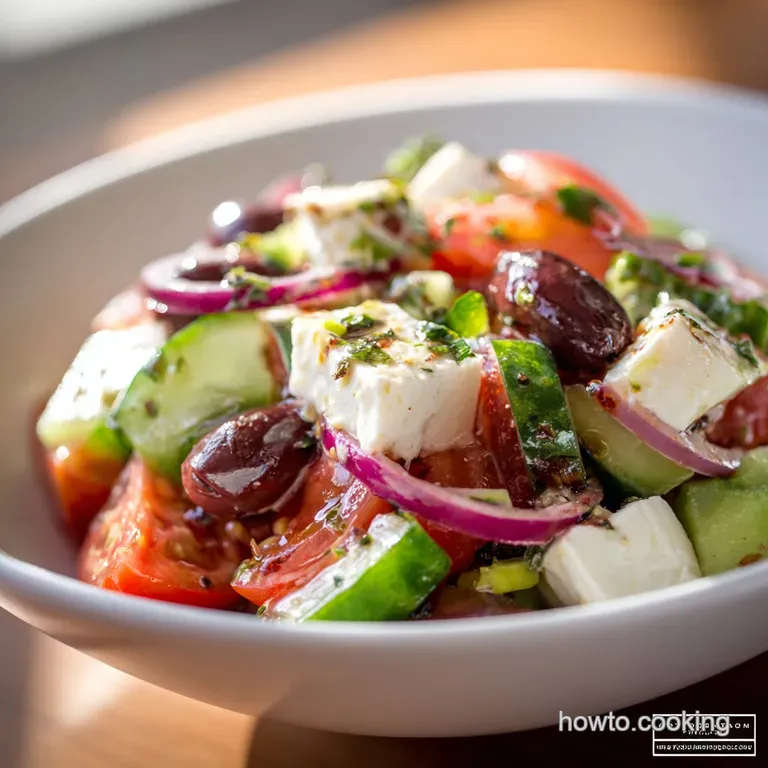
This isn’t a salad you use to fill up a hungry crowd cheaply. This is Horiatiki Salata , the Greek village salad. The real deal. It’s shockingly simple, deeply flavorful, and relies entirely on the quality of your ingredients, not on fillers. Why no lettuce?
Because the juice released by the perfectly ripe tomatoes mingling with the olive oil is the dressing. Adding lettuce just soaks up that liquid gold and turns everything soggy. We don't want soggy. We want texture, brine, and acidity.
We want a perfect plate that tastes exactly like a seaside taverna lunch. It’s brilliant.
A Simple Mediterranean Powerhouse: Quick Prep, Maximum Flavor
I can throw this together faster than ordering takeout, and I’m confident you can too. There is zero cooking involved, unless you count "soaking onions in ice water" (which, trust me, is the best five minutes you’ll spend today). The flavor payoff for such minimal effort is honestly ridiculous.
It's proof that sometimes, doing less is doing more.
Dispelling the Myth of the Americanized Greek Salad
When you see a menu item labeled "Greek salad" that comes with creamy dressing, croutons, and mixed greens, that’s fusion. Sometimes enjoyable fusion, sure, but not Horiatiki. The biggest crime is the creamy dressing. Why dilute the fresh, sun and ripened flavor with something heavy?
The authenticity of the Greek salad recipe lies in letting the quality vegetables and the high and grade olive oil do all the heavy lifting. We are aiming for clean, bright, refreshing flavors here, not a heavy calorie bomb.
From Village Table to Your Kitchen: A Taste of the Peloponnese
I remember having a proper Horiatiki served straight off a huge platter, shared by four of us, sitting outside a tiny place near Kalamata. The simplicity knocked me out. It wasn't fussy. It was just chunky, fresh ingredients swimming in the most incredible tomato and oil liquid. That’s the vibe we are chasing.
This salad is rustic. We aren't making tiny cubes here. We want generous chunks that feel like they were just pulled out of a garden basket. It tastes like sunshine.
What Makes Horiatiki the Ultimate Refreshing Side
It’s all about the temperature and the texture contrast. You have the cool crunch of the cucumber and pepper, the juicy burst of the tomato, and the sharp, creamy salinity of the feta. Because we skip the filler, every single bite delivers a massive punch of flavor.
When you serve this alongside something rich (like grilled lamb or a creamy pasta), the Horiatiki acts like a palate cleanser. It’s essential for balance.
Essential Components for the Perfect Greek Salad Base
The structure is key. Think of this as building blocks. You need large, hefty pieces. If you chop your ingredients too finely, you end up with mush when you add the oil and juices. We need those deep ridges and open surfaces on the tomatoes and cucumbers to hold the oil and seasoning. Cut them big.
We want definition in the bowl.
Sourcing Authenticity: Must and Have Ingredients for Horiatiki
If you think you can swap things out willy and nilly here, stop. You need the best ingredients you can get your hands on. Seriously. This recipe has only six or seven stars, so each one has to shine.
The Foundation: Choosing Ripe, Juicy Tomatoes and Cucumbers
I prefer using vine and ripened tomatoes, or even beautiful beefsteaks, sliced into hefty wedges. The goal is juice content. Your tomatoes must be intensely red and flavorful, not those pale pink grocery store spheres.
For the cucumber, English cucumbers are best because they have fewer seeds and thinner skin, though I've used crisp Persian cucumbers with great success too. Make sure they are peeled, or at least striped and peeled, for a better texture.
Why Real Barrel and Aged Feta Is Non and Negotiable
This is where people mess up the most! Do not buy that vacuum and sealed, pre and crumbled stuff. I forbid it. It’s dry, powdery, and tastes mostly like disappointment. You need authentic Greek Feta (look for PDO Protected Designation of Origin on the package) that comes preserved in brine.
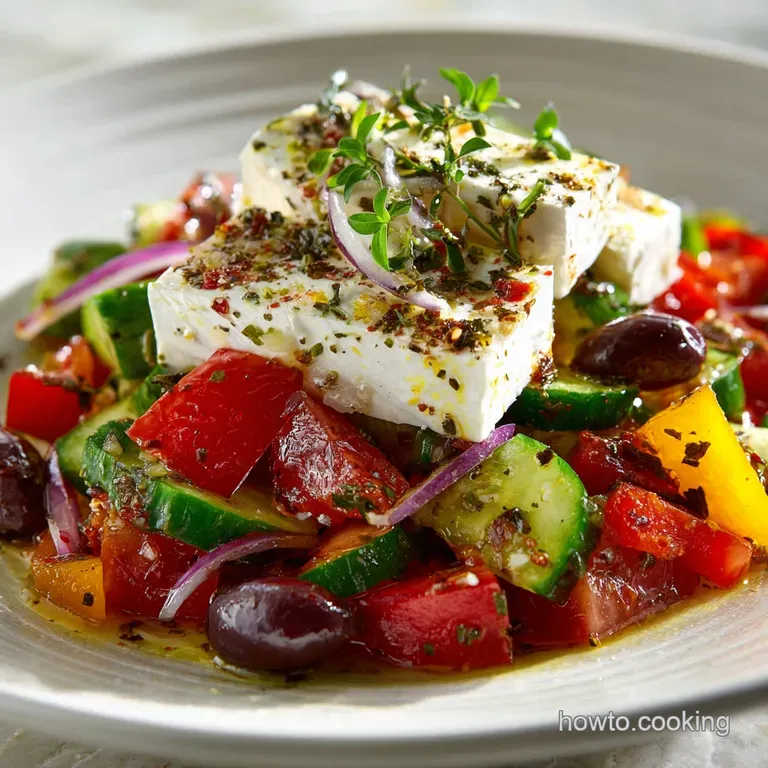
It should be creamy, salty, and slightly tangy. We are going to place a huge slab of it right on top of the salad, letting the juices soak into it as the meal progresses. Honestly, don't even bother with low and fat cheese here. It's just not the same.
The Liquid Gold: Selecting the Right Extra Virgin Olive Oil
Since the oil is about 90% of your dressing, it cannot be thin, cheap cooking oil. Invest in a good, robust extra virgin olive oil (EVOO). A fruity, slightly peppery oil from Crete or Kalamata works perfectly. It needs enough body to emulsify slightly with the acidic tomato juices.
You'll use more oil than you think, but trust me, it’s worth it.
A Note on Olives and Herbs: Kalamata vs. Other Varieties
Kalamata olives are the obvious choice here, providing that deep, wine and red color and meaty texture. They are salty, briny, and essential. You can buy them pitted, but sometimes the ones with the pit left in hold their shape and flavor better.
The herb of choice is dried oregano . Not fresh! I know, usually, fresh is better, but traditional Horiatiki demands the earthy, potent flavor of dried Greek oregano sprinkled generously over the top.
- Oregano Tip: Rub the dried oregano between your palms before sprinkling it. This releases the essential oils and dramatically increases the aroma.
- Olives Warning: Never use canned black olives (the ones that look like shiny rubber rings). They offer nothing to the flavor profile.
- Optional Addition: Sometimes, a couple of rinsed, small pickled caper berries make their way into my bowl. They add a perfect pop of acidity.
Related Recipes Worth Trying
- Taco Pasta Salad Recipe The Creamy Zesty Southwest CrowdPleaser — Our Easy Taco Pasta Salad is the ultimate makeahead potluck dish This cold taco pasta salad recipe features a creamy zesty Southwest dressing and spiced beef
- Whole30 Potato Salad Creamy Tangy Compliant Mustard Dressing — Whole30 Potato Salad is the ultimate healthy side dish for summer grilling This creamy Whole30 Mustard Potato Salad uses compliant avocado oil mayo and...
- Healthy Caesar Salad Dressing UltraCreamy Greek Yogurt Recipe — Healthy Caesar Salad Dressing just got a protein boost This ultracreamy dressing uses Greek yogurt cutting calories and fat Quick prep huge flavor ready in...
The Art of Assembly: Creating the Classic Greek Salad Texture
The biggest mistake is mixing everything too soon. That turns the whole thing into a soup before you get it to the table. Our main goal is allowing the salt, the oil, and the vegetable juices to gently interact. We need the rest time to achieve that perfect brine and meets oil and tomato dressing.
CRITICAL WARNING: Always dress the vegetables (without the Feta) 15 minutes before serving. This rest period is non and negotiable for flavor melding. If you skip this, your salad will taste flat and boring.
Step and by-Step Method: Mixing Your Horiatiki to Perfection
Let’s crack on with the actual work. It’s simple, but order matters.
Preparation Stage: Chopping and Slicing the Vegetables
First, tackle the red onion. Slice half an onion as thinly as you can manage. Drop those slices into a small bowl of ice water and let them sit while you chop everything else. This takes the harsh, sharp bite out of the raw onion and leaves a pleasant, crisp sweetness. This is a game changer for raw onions, honestly.
Next, chop your tomatoes into large, unequal wedges. Slice the cucumber into thick half and moons. The green pepper should be sliced into thin strips. Toss all of these together in your large mixing bowl with the Kalamata olives and the now and drained red onion.
Layering the Ingredients for Optimal Flavor Distribution
Forget using a separate bowl for the dressing. We are building the dressing right on the vegetables. Pour a splash of red wine vinegar and the generous amount of EVOO directly over the vegetable mix. Add salt and pepper. Toss gently. You want the oil to cling to the rough surfaces of the tomatoes.
The Non and Dressing Dressing: Maximizing Vegetable Juices
Now, you wait. Let that salad sit on the counter for 15 minutes. Go grab a drink or slice some bread. What's happening in the bowl? The salt is drawing the water out of the tomatoes.
That tomato water is combining with the olive oil and the vinegar, creating a rich, flavorful, slightly creamy dressing completely natural. That’s the secret to a great Horiatiki Salata .
Final Presentation: Placing the Feta Block and Oregano Dust
Transfer the entire salad, including all the glorious liquid accumulated at the bottom, to your serving bowl. If you can, use a platter to showcase the bounty.
Then, take your beautiful block of Feta and place it right on top. Do not crumble it. Drizzle a little extra EVOO directly over the Feta. Finally, give the whole thing a very generous dusting of dried oregano, rubbing it first to awaken the flavor. It looks incredible, and it tastes even better.
Optimizing Your Plate: Serving and Pairing the Best Greek Salad
When the salad hits the table, the feta block is still whole, the vegetables are glistening, and there is a generous pool of the "non and dressing dressing" at the bottom of the bowl. This pool is everything.
You absolutely must have crusty sourdough or pita bread on hand for dipping into that flavorful liquid. In Greece, this process of dipping the bread into the oily, salty, tomato and infused remnants is called "Papara." It’s considered rude not to do it. It’s the perfect end to the meal.
Common Questions and Expert Tips for Your Next Horiatiki
Storage Secrets: Keeping Leftovers Fresh (Hint: Don't Dress Yet!)
Horiatiki is best eaten immediately after its 15 minute rest. If you are prepping ahead, the key is separation. Chop the vegetables, keep them in an airtight container, and store the Feta block separately in its brine. Only combine and dress the portion you plan to eat right before serving.
Once the salt hits the tomatoes, the countdown to sogginess begins.
Flavor Variations: Adding Capers or Peppers (If You Must!)
While the traditional version is sacred, sometimes you want a little twist. I’m fine with adding things, as long as they don't overpower the core flavors. A very traditional addition is capers or pickled sweet peppers (like pepperoncini or banana peppers).
Avoid adding leafy greens or anything heavy like potato or pasta that turns it into a completely different dish.
Making It a Meal: Best Proteins to Serve Alongside
This salad is phenomenal as a side, but if you want to make it the star of your plate, here are my top picks:
| Protein Pairing | Preparation | Why it Works |
|---|---|---|
| Grilled Chicken | Simple lemon and oregano marinade | Light, savory, complements the acidity. |
| Pan and Seared Halloumi | Browned in a little EVOO | Adds chewiness and extra salty tang. |
| Lamb Souvlaki | Skewered and grilled | Cuts through the richness of the lamb. |
Nutritional Snapshot: Calories, Fat, and Mediterranean Benefits
This salad is packed with healthy fats, thanks to the olive oil and the olives. It's a wonderful source of fiber and vitamins, especially C and K, from the fresh vegetables. Yes, the fat content is high, but we’re talking about mono- and polyunsaturated fats, which are central to the healthy Mediterranean diet.
It’s far better for you than any salad swimming in a processed, creamy ranch dressing. Enjoy the healthy indulgence!
Recipe FAQs
Why is there absolutely no lettuce in this authentic Greek Salad recipe?
This Horiatiki (village salad) is traditionally a celebration of fresh, juicy vegetables, not filler greens. Adding lettuce would dilute the strong Mediterranean flavours and prevent the tomato juices from mixing properly with the olive oil to form the essential, rich dressing.
Can I prep my Greek Salad a few hours ahead of the BBQ, or will it get soggy?
While you can chop the vegetables in advance, mixing the entire Greek Salad should be done no more than 30 minutes before serving. The salt from the Feta and olives quickly draws water out of the tomatoes and cucumbers, leading to a watery, sad affair if left too long a real soggy bottom disaster.
The recipe says to use a block of Feta does it have to be Greek PDO Feta, or is the crumbled stuff okay?
For the best results, yes, insist on Feta labeled PDO (Protected Designation of Origin) that is sold in brine. This ensures the authentic, tangy creaminess; pre-crumbled Feta usually contains anti caking agents that ruin the texture and flavour.
How can I turn this amazing Horiatiki into a full dinner, rather than just a side dish?
Absolutely! To elevate the salad to a main course, simply pair it with substantial grilled proteins like Souvlaki skewers, perfectly pan-seared Halloumi slices, or marinated chicken breasts, turning it into a brilliant, low-effort supper.
What is the liquid gold at the bottom of the bowl, and is it supposed to be eaten?
That beautiful, oily liquid is known as "Papara," and it’s the absolute best bit! It's the glorious combination of tomato juices, olive oil, and herbs; ensure you serve with crusty bread for obligatory dipping and soaking it all up.
Authentic Greek Salad Horiatiki Recipe
Ingredients:
Instructions:
Nutrition Facts:
| Calories | 300 kcal |
|---|---|
| Fat | 25 g |
| Fiber | 3 g |
