The Sunny Souk Authentic Lebanese Fattoush Salad with Crispy Toasted Pita
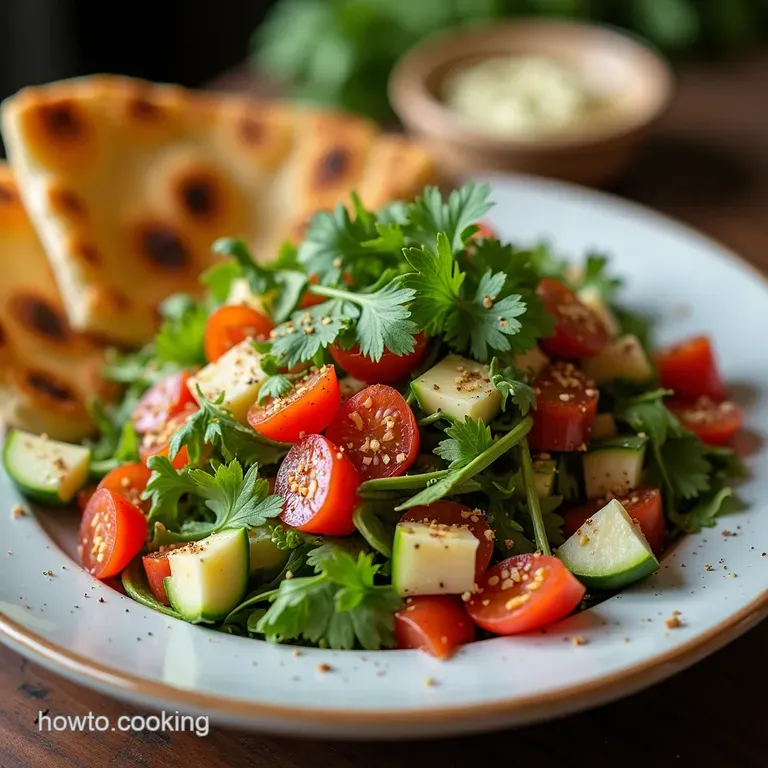
- Why This Lebanese Fattoush Salad Reigns Supreme in Mediterranean Cuisine
- The Magic Behind Fattoush: Crunch Meets Zest
- Assembling the Heart of Your Lebanese Fattoush Salad
- Crafting the Essential Tangy Dressing
- Method Mastery: From Prep to Platter
- Elevating Your Lebanese Fattoush Salad Beyond the Basics
- Storage Secrets for Maximum Freshness
- Frequently Asked Questions
- 📝 Recipe Card
Why This Lebanese Fattoush Salad Reigns Supreme in Mediterranean Cuisine
Fattoush is far more than just a simple side dish; it is a vibrant testament to the fresh, ingredient focused philosophy that defines Levantine cooking. As a cornerstone of the mezze platter, the Lebanese Fattoush Salad offers a perfect symphony of textures and tastes.
It’s a celebration of seasonality, bringing together garden fresh vegetables with the unmistakable tang provided by sumac and the satisfying shatter of toasted bread. Unlike heavier grain based salads, Fattoush stands out as one of the most genuinely Refreshing Food options available, making it the ideal accompaniment to rich grilled meats or a light, standalone lunch.
Its bright acidity cuts through the richness of dishes like lamb or can serve as the perfect fresh base if you opt to create a Fattoush Salad with grilled chicken or Lebanese Fattoush Salad with halloumi .
The Magic Behind Fattoush: Crunch Meets Zest
What elevates this particular salad from a simple mix of veggies to an iconic dish is the strategic layering of key components. It’s the interplay between the sharp dressing and the bread that captures the essence of this classic.
A Snapshot of Authentic Levantine Freshness
The core of any traditional Fattoush Salad relies on using crisp, in-season vegetables. We are looking for that satisfying snap: cucumbers, juicy ripe tomatoes, sharp radishes, and the mild bite of onion or spring onion. Crucially, the herb profile is what sets it apart.
While many salads lean heavily on parsley, authentic Fattoush demands a generous hand with fresh mint, and if you can find it, the slightly succulent texture of purslane adds an authentic note of peppery green.
Understanding the Iconic Fried Bread Element
The name "Fattoush" itself is related to the action of breaking or crumbling bread, and this element the khubz —is non-negotiable. Traditionally, stale pita bread was repurposed by frying it until golden and crunchy.
While frying is an option, we lean toward a healthier, equally satisfying oven toasting method to create rustic croutons that provide incredible textural contrast to the soft vegetables. These crunchy additions are essential for an authentic Lebanese Fattoush Salad recipe .
More Than Just Greens: The Fattoush Philosophy
The philosophy here is simplicity applied masterfully. We aren't overloading this salad with heavy ingredients; rather, we are maximizing the impact of few, high-quality components.
The primary flavour driver, aside from the fresh herbs, is the dressing, which hinges on the sour, deep red spice known as sumac, providing a flavour that is immediately recognizable and beautifully tart.
Assembling the Heart of Your Lebanese Fattoush Salad
To achieve the 6 generous servings outlined for this recipe, preparation requires about 25 minutes of active chopping and mixing time, followed by 10– 12 minutes for toasting the bread, totaling under 40 minutes from start to finish.
This makes it an accessible and quick Healthy Salads option for weeknight meals.
Related Recipes Worth Trying
- Creamy Avocado Egg Salad Recipe Ditch the Mayo — Our failsafe Avocado Egg Salad Recipe swaps heavy mayo for creamy avocado Make this Healthy Egg Salad for the ultimate vibrant Avocado Egg Salad Sandwich
- Hearty Mediterranean Orzo Salad Salad Recipes for a Crowd — Need easy salad recipes for a crowd that wont wilt This robust Greekinspired orzo salad is perfect for making ahead for BBQs or big family meals Get the recipe
- Coronation Crunch Quick Curry Chickpea Cottage Cheese Salad — Tired of the same old sandwich filling This easy Curry Chickpea Cottage Cheese Salad offers a vegetarian twist on Coronation Chicken flavours Ready in 15...
Crafting the Essential Tangy Dressing
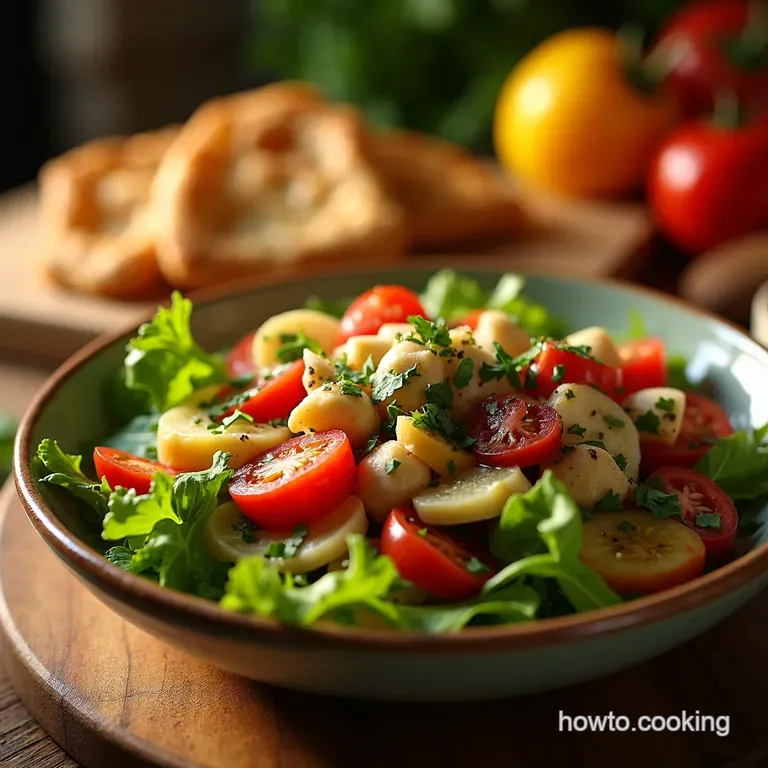
The quality of your Lebanese Fattoush Salad dressing recipe will dictate the success of the final dish. It needs to be intensely bright and zesty enough to penetrate the vegetables and lightly soften the crispy bread without turning it soggy immediately upon contact.
The Vegetable Foundation: Chopping Textures
Gather your foundation: roughly chop one large English cucumber, cut two large, ripe tomatoes into wedges, thinly slice half a red onion (or use spring onions for a milder flavour), and chop one green bell pepper. Thinly slice one cup of radishes for an extra peppery crunch.
In terms of herbs, coarsely chop 1/2 cup of fresh parsley and 1/4 cup of fresh mint. If available, add 1/4 cup of purslane, using extra mint as a substitute if necessary. These ingredients form the bulk of the Lebanese Fattoush Salad ingredients .
Securing the Signature Crispy Khubz (Pita)
For the croutons, use two large pieces of stale Lebanese pita bread, which should weigh around 6 oz (170g). Tear these into rustic 1 inch pieces don't worry about uniformity; rugged shapes absorb dressing better.
These are tossed simply with 2 tablespoons of extra virgin olive oil and a pinch of salt before being baked.
Pantry Staples for the Pomegranate Molasses Infusion
While this Fattoush is incredibly flavourful with just the standard dressing components, the secret weapon for many Levantine dressings is the inclusion of dark, tangy sweetness. Whisk together 1/3 cup of extra virgin olive oil with 1/4 cup of freshly squeezed lemon juice (this usually requires about two large lemons).
To this, add two cloves of very finely minced garlic, 1 1/2 teaspoons of sumac, 1 teaspoon of dried mint, 1/2 teaspoon of kosher salt, and 1/4 teaspoon of freshly ground black pepper.
The sumac is critical here, but an optional drizzle of Pomegranate Molasses can be added to the final toss for an extra layer of sweet tart depth if desired.
Tools of the Trade for Perfect Preparation
You will need minimal equipment: a large, sturdy mixing bowl to handle the final tossing, a small bowl or jar for whisking the vinaigrette, a sharp knife, and a cutting board. Crucially, use a large baking sheet for toasting the bread so that the pieces are spread in a single layer, ensuring maximum crispness rather than steaming.
Method Mastery: From Prep to Platter
The process is intuitive, but timing is everything to ensure the bread stays crisp until the moment of serving.
Step 1: Preparing and Toasting the Pita Chips
Preheat your oven to 375° F ( 190° C). As mentioned, tear the pita bread into rough pieces and toss them immediately with the olive oil and salt on your baking sheet.
Bake for 10 to 12 minutes, flipping them halfway through the process, until they achieve a beautiful golden brown hue. Once done, remove them from the oven and allow them to cool completely. This cooling period is essential; adding warm bread to the fresh vegetables can wilt them prematurely.
Step 2: Whisking the Bright, Balanced Vinaigrette
In your small bowl, vigorously whisk the olive oil and lemon juice until they begin to emulsify slightly this creates a beautifully homogenous dressing. Next, fully incorporate the minced garlic, sumac, dried mint, salt, and pepper.
Taste this dressing; it should genuinely make your cheeks pucker slightly due to the acidity, as this balances the fat and the richness of the vegetables.
Step 3: Combining Vegetables and Herbs Gently
In your large mixing bowl, place all your chopped vegetables and the fresh herbs (parsley, mint, and optional purslane). Drizzle about three quarters of your prepared vinaigrette over this mixture. Use clean hands or tongs to toss everything gently we want the ingredients coated, not bruised.
Step 4: The Final Toss: Integrating Bread Just Before Serving
This is the moment of truth. Only once you are ready to serve the Lebanese Fattoush Salad should you add the completely cooled, crispy pita croutons. Fold them in gently.
If the salad appears dry after adding the bread, use the remaining dressing; however, avoid drowning the salad, as the goal is for the bread to absorb flavor without dissolving instantly.
Elevating Your Lebanese Fattoush Salad Beyond the Basics
While the traditional version is magnificent, Fattoush serves as a wonderful blank canvas. For a heartier meal, consider adding grilled halloumi cubes for a salty, textural pop, creating an amazing Lebanese Fattoush Salad with halloumi .
Alternatively, if you are serving this as a main course, lean into making a substantial Fattoush Salad with grilled chicken by marinating and grilling chicken breast strips seasoned with Middle Eastern spices like cardamom and coriander.
Storage Secrets for Maximum Freshness
This salad does not store well once assembled due to the bread. The vegetables, however, can be chopped up to a day ahead and kept covered in the refrigerator. The dressing should also be made in advance and stored at room temperature (if using only oil and lemon juice) or refrigerated (if using any dairy, though traditional Fattoush avoids it).
Keep the toasted pita chips completely separate and dry until the very moment you are ready to eat.
Ingredient Swaps for Seasonal Variations
While cucumber and tomato are year round staples, feel free to incorporate seasonal finds. In the summer, add slivers of grilled zucchini or small amounts of sweet bell peppers. In cooler months, use firmer root vegetables like finely shredded carrots, ensuring they are cut thin enough to integrate well with the dressing.
Troubleshooting Common Fattoush Pitfalls
The most frequent issue is soggy bread. The solution is twofold: first, ensure your pita is baked until truly crisp and completely cooled; second, never dress the salad more than 10 minutes before serving.
If your salad tastes flat, it usually lacks acid or sumac; try adding another squeeze of lemon or a sprinkle of sumac to boost the brightness.
Pairing Suggestions for a Full Lebanese Spread
This salad pairs beautifully with virtually any main course from the region. Serve it alongside tender lentil soup (Shorbat Ads) for a light lunch, or as the refreshing balance to heavy, slow cooked stews.
For a true feast, ensure you have creamy hummus and velvety baba ghanoush on hand for dipping up any leftover dressing that pools at the bottom of the bowl.
Frequently Asked Questions
Why does my Lebanese Fattoush Salad get soggy so fast?
That’s the age-old curse of the crouton! The secret lies in timing: you must add the toasted pita bread and the dressing right at the very last minute before serving. If you prep everything too early, those lovely crunchy pieces will turn into sad, mushy sponges.
What exactly is Sumac and can I make Lebanese Fattoush Salad without it?
Sumac is a deep reddish purple spice made from dried, ground berries, providing the signature tart, slightly lemony flavour that makes Fattoush so distinctive. While you technically can leave it out, the salad loses its authentic tang think of it like leaving the vinegar out of your classic British fish and chips!
Can I prepare the dressing ahead of time for my Fattoush?
Absolutely, preparing the dressing ahead of time is highly recommended! Whisking it up a day in advance allows the garlic and sumac flavours to properly infuse the olive oil. Just give it a quick re-whisk before you pour it over the vegetables, as the oil and lemon may separate.
What are the best vegetables to use if I can't find Purslane in my local shop?
Don't worry if purslane is a mystery vegetable to you; it’s often the trickiest bit to source! You can easily substitute it with extra fresh mint, or even add a handful of baby spinach or arugula (rocket) for a slightly peppery bite that complements the traditional flavours perfectly.
How should I store leftover Fattoush salad?
Frankly, Fattoush doesn't keep brilliantly because the bread and vegetables will inevitably soften overnight. If you must store leftovers, keep the dressing separate from the vegetables, and store the toasted pita croutons in a completely airtight container on the counter so they stay crisp.
Is Fattoush considered a healthy dish, and what makes it so?
Yes, it’s a fantastic, relatively light option! It’s packed with fresh vegetables, offering plenty of vitamins and fibre. While the dressing uses healthy olive oil, the fat content is higher due to that, so for a lighter touch, simply use a bit less oil when mixing your vinaigrette.
Authentic Lebanese Fattoush Salad
Ingredients:
Instructions:
Nutrition Facts:
| Calories | 907 kcal |
|---|---|
| Protein | 11.9 g |
| Fat | 14.1 g |
| Carbs | 57.2 g |
| Fiber | 17.4 g |
| Sodium | 732 mg |
