Authentic Ukrainian Borscht Soup: Traditional Beef Recipe
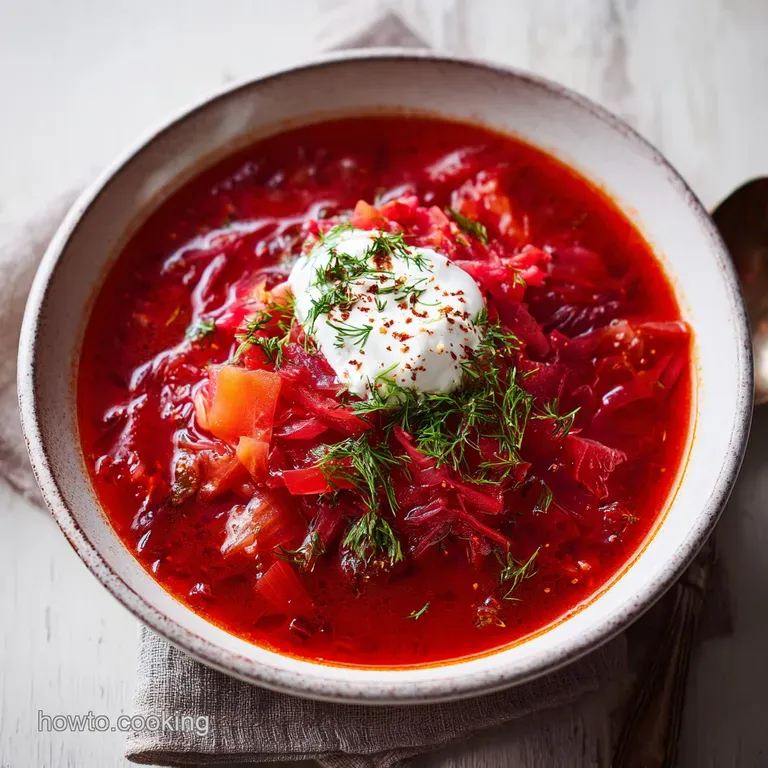
- Time: Active 30 minutes, Passive 150 minutes, Total 180 minutes
- Flavor/Texture Hook: Earthy, sweet tart broth with melt in-your mouth beef and crisp cabbage.
- Perfect for: A restorative Sunday family dinner or cold weather meal prep.
- Authentic Ukrainian Borscht Soup Recipe Masterclass
- Why This Technique Works
- Component Analysis Deep Dive
- Minimal Tools for Maximum Result
- The Essential Elements for Deep Flavor
- A Step-by-Step Culinary Roadmap
- Fixing Flavor and Color Mishaps
- Adapting This Recipe for Everyone
- Scaling and Volume Adjustments
- Debunking Common Soup Beliefs
- Storing and Reheating for Longevity
- The Art of the Finishing Touch
- Very High in Sodium
- Recipe FAQs
- 📝 Recipe Card
Authentic Ukrainian Borscht Soup Recipe Masterclass
Imagine walking into a kitchen where the windows are fogged from a steaming pot and the air carries the sharp, sweet scent of fresh dill and simmering beef. That is the essence of a Ukrainian home.
This dish is not just a meal, it is a cultural anchor, usually served with a thick slice of rye bread rubbed with a raw garlic clove. I remember the first time I tried to make it without my grandmother watching over my shoulder, I boiled the life out of the beets and ended up with a pale, brownish liquid that looked nothing like the jewel toned masterpiece I grew up with.
The secret I learned is that this soup is a lesson in patience and chemistry. It is about the "Smazhennia", the foundational sauté where the beets meet the acid of lemon juice and the sweetness of sugar.
This step is non negotiable because it locks in that iconic crimson hue that makes the broth look like liquid rubies. When you lift the lid after the final simmer, the steam should hit you with an earthy punch that feels like a warm hug from the inside out.
We are going to walk through every step of this process, from the bone deep richness of the beef broth to the final sprinkle of fresh parsley. You will learn why we leave the onion whole during the first phase and why the cabbage must go in late enough to keep a slight "snap" under the teeth.
Let's get that stock pot out and turn your kitchen into a sanctuary of flavor.
Why This Technique Works
Acidic Pigment Stabilization: Adding lemon juice to the beet sauté prevents the betacyanin pigments from oxidizing, which keeps the soup a vivid red rather than a dull orange.
Layered Texture Management: By adding potatoes and cabbage at different intervals, we ensure the starches soften into a velvety consistency while the greens retain a structural bite.
Fat Soluble Flavor Extraction: Sautéing the carrots and onions in sunflower oil allows the carotenoids and aromatics to dissolve into the fat, which then carries those flavors more efficiently throughout the broth.
Marrow Deepening: Starting the beef in cold water allows the proteins to release slowly, resulting in a clearer, more savory broth compared to plunging meat into boiling water.
| Ingredient State | Cook Time | Texture | Best For |
|---|---|---|---|
| Fresh Grated Beets | 12 minutes | Tender with slight body | Traditional depth and color |
| Canned Beets | 5 minutes | Soft/Mushy | Quick shortcuts only |
| Roasted Beets | 10 minutes | Sweet and dense | Modern, smoky variations |
Choosing the right method for your beets determines the soul of the dish. While roasting offers a concentrated sweetness, the traditional sauté method used in this recipe is what gives the broth its characteristic balance of acidity and earthiness.
Component Analysis Deep Dive
| Ingredient | Science Role | Pro Secret |
|---|---|---|
| Beef Chuck (680g) | Provides collagen and fat for a silky mouthfeel. | Use a cut with plenty of connective tissue for the best broth. |
| Grated Beets (2 medium) | Primary source of earthy sweetness and natural pigment. | Grate them coarsely to ensure they don't dissolve into a purée. |
| Tomato Paste (30ml) | Adds umami depth and enhances the red color. | Fry the paste with the beets for 2 minutes to remove the "raw" tinny taste. |
| Sunflower Oil (30ml) | Traditional Slavic cooking fat with a high smoke point. | Use unrefined sunflower oil if you can find it for a nutty aroma. |
A common mistake is using a lean cut of meat, but the fat in the beef chuck is what creates those beautiful orange "eyes" on the surface of the soup. That fat is where the flavor lives, so do not trim it too aggressively before cubing.
Minimal Tools for Maximum Result
You do not need a kitchen full of gadgets to pull this off, but the quality of your heavy bottomed pot matters. A large stock pot (at least 6 liters) is essential to give the ingredients room to move without boiling over.
You will also need a sturdy box grater for the beets and carrots, as the texture of a hand grated vegetable is superior to the uniform shreds of a food processor.
A sharp chef's knife is your best friend here for the cabbage and potatoes. If you find the cabbage is slipping while you try to shred it, cut the half head into quarters first to create a flat, stable surface on your cutting board.
For the beef, a pair of kitchen shears can actually be a handy shortcut for cubing the meat into uniform 2 centimeter pieces if you are working quickly.
While I love a good slow cooker, this soup really benefits from the active heat management of a stovetop. It allows you to skim the foam from the beef, which is the difference between a cloudy broth and a crystal clear foundation. If you are looking for other comforting bowls, you might enjoy the tempering technique used in Greek soups, though the flavor profile here is much more rustic and hearty.
The Essential Elements for Deep Flavor
- 1.5 lbs (680g) beef chuck, cubed: This provides the protein base and essential fats. Why this? The high collagen content melts into the broth for a rich texture. (Substitute: Pork shoulder for a sweeter, lighter meat profile).
- 12 cups (2.8L) water: The medium for our broth. Why this? Provides enough volume for the vegetables without diluting the beef flavor. (Substitute: Low sodium beef stock for a faster flavor build).
- 1 large onion, peeled and left whole: Used for aromatic infusion. Why this? Keeps the broth clear while providing a subtle, sweet background note. (Substitute: Two large shallots).
- 1 bay leaf: Adds a herbal, tea like fragrance. Why this? It bridges the gap between the heavy beef and earthy beets. (Substitute: 1/2 tsp dried thyme).
- 1 tsp black peppercorns: Infuses a gentle, biting heat. Why this? Whole peppercorns provide a more nuanced flavor than ground pepper. (Substitute: 1/2 tsp ground black pepper).
- 1 tbsp (15g) salt: Enhances every other ingredient. Why this? Essential for drawing out the juices from the vegetables. (Substitute: Sea salt or Himalayan pink salt).
- 2 medium beets, grated: The heart of the soup. Why this? Grating releases the sugars and pigments more effectively than slicing. (Substitute: 3 small golden beets for a "white" borscht).
- 1 tbsp (15ml) lemon juice: Our acidic stabilizer. Why this? Keeps the beet color from fading during the long simmer. (Substitute: Apple cider vinegar).
- 1 tsp (5g) sugar: Balances the acidity. Why this? Highlights the natural sweetness of the beets and carrots. (Substitute: Honey or maple syrup).
- 2 tbsp (30ml) tomato paste: Concentrated umami. Why this? Adds body and a rich, savory backbone to the liquid. (Substitute: 1/2 cup tomato purée).
- 2 tbsp (30ml) sunflower oil: The traditional cooking fat. Why this? Neutral flavor that lets the vegetables shine. (Substitute: Light olive oil or avocado oil).
- 3 medium potatoes, cubed: For starch and satisfaction. Why this? They absorb the broth and provide a soft, comforting contrast. (Substitute: Parsnips or turnips for a lower carb option).
- 0.5 head green cabbage, shredded: Adds volume and texture. Why this? Cabbage provides a mild sweetness and a pleasant crunch. (Substitute: Savoy cabbage for a more delicate leaf).
- 1 medium onion, finely diced: For the secondary sauté. Why this? These onions caramelize to add sweetness to the flavor base. (Substitute: Leeks, white part only).
- 1 large carrot, grated: Complementary sweetness. Why this? Carrots and beets are natural partners in this flavor profile. (Substitute: One large parsnip).
- 2 cloves garlic, minced: The soul of the finish. Why this? Garlic added at the end provides a sharp, fresh punch. (Substitute: 1 tsp garlic powder, though fresh is much better).
- 0.5 cup (15g) fresh dill, chopped: The essential Ukrainian herb. Why this? Adds a bright, anise like freshness that cuts through the richness. (Substitute: Fresh fennel fronds).
- 0.25 cup (8g) fresh parsley, chopped: For color and a grassy finish. Why this? Balances the deep earthy notes with a light bitterness. (Substitute: Fresh cilantro for a non traditional twist).
- 8 tbsp (120ml) sour cream: The mandatory garnish. Why this? Adds a creamy, tangy finish that pulls the whole bowl together. (Substitute: Full fat Greek yogurt).
A step-by-step Culinary Roadmap
Simmer the beef. Place 680g cubed beef chuck, one whole peeled onion, a bay leaf, and peppercorns into a stock pot with 2.8L cold water. Bring to a boil, then immediately skim off any gray foam that rises to the top.
Note: Removing this foam ensures your broth remains clear and tastes clean. Reduce heat and simmer gently for 90 to 120 minutes until the beef is fork tender.
Prep the Smazhennia base. While the beef simmers, heat 30ml sunflower oil in a large skillet over medium heat. Add the two grated beets along with 15ml lemon juice, 5g sugar, and 30ml tomato paste.
Sauté the beets. Cook the beet mixture for 10-12 minutes, stirring frequently until the beets are softened and glossy. The lemon juice here is critical for maintaining that deep red color.
Caramelize the aromatics. In a separate skillet (or the same one if you move the beets to a bowl), sauté the finely diced onion and grated carrot in a splash of oil for 8-10 minutes until they are golden and sweet smelling.
Prep the broth. Remove the whole onion and bay leaf from the beef pot and discard them. Add the 3 cubed potatoes and shredded half head of cabbage to the simmering liquid.
Cook the vegetables. Simmer the potatoes and cabbage for 15 minutes until the potatoes can be easily pierced with a fork.
Combine the layers. Carefully stir the beet mixture and the onion carrot sauté into the main pot. The liquid will transform into a stunning, dark crimson.
Meld the flavors. Simmer the combined soup for another 10 minutes. This allows the various components to exchange flavors and create a unified broth.
The final seasoning. Stir in 2 cloves of minced garlic, 15g chopped dill, and 8g parsley. Turn off the heat immediately until the herbs are wilted but still vibrant green.
The rest period. Let the pot sit, covered, for at least 10 minutes before serving. This "resting" phase allows the heat to equalize and the garlic to mellow. Serve each bowl with a 15ml dollop of sour cream.
Fixing Flavor and Color Mishaps
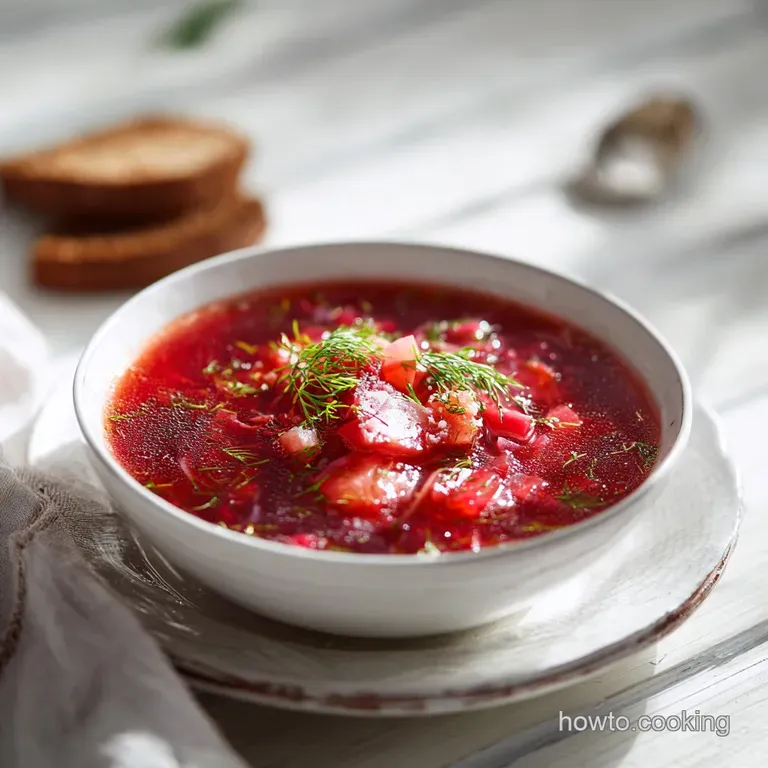
Why Your Borscht Turned Orange
If your soup loses its bright red color and turns a muddy orange, it is usually because the broth was boiled too vigorously after the beets were added. High heat can break down the pigments. Another culprit is a lack of acidity.
The lemon juice or vinegar acts as a color fixer; without it, the natural pH of the water can cause the red to fade into a dull brown.
Rescuing a Bland Broth
Sometimes the soup can taste "flat," especially if the beef was lean or the vegetables weren't sautéed long enough. This is usually a salt or acid issue. Before you reach for more seasonings, try adding a tiny splash more lemon juice or a pinch of sugar.
These two ingredients act like a volume knob for the other flavors. If it still feels thin, you can mash one of the cooked potato cubes against the side of the pot to release some starch and thicken the body of the soup.
| Problem | Root Cause | Solution |
|---|---|---|
| Pale, Pink Broth | Not enough tomato paste or beet sauté time | Stir in 1 tbsp tomato paste mixed with a little hot broth |
| Tough Beef | Simmered at too high a heat or for too little time | Continue simmering on low for another 20 minutes |
| Overly Tart | Too much lemon juice or vinegar added | Add 1/2 tsp sugar and a splash of water to balance |
Chef's Tip: If you want an extra "pop" of color, reserve a tablespoon of raw beet juice and stir it in at the very end. It provides a fresh, vibrant finish that the cooked beets can't match.
Common Mistakes Checklist:
- ✓ Skim the foam early and often to prevent a "cloudy" or bitter broth profile.
- ✓ Don't skip the sugar; it doesn't make the soup sweet, it just rounds out the earthy beet notes.
- ✓ Add the fresh herbs only after the heat is turned off to preserve their aromatic oils.
- ✓ Let the soup sit for at least 10 minutes before serving; the flavors need this time to settle.
- ✓ Always use cold water to start your beef broth for the cleanest, most savory extraction.
Adapting This Recipe for Everyone
If you are looking for a meatless masterpiece, you can easily swap the beef and water for a rich vegetable stock. To maintain that "meaty" mouthfeel, I recommend adding sliced portobello mushrooms or even some smoked paprika to mimic the depth of the beef chuck.
The cooking time will also be significantly shorter, as you only need to simmer the vegetables until tender.
For those following a low carb lifestyle, you can replace the potatoes with celery root (celeriac) or even daikon radish. These vegetables hold their shape well in long simmers and absorb the beet flavor beautifully. If you are looking for a completely different style of one pot meal, my lasagna soup recipe offers a similar comfort food vibe but with a completely different flavor profile.
Scaling and Volume Adjustments
When you want to feed a larger crowd, doubling this recipe is straightforward, but you need to be careful with the cabbage. Cabbage releases a lot of water and can dilute the broth if you aren't careful. When doubling, increase the salt and spices by about 1.5x initially, then taste and adjust at the end.
For small batches, you can easily halve the ingredients, but I recommend using a smaller pot to ensure the beef remains fully submerged during the long simmer.
If you are scaling down to a single or double serving, you might find that the beet to broth ratio gets a bit tricky. In those cases, use a smaller beet and grate it extra fine to ensure you get enough color and flavor in the reduced volume of liquid.
Debunking Common Soup Beliefs
The "It's Just Beet Soup" Myth: Many people think borscht is just a simple beet soup. In reality, an authentic version is a complex vegetable stew. The beets are the star, but the cabbage, carrots, and beef broth provide the necessary structural support that prevents it from being a one note dish.
The "Boiling is Better" Myth: Hard boiling does not cook the soup faster; it actually toughens the beef fibers and makes the broth cloudy. A "lazy bubble" is the goal here. High heat also destroys the delicate aromatic compounds in the dill and garlic that we add at the end.
Storing and Reheating for Longevity
Borscht is famous for being better on the second day. In the fridge, it will stay fresh and flavorful for up to 5 days. As it sits, the starches from the potatoes slightly thicken the broth, and the flavors of the garlic and herbs permeate every vegetable.
When reheating, do it over low heat on the stove and avoid letting it come to a rolling boil to keep the color intact.
For long term storage, this soup freezes surprisingly well for up to 3 months. Just be sure to leave about an inch of space at the top of your container, as the liquid will expand when frozen. To zero out waste, you can save your beet tops and stems!
The stems can be diced and sautéed right along with the carrots, adding a beautiful crunch and extra nutrients to the base.
The Art of the Finishing Touch
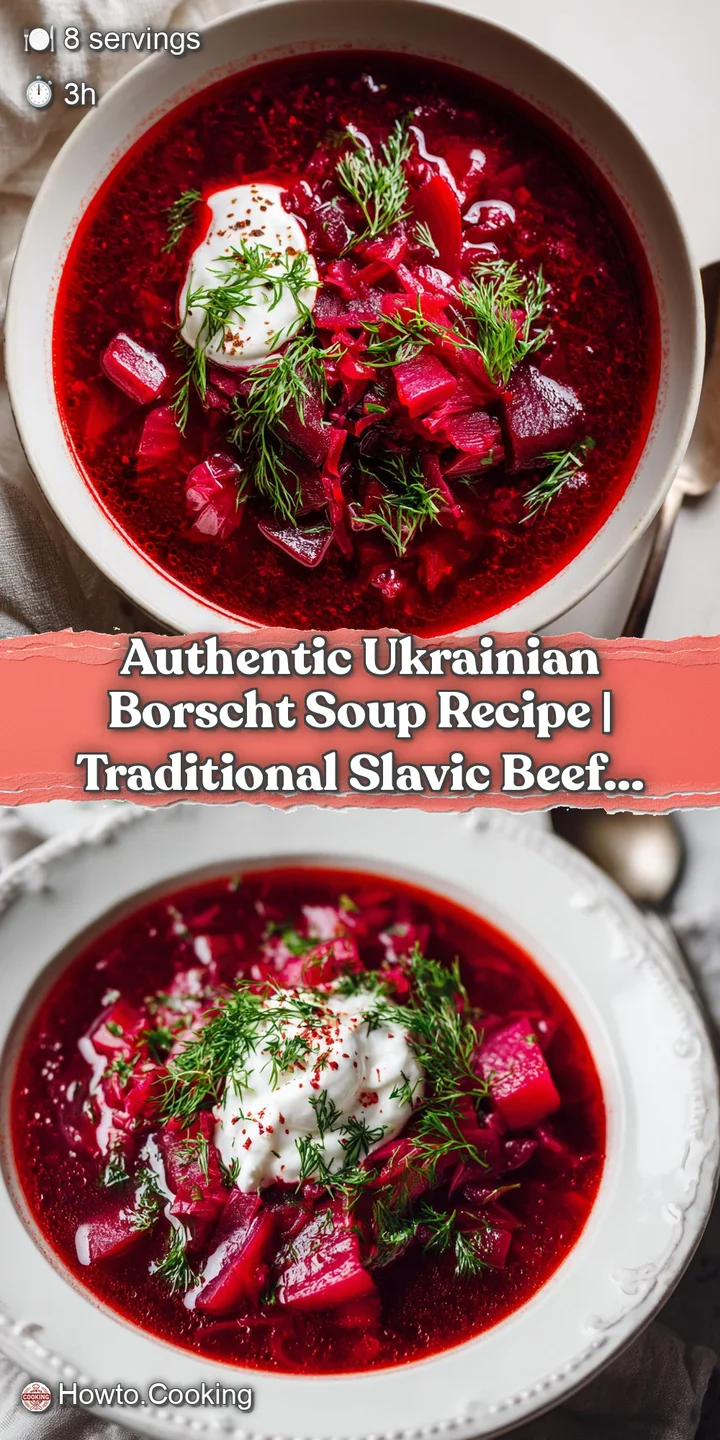
The traditional way to serve this is in a deep bowl with a generous dollop of sour cream right in the center. Don't stir it in immediately! Let the cold cream slowly melt into the hot, ruby broth. This creates a beautiful contrast in temperatures and textures with every spoonful.
I always recommend serving this alongside a plate of "Salo" (cured pork fat) or a piece of dark rye bread. If you want to be truly authentic, take a clove of raw garlic and rub it vigorously against the crust of your bread before eating. It adds a spicy, sharp kick that cuts through the rich, earthy soup. Whether it's a snowy evening or just a day when you need a bit of wholesome comfort, this bowl is designed to restore the soul. For another hearty option with a different twist, you can explore the wonton soup method for a lighter but equally satisfying experience.
Very High in Sodium
895 mg 895 mg of sodium per serving (39% 39% of daily value)
The American Heart Association recommends a limit of about 2,300mg of sodium per day, with an ideal limit of no more than 1,500mg per day for most adults.
Tips to Reduce Sodium
-
Eliminate Added Salt-25%
The recipe calls for 1 tablespoon of salt. Removing all added salt can significantly reduce sodium. The natural flavors of the ingredients will be more prominent.
-
Use Less Onion-5%
While onions add flavor, you can reduce the amount of diced onion from 1 medium to half a medium onion. This will still provide aromatics without adding as much sodium if the onions were salted.
-
Amplify with Herbs and Spices
Maximize flavor by increasing the fresh dill and parsley. You can also add other sodium free spices like garlic powder (if not already accounted for), cumin, or paprika to boost taste without salt.
-
Water Instead of Broth-30%
The recipe correctly uses water for the broth base. If a future recipe calls for broth, always opt for low-sodium or no-salt added broth.
-
Enhance Vegetable Sweetness-5%
The carrots and beets contribute natural sweetness. Roasting some of the vegetables before adding them can intensify their flavors, potentially reducing the perceived need for salt.
-
Boost Acidity with Lemon Juice-5%
Ensure you are using the full tablespoon of lemon juice. Its bright, acidic flavor can mimic the taste enhancing qualities of salt and make food taste more vibrant.
Recipe FAQs
What is the difference between Russian borscht and Ukrainian borscht?
They are distinct traditions with different vegetable bases. Ukrainian borscht is famous for its vibrant red color from a heavy reliance on beets and often includes specific aromatics like garlic and dill, whereas variations elsewhere may prioritize different root vegetables or cabbage bases.
What is the secret to good borscht?
The secret is the Smazhennia, or flavor base. Sautéing your grated beets with lemon juice, sugar, and tomato paste for 10-12 minutes is essential to stabilize the deep red color and balance the earthy sweetness of the beets.
What is the traditional main ingredient in borscht soup?
Beets are the undisputed star. They provide the signature color and deep, earthy flavor profile that defines the dish, supported by beef chuck for the savory broth.
How to make the perfect borscht?
Simmer your beef with aromatics for up to 2 hours until tender before adding vegetables. This patient approach ensures a rich, flavorful broth that holds the texture of the cabbage and potatoes perfectly.
How to keep the soup from turning brown during storage?
Reheat the soup gently over low heat and never let it reach a rolling boil. If you enjoyed the patience required to balance the flavors here, you can see how we apply similar careful temperature control to our traditional beef ragu to prevent the sauce from breaking.
Is it true I must boil the vegetables until they are mushy?
No, this is a common misconception. You want the vegetables to be tender but still hold their shape; simmering the potatoes and cabbage for 15 minutes, then adding the beet mixture for a final 10 minutes, preserves the ideal texture.
How to achieve the best flavor depth?
Allow the finished soup to rest for 10 minutes after turning off the heat. This final rest, combined with the addition of fresh garlic, dill, and parsley, allows the layers of flavor to integrate fully before serving with sour cream.
Authentic Ukrainian Beef Borscht
Ingredients:
Instructions:
Nutrition Facts:
| Calories | 372 kcal |
|---|---|
| Protein | 22.3 g |
| Fat | 18.4 g |
| Carbs | 21.6 g |
| Fiber | 4.2 g |
| Sugar | 8.1 g |
| Sodium | 895 mg |
