Savory Salmon Marinade
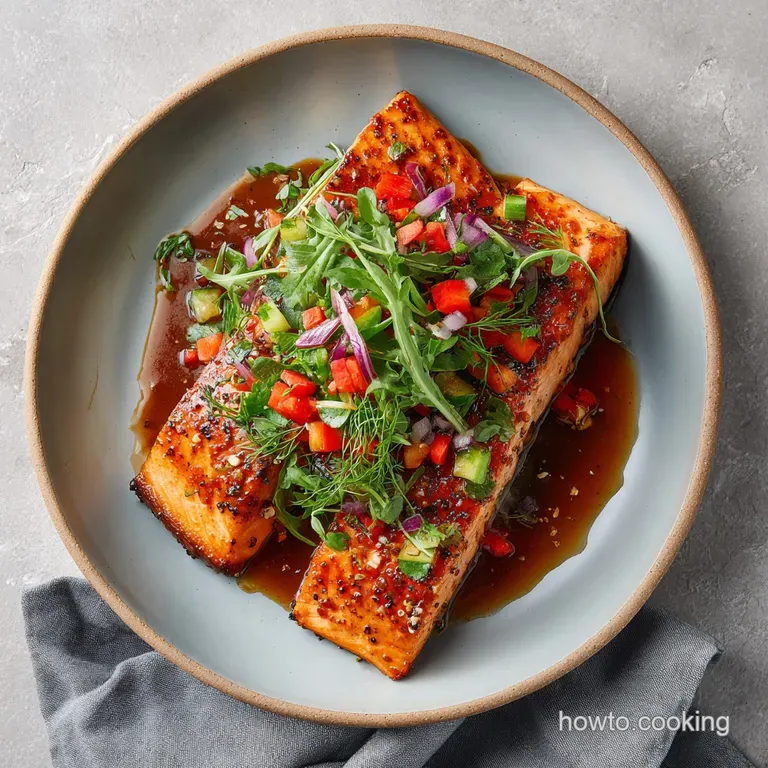
- Time: Active 12 mins, Passive 30 mins, Total 42 mins
- Flavor/Texture Hook: Savory sweet glaze with a buttery, flaky interior
- Perfect for: Weeknight dinners or impressive date night meals
- Essential Techniques for Juicy Results
- Critical Recipe Metrics and Times
- Quality Ingredients and Smart Substitutions
- Required Tools for Better Cooking
- Mastering the Precise Cooking Flow
- Avoiding Common Cooking Pitfalls
- Easy Flavor Variations to Explore
- Debunking Common Kitchen Myths
- Storage Tips and Waste Prevention
- Best Sides for Your Meal
- High in Sodium
- Recipe FAQs
- 📝 Recipe Card
Essential Techniques for Juicy Results
Osmotic Balance: The salt in the soy sauce breaks down lean muscle fibers, allowing moisture and aromatics to penetrate deeper than a surface level seasoning. This prevents the "dry center" syndrome common in thick cut fillets.
Maillard Reaction Control: Raw honey contains natural sugars that caramelize at 320°F (160°C), creating a complex crust without needing over high heat searing that would overcook the delicate fish.
Enzymatic Tenderization: Fresh ginger contains zingibain, a protease that gently softens the connective tissues in the salmon, resulting in a texture that practically melts on the tongue.
Precision Doneness Guide
| Thickness | Internal Temp | Rest Time | Visual Cue |
|---|---|---|---|
| 1 inch | 145°F (63°C) | 3 mins | Opaque flakes, slight resistance |
| 1.5 inches | 145°F (63°C) | 5 mins | Center barely translucent |
| 0.5 inches | 140°F (60°C) | 2 mins | Firm to the touch, white juices |
Getting the temperature right is the difference between a meal you remember and one you just chew through. I always suggest pulling the fish off the heat when it hits 140°F (60°C) because carryover cooking is very real.
If you wait until it hits 145°F in the pan, it'll be overdone by the time it hits your plate.
Critical Recipe Metrics and Times
Understanding the "why" behind your components makes you a more confident cook. When you look at the elements of a Salmon Marinade, you're looking at a functional team where every player has a job.
Component Analysis
| Ingredient | Science Role | Pro Secret |
|---|---|---|
| Soy Sauce | Brining Agent | Use tamari for a deeper, richer color and gluten-free finish |
| Raw Honey | Glaze Base | Do not substitute with maple syrup if you want a thick lacquer |
| Fresh Ginger | Fiber Softener | Grate it directly over the bowl to catch all the active juices |
| Lemon Zest | Acidic Brightness | Avoid the white pith to prevent a bitter aftertaste in the crust |
While we're talking about technique, it's worth noting that this method is much more reliable than a quick sear. If you’re looking for a similar flavor profile but want to try a different cooking method, you might enjoy my Teriyaki Salmon Perfection recipe which focuses on a faster stovetop reduction.
Quality Ingredients and Smart Substitutions
I've tested this with various swaps, and while the original is my favorite, you can definitely pivot based on what's in your pantry.
- 1.5 lbs salmon fillets: Center cut stays more even. Why this? Even thickness ensures every piece finishes cooking at the exact same time.
- 1/3 cup soy sauce: The salt base. Substitute: Coconut aminos (1:1 ratio).
- 2 tbsp extra virgin olive oil: Carries fat soluble flavors. Substitute: Avocado oil for higher smoke point.
- 3 tbsp raw honey: For the sticky glaze. Substitute: Brown sugar for a more molasses heavy flavor.
- 1 tbsp toasted sesame oil: Deep nutty aroma. Why this? Toasted oil has 10x the flavor of regular sesame oil.
- 3 cloves garlic, minced: Essential pungency. Substitute: 1 tsp garlic powder in a pinch.
- 1 tbsp fresh ginger, grated: The "zing" factor. Substitute: 1/2 tsp ground ginger.
- 1 tsp lemon zest: Cuts through the fat. Substitute: Lime zest for a tropical twist.
- 1/2 tsp red pepper flakes: Gentle back end heat. Substitute: Sriracha or gochujang.
- 1/4 tsp cracked black pepper: For foundational spice. Substitute: White pepper for a cleaner look.
Comparison: Fresh vs. Shortcut
| Feature | Fresh Ginger & Garlic | Jarred/Paste Versions |
|---|---|---|
| Flavor | Bright, sharp, and spicy | Mellow, sometimes metallic |
| Texture | Adds nice little crispy bits | Smooth but can be watery |
| Convenience | Requires prep time | Instant use |
Required Tools for Better Cooking
You don't need a professional kitchen, but a few specific items make this a lot easier. I personally swear by a microplane for the ginger and garlic because it turns them into a paste that distributes perfectly.
- Glass mixing bowl: Reactive metals can give the marinade a tinny taste.
- Microplane zester: For the finest zest and ginger pulp.
- Cast iron skillet: My top choice for a "shatter crisp" skin.
- Instant read thermometer: The only way to guarantee it's not dry.
- Ziploc bag or shallow dish: For the actual marinating process.
Mastering the Precise Cooking Flow
- Pat the fish dry. Use paper towels to remove every bit of surface moisture from the 1.5 lbs salmon fillets. Note: Dry skin is the only way to get a crispy sear.
- Whisk the liquids. In a bowl, combine the 1/3 cup soy sauce, 2 tbsp olive oil, 3 tbsp honey, and 1 tbsp sesame oil until the honey is fully incorporated.
- Add the aromatics. Stir in the 3 cloves minced garlic, 1 tbsp grated ginger, 1 tsp lemon zest, and both peppers.
- Marinate the salmon. Place the fish in a bag or dish and pour the mixture over. Let sit for 30 minutes at room temperature.
- Preheat your pan. Set a heavy skillet over medium high heat for 3 full minutes until a drop of water dances on the surface.
- Sear the skin. Place salmon skin side down. Cook for 5 minutes without moving it to develop a crust.
- Flip carefully. Turn the fillets over and pour the remaining marinade from the bag into the pan.
- Glaze and finish. Cook for another 5-7 minutes, spooning the bubbling sauce over the fish until the sauce thickens and the fish is opaque.
- Check for doneness. Insert your thermometer into the thickest part; it should read 140-145°F (60-63°C).
- Rest before serving. Move to a plate and let the juices redistribute for 3 minutes until the surface looks glossy and set.
If you're looking for a slightly different approach, our & Irresistible Baked recipe uses a very similar flavor profile but finishes in the oven for a more hands off experience.
Avoiding Common Cooking Pitfalls
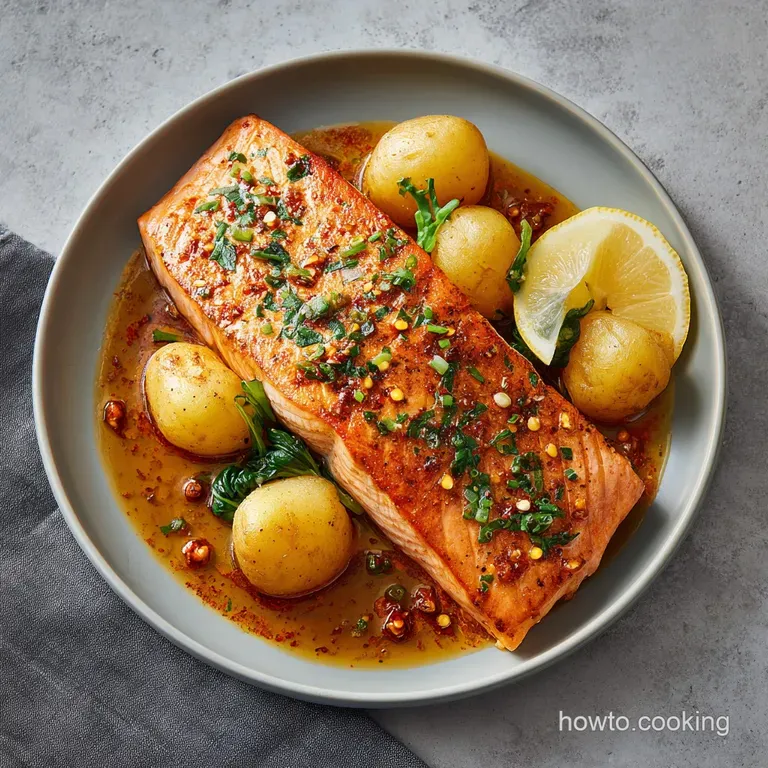
One of the biggest issues people face is the honey in the marinade burning before the fish is done. This usually happens if the heat is too high or if the pan isn't heavy enough to distribute the heat evenly.
Troubleshooting Your Salmon
| Problem | Root Cause | Solution |
|---|---|---|
| Bitter flavor | Burnt garlic or zest | Add garlic during the last 2 mins of cooking next time |
| Soggy skin | Not dried properly | Use a hair dryer on cool or pat heavily with paper towels |
| Rubbery fish | Overcooked | Pull at 140°F and rely on carryover heat |
Common Mistakes Checklist
- ✓ Never marinate for more than 2 hours; the acid will turn the fish mushy.
- ✓ Don't skip the room temperature rest; cold fish sears unevenly.
- ✓ Avoid crowding the pan; leave at least an inch between fillets for airflow.
- ✓ Always use toasted sesame oil, not plain, for that signature nutty scent.
- ✓ Wipe out any black bits from the pan if the honey starts to scorch.
Easy Flavor Variations to Explore
Executing the Scaling
- Scaling Down (1/2): Use a smaller 8 inch pan. Reduce cook time by 2 minutes as small portions lose heat faster.
- Scaling Up (2x): Work in two batches. Don't double the red pepper flakes; use 1.5x the spice to avoid overpowering the dish.
- Baking Conversion: If doubling for a crowd, bake at 375°F (190°C) for 15 minutes instead of pan frying.
Decision Shortcuts
- If you want a crispier skin, sear skin side down for 75% of the total cooking time and only flip at the very end.
- If you want a thicker glaze, simmer the leftover marinade in a small saucepan separately until it coats the back of a spoon.
- If you want a milder flavor, swap the soy sauce for low sodium soy and reduce the ginger by half.
Debunking Common Kitchen Myths
Myth: You should marinate fish overnight for maximum flavor. Truth: Unlike steak, fish has a very delicate cellular structure. Marinating salmon for more than a couple of hours actually starts to "cook" the protein with the acids and salts, resulting in a mealy, unpleasant texture.
30 to 60 minutes is the "golden zone."
Myth: Searing the salmon "locks in" the juices. Truth: Searing creates flavor through the Maillard reaction (browning), but it doesn't create an impermeable barrier. Moisture is lost through heat regardless. The real secret to juicy fish is simply not overcooking it past 145°F.
Storage Tips and Waste Prevention
Storage: Keep cooked leftovers in an airtight glass container in the fridge for up to 3 days. I don't recommend freezing cooked salmon as the texture becomes quite grainy upon thawing. If you must freeze, do it with the raw fish and the marinade together in a vacuum sealed bag for up to 2 months.
Zero Waste: Don't throw away those ginger peels! Toss them into a pot of boiling water with a bit of honey for a quick digestive tea. If you have leftover cooked salmon, flake it into a cold noodle salad the next day the marinade acts as a perfect base for a dressing when mixed with a little extra lime juice.
Best Sides for Your Meal
When serving a dish with a bold, salty sweet profile like this, I always look for sides that can soak up that extra sauce. Steamed jasmine rice or quinoa works wonders. For a vegetable component, charred bok choy or snap peas provide a nice crunch that contrasts with the velvety fish.
If you have a bit of extra lime and cilantro in the fridge, you could even transform these into tacos. For inspiration on that, check out my Crispy Air Fryer recipe for salmon tacos which uses a similar flavor base but a very different presentation. Always finish with a sprinkle of toasted sesame seeds and some sliced green onions to add a fresh, sharp bite to the rich glaze. Trust me, that tiny bit of crunch makes a massive difference in how the dish feels.
High in Sodium
845 mg mg of sodium per serving (37% % of daily value)
The American Heart Association recommends limiting sodium intake to about 2,300mg per day for overall cardiovascular health.
Tips to Reduce Sodium in Your Salmon
-
Reduce Soy Sauce-25%
Soy sauce is a major contributor to the sodium content. Reduce the amount by half, using only 1/6 cup, and compensate with a splash of lemon juice or rice vinegar for added flavor. This could reduce the overall sodium significantly.
-
Opt for Low-Sodium Soy Sauce-20%
Substitute regular soy sauce with a low-sodium or reduced sodium version. This simple swap can greatly decrease the sodium without sacrificing the flavor profile. Check the label to ensure it aligns with your sodium goals.
-
Enhance with Lemon-15%
Increase the amount of lemon zest and consider adding a squeeze of fresh lemon juice after cooking. The acidity will brighten the flavor and reduce the need for as much salty soy sauce.
-
Adjust Red Pepper Flakes-5%
While not a significant sodium source, reducing the amount of red pepper flakes slightly or omitting it entirely and using black pepper can subtly contribute to sodium reduction.
-
Fresh Ingredients Boost
Ensure your garlic and ginger are fresh. Fresh ingredients have a more potent flavor, allowing you to reduce the reliance on sodium for taste.
-
Experiment with Herbs
Use fresh or dried herbs like dill, parsley, or chives to enhance the flavor profile without adding sodium. These can complement the existing flavors beautifully.
Recipe FAQs
What's the best marinade for salmon?
The best marinade balances salt, acid, and sugar. A great balance involves soy sauce for salt, lemon zest for acid to tenderize, and honey or brown sugar to promote rapid caramelization when cooking.
How long should you marinate salmon?
Marinate for 30 to 60 minutes maximum. Salmon is delicate; marinating much longer, especially with strong acids, will break down the proteins too much, leading to a mushy texture.
What do you soak salmon in before cooking?
Soak the salmon in a mixture containing soy sauce, honey, ginger, and garlic. This blend seasons the muscle tissue deeply while the small amount of acid prepares the fish for a perfect sear.
What are the common mistakes when marinating salmon?
The most common mistake is over marinating or using high heat too early. Marinating overnight causes mushiness, and if the pan isn't preheated properly, the honey in the glaze burns before the fish cooks through.
Can I use the leftover marinade as a sauce?
No, you must boil the leftover marinade vigorously for at least three minutes first. Any marinade that touched raw fish must be heated to a rolling boil to kill bacteria before it can safely be spooned over cooked salmon.
Does marinating really help with dry salmon?
Yes, marinating helps ensure seasoning reaches the center of thicker cuts. The salt draws moisture and flavor inward through osmosis; this concept of controlled flavor penetration is also key in achieving great flavor depth in our Roast Chicken Recipe.
Is it true that citrus juice tenderizes salmon too much in a marinade?
Yes, citrus juice needs careful moderation due to its potent enzymes. While a small amount of zest provides brightness, too much lemon or lime juice will denature the proteins quickly, similar to how ceviche works, resulting in a pale and tough exterior.
Best Salmon Marinade Recipe
Ingredients:
Instructions:
Nutrition Facts:
| Calories | 388 kcal |
|---|---|
| Protein | 34.1 g |
| Fat | 25.2 g |
| Carbs | 7.4 g |
| Fiber | 0.2 g |
| Sugar | 6.2 g |
| Sodium | 845 mg |
