The Ultimate Brown Sugar Pound Cake with Sticky Butterscotch Drizzle
- Elevating the Classic: An Ode to Molasses and Unparalleled Richness
- The Secret to Superior Moisture: Why Brown Sugar Changes Everything
- Gathering Your Supplies: The Non-Negotiables for This Recipe
- Mastering the Batter: Step-by-Step Assembly and Baking
- Crafting the Sticky Butterscotch Glaze for Brown Sugar Pound Cake
- Recipe Troubleshooting, Variations, and Advanced Serving Suggestions
- Recipe FAQs
- 📝 Recipe Card
Elevating the Classic: An Ode to Molasses and Unparalleled Richness
Okay, so you know how traditional pound cake is reliable, but sometimes… a little meh ? It’s often too airy or, honestly, just dry by day two. I was determined to fix that, and the answer, my friend, was ditching the white sugar entirely.
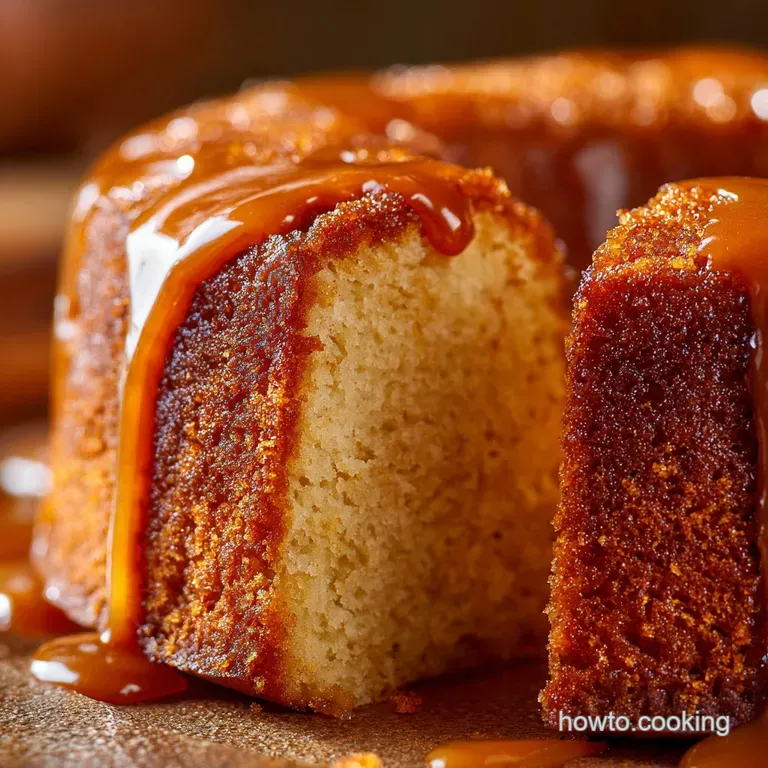
When you use brown sugar specifically dark brown sugar you introduce molasses, which is the secret MVP for achieving that crazy rich, tender crumb we’re after in this Brown Sugar Pound Cake with Butterscotch Glaze .
This isn't just about sweetness; it’s about depth. As the cake bakes, your entire kitchen will fill with the most gorgeous, deeply spiced caramel aroma, totally different from a standard vanilla cake.
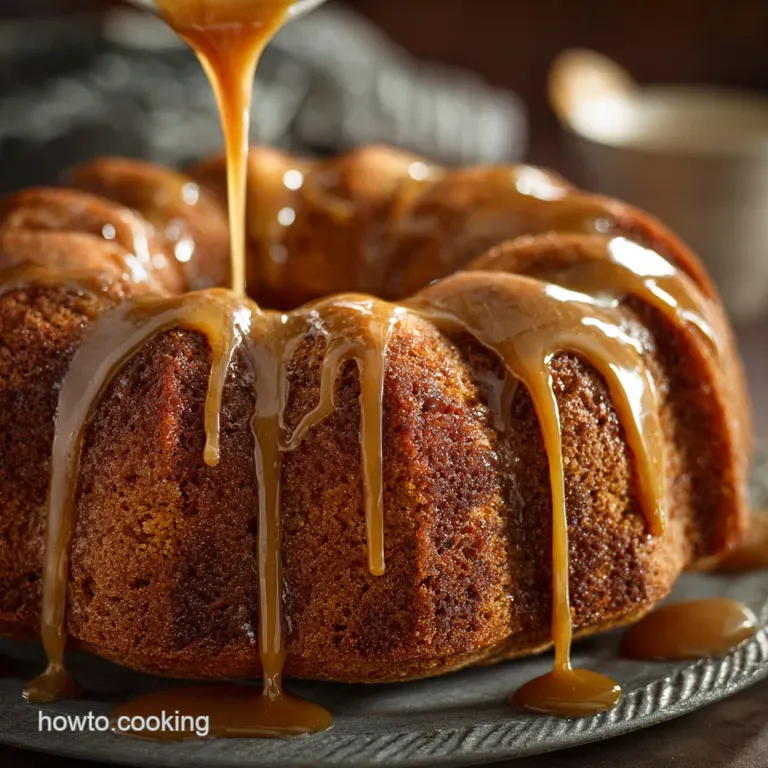
That deep, earthy color of the finished Brown Sugar Pound Cake signals the intense flavor inside, promising a dense but moist slice every time. We are making a cake that tastes like pure caramelized comfort, and trust me, once you go dark sugar, you won’t look back at the pale stuff.
The Secret to Superior Moisture: Why Brown Sugar Changes Everything
The brilliance of swapping standard granulated sugar for brown sugar lies in the science. Brown sugar is hygroscopic, meaning it holds onto moisture far better than its white counterpart, which is absolutely crucial for a cake that bakes for over an hour.
This molasses content ensures that even with the long baking time required for this hefty Brown Sugar Pound Cake Recipe , the interior remains incredibly luscious, almost melting in your mouth.
You’ll notice the batter itself is heavier and richer from the start that’s the moisture doing its job.
Comparing Dark vs. Light Brown Sugar for Baking Success
This is where you need to be precise. You absolutely can use brown sugar in pound cake, but you should reach for the dark stuff here. Light brown sugar has less molasses (about 3.5%), which gives you a subtle caramel note, but dark brown sugar packs about 6.5% molasses.
That extra boost of dark, sticky syrup translates into a more dramatic flavor think true toffee and treacle notes and significantly better moisture retention. If you use light brown, the cake will still be good, but it won’t achieve that deep, moody color or that intense caramel flavor necessary for a true Brown Sugar Caramel Pound Cake .
Identifying the Key Stages for Creaming Butter and Sugar
The creaming stage is the foundational step for any proper pound cake and it’s non-negotiable for lift. You need 1 cup of truly softened butter and 1 ½ cups of packed dark brown sugar, and you must let the stand mixer run on medium high for 5 to 7 full minutes.
I learned the hard way that stopping too early gives you a brick. The mixture should transform from a dense, grainy mass into something light, airy, and noticeably paler it won’t look white, given the brown sugar, but it will certainly lighten up significantly.
This process whips air into the fat, which expands in the oven, giving your cake its structure and preventing it from becoming dense later on.
Gathering Your Supplies: The Non-Negotiables for This Recipe
This recipe is simple, but it demands respect for the details. Before you even touch the mixer, get everything out. I’m serious; line it all up on the counter. The difference between an okay cake and an incredible one is usually the prep work.
Ingredient Temperature Matters: Dairy and Eggs Explained
This is my #1 personal tip: room temperature means room temperature . If your butter is still slightly cold, it won’t cream properly with the sugar, leading to poor emulsification and a less fluffy outcome.
For your 5 large eggs and the ½ cup of milk (or cream, for extra richness), they should be slightly cool to the touch but definitely not fridge cold. If you need a quick fix, put the eggs in a bowl of warm (not hot!) water for 5 minutes, and microwave your dairy for about 10 seconds.
When you add cold eggs to beautifully creamed butter and sugar, the fat seizes up instantly, ruining all that air you just worked so hard to incorporate.
Prepping Your Pan: The Critical Step for Clean Release
Trying to pry a stubborn cake out of a beautiful Bundt pan is heartbreaking, especially after 80 minutes of baking. For this brown sugar bundt cake with butterscotch glaze , you must prep meticulously.
I recommend using Baker’s Joy (the spray with flour already in it) or, if you’re old school, use melted butter and a spoonful of flour, making sure you dust every single ridge and crevice of that pan.
Give the pan a good tap upside down over the sink to remove excess flour; otherwise, you'll end up with ghostly white patches on the finished crust.
Kitchen Gadgets That Guarantee Professional Results
You don't need fancy equipment, but a few things make this way easier. A stand mixer (or a powerful hand mixer) is crucial for the 7-minute creaming stage you need consistent power, not arm strength. Next,, get an oven thermometer.
I swear by mine because my oven runs 25 degrees cold, and baking this cake at the wrong temperature for over an hour will either burn the outside or leave the middle raw, leading to disaster.
Finally, a kitchen scale is brilliant for accurately measuring the 3 cups of flour (360g), ensuring you don’t accidentally scoop too much and end up with a dry cake.
Related Recipes Worth Trying
- Glazed Carrot Coconut Bread UltraMoist Loaf with Coconut Glaze — Our Glazed Carrot Coconut Bread is an absolute corker Incredibly moist thanks to a genius Greek yogurt trick this Carrot Bread Recipe is finished with a...
- Leftover Lifesaver Creamy Turkey Pot Pie Soup with Flaky Drop Biscuits — The ultimate comfort meal This creamy Turkey Pot Pie Soup uses up leftover turkey and skips the fuss of rolling pastry Rich herby and served with quick drop...
- Creamy Sweetheart Chicken Hand Pies with Leek Tarragon — These Sweetheart Chicken Hand Pies are creamy comforting British classics reinvented Encased in golden flaky pastry they are perfect savoury heart hand pies...
Mastering the Batter: step-by-step Assembly and Baking
Once your ingredients are prepped and your butter and sugar are beautifully airy (pale, voluminous, almost like stiff meringue peaks), you’re ready to build the batter. This is the stage where you introduce the structure (flour) and the final moisture (dairy).
First, add your 5 eggs one at a time, beating well after each addition until just combined don’t overbeat here. Then, reduce your mixer to the absolute lowest speed. We’re going to alternate the 3 cups of dry ingredients (flour, baking powder, salt) with the ½ cup of room temp milk/cream.
Start and end with the flour. So, 1/3 flour, 1/2 liquid, 1/3 flour, remaining liquid, remaining flour. This method helps maintain the batter's emulsion, keeping the final product tender.
As soon as the last streaks of flour disappear, stop the mixer . Seriously, just stop. You should immediately scrape down the sides with a rubber spatula, giving it one last, gentle fold by hand just to ensure no dry pockets remain.
This batter will feel thick, heavy, and velvety smooth a beautiful, dense texture that promises a hearty slice. Scrape it into your prepared pan, tap it on the counter once or twice to settle it, and slide it into that 325°F (160°C) oven for the long bake.
Crafting the Sticky Butterscotch Glaze for Brown Sugar Pound Cake
This glaze is what turns a lovely cake into a showstopper. It sets up beautifully slightly sticky and chewy on the outside, a perfect complement to the rich crumb. It’s also incredibly fast to make while the cake is cooling.
Integrating the Wet and Dry Ingredients Without Overmixing
The key to a light pound cake crumb is keeping the gluten development minimal during the mixing process. Since we only want a Brown Sugar Pound Cake that’s tender, not tough, we use the alternating method (beginning and ending with flour) to hydrate the flour gradually.
This prevents the formation of long, elastic gluten strands. Once the dry mixture is incorporated in the fifth and final step, those few, short beats on the lowest speed are just enough to mix it, avoiding the dreaded overmix that leads to a rubbery final result.
Baking Time Variables and Using the Clean Toothpick Test
Baking a large, heavy cake like this Sticky Butterscotch Drizzle Cake always takes a long time, usually 70– 80 minutes in a Bundt pan, perhaps slightly longer in a loaf pan. Don’t trust the clock alone! Around the 65-minute mark, you should test it.
Insert a long wooden skewer or toothpick deep into the cake, avoiding the central heat core (which will cook faster). If it comes out completely clean or with just a few moist crumbs attached, you’re golden. If you see wet batter, keep baking and check every 5 minutes.
The exterior crust should be a deep mahogany brown, firm to the touch, and smell wonderfully caramelized.
Troubleshooting a Glaze That Won't Thicken
If you make your glaze with the 4 tbsp butter, ½ cup dark brown sugar, and 3 tbsp heavy cream, it should naturally thicken perfectly as it cools. If, however, after removing it from the heat and stirring in the cream and salt, it looks too runny don’t panic!
This usually means you didn't simmer the sugar mixture long enough in step two. The sound of that mixture bubbling and reducing for one minute is essential for concentrating the sugar.
If it’s too thin, return the pan to low heat and add half a teaspoon of powdered sugar (or cornstarch mixed with a tiny drop of water) and whisk vigorously until the mixture looks glossier and slightly thicker.
Applying the Drizzle: Hot Cake vs. Cool Cake Application
Timing is critical for the glaze for brown sugar pound cake. The cake needs to cool in the pan for exactly 15 minutes to firm up before inverting it onto a wire rack.
I prefer pouring the glaze over the cake when it’s slightly warm maybe 15– 20 minutes after it’s been inverted. If the cake is piping hot, it will absorb all the glaze, losing that beautiful, sticky shell.
If it’s totally cold, the glaze might set too quickly and look dull. Warm cake + warm glaze ensures a gorgeous, glossy coating that drips perfectly down the sides.
Recipe Troubleshooting, Variations, and Advanced Serving Suggestions
You nailed the Brown Sugar Pound Cake with Butterscotch Glaze ! But what if something went wrong, or you want to mix it up next time?
How to Fix a Cake That Sinks in the Middle
If your cake sinks dramatically after you pull it out of the oven, it’s almost always for one of two reasons: underbaking or opening the oven door too early. A dense cake like this needs that full cooking time to build structure.
If you pull it too soon, the center (the last part to cook) still contains unset batter and collapses. Solution: Trust the toothpick test and the temperature (205°F internal). If the sinking happens early in the baking process, it could be that your butter or sugar were not creamed long enough, meaning the batter lacked the structural air needed to support its weight.
Storage Methods for the Ultimate Brown Sugar Pound Cake with Butterscotch Glaze
Because this is a very moist cake thanks to the brown sugar, it keeps wonderfully. Store any leftovers at room temperature for up to 4 days, covered tightly in an airtight container or wrapped in plastic wrap. You don't need to refrigerate it unless you live somewhere extremely hot and humid.
If you want to freeze slices, wait until the glaze has fully set, wrap individual slices tightly in plastic, then aluminum foil, and they will keep for up to 3 months. Thaw overnight at room temperature.
Swapping Out Ingredients: Creative Glaze Alternatives
While the sticky butterscotch glaze is incredible, maybe you want a different twist for your Brown Sugar Caramel Pound Cake .
| Glaze Alternative | Key Swap | Flavor Profile |
|---|---|---|
| Bourbon Glaze | Substitute 1 tbsp heavy cream with Bourbon/Whiskey | Smoky, slightly boozy, adult finish |
| Maple Cream Glaze | Use Maple Syrup instead of heavy cream (thinning with milk) | Rustic, autumnal, pairs well with pecans |
| Salted Chocolate Drizzle | Melt dark chocolate with heavy cream and a pinch of flaky salt | Intense richness, cuts the sweetness |
Pairing Perfection: Recommended Beverages and Toppings
This cake is rich, so it needs a strong partner. I love serving it with a robust, dark roast filter coffee the bitterness of the coffee beautifully balances the intense caramel sweetness of the cake and the glaze. If you’re hosting for dessert, try a glass of chilled Tawny Port.
For non-alcoholic options, a strong English breakfast tea or even a slightly tart raspberry iced tea works perfectly. Don't forget the toppings: A small dollop of crème fraîche or some barely sweetened whipped cream provides an essential, cool contrast to the sticky glaze.
Recipe FAQs
I’m worried about my Brown Sugar Pound Cake with Butterscotch Glaze turning out dry. What’s the secret to keeping it exceptionally moist?
The cardinal rule of pound cake is precision: ensure your butter and eggs are truly room temperature for optimal emulsification, which traps moisture. More importantly, mix the flour only until just combined; over mixing develops gluten, leading to a tough, dense crumb a proper baking tragedy!
My butterscotch glaze didn't set properly, or it seized up like concrete. What went wrong?
If the glaze is too runny, you likely didn't boil the sugar mixture long enough aim for a full minute after it reaches a rolling boil to concentrate the sugars. If it seized, you either overheated it or added the cream too quickly; the trick is to remove it from the heat before whisking in the cream slowly.
How long does this rich cake last, and should I stick it in the fridge once it's glazed?
This dense pound cake keeps beautifully at room temperature, airtight, for 3 to 4 days, which is perfect for lingering over afternoon tea. Refrigeration tends to dry out the crumb quickly, so only chill it if you need it to last up to a week.
75 minutes feels like ages! How do I know for sure that my cake is baked through without burning the edges?
Baking time varies hugely, so trust your oven thermometer and the skewer test; the cake is ready when the internal temperature hits 205 210°F. If the top starts browning too aggressively before the inside is done, fashion a little foil 'hat' to loosely cover it for the remainder of the bake.
Can I use a standard loaf tin instead of a Bundt pan, and what if I only have light brown sugar?
Absolutely, a standard 9x5 inch loaf tin works perfectly, though you might need to add 5 10 minutes to the baking time. While dark brown sugar is best for that intense treacly flavour, light brown sugar is a fine substitute, yielding a slightly milder, less rich result.
Brown Sugar Pound Cake Sticky Butterscotch
Ingredients:
Instructions:
Nutrition Facts:
| Calories | 1075 kcal |
|---|---|
| Protein | 5.4 g |
| Fat | 29.6 g |
| Carbs | 58.8 g |
| Fiber | 0.0 g |
| Sugar | 29.3 g |
| Sodium | 16 mg |
