Caramelized Roasted Vegetables
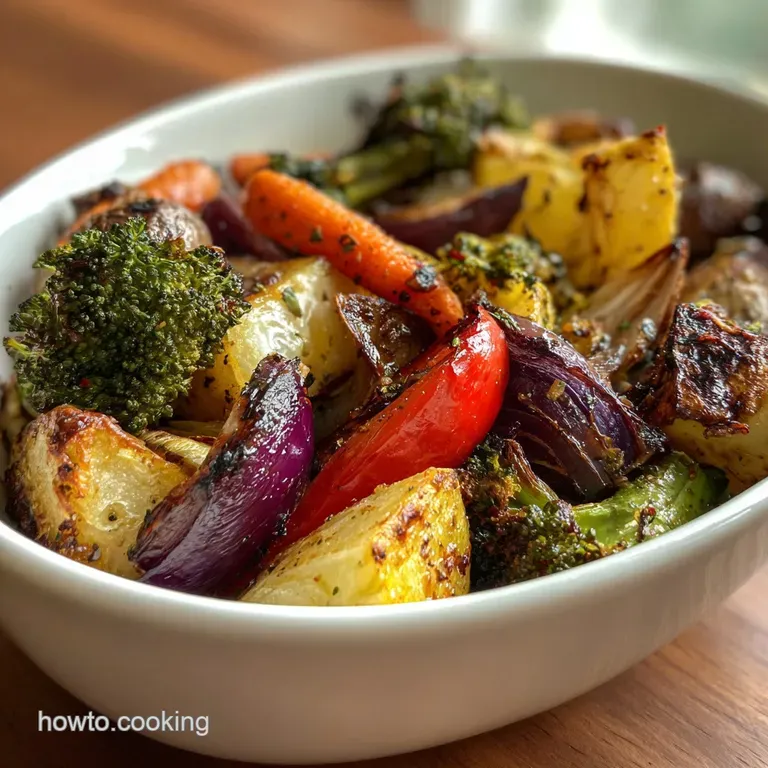
- Time: Active 15 minutes, Passive 25 minutes, Total 40 minutes
- Flavor/Texture Hook: Crispy charred edges with tender, velvety centers
- Perfect for: Wholesome family dinners and nutrient dense meal prep
- The Secret to Perfectly Golden Roasted Vegetables
- The Science of High Heat Roasting
- Ingredient Breakdown and Science Roles
- Essential Ingredients for Nutrient Rich Trays
- The Best Tools for Even Cooking
- Step by Step for Nutritious Results
- Solving Common Texture and Heat Issues
- Adjusting Portions for Larger Family Meals
- Debunking Common Oven Roasting Beliefs
- Flavor Variations and Smart Ingredient Swaps
- Storage Strategies and Zero Waste Ideas
- Ways to Plate Your Colorful Harvest
- Recipe FAQs
- 📝 Recipe Card
The Secret to Perfectly Golden Roasted Vegetables
There is a specific sound that happens when you pull a sheet pan out of a 425°F oven a frantic, rhythmic hiss as the vegetables hit the cooler air. I remember the first time I truly mastered this; I had always been too afraid of "burning" things, so I’d pull the tray out when the onions were merely translucent.
But then I visited a small bistro in Vermont where the carrots arrived almost blackened on the tips but candy sweet inside. It was a revelation. I realized that the "char" isn't a mistake; it’s where the soul of the dish lives.
Now, whenever I prepare a batch of these, the aroma of smashed garlic and dried oregano filling the kitchen feels like a warm hug. It’s the kind of scent that brings the kids running to the kitchen island, picking off the crispy broccoli florets before I even get the tray to the table.
We’ve moved away from mushy, boiled sides in our house, focusing instead on bringing out the natural sugars through over high heat concentration. This sheet pan roasted vegetables method is my go to because it is forgiving, wholesome, and reinforces the confidence of any home cook looking to provide a flavorful, vegetable forward meal.
We are going for a texture that offers a definitive shatter on the outside while remaining buttery within. By balancing the density of baby potatoes and carrots with the quick cooking nature of bell peppers and broccoli, you create a symphony of textures.
It is about understanding how heat moves through different plant cells, and once you grasp that, you'll never look at a raw parsnip the same way again.
The Science of High Heat Roasting
Understanding the physics of your oven helps you move from following a recipe to truly cooking with intuition.
- Maillard Reaction: At temperatures above 285°F, proteins and sugars rearrange to create hundreds of new flavor compounds and that signature brown crust.
- Cellular Dehydration: High heat evaporates surface moisture rapidly, allowing the vegetables to roast in the oil rather than steam in their own juices.
- Starch Gelatinization: The interior starches in the potatoes and parsnips absorb internal moisture and swell, creating a soft, mashed potato like texture inside a rigid exterior.
- Pectin Breakdown: Heat weakens the "glue" holding plant cells together, which is why a fibrous carrot becomes tender enough to smash with a fork.
| Method | Time | Texture | Best For |
|---|---|---|---|
| Stovetop Sauté | 15 minutes | Soft with localized browning | Quick weeknight side dishes |
| Standard Oven Roast | 25 minutes | Even caramelization and crisp skin | Large family meals and prep |
| Air Fryer | 12 minutes | Ultra crispy but smaller batches | Single servings or snacks |
When choosing the best vegetables to roast together, it is vital to consider their water content. Denser vegetables like potatoes need a head start or a smaller dice to ensure they finish at the same time as the more delicate greens.
Ingredient Breakdown and Science Roles
| Ingredient | Science Role | Pro Secret |
|---|---|---|
| Baby Potatoes | Provide structural starch | Halve them and place cut side down for maximum browning. |
| Extra Virgin Olive Oil | Conducts heat and prevents sticking | Use a high-quality oil for better polyphenol flavor retention. |
| Balsamic Vinegar | Acid balances the earthy sweetness | Add this in the final minutes to prevent the sugars from burning too early. |
| Smashed Garlic | Infuses the oil with aromatics | Keep the skins on if you want a milder, roasted garlic paste. |
Selecting the right fat is just as important as the produce itself. While some prefer butter, I find that olive oil provides a higher smoke point and a more wholesome fat profile for everyday family cooking. If you are looking for a pairing, this earthy profile goes beautifully with a PanSeared Mediterranean Cod recipe.
Essential Ingredients for Nutrient Rich Trays
Creating a balanced tray of roasted vegetables in oven requires a mix of textures and colors to ensure every bite is interesting.
- 1 lb baby potatoes, halved: The hearty base of the dish. Why this? They hold their shape and develop a beautiful crispy skin.
- Substitute: Cubed sweet potatoes for a higher vitamin A content.
- 3 large carrots, peeled and sliced into 1/2 inch diagonals: Natural sweetness. Why this? Diagonals increase surface area for more caramelization.
- Substitute: Butternut squash chunks offer a similar sweetness.
- 1 large parsnip, sliced into half moons: Adds a complex, peppery undertone. Why this? Parsnips become incredibly creamy when roasted.
- Substitute: Turnips or rutabaga for a more pungent, earthy flavor.
- 1 large red bell pepper, cut into 1 inch chunks: Provides a juicy, bright contrast. Why this? Peppers soften quickly and add a splash of color.
- Substitute: Yellow or orange peppers work identically.
- 1 medium red onion, cut into 1/2 inch wedges: The aromatic powerhouse. Why this? Red onions turn sweet and jammy in high heat.
- Substitute: Shallots for a more delicate, gourmet touch.
- 1 head of broccoli, cut into bite sized florets: For those crispy, "burnt" tree tops. Why this? The florets act like sponges for the roasted vegetables seasoning.
- Substitute: Cauliflower florets for a nuttier finish.
- 3 tbsp extra virgin olive oil: The heat conductor.
- Substitute: Avocado oil for an even higher smoke point.
- 1 tsp dried oregano, 1 tsp sea salt, 1/2 tsp cracked black pepper: The foundational seasoning.
- Substitute: Dried thyme or rosemary for a woodier aroma.
- 4 cloves garlic, smashed: Essential for deep umami.
- Substitute: 1 tsp garlic powder if fresh is unavailable.
- 2 tbsp balsamic vinegar: The bright finish.
- Substitute: Apple cider vinegar with a pinch of sugar.
The Best Tools for Even Cooking
For the most flavorful and crispy roasted vegetables, your equipment choice matters more than you might think. A flimsy, thin baking sheet will warp under high heat, leading to uneven oil distribution and "hot spots" where some veggies burn while others remain raw.
Chef's Tip: Place your empty baking sheet in the oven while it preheats. When you toss the vegetables onto the hot metal, they start searing instantly, preventing the dreaded "soggy bottom" syndrome.
I highly recommend using a heavy duty, rimmed half sheet pan. The rim is crucial because it allows you to toss the vegetables halfway through without losing a rogue carrot to the floor. Plus,, a sharp chef's knife is non negotiable; uniform cuts mean uniform cooking.
If your potatoes are twice the size of your carrots, one will be hard while the other is mush. Precision prep leads to kitchen confidence.
step-by-step for Nutritious Results
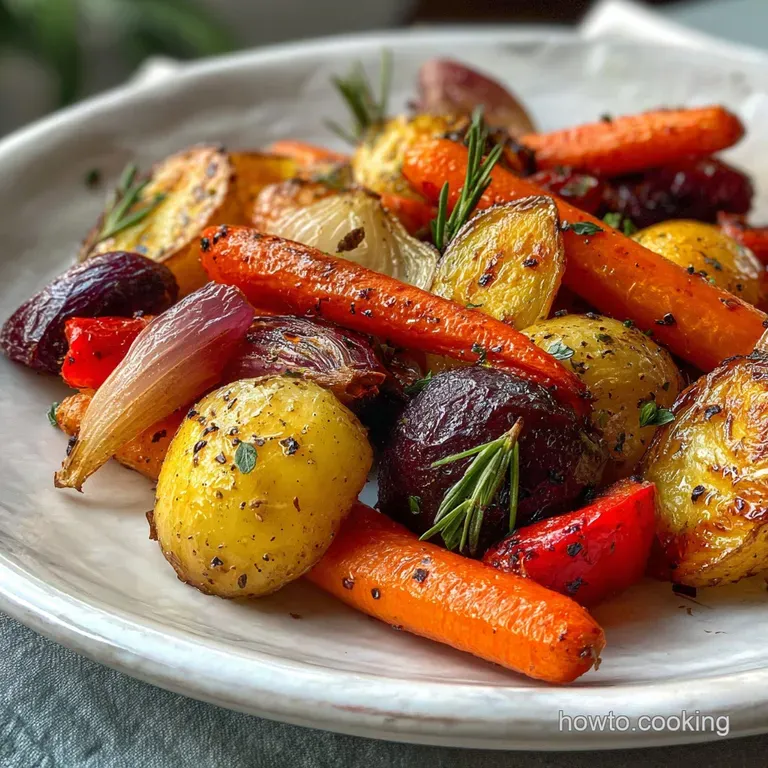
- Heat the oven. Set your rack to the center and preheat to 425°F. Note: This high temperature is the key to achieving a roasted vegetables recipe that isn't just "baked."
- Prep the roots. Halve 1 lb baby potatoes and slice 3 large carrots and 1 large parsnip.
- Chop the rest. Cut 1 large red bell pepper into chunks, 1 red onion into wedges, and break 1 head of broccoli into florets.
- Toss with oil. Place all vegetables (except the broccoli and peppers if you want them less charred) in a large bowl and coat with 3 tbsp olive oil.
- Apply seasoning. Sprinkle with 1 tsp sea salt, 1/2 tsp pepper, and 1 tsp dried oregano. Add 4 smashed garlic cloves.
- Arrange the pan. Spread everything in a single layer on the baking sheet. Ensure no two vegetables are touching to avoid steaming.
- Initial roast. Roast for 15 minutes until the potatoes begin to turn golden.
- The Flip. Use a spatula to turn the vegetables, ensuring the other sides get contact with the hot pan.
- The Glaze. Drizzle with 2 tbsp balsamic vinegar and return to the oven for 10 minutes until the edges are charred and the potatoes are fork tender.
- Rest and serve. Let the tray sit for 2 minutes; this helps the vegetables release from the pan easily.
Solving Common Texture and Heat Issues
Why Your Vegetables Are Soggy
If your vegetables come out limp rather than crispy, it’s usually a moisture management issue. If you wash your broccoli or peppers right before throwing them on the pan, that residual water turns into steam. Always pat your produce completely dry with a kitchen towel.
On top of that,, overcrowding the pan is the most common mistake; if the steam can't escape, the vegetables will just boil in their own juices.
| Problem | Root Cause | Solution |
|---|---|---|
| Burnt Garlic | Added too early or chopped too fine | Use whole smashed cloves or add minced garlic in the last 10 minutes. |
| Hard Potatoes | Cut too large compared to other veggies | Slice potatoes smaller or par boil them for 5 minutes before roasting. |
| Bitter Broccoli | Over charred florets | Add broccoli halfway through the cook time to preserve color and flavor. |
If you find yourself with extra green beans instead of broccoli, you might want to try a different technique, like my Garlic Butter Green Beans recipe, which focuses on a quicker stovetop sear.
Common Mistakes Checklist
- ✓ Never skip the preheat a cold oven leads to greasy, oil soaked vegetables.
- ✓ Avoid using parchment paper if you want maximum crispiness; direct metal contact is superior.
- ✓ Don't use too much oil; 3 tablespoons for this volume is plenty to coat without drowning.
- ✓ Give the pan a firm shake halfway through to prevent sticking and ensure even browning.
Adjusting Portions for Larger Family Meals
Scaling this easy roasted vegetables recipe is simple, but it requires a bit of math to keep the textures right.
- Scaling Down (1/2 batch): Use a smaller quarter sheet pan. Reduce the total cook time by about 5 minutes, as a less crowded pan will circulate heat faster.
- Scaling Up (2x or more): Do not try to fit everything on one tray. Use two separate baking sheets and rotate them between the top and bottom racks halfway through. For spices, you only need to increase them by 1.5x to avoid over salting, but keep the oil ratio consistent.
- The "Crowd" Rule: If you are doubling the recipe for a holiday, remember that the more items in the oven, the more moisture is released. You may need to increase the cook time by 10 minutes to compensate for the drop in oven temperature.
Debunking Common Oven Roasting Beliefs
Many believe that "healthy" means avoiding oil entirely. In reality, roasting vegetables without a fat source leads to leathery, dehydrated skin rather than a crispy roasted vegetables texture. The oil acts as a heat transfer medium, allowing the oven's energy to penetrate the vegetable's surface effectively.
Another myth is that you must peel everything. I find that leaving the skins on carrots and baby potatoes not only saves time but adds a rustic, wholesome texture and preserves the nutrients located just under the surface. Just ensure a good scrub with a vegetable brush beforehand.
Flavor Variations and Smart Ingredient Swaps
If you want to keep things budget friendly, look at what is in season. Roasted vegetables with balsamic glaze are classic, but the glaze can be swapped for a drizzle of honey or maple syrup for a different kind of sweetness.
| Premium Ingredient | Budget Alternative | Flavor Impact |
|---|---|---|
| Fresh Rosemary | Dried Oregano | Dried is more concentrated; use less for an earthy, savory punch. |
| Aged Balsamic | Apple Cider Vinegar + Sugar | ACV provides the tang; the sugar adds the necessary caramelization. |
| Pine Nuts (Garnish) | Toasted Sunflower Seeds | Adds a similar crunch for a fraction of the cost. |
- If you want a Mediterranean vibe, swap the oregano for za'atar and serve with a dollop of Greek yogurt.
- If you want a Spicy kick, toss the veggies in a teaspoon of red pepper flakes before roasting.
- If you want a Cheesy finish, sprinkle with nutritional yeast or parmesan in the last 2 minutes.
Storage Strategies and Zero Waste Ideas
Leftover sheet pan roasted vegetables are a gift to your future self. They stay fresh in the fridge for up to 4 days when kept in a glass, airtight container. To reheat, avoid the microwave, which will make them rubbery.
Instead, toss them back onto a hot skillet for 3 minutes or into a toaster oven to revive that crunch.
Zero Waste Tip: Don't throw away the ends of your carrots, the onion skins, or the woody stems of the broccoli. Keep a "stock bag" in your freezer. Once it's full, simmer those scraps with water and a bay leaf for a nutritious, homemade vegetable broth.
Even the potato peels can be tossed in oil and salt and air-fried for a quick snack!
Ways to Plate Your Colorful Harvest
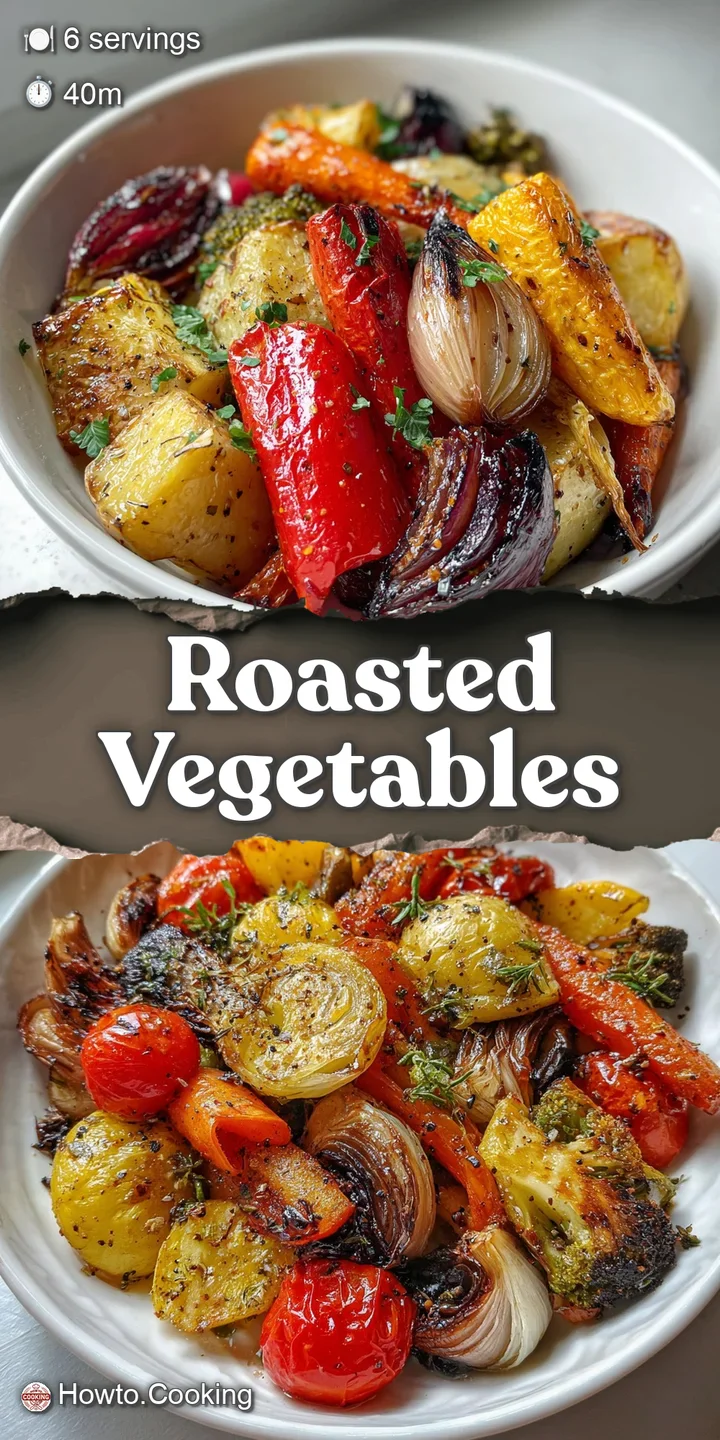
Presentation is the final step in building confidence in the kitchen. I love serving these on a large, warmed ceramic platter rather than straight from the pan. The contrast of the deep red onions against the bright green broccoli and orange carrots is stunning.
For a complete meal, serve these alongside a protein rich main. They pair beautifully with a roasted chicken or even a simple bowl of quinoa. If you're feeling adventurous, you can even toss the leftovers into a frittata the next morning.
The concentrated sugars in the roasted vegetables and potatoes add a depth to eggs that raw veggies simply can't match. Whatever you do, make sure to scrape all those little caramelized bits the "fond" off the baking sheet. That’s the cook’s treat!
Recipe FAQs
What is the secret to roasting vegetables?
High, dry heat (425°F or higher) and avoiding overcrowding the pan. The secret lies in achieving the Maillard reaction, which creates the sweet, caramelized crust, rather than steaming the vegetables.
What type of vegetables are best for roasting?
Root vegetables, cruciferous vegetables, and dense alliums roast best. Look for items like potatoes, carrots, parsnips, broccoli, and onions, as they withstand high heat while concentrating their natural sugars.
What seasoning is good on roasted vegetables?
A simple blend of sea salt, cracked black pepper, dried oregano, and smashed garlic is ideal. This foundation enhances the vegetables' natural sweetness before finishing with a drizzle of acid, like balsamic vinegar.
What is the best temperature to roast vegetables at in the oven?
425°F is the optimal temperature for crisp exterior and tender interior. This high heat quickly evaporates surface moisture, encouraging browning and caramelization, rather than just baking them soft.
How to ensure dense vegetables like potatoes cook evenly with quick cooking ones like broccoli?
Cut dense vegetables smaller or give them a head start in the oven. Halve baby potatoes and slice carrots into uniform, thinner diagonals so they finish cooking at the same time as the quicker cooking florets.
Is it true I must use a rimmed sheet pan for roasting?
No, this is a common misconception, but a rimmed pan is highly recommended. The rim prevents pieces from falling off when tossing, and a heavy duty pan conducts heat more evenly than thin metal, which is key for success, much like achieving perfect texture in The Loaded Steak recipe.
How to prevent my roasted vegetables from becoming soggy after cooking?
Ensure vegetables are completely dry before oiling and avoid overcrowding the pan. If vegetables touch, they release steam that condenses between them, causing them to steam instead of roast; use two pans if necessary to keep everything in a single layer.
Caramelized Roasted Vegetables
Ingredients:
Instructions:
Nutrition Facts:
| Calories | 199 kcal |
|---|---|
| Protein | 4.6 g |
| Fat | 7.1 g |
| Carbs | 31.2 g |
| Fiber | 6.8 g |
| Sugar | 7.4 g |
| Sodium | 415 mg |
