Chicken Pot Pie Casserole Recipe
- Time: Active 15 minutes, Passive 30 minutes, Total 45 minutes
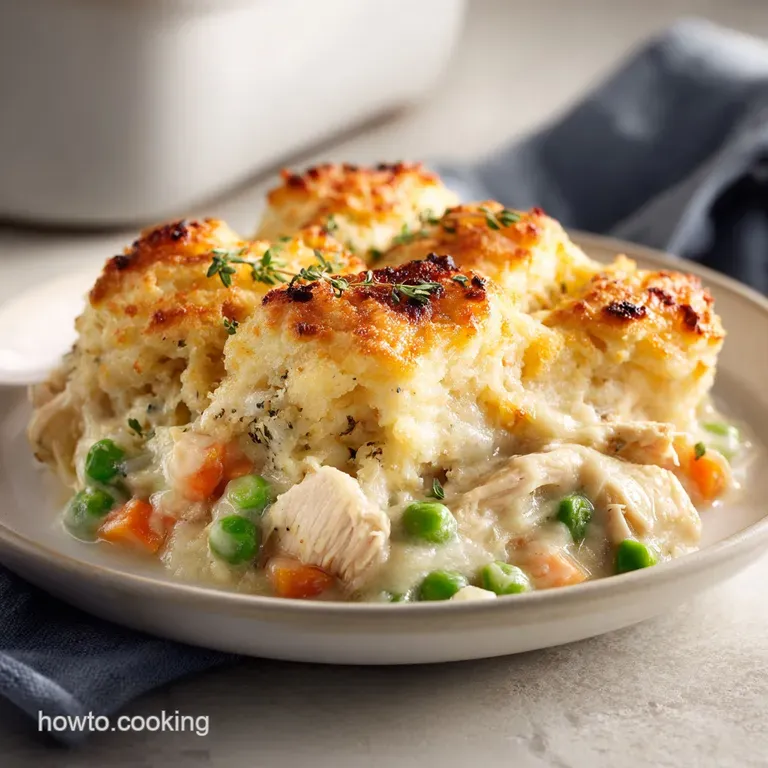
- Flavor/Texture Hook: Velvety herb gravy under a shatter crisp biscuit crown
- Perfect for: Stressful weeknight dinners or serving a crowd with confidence
- Why You'll Love This Chicken Pot Pie Casserole
- Essential Recipe Specs and Timing
- Ingredient Analysis and Pro Secrets
- Equipment Needed for Seamless Prep
- Step-by-Step Instructions for Perfect Results
- Troubleshooting Your Pot Pie Casserole
- Simple Dietary and Budget Adaptations
- Storage Strategies and Zero Waste
- Perfect Complements for This Casserole
- High in Sodium
- Recipe FAQs
- 📝 Recipe Card
Why You'll Love This Chicken Pot Pie Casserole
Imagine walking through your front door after a long, grey afternoon and being hit by the scent of simmering thyme and savory onions. There’s a specific sound when you pull this dish out of the oven the soft hiss of the gravy bubbling up against the edges of those golden brown biscuits.
That first spoonful through the crust creates a literal shatter that reveals a velvety, steaming center. It’s the kind of meal that makes everyone at the table go silent for a second, just to appreciate that first bite of pure comfort.
I remember one Tuesday when everything that could go wrong, did. The car wouldn't start, I missed a deadline, and the rain was relentless. I had a rotisserie chicken in the fridge and a bag of frozen peas, and honestly, I just wanted a hug in a bowl. This recipe was born from that need for simplicity and warmth.
We aren't making a fussy pastry from scratch here; we're using smart shortcuts to get to the good part faster. You’ll find that this version is actually more satisfying than the frozen ones we grew up on because the sauce is real, the vegetables still have a snap, and the biscuits soak up just enough gravy to stay fluffy on top but tender underneath.
We've all been there trying to make a "quick" meal that ends up taking two hours and leaving the kitchen a disaster. This is the opposite. It’s a confident, wholesome approach to a classic that respects your time without sacrificing the richness of a home cooked meal.
You’re going to love how the heavy cream rounds out the savory chicken stock, and how the rubbed sage adds that tiny hint of "Sunday dinner" nostalgia to every single mouthful. Trust me, once you see those flaky layers rise in the oven, you'll never go back to the boxed stuff.
Essential Recipe Specs and Timing
Before we start sautéing, let’s look at the logistics. This isn’t a project that requires a whole afternoon; it’s a streamlined process designed for efficiency. Knowing your checkpoints helps you move through the kitchen with confidence rather than chaos.
The Mechanics of Starch Thickening: When you whisk flour into melted butter, you're coating starch granules in fat to prevent clumping. As the chicken stock heats up, these granules swell and burst, creating a stable, silky network that thickens the gravy perfectly.
| Method | Time | Texture | Best For |
|---|---|---|---|
| Biscuits (Quick) | 30 minutes | Flaky, airy layers | Fast weeknight dinners |
| Puff Pastry (Classic) | 40 minutes | Buttery, shatter crisp | Special family gatherings |
| Pie Crust (Traditional) | 45 minutes | Dense, shortbread like | Old-fashioned nostalgia |
If you are looking for a slightly different take on this comfort classic, you might also enjoy my How to Bake recipe which uses a similar velvety base for a different flavor profile.
When it comes to timing, precision is your best friend. Make sure your oven is preheated to 400°F (200°C) before the casserole even touches the rack. I’ve found that a 15 minute prep window is plenty if you have your shredded rotisserie chicken ready to go.
The 30 minute bake time is split — 20 minutes for the filling to reach a simmer and 10 minutes for the biscuits to reach that deep, mahogany gold we’re after.
Ingredient Analysis and Pro Secrets
The beauty of a budget smart recipe is knowing which ingredients do the heavy lifting. We aren't just tossing things in a pan; we're building layers of flavor. Using a rotisserie chicken is my favorite secret it’s already seasoned and perfectly tender, saving you at least 45 minutes of roasting time.
| Ingredient | Science Role | Pro Secret |
|---|---|---|
| Heavy Cream | Emulsifier and fat source | Add at the very end to prevent curdling |
| All Purpose Flour | Binding agent for roux | Toast it in butter for 2 mins to remove the raw grain taste |
| Low Sodium Stock | Liquid base for hydration | Use room temp stock to avoid a lumpy sauce |
| Rubbed Sage | Aromatic oil release | Rub it between your palms to "wake up" the oils |
For the filling, 4 cups of shredded chicken provides the protein structure, while the 2 cups of frozen peas and carrots add a much needed pop of sweetness and color. Don't skip the corn kernels; they add a tiny crunch that contrasts beautifully with the silky gravy.
Chef's Note: For a deeper flavor, add a teaspoon of soy sauce to your gravy. It sounds wild, but the salt and umami in the soy sauce mimic the depth of a long simmered bone broth without the extra hours of work.
If you happen to have leftover herbs, this is a great time to use them. While the recipe calls for dried thyme and sage, fresh herbs can be used at a 3:1 ratio (three times as much fresh as dried). The goal is a filling that feels substantial, not soupy.
We want every bite to be a balance of tender meat and vibrant vegetables.
Equipment Needed for Seamless Prep
You don't need a professional kitchen to pull off a spectacular chicken pot pie casserole. A few basic tools, used correctly, will make the process feel effortless. I always recommend a heavy bottomed skillet or a Dutch oven for the sauce.
- 9x13 Inch Baking Dish: This provides enough surface area for the 16 oz of biscuits to spread out and brown evenly without crowding.
- Whisk: Essential for incorporating the 1/2 cup of flour into the butter to ensure your roux is perfectly smooth.
- Large Skillet: A 12 inch skillet works best for sautéing the diced onion and garlic before adding the liquids.
- Silicone Spatula: Great for scraping every last drop of that velvety gravy into the baking dish.
Having everything laid out before you turn on the stove is what I call "kitchen confidence." It prevents that frantic searching through the junk drawer for a measuring spoon while your garlic is browning. Right then, let's look at what we’re putting into this dish.
Ingredients & Substitutes
- 4 cups shredded chicken: You can swap this for 4 cups of cooked turkey or even 3 cups of chickpeas for a vegetarian twist.
- 2 cups frozen peas and carrots: Fresh diced carrots and blanched peas work, though they take longer to soften.
- 1 cup corn kernels: Try canned corn (drained) or even lima beans if you like that southern flair.
- 1/2 cup unsalted butter: Salted butter works too, just reduce the added salt by 1/4 tsp.
- 1/2 cup all purpose flour: A 1:1 gluten-free flour blend works surprisingly well here.
- 2 cups low sodium chicken stock: Vegetable broth is a fine substitute. Why this? Keeps the sodium levels under control while providing the main liquid body.
- 1/2 cup heavy cream: Full fat coconut milk or whole milk with an extra tablespoon of butter. Why this? Provides the "velvety" mouthfeel that defines a great pot pie.
- 16 oz refrigerated flaky biscuits: You can use 1 lb of frozen puff pastry or even a homemade drop biscuit dough. Why this? The "flaky layers" variety offers the best crunch to fluff ratio.
step-by-step Instructions for Perfect Results
- Preheat and Prep: Set your oven to 400°F (200°C) and lightly grease your 9x13 baking dish. Note: Greasing ensures the gravy doesn't stick and burn to the edges.
- Sauté Aromatics: Melt the 1/2 cup of unsalted butter in a large skillet over medium heat. Add the diced onion and sauté for 5 minutes until translucent and fragrant.
- Garlic and Flour: Stir in the 3 cloves of minced garlic for 1 minute. Sprinkle the 1/2 cup of flour over the onions and whisk constantly for 2 minutes until it smells slightly nutty.
- Whisk the Stock: Slowly pour in the 2 cups of chicken stock, whisking vigorously. Cook for 3-5 minutes until the sauce thickens and coats the back of a spoon.
- Cream and Spices: Stir in the 1/2 cup of heavy cream, 1 tsp thyme, 1/2 tsp sage, 1 tsp salt, and 1/2 tsp pepper. Note: This creates the "Rosemary Chicken Sauce recipe" style base we all love.
- Combine Filling: Fold in the 4 cups of shredded chicken, 2 cups of peas and carrots, and 1 cup of corn. Stir until the mixture is evenly coated and steaming.
- Assemble: Pour the mixture into your prepared baking dish. Spread it out into an even layer with your spatula.
- Top with Biscuits: Open the 16 oz of biscuits and arrange them on top of the chicken mixture. Space them slightly apart until the surface is mostly covered.
- Bake: Place in the center of the oven and bake for 25-30 minutes until the biscuits are tall, golden, and the filling is bubbling.
- Rest: Let the casserole sit for 5 minutes before serving. Note: This allows the sauce to set so it isn't too runny when scooped.
As you're cooking, you'll see the sauce transform from a thin liquid into a rich, opaque gravy. This is the "science of the simmer" in action. If you're interested in how to make other poultry dishes with incredible sauces, check out this Rosemary Chicken Sauce recipe for more inspiration.
Troubleshooting Your Pot Pie Casserole
Even the best cooks run into a few hiccups now and then. The most common issue with a chicken pot pie casserole recipe is the consistency of the filling. If it's too thin, it feels like soup; if it's too thick, it's gummy.
Why Your Filling Is Soupy
This usually happens if the roux wasn't cooked long enough or if the vegetables released too much water. If you're using frozen veggies, make sure they aren't covered in excess ice crystals. You want that sauce to be thick enough to hold its shape on a spoon.
Why Your Biscuits Are Soggy
If the biscuits are cooked on the top but raw on the bottom, the filling might have been too cold when you put it in the oven. Always make sure your filling is hot and steaming before you add the topping. This "head start" ensures the bottom of the biscuit starts cooking immediately.
| Problem | Root Cause | Solution |
|---|---|---|
| Bland Gravy | Not enough salt or acidity | Add a teaspoon of lemon juice or extra pepper |
| Lumpy Sauce | Stock added too quickly | Whisk vigorously or use an immersion blender |
| Burnt Topping | Oven rack too high | Move to the center rack or tent with foil |
Common Mistakes Checklist
- ✓ Pat the chicken dry if it's extra juicy to avoid watering down the sauce.
- ✓ Don't overmix the flour and butter; you just want a smooth paste.
- ✓ Preheat the oven for at least 20 minutes to ensure a steady temperature.
- ✓ Check the biscuits at the 20 minute mark to ensure they aren't browning too fast.
- ✓ Let the dish rest! This is the hardest part but the most important for the sauce texture.
Simple Dietary and Budget Adaptations
If you're looking to save a few dollars or need to adjust for dietary needs, this dish is incredibly flexible. The "lazy chicken pot pie casserole" approach is all about using what you have. For a budget win, use frozen vegetables instead of fresh; they are often picked at peak ripeness and are much cheaper.
Scaling for Large or Small CrowdsFor a Half Batch: Use an 8x8 pan. Reduce the chicken to 2 cups and use a 7.5 oz tube of biscuits. Reduce the bake time by about 5-8 minutes. For a Double Batch: Use two 9x13 pans rather than one giant one.
This ensures even heat distribution. You don't need to double the spices exactly start with 1.5x the salt and pepper and taste as you go.
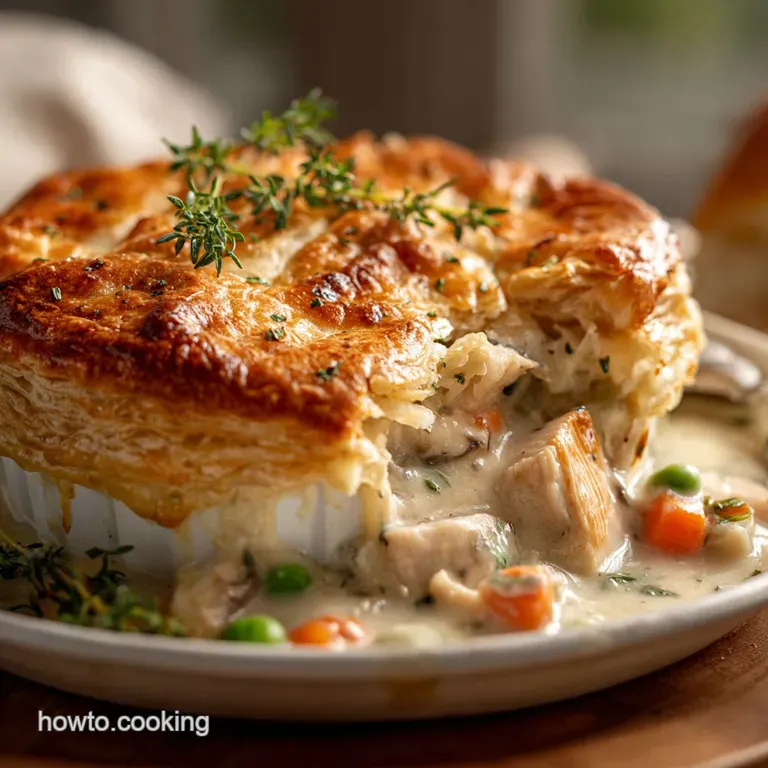
For those who need a different texture, a chicken pot pie casserole with puff pastry is a fantastic variation. Just swap the biscuits for a sheet of thawed puff pastry, score it with a knife, and bake until it's "shatter crisp." If you want to go even simpler, the chicken pot pie casserole with cream of chicken soup version involves skipping the roux and using two cans of soup mixed with 1/2 cup of milk it's not quite as "from scratch," but it works in a pinch!
Storage Strategies and Zero Waste
Leftover pot pie is arguably better the next day because the flavors have had time to truly get to know each other. However, you have to be smart about reheating to keep those biscuits from turning into rocks.
- Fridge: Store in an airtight container for up to 4 days.
- Freezer: You can freeze the filling (without biscuits) for up to 3 months. I don't recommend freezing the baked biscuits as they lose their texture.
- Reheating: Use the oven! Reheating at 350°F (180°C) for 15 minutes will crisp the top back up. The microwave will make the biscuits chewy and sad.
Zero Waste Tips: Don't toss those onion skins or the carcass from your rotisserie chicken! Throw them into a pot with some water and celery scraps to make your own stock for the next time you make this recipe.
Also, if you have a few stray biscuits left over, they make excellent "sliders" the next morning with a bit of honey and ham.
Perfect Complements for This Casserole
While this chicken pot pie casserole with biscuits is a complete meal on its own, a few side dishes can really round out the experience. Since the casserole is rich and creamy, I love pairing it with something bright or acidic to cut through the fat.
A simple arugula salad with a lemon vinaigrette is my go to. The peppery bite of the greens balances the savory sage in the gravy perfectly. If you want to lean into the comfort theme, some roasted green beans with a bit of garlic and parmesan are always a hit.
If you’re hosting a dinner and want a variety of textures, this dish pairs wonderfully with a side of Broccoli Casserole recipe for an all out casserole feast. It might sound like "casserole overkill," but when you have a crowd, having two distinct flavor profiles one creamy chicken and one cheesy vegetable makes the meal feel like a real spread. Whatever you choose, make sure you have plenty of spoons ready, because people will be going back for seconds of that velvety gravy.

High in Sodium
890 mg mg of sodium per serving (39% of daily value)
The American Heart Association recommends limiting sodium intake to 2,300mg per day.
Tips to Reduce Sodium
-
Broth Swap-30%
Replace the 2 cups of low-sodium chicken stock with homemade or no-sodium chicken stock. This can significantly reduce the sodium content.
-
Salt Reduction-25%
Reduce the added salt from 1 tsp to 1/2 tsp, or eliminate it altogether. Taste and adjust other seasonings (pepper, thyme, sage) to compensate.
-
Chicken Choice-20%
Rotisserie chicken is a major sodium contributor. Use homemade roasted chicken (seasoned with herbs and spices but no salt) or purchase no-salt added cooked chicken.
-
Biscuit Switch-15%
Refrigerated flaky layer biscuits are often high in sodium. Try using a homemade biscuit recipe where you can control the sodium content, or choose a lower sodium biscuit option. Check nutrition labels!
-
Herb Power
Enhance the flavor with more herbs and spices! Experiment with increasing the thyme and sage, or adding other flavorful herbs like rosemary or parsley. This can help to compensate for reduced salt.
Recipe FAQs
What are the 4 ingredients in chicken casserole?
Chicken, stock, flour, and biscuits/pastry are essential minimums. While this recipe uses many more flavor elements, those four components create the necessary structure: protein, liquid base, roux thickener, and topping.
What is a 5 ingredient chicken casserole?
A 5 ingredient version typically substitutes the roux with condensed soup. This skips the flour and butter by using canned Cream of Chicken soup, plus chicken, stock, frozen vegetables, and a topping like biscuits or chips.
What are common pot pie mistakes?
The most common mistake is having a filling that is too watery or a topping that is soggy underneath. Ensure your roux (butter and flour paste) cooks for at least two minutes to eliminate the raw flour taste before adding cold stock.
What is the secret to a creamy chicken casserole?
The secret lies in properly emulsifying fat and using heavy cream or a high fat dairy component at the end. Make sure you use a roux base and add the cream after the stock has already thickened, otherwise the emulsion can break.
Can I use store-bought pie crust instead of refrigerated biscuits?
Yes, store-bought pie crust works well as a full topping replacement. Simply thaw one sheet and lay it over the filling, cutting a few vents for steam escape before baking.
How to ensure the biscuit topping cooks fully without burning the edges?
Place the casserole dish on the center rack and monitor the browning after 20 minutes. If the edges darken too quickly, tent the dish loosely with aluminum foil for the final 10 minutes of baking time.
Is the thickening process for this casserole sauce the same as in a classic white sauce recipe?
Yes, the base thickening principle is identical to a classic béchamel or white sauce technique. You create a roux, then slowly whisk in warm liquid until starch granules swell, yielding a velvety texture.
If you master this foundational skill here, see how the same stable emulsion principle is used in our Creamy Italian Stuffed recipe for pasta.
Chicken Pot Pie Casserole
Ingredients:
Instructions:
Nutrition Facts:
| Calories | 538 kcal |
|---|---|
| Protein | 26.4 g |
| Fat | 31.2 g |
| Carbs | 32.1 g |
| Fiber | 3.8 g |
| Sugar | 4.6 g |
| Sodium | 890 mg |
