Cranberry Sauce: the Proper Relish with Zesty Orange and Warm Spices
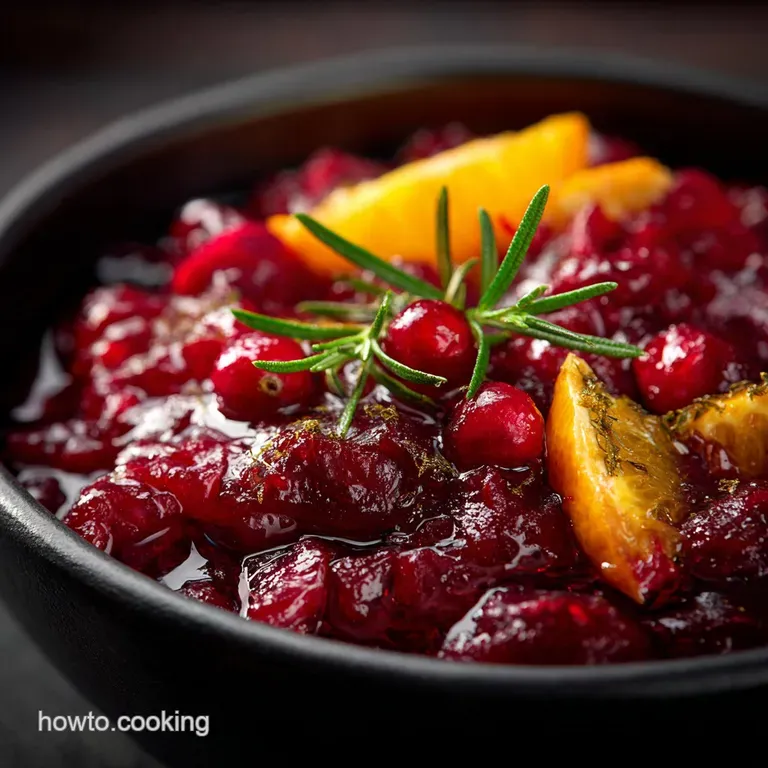
- Beyond the Can: Crafting the Ultimate Homemade Cranberry Sauce
- The Science of Perfect Texture: Why Our Cranberry Relish Recipe Succeeds
- Essential Components for the Zesty Spiced Cranberry Sauce
- How to Make Cranberry Sauce: Step-by-Step Method
- Troubleshooting and Tips for the Smoothest Cranberry Sauce
- Storage Solutions: Making and Keeping Cranberry Sauce Ahead
- Beyond the Holiday Plate: Creative Serving Suggestions for Cranberry Relish
- Recipe FAQs
- 📝 Recipe Card
Beyond the Can: Crafting the Ultimate Homemade Cranberry Sauce
Forget everything you think you know about cranberry sauce, especially if your frame of reference is that jiggly, ring marked cylinder from the tin. This homemade version is vibrant, jewel toned, and smells absolutely incredible while it simmers away on your stove.
That mix of tart fruit, melting sugar, and warm spices instantly signals that something delicious is happening in your kitchen, doesn't it?
Seriously, this Classic Cranberry Sauce Recipe is the easiest thing you’ll make all holiday season, taking maybe twenty five minutes of actual active time. It’s wildly affordable, requires zero complex technique, and tastes about a thousand times better than the store-bought stuff.
Stop apologizing for serving canned sauce and start bragging about this vibrant, zesty relish instead.
We are officially ditching the wobbly red goo and embracing a proper, thick, and perfectly balanced Homemade Cranberry Sauce. I’m going to walk you through exactly how to nail the texture, achieve maximum flavour infusion, and stop you from making the one mistake I used to make every single year.
Let's make the best cranberry sauce for thanksgiving you've ever tasted.
The Science of Perfect Texture: Why Our Cranberry Relish Recipe Succeeds
The Difference Between Cranberry Relish and Wobbly Jelly
Technically, a cranberry relish is made with raw cranberries, often ground up with orange. A cranberry sauce or compote is cooked. We are making a Classic Cranberry Sauce Recipe that is cooked down until the berries pop, yielding that perfect jammy texture we all crave.
This specific recipe leans toward a 'relish' texture because we leave a good number of the berries whole and bright, rather than cooking them down to a smooth paste.
The Magic of Fresh Orange Zest and Warm Spices
I truly believe that simple cranberry sauce is good, but cranberry sauce with orange and warm spices is transcendent. The orange zest brightens the deep, tart flavour of the cranberries, preventing them from tasting flat or overly sweet.
Meanwhile, a touch of cinnamon adds warmth and complexity that really makes this feel special for the holidays, perfectly complementing heavy roasts or savory side dishes like my popular [Cranberry Apple Sausage Stuffing The Best Moist Crispy Holiday Recipe].
Recipe Snapshot: Difficulty, Yield, and Prep Time
This recipe is incredibly straightforward. It requires minimal prep time and yields a generous batch.
| Stage | Time | Notes |
|---|---|---|
| Prep Time | 5 minutes | Rinse the berries and zest your orange. |
| Cook Time | 15– 20 minutes | Active simmering until the cranberries pop. |
| Cooling Time | Minimum 1 hour | Critical for the sauce to fully set. |
Pectin Release: Achieving the Ideal 'Pop' and Set
Cranberries are absolutely packed with natural pectin, which is the magic stuff that makes jams and jellies set up without adding commercial thickeners. When the berries hit the hot syrup, their cell walls break down, releasing that pectin into the liquid.
You need to cook the sauce long enough for the majority of the berries to pop —about two-thirds is perfect but not so long that the sauce turns into gum.
Balancing Sweetness: The Optimal Sugar-to-Cranberry Ratio
Cranberries are naturally incredibly tart, so they need a decent amount of sugar. We use a 1:1 ratio of sugar to water/liquid, and then slightly less than that amount of cranberries (12 ounces of berries to ¾ cup of sugar).
This ratio ensures the sauce is sweet enough to eat as a side dish, but still has that wonderful pucker that makes your palate sing. Pro Tip: Always add a tiny pinch of salt to a sweet dish; it doesn't make it salty, it just amplifies the fruit flavor!
Flavor Layering: When to Introduce the Spices and Zest
Timing is everything when it comes to maximizing flavour without getting bitterness or grit. We bloom the cinnamon stick right in the initial syrup this pulls out all those warm essential oils before the berries go in.
However, the delicate orange zest and the fresh orange juice go in right at the end when the sauce is off the heat. This prevents the zest from boiling down and turning slightly bitter.
Chef’s Note: If you want an even more intense citrus kick, check out my full, dedicated guide to making [Cranberry Sauce Recipe with Orange: The Zesty Easy Festive Essential].
Essential Components for the Zesty Spiced Cranberry Sauce
This ingredient list is short and sweet, exactly what you want when juggling a million other dishes.
Choosing Your Cranberries: Fresh vs. Frozen Options
You absolutely can use either! I find that fresh cranberries hold their shape slightly better, giving you a chunkier relish. Frozen cranberries work perfectly fine, too; just make sure you do not defrost them first .
Pop them straight into the hot syrup; it might extend your simmering time by a minute or two, but it prevents the berries from getting mushy.
Liquid Choices: Water, Juice, or Cider
While water works just fine and keeps the focus purely on the cranberry flavour, I sometimes swap it out. I often use unsweetened cranberry juice or even apple cider for a deeper autumnal flavour.
Substitution Alert: If you use a sweetened liquid like grape juice, reduce the granulated sugar by about ¼ cup to avoid a cloyingly sweet sauce.
Spices Breakdown: Cassia, Cloves, and Nutmeg Notes
We stick with a cinnamon stick here for a clean flavour that is easy to remove. If you want a more complex profile, try adding a few whole cloves to the syrup while the cinnamon steeps, but remember to fish them out before serving!
Sweetener Alternatives and Adjustments
| If you don't have... | You can use... | Notes |
|---|---|---|
| Granulated Sugar | Honey or Maple Syrup (use ¾ cup total) | Liquid sweeteners create a slightly thinner sauce. Taste and adjust. |
| Orange Zest | 1 teaspoon of Vanilla Extract (added post cooking) | This creates a richer, less bright flavour, but it's delicious nonetheless. |
How to Make Cranberry Sauce: step-by-step Method
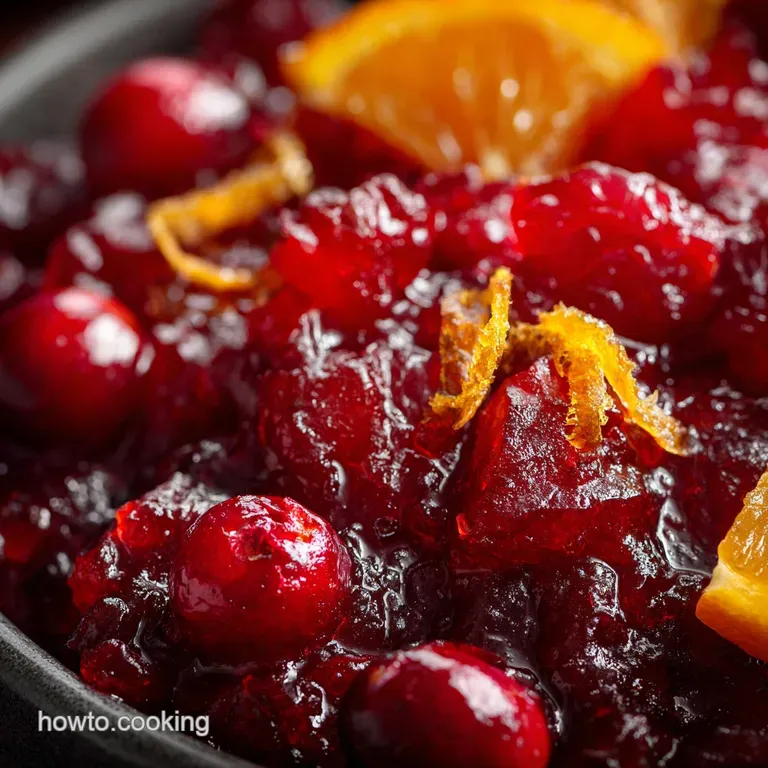
This is a one-pot wonder, so grab your trusty saucepan and let's get simmering.
- Prep the Syrup Base: Combine your water (or juice), granulated sugar, and that critical pinch of salt in a medium saucepan. Add the cinnamon stick now so it can start flavoring the liquid right away.
- Dissolve and Boil: Heat the mixture over medium high heat, stirring until the sugar is completely dissolved. Once dissolved, bring the syrup to a rapid boil.
- Introduce the Berries: Pour the entire bag of cranberries into the boiling syrup. The temperature will immediately drop, so increase the heat slightly until the mixture returns to a full, rolling boil.
- Simmer and Listen for the Pop: Reduce the heat to medium low to maintain a steady, gentle simmer. Cook for 10– 15 minutes, stirring occasionally. Your goal is to hear and see the berries bursting open.
- Achieve Texture: Once about two-thirds of the cranberries have popped, the sauce should look slightly syrupy but still quite liquid. This is when you stop! It will thicken a lot when it cools, trust me.
- Final Flavoring: Immediately remove the saucepan from the heat. Stir in the fresh orange juice and the freshly grated orange zest.
- Cool and Set: Use tongs to discard the cinnamon stick. Transfer the sauce to a serving bowl or storage container, let it cool to room temperature, and then chill in the refrigerator for at least one hour until it sets to that perfect jammy consistency.
Troubleshooting and Tips for the Smoothest Cranberry Sauce
Prepping the Ingredients and Warming the Base
Always rinse your cranberries thoroughly, regardless of whether they are fresh or frozen. Starting with a warm, fully dissolved sugar base is non-negotiable. If you dump the berries into cool liquid, the sugar may crystallize later, giving you a strangely gritty sauce texture.
The Simmering and Pectin Release Phase (Watching for the Pop)
Patience is key here, but don't wander off. Stir gently to prevent the sugar at the bottom from scorching. If you over simmer, the sauce can start to turn gummy or ropey, which we absolutely do not want. I once overcooked a batch so badly it was like fruit rubber never again.
Finishing Touches: Zesting and Resting the Sauce
Remember that rule about adding the zest last? This is vital for maximum fresh, bright flavour. You want the zest oil to hit the warm sauce, not boil away.
Cooling and Achieving the Final Consistency
The true texture of your cranberry sauce won't reveal itself until it's fully chilled. Don't panic if it looks too runny when you take it off the stove. Pectin needs time and cold to firm up.
What to Do If Your Sauce is Too Thin
If you've chilled the sauce completely and it's still soup, don't worry, you can save it! Return the sauce to the saucepan and bring it to a simmer. Cook it gently for another 5– 10 minutes, stirring constantly to cook off excess liquid and concentrate the pectin.
Preventing Over Reduction or Scorching
The high sugar content means this sauce can burn surprisingly fast on the bottom of the pan. Use medium low heat during the active simmering phase and stir frequently. If you smell burning sugar, immediately transfer the sauce to a new, clean container, leaving the scorched layer behind.
Storage Solutions: Making and Keeping Cranberry Sauce Ahead
Making your cranberry sauce a week ahead is one of the best holiday prep hacks available. It tastes better when the flavours have had a chance to meld anyway!
Refrigerating the Relish: Shelf Life Guidelines
Properly stored Homemade Cranberry Sauce will last easily for 7 to 10 days in an airtight container in the refrigerator. Just be sure the container is completely sealed to prevent it from absorbing fridge smells.
Proper Technique for Freezing Prepared Sauce
But does it freeze well? You bet it does. Cool the sauce completely before transferring it to a freezer safe, airtight container, leaving about half an inch of headspace because liquids expand. It will stay fresh for up to 3 months .
Thawing and Reheating the Prepared Sauce
To thaw, simply move the container from the freezer to the refrigerator 24 hours before you plan to use it. If you are serving it warm (I highly recommend this for leftovers alongside cheese and bread), reheat it gently in a small saucepan over low heat until warmed through.
Beyond the Holiday Plate: Creative Serving Suggestions for Cranberry Relish
The absolute best part of making a generous batch of cranberry sauce is all the incredible leftovers you get.
Savory Pairings: Enhancing Roasts and Sandwiches
Cranberry sauce isn't just for Thanksgiving dinner. It is spectacular with strong cheese and crusty bread. Use it as a vibrant spread on leftover turkey or ham sandwiches, or serve it alongside a hearty, Sunday pork roast.
Sweet Applications: Using Leftovers in Baking and Desserts
This is where the jammy texture really shines. Swirl leftover sauce into muffin batter, spoon it over cheesecake, or use it as the vibrant filling in baked goods. It’s perfect used inside flaky appetizers like my [Cranberry Cream Cheese Crescent Bites: Flaky, Quick Dessert Bites].
Cheese Board and Appetizer Integration
Always offer a bowl of this cranberry sauce on your cheese board; it provides that much needed acid and sweetness to cut through fatty cheeses. Pair it with Brie, some toasted walnuts, and a drizzle of honey for a truly elegant appetizer spread.
It's a non-negotiable element if you are serving a heavier dish like my [Sweet Potato Cranberry Gratin with Brown Butter Pecan Crumble] because the tartness cuts the richness.
Recipe FAQs
Can I use frozen cranberries instead of fresh ones?
Absolutely, frozen cranberries work perfectly and require no thawing before cooking. Simply add them directly to the simmering liquid according to the recipe instructions. You may need to add an extra minute or two to the initial simmer time since the frozen fruit will temporarily lower the overall temperature of the liquid.
My sauce seems too thin after cooking. How do I achieve a thicker consistency?
Cranberry sauce thickens considerably as it cools, so it is important to wait until it reaches room temperature before judging the final texture. If it is still too thin after cooling completely, return it to the stovetop and simmer uncovered for an extra 5 minutes to reduce the liquid further.
Conversely, if it becomes too stiff, stir in a tablespoon of fresh orange juice or hot water to loosen it up.
Can I reduce the amount of sugar in the recipe?
You can certainly reduce the sugar, but note that cranberries are highly tart and require a certain amount of sweetener for balance. Start by reducing the quantity by a quarter cup, and then taste the sauce after the cranberries have burst and cooked down.
Add more sweetener sparingly until you achieve a flavor profile that suits your palate.
Why aren't my cranberries "popping" during the simmer?
The distinctive popping sound indicates that the fruit skins are breaking and the pectin within the cranberries is being released, which is crucial for the sauce's characteristic texture.
If they aren't popping, ensure your mixture is at a rapid simmer and not just gently warming, as this process requires concentrated, high heat. Use a wooden spoon to press gently on a few berries to encourage the breakdown.
How long will homemade cranberry sauce last in the refrigerator, and can I freeze it?
Homemade cranberry sauce stores beautifully in an airtight container in the refrigerator for up to 10 to 14 days. It also freezes exceptionally well for long term storage, lasting up to three months.
When freezing, ensure the sauce is fully cooled and leave about half an inch of headspace in the container to allow for expansion.
What other spice variations can I use instead of the suggested warm spices?
For a different complexity, consider substituting the warm spices with a hint of fresh ground ginger or a dash of cardamom for an earthy note. Alternatively, for a boozy twist, stir in a tablespoon of good quality dark rum or bourbon after the sauce has been removed from the heat.
You can also incorporate grated apple or pear during the simmering stage for a heartier relish.
When is the best time to add the orange zest to maximize flavor?
To retain the bright, aromatic oils of the orange zest, it is best to add it towards the very end of the cooking process. Adding the zest too early risks diminishing its fragrance as the volatile oils evaporate with the long simmer time.
Stir it in right after the sauce has been removed from the heat for a potent, fresh burst of citrus.
Classic Cranberry Sauce With Orange Zest
Ingredients:
Instructions:
Nutrition Facts:
| Calories | 198 kcal |
|---|---|
| Protein | 0.6 g |
| Fat | 0.1 g |
| Carbs | 50.2 g |
