Pecan Pie Recipe: the Cracking Classic with Deep Flavor Crisp Crust
- Mastering the Cracking Classic Pecan Pie: Why This Recipe is Your New Favorite
- The Science of Southern Sweetness: Why Our Filling Sets Perfectly
- Essential Pecan Pie Components: Ingredients and Smart Substitutions
- Step-by-Step Guide: Assembling and Baking Your Showstopper Pecan Pie
- The Baker's Handbook: Troubleshooting and Determining When Your Pecan Pie is Done
- Storage & Longevity: Keeping Your Pecan Pie Fresh and Flawless
- Perfect Pairings: Elevating the Classic Pecan Pie Experience
- Recipe FAQs
- 📝 Recipe Card
Mastering the Cracking Classic Pecan Pie: Why This Recipe is Your New Favorite
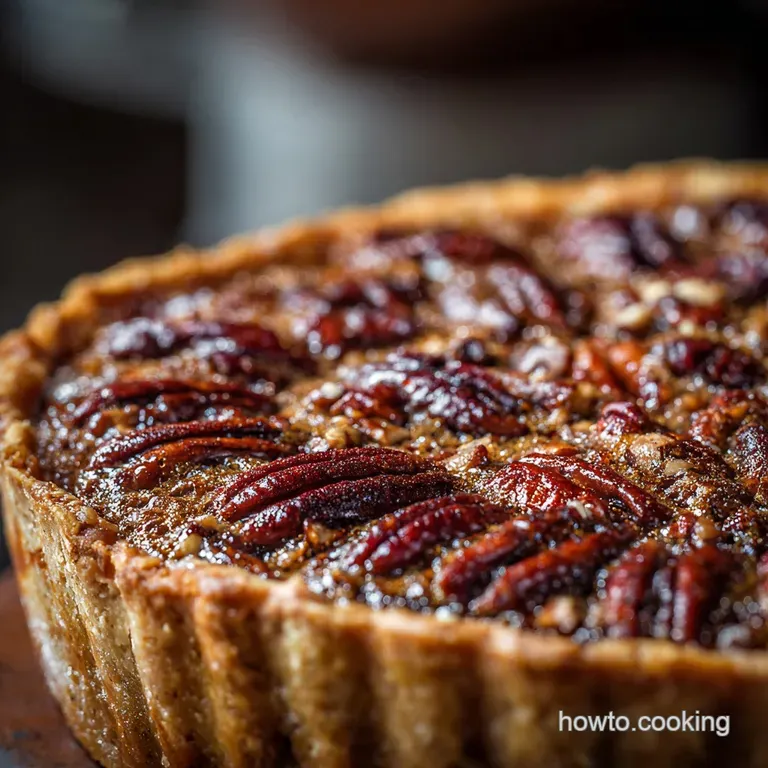
That rich, sticky, caramelly fragrance wafting through your kitchen is what pure comfort smells like. This classic pecan pie delivers a perfect, gooey filling that manages to stay fudgy without being runny, all tucked into a crisp, buttery crust. The crunch of those toasted pecans against the silken filling?
Heavenly contrast.
Honestly, this dessert is a genuine holiday lifesaver, especially if you get stressed making finicky fruit pies. The prep is lightning fast, using simple pantry ingredients, and it holds up beautifully for days after baking.
Plus, it looks seriously impressive, guaranteeing you all the bragging rights at the dinner table.
Forget the versions that taste overwhelmingly of sugar or scrambled eggs; we're focusing on deep, nuanced flavor and a foolproof set. I’ve made every mistake trust me so let’s get into the simple, powerful tricks that make this the best southern pecan pie recipe you will ever make.
The Science of Southern Sweetness: Why Our Filling Sets Perfectly
The Magic of Contrast: Gooey Filling Meets Crisp Pecan Topping
Pecan pie is structurally simple, relying on the perfect ratio of eggs (the binder) to syrup (the sugar carrier). Too much syrup and not enough egg leads to a sticky, soup like mess.
Our recipe achieves that magical gooey texture by using a balanced amount of eggs with the corn syrup, ensuring enough protein is present to coagulate without tasting rubbery.
Achieving the Perfect Set: Eliminating the Runny Pecan Pie Problem
The secret weapon here is two-fold: brown sugar and melted butter. Melted butter adds richness and structure, resulting in a fudgier final product, while the acidity in dark brown sugar slightly inhibits crystallization.
The ultimate secret, though, is patience; the pie needs to cool completely to finish setting up properly.
A Medium Challenge: Simple Prep, Finessing the Bake
The technique is deceivingly easy; you just mix and pour, really. However, Pecan Pie requires careful heat management because the custard needs a long time to bake through before the pastry edges burn to charcoal. We solve this "medium challenge" by relying on temperature control and strategic shielding of the crust.
Deepening the Flavor Profile: The Role of Brown Sugar and Vanilla Bean Paste
I insist on using dark brown sugar rather than just white sugar because the molasses provides complexity and depth that cuts through the intense sweetness of the corn syrup. Tip: If you have vanilla bean paste instead of extract, use it! The little seeds intensify the flavor tenfold.
Tempering the Eggs: Preventing Scrambling While Ensuring Structure
My biggest early mistake? Adding cold eggs directly into warm, melted butter and syrup. The heat instantly curdles the edges, resulting in a slightly grainy texture. We prevent this kitchen crime by making sure the melted butter is cooled slightly before the eggs go in, ensuring a silken, smooth filling base.
Toasted vs. Raw: Unlocking the Maximum Pecan Flavor
While you can use raw nuts, I highly recommend a quick 6 8 minute pre-toast on the pecans until you smell that heavenly, nutty aroma. Toasting them intensifies their flavor dramatically, transforming them from a background ingredient into the star of the show.
Essential Pecan Pie Components: Ingredients and Smart Substitutions
Shortcrust or Flakey? Selecting the Best Pie Pastry Base
For pecan pie, you need a strong base that can withstand a wet filling and a long bake time without turning into mush. I prefer a classic buttery shortcrust pastry the kind that delivers a tender bite but provides sturdy support for the heavy filling. If you want to dive into deep crust excellence, you can check out my recipe for Apple Pie: The Classic Homemade Recipe with a Guaranteed Flaky Crust for a foolproof pastry method.
Balancing the Syrup: Corn Syrup vs. Maple Syrup Considerations
Light corn syrup is the traditional choice because it’s a non-crystallizing sugar, meaning it stays smooth and glossy. However, if you are looking for a deeper, more rustic taste, a simple substitution works wonderfully.
| Ingredient | Role | Viable Substitution |
|---|---|---|
| Light Corn Syrup | Structure, gloss, prevents crystallization. | Golden Syrup (1:1), or 1/2 Maple Syrup + 1/2 Honey. |
| Dark Brown Sugar | Depth, molasses flavor. | Muscovado sugar or light brown sugar + a dash of molasses. |
| Pecans | Crunch and flavor star. | Walnuts (less sweet) or a 50/50 mix with almonds. |
Sourcing Quality Pecans: Halves vs. Chopped, and Purity Checks
Always opt for fresh, plump pecan halves if your budget allows. They look fantastic arranged on top! While chopped pecans work perfectly well in the filling, having some beautiful halves for the top arrangement is worth the splurge.
Pro tip: Taste a pecan before you bake; stale nuts will ruin the whole pie.
step-by-step Guide: Assembling and Baking Your Showstopper Pecan Pie
Prepping the Crust: Why and How to Blind Bake Effectively
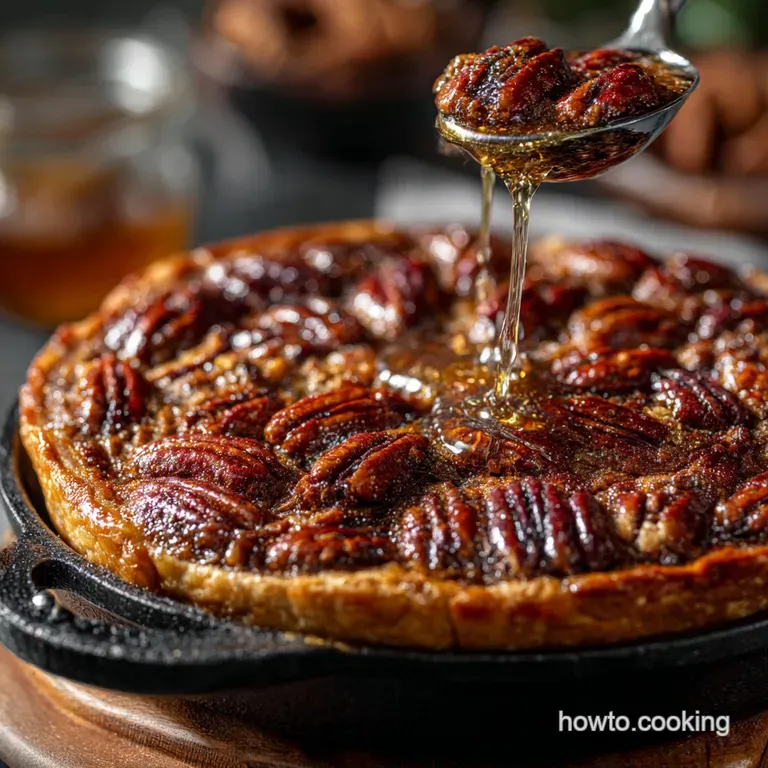
Though some recipes skip it, I always recommend blind baking your crust for at least 10 minutes at 350°F (175°C) before adding the filling. This crucial step strengthens the crust base and ensures you don't end up with that dreaded soggy bottom, which nobody wants.
The Warm Filling Method: Combining Wet Ingredients for Consistency
Start by gently melting your butter and corn syrup together, just enough so they blend smoothly. Then, let that mixture cool slightly before you add the sugar, salt, and vanilla. This warmth helps the brown sugar dissolve properly, ensuring a super smooth caramel base without adding graininess.
The Layered Approach: Ensuring Even Pecan Distribution in the Pan
To ensure the pecans don't all float to the very top, I use the layered approach. Stir about 1 1/2 cups of the nuts directly into the filling first. Pour the entire mixture into the pie shell, and then artfully arrange the remaining 1/2 cup of whole halves on the very top for that classic presentation.
Initial High Heat vs. Low and Slow: Adjusting Oven Temperature
We bake at a moderate 350°F (175°C) throughout, but the real key is the crust shield.
Chef's Note: Set a timer for 30 minutes, and do not peek until the timer goes off. The heat needs to remain consistent for the egg proteins to set smoothly without seizing or cracking the surface.
The Baker's Handbook: Troubleshooting and Determining When Your Pecan Pie is Done
The Jiggle Test: How to Tell When the Center is Perfectly Set
You know your pie is done when the edges look fully set and slightly puffed, but the centre circle (about the size of a golf ball) still has a slight, gentle jiggle when you carefully tap the side of the plate.
That remaining wobble is crucial because the pie will continue cooking from residual heat once it's out of the oven. If you bake it until the center is totally firm, it will be dry.
Preventing Scorching: The Aluminum Foil Shield Technique
This is mandatory for a long bake pie like this! As soon as the pie goes into the oven, wrap the edges of the crust tightly with strips of aluminum foil or use a dedicated pie crust shield.
Bake for 30 minutes with the shield on , then remove the shield for the final 25- 35 minutes. This small action saves your beautiful, buttery crust from turning black.
Solving the Egg-y Taste: Cooling Techniques to Halt Residual Cooking
If your pie tastes overwhelmingly "eggy," it usually means it was overbaked, which causes the egg proteins to become rubbery. Once you pass the jiggle test, pull that pie immediately! Set it on a wire cooling rack away from the oven.
Cooling quickly stops the cooking process and prevents that unpleasant sulfurous flavor from developing.
Storage & Longevity: Keeping Your Pecan Pie Fresh and Flawless
Does Pecan Pie Need to Be Refrigerated? Safety and Shelf Life Guidelines
Yes, because the filling contains eggs and butter, you absolutely need to store pecan pie in the refrigerator after it cools down completely. It is safe to leave it at room temperature for up to 2 hours after baking, but after that, wrap it tightly in plastic wrap and store it in the fridge.
Properly stored, it will last 3 4 days without losing quality.
Freezing Whole Pies vs. Slices: Best Practices for Long Term Storage
Pecan pie freezes incredibly well, making it a fantastic make-ahead option. For freezing a whole pie, cool it completely, wrap it tightly in several layers of plastic wrap, and then cover it again with aluminum foil. It will keep beautifully for up to 3 months.
When thawing, leave it wrapped overnight in the refrigerator.
Serving Warm: How to Reheat Slices Without Drying Out the Filling
While perfectly wonderful cold, Pecan Pie is glorious served slightly warm, especially with vanilla ice cream. To reheat, preheat your oven to a low 300°F (150°C). Place individual slices on a baking sheet and heat for 8– 10 minutes.
This warms the filling without drying out the crust or causing the pecans to scorch.
Perfect Pairings: Elevating the Classic Pecan Pie Experience
Pecan pie is rich and intensely sweet, so it needs a robust partner to balance the flavor profile.
- The Cream Counterpoint: Serve with a dollop of fresh, barely sweetened whipped cream or, even better, a spoonful of tangy crème fraîche. The slight sourness of the crème fraîche cuts through the syrup perfectly.
- A Classic Duo: A scoop of high-quality French vanilla ice cream is a perfect temperature and textural contrast.
- The Holiday Spread: If you are serving this for a major holiday like Thanksgiving, it pairs beautifully alongside a slice of my Creamy Pumpkin Pie: The Silken, Crack Free Recipe for Thanksgiving . The different textures create a truly spectacular dessert spread.

Recipe FAQs
Why is my Pecan Pie filling runny or not setting properly?
The filling is an egg-based custard and requires adequate time and temperature to coagulate; if it is runny, it was likely undercooked. Ensure you bake until the center only shows a slight, uniform jiggle when gently shaken like set gelatin and then allow the pie to cool completely, ideally 4 6 hours or overnight, before slicing.
How do I prevent the crust edges or the pecans from burning before the pie is finished?
If the crust edges are browning too quickly, create a pie shield by wrapping thin strips of aluminum foil around the perimeter of the crust for the second half of the bake time. If the pecans on top are getting too dark, place a large, loose sheet of aluminum foil directly over the entire top of the pie for the final 15 20 minutes.
Can I substitute the corn syrup with maple syrup or honey?
While you can substitute corn syrup, be aware that alternatives like honey or maple syrup have much stronger flavors that may compete with or overpower the delicate pecan notes. If substituting, use a lighter colored syrup and slightly reduce the sugar quantity, as these alternatives are often sweeter and thinner than traditional corn syrup.
How far in advance can I bake this pie, and how should I store it?
Pecan pie can be baked up to 3 days in advance and stored tightly wrapped in plastic in the refrigerator. For longer preservation, you can freeze the completely cooled pie, wrapped securely in both plastic wrap and foil, for up to two months, thawing overnight in the refrigerator before serving.
What gives the filling its signature gooey texture, and how do I avoid a cakey result?
The combination of corn syrup and brown sugar provides the high sugar concentration necessary to maintain that desirable gooey viscosity once cooked. A cakey texture results from over baking, which dries out the syrup mixture; pay close attention to the set time and pull the pie when the center is still slightly wobbly.
Is Pecan Pie best served warm, cold, or at room temperature?
Pecan pie is traditionally served slightly warm or at room temperature, which allows the subtle caramel and vanilla notes to fully express themselves. Note that if served warm, the filling will be softer and gooier, while cooling it completely helps it achieve a cleaner, firmer slice.
Can I adapt this recipe to be entirely vegan?
Yes, a vegan pecan pie is achievable by using a dairy-free crust and replacing the eggs with a suitable binder, such as commercial vegan egg replacer or a mixture of cornstarch and water.
For the filling, substitute the butter with vegan shortening or butter sticks, and replace corn syrup with agave nectar or golden syrup.
Classic Deep Dish Pecan Pie Recipe
Ingredients:
Instructions:
Nutrition Facts:
| Calories | 415 kcal |
|---|---|
| Protein | 9.0 g |
| Fat | 25.0 g |
| Carbs | 39.0 g |
