Ham Loaf: the Chefs Classic Glazed Recipe with Tangy Brown Sugar
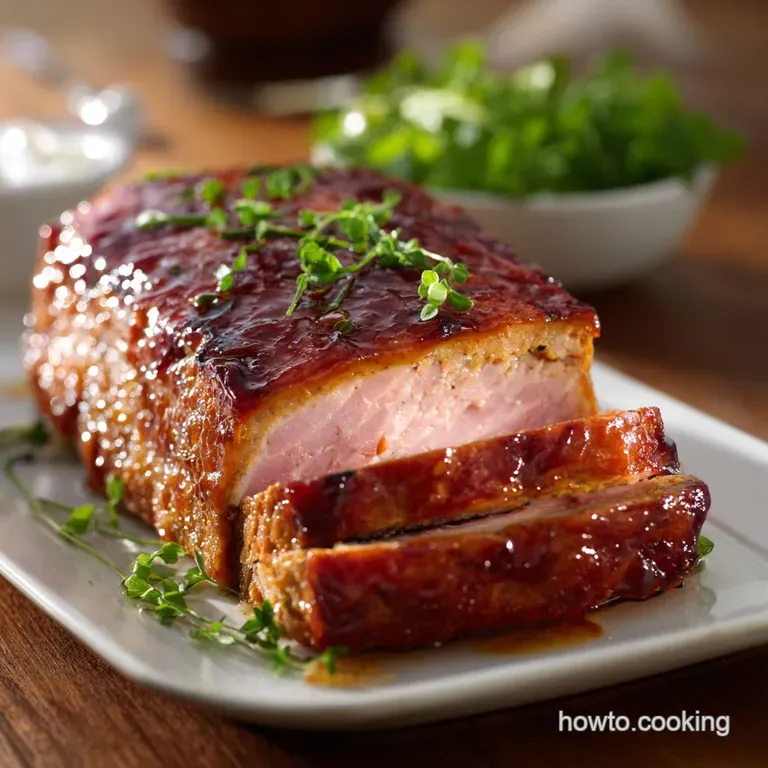
- The Chef's Classic Glazed Ham Loaf with Brown Sugar & Cider Glaze
- The Quintessential Comfort Food: Why We Love Ham Loaf
- The Science of Texture: Achieving a Perfectly Moist Loaf
- Essential Components: Ingredients for the Ultimate Ham Loaf and Glaze
- Method: Crafting and Baking Your Ham Loaf to Perfection
- Troubleshooting and Expert Advice for Ham Loaf Success
- Handling Leftovers: Storage, Freezing, and Reheating Guide
- Complete the Meal: Ideal Side Dishes and Pairings
- Recipe FAQs
- 📝 Recipe Card
The Chef's Classic Glazed Ham Loaf with Brown Sugar & Cider Glaze
When this loaf is baking, the aroma is pure, unadulterated comfort food nostalgia. That sweet, smoky smell drifts out of the kitchen, combining the cured depth of ham with the sticky, caramelized scent of brown sugar and apple cider vinegar. It is rich, it is powerful, and frankly, it demands attention.
This Ham Loaf Recipe is a total lifesaver, especially when you have a mountain of leftover holiday ham staring you down in the fridge. Forget wasting those beautiful scraps; we transform them into a simple, budget friendly meal that tastes incredible.
It holds up beautifully, making slicing and lunch prep easy peasy for the whole week.
We are not going to tolerate the dry, chalky ham loaf of yesteryear, though. We are building a perfectly moist, flavour packed loaf, anchored by that beautiful, tangy glaze that makes all the difference. Get ready to ditch every other version, because this one actually works.
The Quintessential Comfort Food: Why We Love Ham Loaf
Ham loaf sits right next to traditional meatloaf in the comfort food hall of fame, yet it offers something wonderfully unique. It skips the heavy seasoning and complicated sauces, letting the natural salt and smokiness of the ham take centre stage.
It’s perfect for a big Sunday dinner or as the main event for using up those holiday meats.
It’s often considered an Amish classic, though it’s beloved throughout the American Midwest for being economical and incredibly satisfying. The ham loaf glaze is truly the defining feature; it needs to be the perfect balance of sweet, sour, and sticky to cut through the richness of the meat mixture.
We nail that balance here, trust me.
The Science of Texture: Achieving a Perfectly Moist Loaf
Moisture control is the single biggest factor determining success with ground meat loaves. Ham is naturally much leaner than ground beef, so we have to introduce fat and liquid strategically to keep things from turning into sawdust. That’s the whole logic behind this recipe.
The Legacy of Ham Loaf: A Classic Reimagined
I once decided to make a "healthy" ham loaf by removing all the fat and using water instead of milk for the binder. Big mistake. The resulting loaf tasted like cured cardboard, and it crumbled apart before I could even get it out of the pan.
This recipe balances the ingredients just right, ensuring that beautiful, tight texture that holds together perfectly when sliced.
We are focused on honouring the classic flavour profile while ensuring modern texture standards. This is the ultimate comfort food, and it should melt in your mouth, not turn to powder.
Glaze Spotlight: The Secret to Tangy, Deep Flavor
The best glazes rely on a powerful combination of flavour profiles: sugar, acid, and a touch of depth. Our combination of brown sugar (sweet) and cider vinegar (acid) creates a caramelizing effect that is tangy and complex.
Ketchup adds that necessary body and umami base, helping the glaze adhere beautifully to the loaf as it bakes.
This glaze isn't just decoration. It steams into the loaf during the final bake, creating a thin, moist layer beneath the crunchy surface. It's brilliant.
Prep Time and Yield Overview
The beautiful thing about making a ham loaf is how little active effort it requires. You spend about 20 minutes mixing everything together and then the oven does all the hard work for the next hour.
This is an ideal make-ahead meal that comfortably feeds eight people, or provides fantastic leftovers for two.
The Crucial Role of the Ham-to-Pork Ratio
Ham is salty and delicious, but it lacks the necessary fat required for a moist loaf. That is why we use an even mix: a 1:1 ratio of ground cooked ham and ground pork. The pork introduces the crucial fat content that keeps the loaf tender while lending a delicious richness that perfectly complements the salty ham flavour.
If you skip the pork entirely, you risk ending up with a dry, stiff loaf. The blend ensures the perfect texture and deep, satisfying flavour profile.
Binding Agents: Why Breadcrumbs and Milk Are Essential
We use Panko breadcrumbs because they absorb liquid so effectively, swelling up and creating pockets of moisture within the meat mixture. Crucially, we soak those crumbs in whole milk before mixing them in. This step is non-negotiable for a tender loaf.
The milk fat softens the starch, ensuring the final result is soft and tender, not dense like a brick.
Preventing Dryness: The Importance of Internal Temperature
You cannot guess when a ham loaf is done; you must rely on an instant read thermometer. Because we are dealing with ground meats and high salt content, overcooking is guaranteed to result in dryness. You are aiming for an internal temperature of exactly 165°F (74° C).
Pull it out right then, no later, or you will ruin the texture you worked so hard for.
Essential Components: Ingredients for the Ultimate Ham Loaf and Glaze
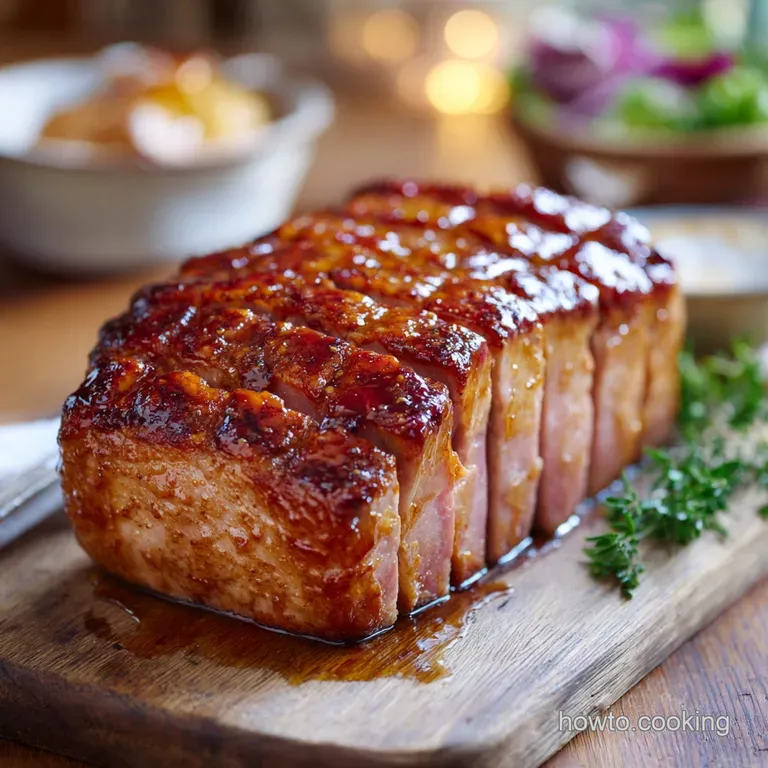
You might have most of these ingredients already sitting in your pantry. We need simple, strong flavours that stand up to the smokiness of the ham.
Selecting the Right Cut of Ham (Pre-cooked vs. Raw)
Always use pre-cooked ham, like leftover roast ham or picnic ham, for this recipe. It already has the necessary salt and smoke curing. Do not use deli slices; they contain too much water and will alter the texture dramatically. You need a solid piece of ham, ground fine.
Ingredient Deep Dive: Must Have Glaze Components (Cider, Brown Sugar, Mustard)
The apple cider vinegar is the star here, providing a necessary, fruity acidity that balances the richness of the meat perfectly. Dark brown sugar gives a deeper molasses flavour than light sugar, and the mustard (both dry and regular) acts as an emulsifier, helping the whole thing stick together and shine.
Sourcing Ground Ham: Tips for Home Grinding vs. Butcher Purchase
If you have a powerful food processor, dice your ham into 1 inch cubes and pulse it until finely ground. Just make sure you cube it first, otherwise, you'll end up with stretched, sinewy strands. The easiest option?
Ask your butcher to grind the cooked ham for you; most butchers are happy to oblige, especially after the holidays!
Minor Ingredient Substitutions (Milk and Binder Options)
We all run out of things sometimes. If you need a quick swap, try these.
| Ingredient | Substitute Option | Notes |
|---|---|---|
| Whole Milk | Evaporated Milk or Half and Half | Adds richness; water will make it less tender. |
| Panko Breadcrumbs | Cracker Meal or Matzo Meal | Use slightly less if using regular dried breadcrumbs. |
| Cider Vinegar | White Wine Vinegar | Start with slightly less, as it can be sharper. |
Method: Crafting and Baking Your Ham Loaf to Perfection
Let's crack on with the cooking. Remember the mantra: Gentle mixing is critical.
Mixing the Loaf Base: Technique for Uniform Flavor
Combine all your non-meat ingredients first (eggs, milk soaked breadcrumbs, onion, spices). Once those are fully incorporated, introduce the ground ham and pork. Use your hands to gently fold and combine the mixture until the ingredients are just evenly distributed.
Overmixing develops the proteins and results in a tough, rubbery loaf. Stop when you no longer see streaks of pure pork or ham.
Chef's Note: If you want a slightly smoother texture, gently sauté the diced onion before adding it to the mixture. This softens the flavour and prevents any raw onion crunch.
Building the Glaze: Achieving the Perfect Syrup Consistency
The glaze is simple: whisk everything together in a small bowl until the brown sugar is fully dissolved. It will look like a thick, dark, slightly runny sauce at this point. Do not try to cook it down on the stovetop; it will thicken naturally and caramelize beautifully once it hits the heat of the oven.
The Mid-Bake Glaze Application Strategy
The trick to a perfectly sticky, unburnt glaze is timing. Bake the loaf plain for the initial 40 minutes to allow the structure to set. Then, remove it from the oven, brush on three quarters of the glaze, and return it to finish cooking. This ensures the sugar caramelizes nicely without burning.
You want shiny, not scorched.
Testing for Doneness and the Mandatory Resting Period
The minute your instant read thermometer hits 165°F (74°C), pull that beautiful loaf out. It is done. Now, you absolutely must let it rest in the pan for 10 minutes. This allows the internal juices to calm down and redistribute throughout the meat, guaranteeing a moist slice.
If you cut it too early, those precious juices will run out onto the cutting board, leaving you with dry slices.
Troubleshooting and Expert Advice for Ham Loaf Success
Even the most seasoned home cooks hit snags sometimes. Here is how we fix the most common ham loaf problems.
Why Your Ham Loaf Might Crumble (And How to Fix It)
Crumbling is usually a sign of one of two issues: insufficient binder or cutting it too soon. Ensure you used the full amount of milk soaked breadcrumbs. If you already baked it and it's still crumbling, it likely means you didn't let it rest long enough after baking. If you are struggling with crumbly loaves, try adding a tablespoon of ricotta or cottage cheese to the mixture next time it works wonders. When I bake other loaves like my Healthy Zucchini Banana Bread The Ultimate Moist LowSugar Loaf , resting is just as important.
Avoiding an Overly Salty Finished Product
Ham is cured, so it brings its own significant sodium content. Do not add any salt to this recipe. The spices and ground pork provide everything else you need.
If you are extremely sensitive to salt, you can substitute up to half of the ham with ground, cooked turkey or chicken to dilute the sodium content.
Tweaks: Making Individual Mini Ham Loaves
Mini loaves are fantastic for portion control and for serving at parties. Press the mixture into six small, greased mini loaf pans. Reduce the initial baking time to 25 minutes, glaze, and finish baking for another 15 minutes, until the internal temperature reaches 165°F (74°C). They are brilliant for making sliders, especially if you plan on serving them later with something creamy, like the filling for a Hot Ham and Cheese The Chefs 30Minute Creamy Mornay Melt .
Handling Leftovers: Storage, Freezing, and Reheating Guide
Ham loaf is arguably even better the next day, sliced cold. It’s perfect sandwich fodder.
Best Practices for Refrigerating Slices
Once the loaf is completely cool, wrap individual slices or the whole remaining loaf tightly in plastic wrap, followed by a layer of foil. Store it in the refrigerator for up to 4 days. Cold slices are phenomenal served on sourdough with a sharp pickle and a dollop of mustard or paired alongside a scoop of proper Ham Salad The Ultimate Smooth Crunchy Pub Grub Recipe .
Can You Freeze Ham Loaf? Long Term Storage Tips
Yes, you absolutely can! You can freeze it cooked or uncooked. Wrap the whole cooled loaf tightly in plastic wrap, then foil, and then place it in a freezer bag. It will keep for up to 3 months. Thaw it overnight in the refrigerator before reheating.
Reheating Methods for Maximum Moisture Retention
Reheating in the microwave is fast, but it often steams the edges and dries out the centre. I recommend slicing the loaf, placing the slices in a small oven safe dish, adding a tablespoon of water or broth to the bottom, covering it tightly with foil, and reheating at 300°F (150°C) for 15– 20 minutes.
This gentle steam bath ensures every bite stays tender and moist.
Complete the Meal: Ideal Side Dishes and Pairings
This ham loaf is the definition of hearty, so pair it with sides that offer texture and lightness. Creamy mashed potatoes are mandatory for soaking up that delicious glaze runoff, naturally.
You should also serve something green, like quick braised collard greens or garlicky green beans, for a necessary touch of freshness. Don't forget the crusty bread for scraping up the last bits of glaze a warm, rustic loaf is always a winner.

Recipe FAQs
Why did my Ham Loaf turn out dry or crumbly?
Dryness is often caused by using too much lean meat or by overbaking past the required internal temperature. Ensure you are using the correct blend of ground ham and ground pork, as the pork fat is essential for moisture.
Always check the loaf with a thermometer and remove it immediately once it reaches 160°F (71°C).
My glaze is too runny and slides off the loaf. How do I fix this?
Glazes need sufficient reduction time to thicken properly. If your glaze is too thin, simmer it uncovered on the stovetop for an additional 5 to 10 minutes until it coats the back of a spoon.
Alternatively, mix a small slurry of cornstarch and cold water (1 tsp each) and stir it into the simmering glaze for rapid thickening.
What is the ideal internal temperature for a fully cooked Ham Loaf?
Since the loaf contains ground pork, it must be cooked until it reaches a safe internal temperature of 160°F (71°C). Insert an instant read thermometer into the very center of the loaf, ensuring the probe does not touch the pan bottom.
This temperature guarantees safety while preserving the loaf's moist texture.
Can I prepare the Ham Loaf mixture ahead of time and bake it later?
Yes, Ham Loaf is excellent for making ahead. You can mix all the ingredients, form the loaf, and refrigerate it (uncovered or lightly covered) for up to 24 hours before baking. Allow the loaf to sit at room temperature for about 15 minutes before placing it in the oven for uniform cooking.
I don't have ground pork. What's a suitable substitute to keep the loaf moist?
The ground pork (or fatty ground chuck) provides the necessary fat content and richness. A suitable replacement would be a high fat ground sausage or ground veal mixed with a tablespoon of heavy cream for extra tenderness.
Remember to taste the mixture and adjust the salt slightly, as sausage may contain added seasonings.
Can I freeze leftover Ham Loaf, and how should I reheat it?
Cooked Ham Loaf freezes very well. Wrap individual slices tightly in plastic wrap and store them in a freezer bag for up to three months. To reheat, thaw the slices overnight in the refrigerator, then warm them in a 300°F oven until heated through, covering them loosely with foil to prevent drying.
How should I store leftover Ham Loaf, and how long does it last?
Store leftovers tightly wrapped in aluminum foil or in an airtight container in the refrigerator immediately after cooling. When properly stored, the glazed Ham Loaf will remain fresh and flavorful for about 3 to 4 days.
The loaf often tastes even better the next day as the sweet glaze and salty ham flavors meld together.
Classic Glazed Ham Loaf Recipe
Ingredients:
Instructions:
Nutrition Facts:
| Calories | 862 kcal |
|---|---|
| Protein | 55.7 g |
| Fat | 29.1 g |
| Carbs | 94.5 g |
