Classic Italian Cream Pie with Toasted Coconut and Pecans
- Unpacking the Mystery: Is Italian Cream Pie Really Italian?
- Achieving the Perfect Texture: The Heart of a Great Pie
- Essential Components for the Ultimate Italian Cream Pie Filling
- Necessary Tools and Prep Checklist Before You Begin
- Step-by-Step Guide to Crafting Your Cream Pie Masterpiece
- The Critical Baking and Cooling Process
- Mastering the Make-Ahead: Storage and Freezing Tips
- Recipe FAQs
- 📝 Recipe Card
Unpacking the Mystery: Is Italian Cream Pie Really Italian?
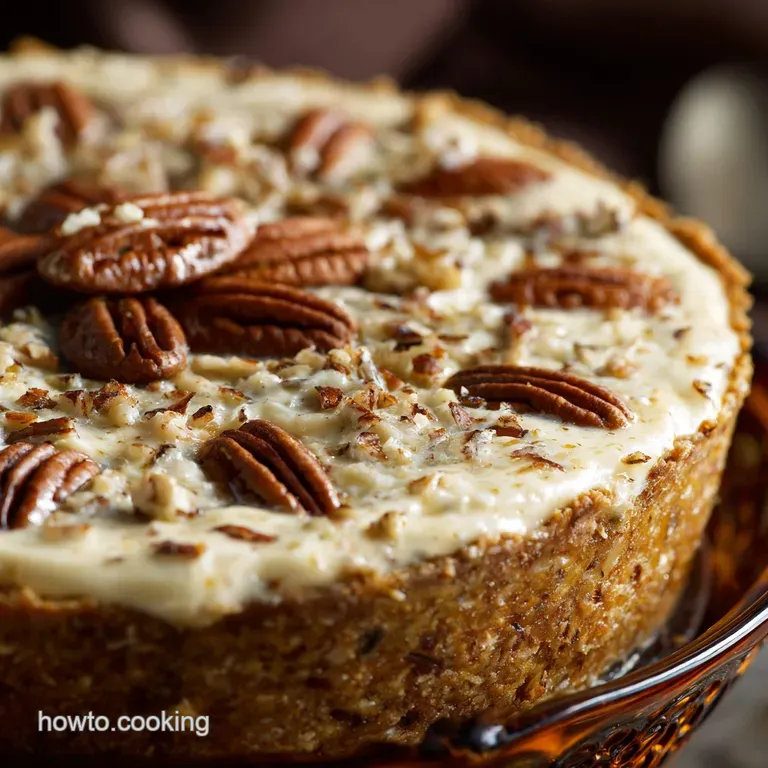
Let’s start with a confession: this glorious pie, dripping with Southern charm and studded with crunchy pecans and coconut, has about as much to do with Italy as key lime pie does with Alaska. The name is a lovely, delicious misnomer.
If you hear someone mention an Italian Cream Pie in the U.S., they are almost certainly referring to the famous layer cake or, in this case, the pie version that originated deep in the American South.
The dessert earned its "Italian" moniker because it features classic Southern ingredients butter, pecans, coconut baked into a rich, almost cake like custard base, often topped with cream cheese frosting.
It’s believed the name was added simply to suggest a rich, sophisticated, almost celebratory air, similar to how we might refer to Italian Wedding Cookies. What we are making today is the ultimate old-fashioned pie crust recipe filled with that celebrated Italian Cream Pie filling.
Achieving the Perfect Texture: The Heart of a Great Pie
Unlike a simple Egg Custard Pie, which relies mainly on milk and eggs for its light set, this Italian Cream Pie uses the density and tang of cream cheese alongside heavy cream. This is the crucial difference.
It’s why the texture is so robust, offering a luxurious velvet mouthfeel that resists dissolving the second it hits your tongue.
The Unexpected Southern Heritage of This Beloved Classic
This recipe is a direct relative of the classic Southern layer cake. When you translate that famous cake into a pie, you get something utterly spectacular: the moisture and sweetness of the cake filling, contained in the flaky, yielding structure of a perfect buttery crust.
The toasted elements coconut and pecans are non-negotiable here; they are the signature flavor profile of this Southern classic.
Why This Pie Transcends the Traditional Cream Custard
Traditional custard pies are delicate, demanding a low-and-slow bake to prevent weeping or curdling. Our Italian Cream Pie filling, thanks to the stabilizing power of the cream cheese and the touch of flour, is much more forgiving.
It bakes into a dense, almost brownie like set near the crust, while retaining a creamy, rich center. It truly is the best of both worlds the structure of a cheesecake with the ease of a simple pastry dessert.
Essential Components for the Ultimate Italian Cream Pie Filling
The magic of this recipe lies in four key areas: the temperature of your dairy, the quality of your nuts, the deep flavor achieved by toasting, and the patience required for a perfect set. We are aiming for a contrast the crispy, flaky crust next to the cool, dense, sweet interior.
I find that the slight tang of the cream cheese is what keeps this pie from becoming overly sweet. It’s an essential counterpoint to the sugar and vanilla, lending a complexity that makes you want to reach for a second slice immediately.
Use full fat ingredients; this is not a recipe for substitutes or cutting corners.
Related Recipes Worth Trying
- Leftover Lifesaver Creamy Turkey Pot Pie Soup with Flaky Drop Biscuits — The ultimate comfort meal This creamy Turkey Pot Pie Soup uses up leftover turkey and skips the fuss of rolling pastry Rich herby and served with quick drop...
- Creamy Sweetheart Chicken Hand Pies with Leek Tarragon — These Sweetheart Chicken Hand Pies are creamy comforting British classics reinvented Encased in golden flaky pastry they are perfect savoury heart hand pies...
- The Best Creamy Ham Potato Soup Proper Hearty Comfort Food — Our ultimate creamy ham potato soup recipe is a true belly warmer This hearty slowsimmered stew uses leftover ham bones for incredible depth and a velvety...
Necessary Tools and Prep Checklist Before You Begin
Before we pull out the stand mixer, let's make sure our kitchen is organized. Baking should be a joy, not a chaotic search for tools! Having your ingredients measured and ready (mise en place) is the single best way to ensure success.
Here are a few items that make this process smooth:
- Electric hand mixer or stand mixer (essential for lump free creaming)
- 9 inch deep dish pie plate (glass or ceramic holds heat beautifully)
- Pie weights (or dried beans/rice) for blind baking
- Rubber spatula for gentle folding
- Wire cooling rack
Selecting the Best Nuts and Coconut for Maximum Flavor
Don’t just dump the ingredients into the bowl! The step of toasting the pecans and the shredded coconut is non-negotiable. I promise, it transforms them from simple crunchy additions into deeply fragrant, smoky components that give the filling complexity.
Spread them on a sheet pan and bake them until they are fragrant usually 5 to 8 minutes at 350°F (175°C). We want golden edges, not scorched ones, so keep a close eye on them.
Dairy Breakdown: Cream Cheese, Butter, and the Power of Buttermilk (Spirited)
The success of your filling hinges entirely on the cream cheese's temperature. It must be absolutely, completely softened to room temperature not just "mostly soft." If it’s cold, it will fight the sugar and butter, resulting in stubborn little lumps.
Crucial Warning: If your cream cheese is lumpy when you start creaming, those lumps will not dissolve during baking. Take the time to soften it fully before you even think about turning on the mixer.
Sourcing Ingredients for the Flakiest Homemade Crust
While you can absolutely use a store-bought crust, I encourage you to try making a flaky pastry from scratch. The contrast between a shatteringly crisp crust and the rich Italian cream pastry dessert inside is unmatched. The key here, as always, is cold, cold butter cut into tiny pieces, mixed gently with ice water.
We are looking for those little pockets of butter that melt in the oven and create layers of flake.
step-by-step Guide to Crafting Your Cream Pie Masterpiece
The process is broken down into three phases: the crust, the toasting, and the mixing. Let’s focus on the mixing this is where we create that wonderful velvet texture.
Start by creaming the softened cream cheese and sugar until the mixture is light and airy. This can take three to four full minutes. Next, introduce the egg yolks one at a time, ensuring each is fully incorporated before adding the next. This emulsification process is vital for richness.
Finally, slowly stream in the heavy cream and vanilla. Mix only until combined do not over aerate the mixture at this stage.
The Critical Baking and Cooling Process
Patience isn't just a virtue when baking this pie; it's a structural requirement. We need to bake low and slow, and then we need to wait a minimum of four hours before slicing.
Blind Baking the Crust: Achieving a Flaky Foundation
Blind baking is what prevents the dreaded "soggy bottom." After chilling and crimping your dough into the pie plate, line it with parchment paper and fill it with your pie weights.
This initial bake at a higher temperature sets the edges and walls, giving your foundation the strength it needs to hold the heavy Italian Cream Pie filling without collapsing. Once the weights are removed, bake it briefly again until lightly golden.
Whipping Up the Rich Cream Cheese Base
Once your base is mixed according to the previous steps, you should have a thick, creamy filling, pale yellow from the yolks, and entirely smooth. This is your cue that the structure is perfect. If you’ve followed the cream cheese temperature rule, this step is simple and satisfying.
Folding in the Pecans and Toasted Coconut
After achieving that perfect cream base, gently fold in your beautifully fragrant toasted coconut and pecans. Use a rubber spatula and cut through the center, then bring the mixture up from the sides.
You want the nuts and coconut evenly distributed without deflating the air we’ve incorporated or overworking the filling.
How to Test for Perfect Setting and Avoid Cracking
Pour the filling into the cooled, blind baked crust. Reduce the oven temperature to 325°F (160°C). This lower heat ensures the center cooks slowly without browning or cracking the surface. The pie is done when the edges are set and firm, but the absolute center has a slight, gentle wobble like set jelly.
Once removed from the oven, place the pie on a wire rack for two hours to cool gradually to room temperature. This slow transition prevents rapid contraction and cracking. After that, it must go into the fridge, uncovered for the first hour, then loosely covered, for at least four hours (or better yet, overnight) to fully set the egg custard pie structure.
Mastering the make-ahead: Storage and Freezing Tips
This is an ideal make-ahead dessert. In fact, it tastes better the next day once all those rich flavors have truly married in the fridge.
Keeping Leftover Italian Cream Pie Fresh
Leftovers should be stored, tightly wrapped, in the refrigerator. If you anticipate having leftovers, it is best to leave the whipped cream topping off until serving time, as the cream will quickly weep and soften the crust when stored overnight. Stored properly, slices will remain delicious for up to five days.
Serving Temperature and Garnish Suggestions
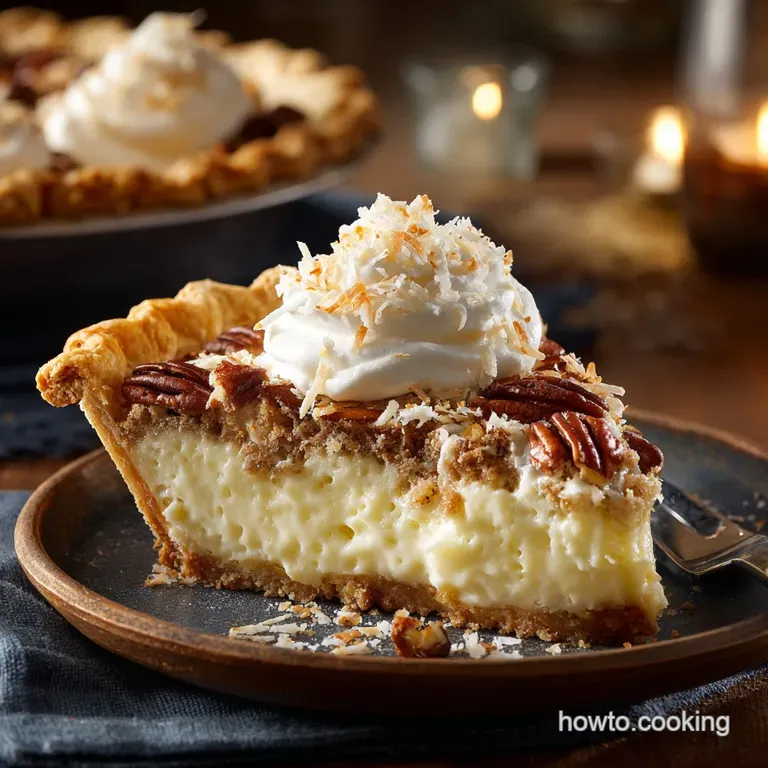
The Italian Cream Pie recipe is best served chilled, straight from the refrigerator. The cool temperature emphasizes the density and creaminess. Top the pie with fresh, stiffly whipped cream (I add a touch of vanilla bean paste for visual appeal) and garnish with a few extra toasted pecan halves right before serving.
A dusting of cocoa powder is a lovely, sophisticated touch.
Tailoring Your Italian Cream Pie: Flavor Variations
While the classic is perfection, sometimes you want to play! Here are a few ways I've customized this wonderful old-fashioned pie.
| Component | Variation Idea | Flavor Profile |
|---|---|---|
| Pecans | Swap for Walnuts or Macadamia Nuts | Softer, slightly sweeter crunch |
| Crust | Use a Graham Cracker or Shortbread Crust | Easier, less flaky, great contrast |
| Zest | Add Lemon or Orange Zest to Filling | Brighter, cleaner finish |
Quick Answers to Common Baking FAQs
If your filling looks a little speckled after mixing, it’s usually because the cream cheese wasn't soft enough. If the lumps are small, they might dissolve, but usually, they remain. Next time, allow an extra 30 minutes for softening!
If your crust seems too dark, remember to tent it with foil during the last 10 minutes of baking. And if the top cracks, don't fret that's what the glorious whipped cream topping is for!
Recipe FAQs
Can I make this Italian Cream Pie ahead of time, and how long will it keep in the fridge?
Absolutely, this pie is a star for preparation; it keeps beautifully wrapped in the fridge for 4 5 days, making it ideal for a proper Sunday lunch or a Bank Holiday gathering, but always add the whipped cream just before serving.
I've made cheesecake before, but how do I guarantee a completely smooth, lump free filling?
The secret, mate, is ensuring your cream cheese is completely at room temperature like spreading butter on hot toast before you start mixing, and scrape the bowl down thoroughly to banish any stray lumps.
How do I know when the pie is properly baked, and is the long chilling time really necessary?
When it comes out of the oven, the edges should be set while the centre should have a gentle wobble, akin to a wobbly bit of set jelly; the full four hour chill is non-negotiable, or you'll end up with a proper mess when slicing.
I'm not keen on pecans, are there good alternatives, or can I skip the nuts entirely?
Pecans are traditional, but walnuts or blanched slivered almonds are a cracking substitute for the crunch, or you can skip the nuts and simply double up on the toasted coconut for texture.
Any foolproof tips for getting that flaky, shortcrust pastry base without it shrinking in the oven?
Cold is your best friend here, so use very cold butter and ice water, and crucially, chill the rolled out crust in the pie plate before the blind bake; this prevents shrinkage and gives you that lovely flaky texture.
Classic Italian Cream Pie Recipe
Ingredients:
Instructions:
Nutrition Facts:
| Calories | 1384 kcal |
|---|---|
| Protein | 19.6 g |
| Fat | 63.2 g |
| Carbs | 51.6 g |
| Fiber | 1.3 g |
| Sugar | 2.5 g |
| Sodium | 669 mg |
