Old Fashioned Peanut Butter Pie: Proper Creamy Dream (No-Bake)
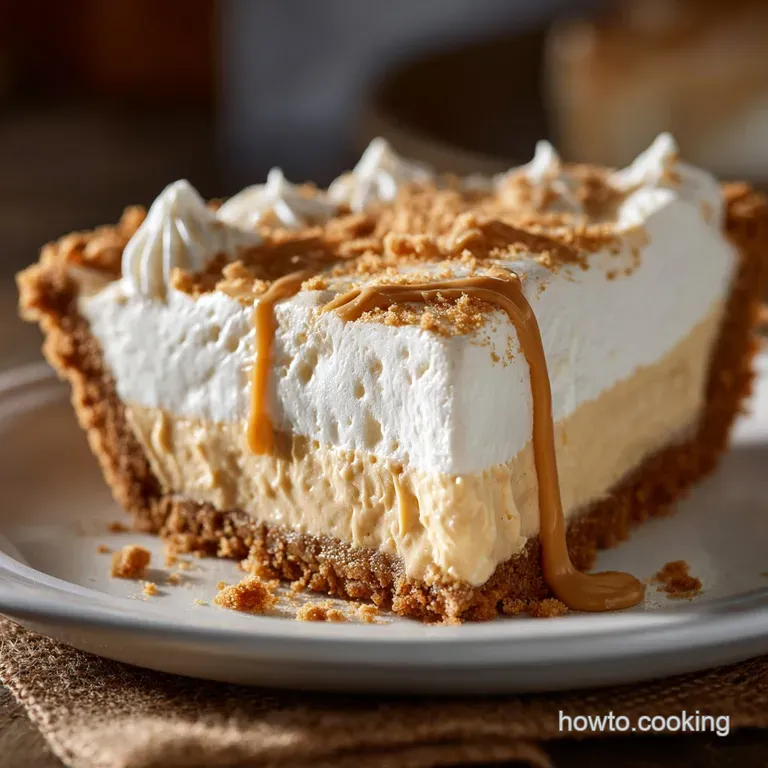
- The Proper Creamy Dream: Old Fashioned No-Bake Peanut Butter Pie
- The Secret to Stability: Why This Old Fashioned Peanut Butter Pie Sets Perfectly
- Essential Building Blocks: Ingredients for Your Dreamy Peanut Butter Filling and Crust
- Mastering the Mousse: Step-by-Step Guide to Making Old Fashioned Peanut Butter Pie
- Troubleshooting & Technique: Ensuring a Perfect Peanut Butter Pie Set
- Make-Ahead Mastery: Storage, Freezing, and Thawing Guide
- Perfect Pairings: What to Serve Alongside Your Creamy Pie
- Recipe FAQs
- 📝 Recipe Card
The Proper Creamy Dream: Old Fashioned No-Bake Peanut Butter Pie
When you slice into this classic dessert, you immediately notice the texture. It isn't stiff like gelatin; it's airy, smooth, and shockingly creamy. The rich, salty scent of real peanut butter hits you first, quickly followed by the comforting sweetness of the buttery graham cracker crust.
This is exactly what the Old Fashioned Peanut Butter Pie should smell and feel like.
Honestly, this recipe is a lifesaver when you need a dramatic dessert without touching the oven. It uses simple pantry staples, it’s ridiculously cheap, and the actual hands-on time is maybe twenty minutes tops.
It looks incredibly fancy but requires almost zero technical skill, which is perfect for my weeknights.
So, forget everything you thought you knew about overly complicated pies. We are cutting straight to the chase and making a truly exceptional, crowd pleasing, no-fuss creamy dream that sets up beautifully every single time. Let's crack on with the real deal Old Fashioned Peanut Butter Pie recipe.
The Secret to Stability: Why This Old Fashioned Peanut Butter Pie Sets Perfectly
The History of the Humble Peanut Butter Dessert
Peanut butter pie really came into its own in the mid-20th century, especially in the American South. It was a dessert of convenience, capitalizing on the availability of affordable, shelf stable peanut butter. Unlike fussy fruit pies, this was simple, reliable, and didn't require seasonal ingredients.
Why No-Bake Equals Better Texture
The beauty of this pie is that we rely entirely on temperature and dairy fat to achieve structure, not heat. Baking turns the filling dense and dry, but chilling creates a mousse like filling that is impossibly light. If you are ever tempted by baked recipes, just remember how much better this NoBake Peanut Butter Pie: Ultra Creamy, Easy Dream Dessert tastes when it’s airy and cool.
Sweet vs. Salty: Achieving the Perfect Flavor Balance
The key to an "old fashioned" flavor is the salty/sweet dynamic. We use conventional, commercial peanut butter (like Jif or Skippy) because it has added salt and stabilizers that intensify the flavor. This provides the necessary punch to cut through the sweetness of the cream and sugar.
The Role of Cream Cheese in Mousse Structure
Cream cheese is the unsung hero here. When fully softened and whipped until fluffy, it provides a stable, tangy base that traps air and prevents the peanut butter mixture from weeping. Without the cream cheese, the heavy cream would collapse under the weight of the peanut butter, resulting in a runny mess.
Whipped Cream Folding Technique for Airiness
When incorporating the stiff peaked heavy cream, you must use a gentle folding motion, cutting down the center and sweeping the mixture over the top. You are mixing with your spatula, not your elbow.
Over mixing means you deflate all that beautiful air you whipped in, leaving you with a filling that sets like fudge instead of a cloud.
Optimizing Chill Time for Slicing
This pie is never an impulse dessert. It needs time to fully gel and stabilize, allowing the fats in the cream cheese and heavy cream to solidify completely. I recommend a minimum of 4 hours, but overnight is truly non-negotiable if you want sharp, clean slices for presentation.
Essential Building Blocks: Ingredients for Your Dreamy Peanut Butter Filling and Crust
I always tell my friends: the ingredients list for the Old Fashioned Peanut Butter Pie is short, so make sure they are good quality. Don't skimp on the full fat dairy here; this isn't the recipe for low-fat experiments.
Choosing the Right Peanut Butter (Jif vs. Natural)
Listen, I love fancy natural peanut butter just as much as the next person, but not for this pie. Natural peanut butter, with its separated oils, destabilizes the entire structure of the mousse. Stick to conventional, smooth peanut butter (Jif, Skippy, Peter Pan). No substitutes here.
Best Dairy Fats for Richness (Cream Cheese & Heavy Cream)
You need the highest fat content available. Full fat block cream cheese is essential. Similarly, heavy whipping cream (labeled as double cream in the UK) must have at least 35% milkfat to whip to stiff peaks.
| Ingredient | My Recommendation | Substitution |
|---|---|---|
| Heavy Cream | Full fat (very cold) | Well chilled, full fat Coconut Cream (solids only) |
| Cream Cheese | Full fat block, softened | Full fat Mascarpone (slightly milder flavor) |
| Vanilla | Pure vanilla extract | Vanilla paste or bourbon (adds depth) |
Graham Cracker Crust vs. Cookie Crust Alternatives
A classic graham cracker crust offers the perfect crunch and subtle cinnamon note. If you can't find them, crushed vanilla wafers work beautifully. You could also use crushed Oreos for a dramatic chocolate base, creating a totally different (but equally delicious) experience just remember to skip the extra sugar if you use Oreos! This crust is much easier than making a pastry shell for something like my Maple Pecan Pie Recipe with Brown Butter and No Corn Syrup , which requires precision.
Sweetener Swaps: Powdered Sugar vs. Granulated
We use powdered sugar (icing sugar) exclusively in the filling. Why? It dissolves instantly and includes a small amount of cornstarch, which actually assists in stabilization, helping the pie hold its shape better. Do not substitute with granulated sugar unless you want a gritty filling.
Mastering the Mousse: step-by-step Guide to Making Old Fashioned Peanut Butter Pie
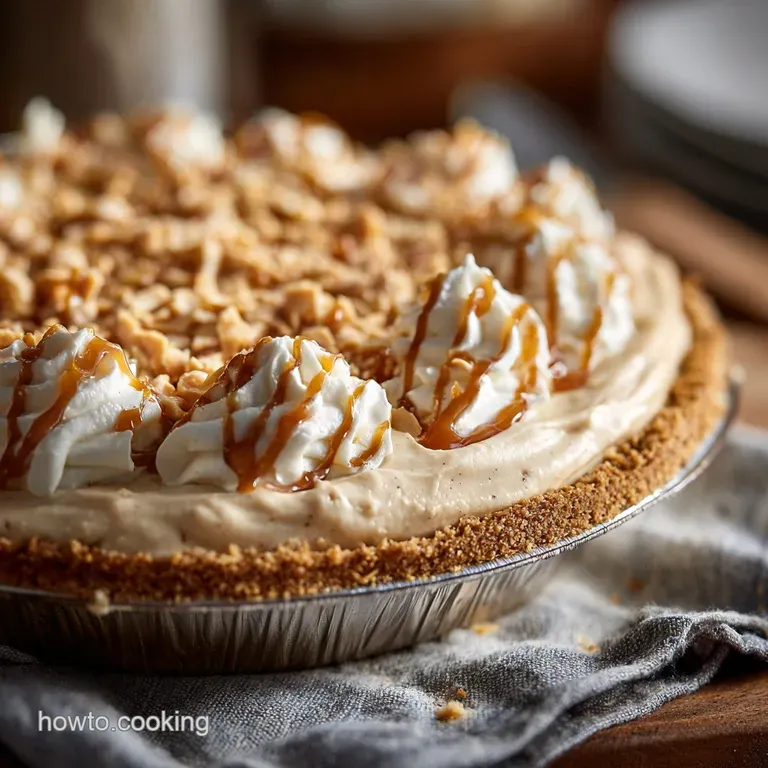
This is where technique matters, but only in terms of temperature and patience. Follow these steps exactly, and you will nail the creamy peanut butter filling .
Preparing the Golden Graham Cracker Base
Crush those crackers until they are fine crumbs; larger pieces make slicing messy. Mix them with the melted butter until they resemble wet sand it should clump when squeezed. Press the crust firmly into the pie dish, especially up the sides. A measuring cup base is perfect for this.
Chill it immediately for 15 minutes to lock in that buttery structure.
Creating the Velvety Peanut Butter Mixture
First, beat that softened cream cheese until it looks like fluffy cloud no lumps allowed! Then, add the room temperature peanut butter and beat until everything is lightened up and fully combined. Finally, slowly incorporate your sifted powdered sugar and vanilla on low speed. We want it smooth, not airy yet.
Achieving Stiff Peaks in the Heavy Cream
This is critical. Use a very clean, cold bowl and pour in your icy heavy cream. Whip it on medium high until the peaks hold their shape perfectly when you lift the whisk. They should look firm and stable. If you under whip, your pie will be runny.
Chef's Note: I once tried to whip cream in a warm bowl and it never got past the soft peak stage. Temperature matters! If your kitchen is warm, chill your mixing bowl for 10 minutes beforehand.
Gentle Folding and Filling the Shell
Remove the stiff whipped cream from the fridge. Take about a third of it and fold it into the peanut butter mixture to lighten it, making the remaining folding easier. Then, gently fold in the remaining cream in two additions. Remember, gentle folding preserves the air.
Spoon the velvety filling immediately into the chilled crust and smooth the top.
Troubleshooting & Technique: Ensuring a Perfect Peanut Butter Pie Set
This recipe is simple, but there are a few common pitfalls that can ruin the texture.
Why Your Filling is Too Soft (Fixing Runny Pie)
The filling is too soft for two reasons: 1) You used natural peanut butter, or 2) You did not whip the heavy cream to true stiff peaks , or 3) You over folded and deflated the mixture. If it seems too soft before chilling, unfortunately, there isn't much you can do now.
Next time, ensure the cream is stiff and the cream cheese is fully softened.
Preventing a Soggy Graham Cracker Crust
The enemy of a crunchy crust is moisture, and the enemy of moisture is butter and chilling. By pressing the crust firmly and chilling it for at least 15 minutes before filling, you create a barrier.
If you like an extra layer of protection, you can very lightly brush the chilled crust bottom with melted white chocolate and let that set before adding the filling.
Avoiding Over Whipping the Dairy Components
While you need stiff peaks for the heavy cream, be careful not to over whip the cream cheese/peanut butter mixture once the powdered sugar is added. Over beating at that stage can sometimes break the fat emulsion, making the filling greasy or grainy, rather than smooth.
make-ahead Mastery: Storage, Freezing, and Thawing Guide
The beauty of the Old Fashioned Peanut Butter Pie is that it must be made ahead.
Short Term Refrigeration Techniques
This pie keeps beautifully in the refrigerator for up to 4 days , provided it is properly covered. Wrap it loosely but thoroughly with plastic wrap, making sure the plastic doesn't press down on the delicate topping. Store it towards the back of the fridge where the temperature is most stable.
Can You Freeze Peanut Butter Pie?
But does it freeze well? You bet! This is one of the best desserts for freezing.
- Freeze Un-Garnished: Fully set the pie overnight in the fridge before adding the whipped cream topping.
- Wrap Tightly: Wrap the chilled, uncovered pie tightly in two layers of plastic wrap, then an outer layer of aluminum foil.
- Label: Label the date. It holds quality for up to 2 months.
The Best Way to Thaw Without Texture Loss
To thaw, remove the foil and plastic wrap and place the pie on the counter for 30 minutes, then move it immediately to the refrigerator. Thaw overnight in the fridge.
Do not thaw at room temperature, as this rapid change can cause moisture condensation and make the crust soggy. Add the fresh topping (extra heavy whipping cream) just before serving.
Perfect Pairings: What to Serve Alongside Your Creamy Pie
This rich, classic peanut butter pie needs something simple and contrasting alongside it.
- Hot Coffee: A strong, black coffee is the ultimate counterpoint to the richness.
- Fresh Berries: A small side of raspberries or strawberries adds essential acidity and brightness.
- Chocolate Sauce: A simple dark chocolate drizzle is always a winner. You can even melt down a few squares of good quality chocolate to top it off.

Recipe FAQs
Why is my peanut butter filling runny and not setting properly?
This is often due to either insufficient beating of the cream cheese base or the deflating of the whipped cream stabilizer. Ensure your cream cheese and butter are perfectly softened before mixing to avoid lumps, and whip the heavy cream (or use cold, stable commercial whipped topping) to stiff peaks before gently folding it into the peanut butter mixture.
Can I use natural (oil-on-top) peanut butter instead of commercial creamy brands like Jif or Skippy?
While you can attempt this, it is generally not recommended for the best results, as the separated oils in natural peanut butter can prevent the filling from achieving a firm, stable set.
If you must use a natural brand, ensure it is stirred absolutely thoroughly and consider adding an extra tablespoon of powdered sugar, as the cornstarch helps absorb excess moisture.
How long will this pie keep in the refrigerator, and can I freeze leftovers?
The pie is best when served within 2 to 3 days, though it will keep covered tightly in the refrigerator for up to 4 days; note that the crust may begin to soften slightly over time.
This pie freezes very well; wrap it tightly in plastic wrap followed by aluminum foil, and it will stay fresh for about one month, thawing best overnight in the fridge.
My filling tastes slightly gritty. What did I do wrong?
Grittiness in a no-bake filling is usually caused by using granulated sugar instead of powdered sugar (confectioner's sugar). Since there is no baking or heat applied, the large crystals of granulated sugar cannot dissolve fully into the cold mixture.
Always use fine powdered sugar in no-bake mousse fillings for the proper velvety texture.
What other crust variations pair well with the peanut butter filling?
The graham cracker crust is traditional, but a chocolate cookie crust (made with crushed Oreos or chocolate wafers) creates a wonderful salty sweet contrast. For a truly unique texture, you can also substitute the graham crackers with finely crushed salted pretzels, offering a magnificent salty crunch.
Can this recipe be adapted to be vegan or dairy-free?
Yes, but careful substitution is needed to ensure stability. You must use a dairy-free cream cheese alternative and substitute the heavy cream with stabilized chilled coconut cream (using the solid part only) or a high-quality commercial vegan whipped topping.
Ensure your crust components, including graham crackers, are certified vegan.
Do I need to bake the graham cracker crust first, even if the filling is no-bake?
While a no-bake crust is perfectly acceptable, baking the crust for 8-10 minutes before filling it is highly recommended. Baking lightly helps toast the graham crackers, yielding a firmer structure that holds its shape better and prevents the filling’s moisture from making the crust soggy.
Classic Old Fashioned Peanut Butter Pie
Ingredients:
Instructions:
Nutrition Facts:
| Calories | 550 kcal |
|---|---|
| Protein | 11.0 g |
| Fat | 43.0 g |
| Carbs | 35.0 g |
