Cracker Barrel Meatloaf Recipe: Tender and Glazed
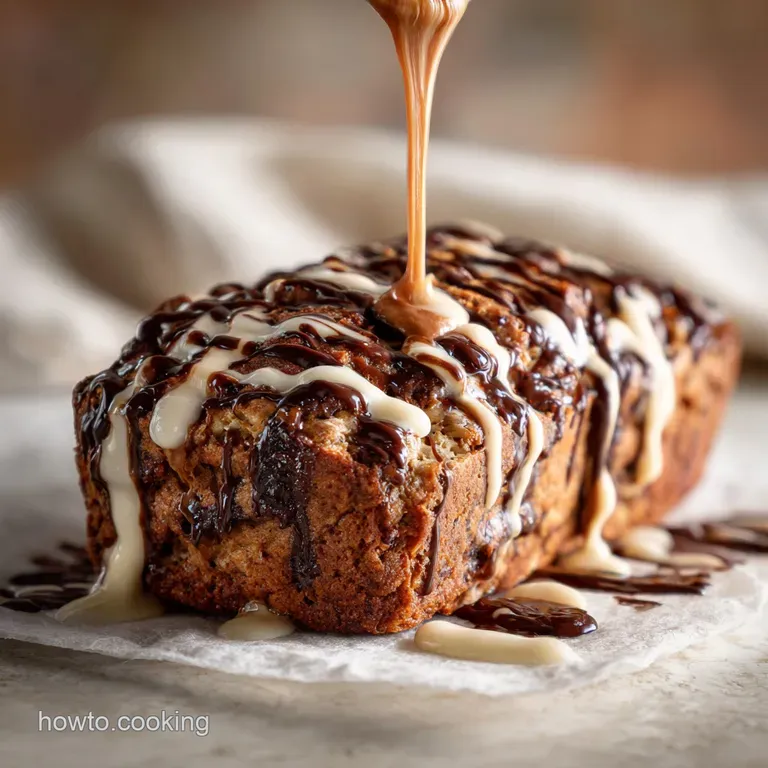
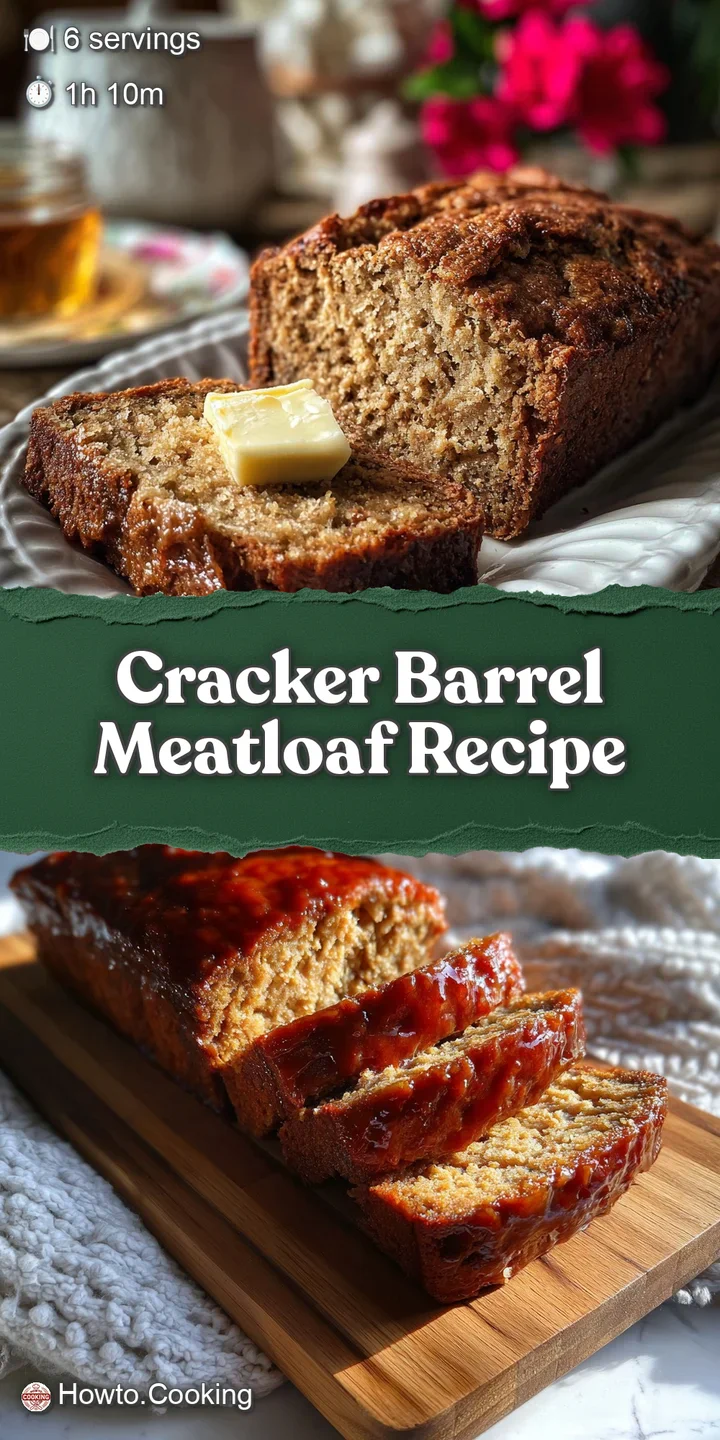
- Time: Active 15 minutes, Passive 55 minutes, Total 1 hours 10 mins
- Flavor/Texture Hook: Velvety interior with a shatter crisp glazed crust
- Perfect for: Sunday family dinner or high protein meal prep
- Mastering This Cracker Barrel Meatloaf Recipe
- The Physics of the Tender Crumb
- Essential Recipe Timing and Yield
- Component Breakdown and Strategic Substitutes
- Required Kitchen Tools and Equipment
- Step-By-Step Preparation and Baking
- Solving Common Texture Issues
- Custom Variations and Scaling Rules
- Storage and Leftover Management
- Wholesome Sides and Pairing Ideas
- High in Sodium
- Cracker Barrel Meatloaf FAQs
- 📝 Recipe Card
Mastering This Cracker Barrel Meatloaf Recipe
The kitchen smells like woodsmoke and sweet tomatoes, a scent that immediately pulls me back to those heavy wooden rocking chairs on a country porch. I remember the first time I tried to recreate this dish; I treated it like a standard burger mix and ended up with something as tough as a literal barrel.
It was a humbling moment that taught me meatloaf isn't just about the meat - it's about the chemistry of the binder.
You'll find that this version isn't just another heavy brick of beef. It has a specific lightness, almost a velvety crumb, that comes from treating the ingredients with a bit of gentleness. We've all had those dry, crumbly slices that fall apart the second the knife touches them, but we're moving past that today.
This is the meal that makes people ask for seconds before they've even finished their first slice.
We're going to focus on getting that signature texture exactly right while keeping things nutritious and flavorful for the whole family. I've learned the hard way that overworking the meat is the enemy of a good loaf, so we'll walk through the "light touch" method together.
Trust me, once you see how these simple components transform in the oven, you'll never go back to using plain breadcrumbs again.
The Physics of the Tender Crumb
Starch Hydration: Crushed crackers act like tiny sponges, absorbing the milk and egg proteins to create a soft gel that prevents the beef fibers from tightening into a dense mass.
Fat Emulsification: The inclusion of finely shredded cheddar cheese provides tiny pockets of fat that melt during the bake, self basting the meat from the inside out.
Maillard Reaction: The brown sugar in the glaze reacts with the meat's surface proteins under high heat, creating a complex, savory sweet crust that locks in moisture.
Protein Denaturation: Salt begins to break down the lean muscle fibers in the 80/20 beef, allowing them to knit together without the need for aggressive mixing.
| Method | Cook Time | Texture | Flavor Depth |
|---|---|---|---|
| Classic Oven | 55 minutes | Velvety and firm | High caramelization |
| Air Fryer | 30 minutes | Extra crispy edges | Moderate char |
| Slow Cooker | 4 hours | Soft and succulent | Mild sweetness |
The choice of cooking method impacts how the proteins set, much like the precision needed for a Homemade Italian Meatball Recipe to ensure it doesn't become rubbery. If you choose the classic oven method, the steady dry heat allows the glaze to set into a beautiful, tacky lacquer that is essentially the hallmark of this dish.
Essential Recipe Timing and Yield
| Feature | Specification |
|---|---|
| Total Yield | 6 generous servings |
| Beef Weight | 1.5 lbs |
| Internal Temp | 160°F |
| Resting Time | 10 minutes |
Finding the right balance of ingredients is vital for a wholesome result that satisfies everyone at the table. We use a specific ratio of binder to meat to ensure the loaf holds its shape while remaining tender enough to cut with the side of a fork.
Component Breakdown and Strategic Substitutes
| Ingredient | Science Role | Pro Secret |
|---|---|---|
| 1.5 lbs Ground Beef | Structural Base | Use 80/20 ratio for essential moisture and flavor. |
| 2 cups Ritz Crackers | Starch Binder | Crushing them into coarse crumbs creates better texture than fine powder. |
| 4 oz Sharp Cheddar | Fat/Flavor | Shred it yourself from a block for better melting properties. |
| 2 tbsp Brown Sugar | Glaze Catalyst | This creates the sticky, tacky finish that prevents the meat from drying out. |
When you're selecting your elements, remember that quality matters for a flavorful outcome. I always suggest using whole milk rather than skim, as the extra fat content helps carry the flavor of the onion and bell pepper throughout the entire loaf.
- 1.5 lbs ground beef (80/20 ratio): Why this? The 20% fat content is necessary to prevent a dry, sandy texture.
- 2 large eggs: Why this? Acts as the primary protein glue to hold the shape.
- 2/3 cup whole milk: Why this? Hydrates the crackers to create a panade.
- 2 cups Ritz crackers (crushed): Why this? Adds a buttery richness that plain breadcrumbs lack.
- 1/2 cup yellow onion (minced): Why this? Provides moisture and aromatic depth as it softens.
- 1/2 cup green bell pepper (minced): Why this? Adds a subtle earthiness characteristic of the original dish.
- 4 oz sharp cheddar cheese (shredded): Why this? Creates savory pockets and helps bind the meat.
- 1/2 tsp kosher salt and 1/4 tsp black pepper: Why this? Essential for seasoning the protein layers.
- Glaze Components: 1/2 cup ketchup, 2 tbsp brown sugar, 1 tsp yellow mustard, 1/2 tsp Worcestershire sauce.
| Original Ingredient | Substitute | Why It Works |
|---|---|---|
| Ritz Crackers | Saltines | Similar salt levels. Note: Slightly less buttery finish. |
| Green Bell Pepper | Celery | Provides crunch and moisture without the pepper flavor. |
| Sharp Cheddar | Monterey Jack | Melts beautifully but offers a milder, creamier profile. |
Chef Tip: For the best results, mince your vegetables as finely as possible. Large chunks of onion or pepper create structural weak points that can cause your meatloaf to split during slicing.
Required Kitchen Tools and Equipment
You don't need a professional kitchen to achieve this flavorful result, but a few specific tools make the process much smoother. I prefer using a 9x5 inch loaf pan for a classic shape, but you can also form it free hand on a rimmed baking sheet if you want more surface area for that delicious glaze.
A large mixing bowl is essential, but the real secret tool is your own hands. Using a spoon often leads to over mixing, while your hands allow you to feel when the ingredients are just combined.
You'll also want a small whisk or fork for the glaze to ensure the brown sugar and mustard are fully incorporated into the ketchup.
- 9x5 inch loaf pan: Helps the meatloaf retain its height and moisture.
- Large mixing bowl: Provides enough space to toss the ingredients gently.
- Box grater: Necessary for shredding the cheddar cheese finely.
- Instant read thermometer: The only way to guarantee a safe 160°F internal temp without overcooking.
step-by-step Preparation and Baking
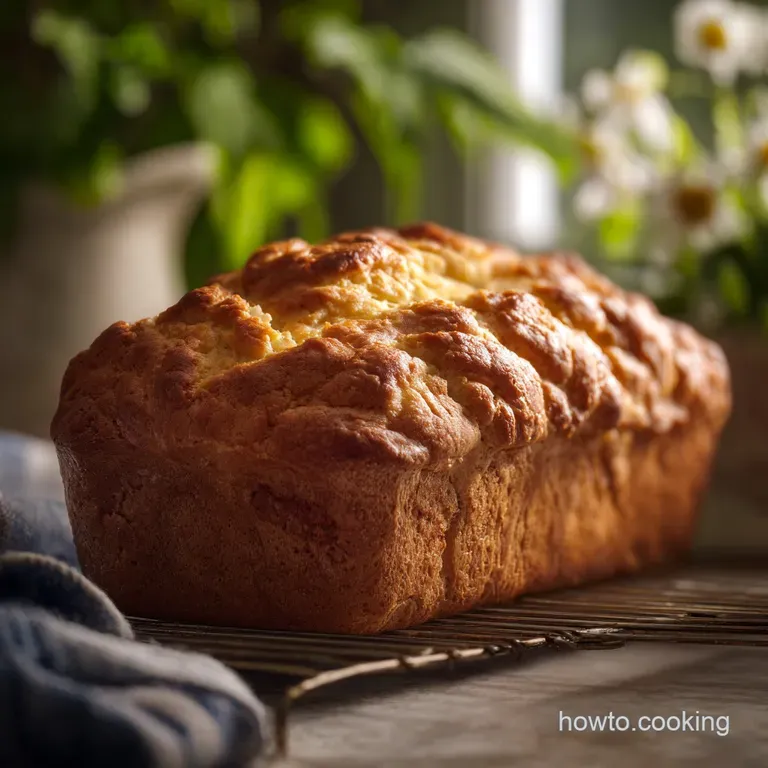
- Preheat your oven to 350°F and lightly grease your loaf pan. Note: This prevents the exterior from sticking and tearing.
- Whisk the wet ingredients including the 2 eggs and 2/3 cup whole milk in your large bowl.
- Stir in the binders by adding the 2 cups of crushed crackers, 4 oz shredded cheddar, 1/2 cup minced onion, and 1/2 cup minced bell pepper.
- Season the mixture with the 1/2 tsp kosher salt and 1/4 tsp cracked black pepper.
- Add the ground beef to the bowl, breaking it apart with your fingers as you drop it in.
- Combine with a light touch by folding the ingredients together until just barely uniform in color.
- Press the mixture into your prepared pan or form a loaf on a baking sheet.
- Mix the signature glaze by whisking the 1/2 cup ketchup, 2 tbsp brown sugar, 1 tsp mustard, and 1/2 tsp Worcestershire sauce.
- Apply the first layer of glaze using about half of the mixture, spreading it evenly across the top.
- Bake for 55 minutes until the center is firm and the edges are bubbling. Apply the remaining glaze during the last 15 minutes of cooking.
Using a Classic Meatloaf Glaze Recipe technique of two stage application ensures that the first layer cooks into the meat while the second layer stays shiny and vibrant. Always let the meat rest for at least 10 minutes before you even think about slicing it; this allows the juices to redistribute and the cheese to set.
Solving Common Texture Issues
Crumbly or Falling Apart
This usually happens because the binder didn't have enough moisture to activate. If your crackers were too dry or you used extra lean beef, the proteins won't stick together. Make sure you use the full 2/3 cup of milk and don't skip the eggs.
Excessive Grease or Oil
Using beef with a fat content higher than 20% can lead to a pool of grease in your pan. If this happens, you can carefully drain the liquid halfway through the bake. Alternatively, baking the loaf on a wire rack set over a sheet pan allows the fat to drip away.
Dry and Tough Meat
The number one culprit for a dry loaf is over mixing. When you work the beef too much, you develop the proteins into a rubbery texture. Mix until the ingredients are just combined, then stop. Using an instant read thermometer to pull the meat at exactly 160°F also prevents moisture loss.
| Problem | Root Cause | Solution |
|---|---|---|
| Falling apart | Too little hydration | Increase milk slightly or use larger eggs. |
| Soggy bottom | Trapped fat | Bake on a rimmed sheet instead of a loaf pan. |
| Burnt glaze | High sugar heat | Apply second half of glaze later in the bake. |
Common Mistakes Checklist - ✓ Pat your vegetables dry if they are very watery after mincing. - ✓ Avoid using "fine" breadcrumbs; stick to the coarse Ritz crackers. - ✓ Do not pack the meat into the pan too tightly - keep it airy.
- ✓ Ensure your oven is fully preheated before the loaf goes in. - ✓ Always use a meat thermometer to check doneness (160°F). - ✓ Let the loaf rest 10 minutes to ensure clean slices.
Custom Variations and Scaling Rules
Adding Heat and Zest
If you want to move away from the traditional profile, you can swap the yellow mustard for a spicy Dijon or add a teaspoon of smoked paprika to the meat mix. It adds a wholesome depth without overwhelming the nostalgic flavor of the original.
Scaling the Recipe
- Down (1/2 size): Use 0.75 lbs of beef and 1 egg. Reduce baking time by about 20 minutes and use a smaller mini loaf pan to maintain the height.
- Up (2x size): Use two separate loaf pans rather than one giant one. Large loaves often cook unevenly, leaving the center raw while the outside dries out.
- Baking (2x): Keep the temperature at 350°F but expect the total time to increase by 10-15 minutes if both pans are in the oven together.
| Premium Ingredient | Practical Alternative | Flavor Impact |
|---|---|---|
| Grass fed Beef | Standard 80/20 Beef | Standard beef is often juicier for meatloaf. |
| Fancy Aged Cheddar | Pre shredded Sharp | Pre shredded is convenient but can be waxier. |
| Fresh Bell Peppers | Frozen Pepper Mix | Frozen works fine if thawed and drained well. |
If you are looking for a different crunch for your binder, you might experiment with the texture found in a Crisp Sourdough Butter recipe which offers a more fermented tang than the standard buttery cracker.
Storage and Leftover Management
Storage Guidelines: This meatloaf stays flavorful in the fridge for up to 4 days when stored in an airtight container. If you want to freeze it, I suggest slicing it first and wrapping individual slices in plastic wrap before placing them in a freezer bag. They will stay fresh for up to 3 months.
Zero Waste Tips: Leftover slices make the absolute best sandwiches. Cold meatloaf on sourdough bread with a bit of extra mustard is a classic for a reason. If you have the "ends" that are too small for a sandwich, crumble them into a skillet with some potatoes and onions to make a hearty breakfast hash.
Even the leftover glaze can be saved and used as a dipping sauce for roasted potatoes the next day.
Wholesome Sides and Pairing Ideas
To keep this meal balanced and nutritious, I love pairing it with something green and something starchy. A pile of garlic mashed potatoes is the traditional choice, as it soaks up any extra glaze perfectly.
For a vegetable, roasted green beans or a simple slaw provides a fresh crunch that cuts through the richness of the beef and cheddar.
If you are serving this for a holiday or a large gathering, it pairs beautifully with a Thanksgiving Stuffing recipe for a double dose of comfort food. The savory herbs in the stuffing complement the sweetness of the meatloaf glaze in a way that feels very intentional and high end. Always remember that a good meal is about the balance of textures, so don't be afraid to serve something crisp alongside this velvety loaf.
High in Sodium
945 mg mg of sodium per serving (41% % of daily value)
The American Heart Association recommends limiting sodium intake to no more than 2,300mg per day for most adults.
Tips to Reduce Sodium in Your Meatloaf
-
Low-Sodium Cheese Swap-15%
Replace the sharp cheddar cheese with a low-sodium cheddar or Swiss cheese. This simple swap can significantly cut down on the sodium content. Look for cheeses labeled 'low sodium' or 'reduced sodium'.
-
Reduce Added Salt-10%
Eliminate or significantly reduce the 1/2 teaspoon of kosher salt added to the meat mixture. Taste the meatloaf before baking and adjust only if absolutely necessary. Remember, other ingredients already contain sodium. Try replacing some of the salt with onion powder, garlic powder, or paprika.
-
Low-Sodium Ketchup-10%
Use a low-sodium or no-salt added ketchup. Alternatively, make your own ketchup using fresh or canned (no-salt added) tomatoes, vinegar, and spices. You can control the amount of sodium. Look for no salt added versions of ketchup.
-
Worcestershire Reduction-5%
Reduce or eliminate the Worcestershire sauce. It is a significant source of sodium. If you choose to keep it, use it sparingly, or look for a low sodium alternative, although that may be difficult to find.
-
Enhance Flavor with Fresh Herbs
Use fresh herbs like parsley, thyme, or oregano to enhance the flavor of the meatloaf. Herbs can add depth and complexity without increasing sodium content. Get creative with your favorite herb combinations.
Cracker Barrel Meatloaf FAQs
What are the ingredients in Cracker Barrel meatloaf?
The key ingredients are ground beef (80/20), crushed Ritz crackers, eggs, milk, minced onion, bell pepper, and sharp cheddar cheese. The signature glaze typically combines ketchup, brown sugar, mustard, and Worcestershire sauce for that sweet and tangy finish.
What kind of sauce goes on cracker barrel meatloaf?
It uses a sweet and tangy ketchup based glaze that caramelizes during baking. The brown sugar in the glaze is crucial as it reacts with the meat’s surface proteins during the Maillard reaction, creating a sticky, savory crust.
What is the secret to the best meatloaf?
Using crushed crackers instead of plain breadcrumbs provides a buttery richness and superior moisture retention. The secret lies in the binder's chemistry; mastering this gentle mixing technique is vital, similar to how you must control the texture when making a Ground Beef Enchiladas recipe without
overworking the filling.
Is Cracker Barrel meatloaf microwaved?
No, the official preparation method relies on oven baking for proper crust development and even cooking. Microwaving will result in a steamed texture and prevents the brown sugar in the glaze from properly caramelizing into that characteristic crust.
How to prevent my meatloaf from becoming dry and tough?
Mix the meat and binder ingredients gently until they are just combined, avoiding overworking. Overmixing develops the meat proteins too much, leading to a rubbery texture; think of it like preparing dough gently, which is a technique you’ll see applied to ensure tenderness in our Buffalo Sauce
Recipe base when building flavor.
Can I use a leaner ground beef than 80/20?
You can, but it is strongly discouraged for achieving the authentic texture. The 20% fat content is necessary because it melts during cooking, essentially self basting the loaf and keeping the cracker and-milk binder moist.
How long should the meatloaf rest after baking?
Allow the meatloaf to rest for at least 10 minutes after removing it from the oven. This resting period is essential for allowing the internal juices, which are pushed to the center by the heat, to redistribute throughout the loaf structure.
Cracker Barrel Meatloaf Recipe
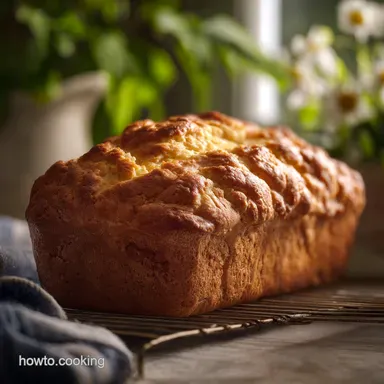
Ingredients:
Instructions:
Nutrition Facts:
| Calories | 578 kcal |
|---|---|
| Protein | 28 g |
| Fat | 33 g |
| Carbs | 29 g |
| Fiber | 1 g |
| Sugar | 12 g |
| Sodium | 945 mg |
