Creamy Beef and Shells One-Pot
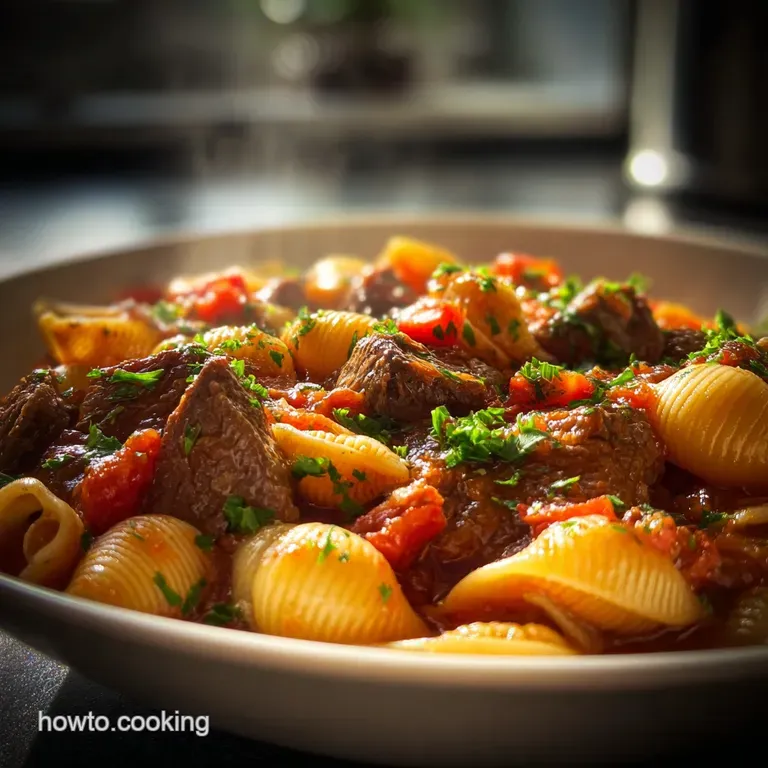
- Time: Active 10 minutes, Passive 20 minutes, Total 30 minutes
- Flavor/Texture Hook: Velvety cheese sauce with savory beef
- Perfect for: Stress free weeknight family dinners
- Crafting Comfort with Creamy Beef and Shells
- The Physics of the Emulsion
- Component Analysis for Better Results
- Essential Ingredients for Wholesome Meals
- The Right Tools for Success
- Step-by-Step Cooking Process
- Troubleshooting Common Kitchen Mistakes
- Flavor Variations for Every Palate
- Myths About One Pot Pasta
- Smart Storage and Reheating Tips
- Perfect Pairings for Your Table
- High in Sodium
- Recipe FAQs
- 📝 Recipe Card
Crafting Comfort with Creamy Beef and Shells
The sizzle of lean ground beef hitting a preheated skillet is the soundtrack to my favorite Tuesday nights. There is something grounding about the aroma of onions softening in rendered fat, a scent that signals the transition from a frantic workday to a restorative family meal.
I remember the first time I attempted this dish; I rushed the browning process and ended up with gray, steamed meat instead of the deep, savory crust that provides the foundation for everything else.
Learning to trust the heat changed my kitchen game entirely. Now, I wait for that distinct crackle before even thinking about moving the spatula. This isn't just a meal; it's a reliable victory when you need something nutritious that every person at the table will actually eat.
We are moving past the boxed versions of our childhood and stepping into a version that feels intentional and bold.
You can expect a sauce that clings to every curve of the pasta shells, providing a rich mouthfeel without feeling heavy. We are using real components like sharp cheddar and softened cream cheese to achieve a texture that is legitimately velvety.
It is a straightforward process, but the nuances in how we layer the flavors will make this a recurring request in your household.
The Physics of the Emulsion
Starch Suspension: Cooking the pasta directly in the beef broth releases amylose molecules into the liquid, which acts as a natural thickening agent.
Fat Integration: Adding softened cream cheese at the end creates a stable emulsion with the pasta water, preventing the cheddar from becoming oily or stringy.
| Servings | Ingredient Adjustments | Pan Size | Cook Time |
|---|---|---|---|
| 2 people | 1/3 lb beef, 4 oz shells | 8 inch skillet | 20 minutes |
| 4 people | 2/3 lb beef, 8 oz shells | 10 inch skillet | 25 minutes |
| 6 people | 1 lb beef, 12 oz shells | 12 inch skillet | 30 minutes |
Scaling this recipe is simple as long as you maintain the ratio of liquid to pasta. If you are feeding a larger crowd, ensure your skillet is wide enough to allow the broth to simmer evenly across the surface. For those who enjoy variety in their pasta nights, you might also find success with the techniques used in our Beef and Rotini recipe.
Component Analysis for Better Results
| Ingredient | Science Role | Pro Secret |
|---|---|---|
| Medium Shells | Surface Area | The hollow interior traps sauce like a tiny bowl for maximum flavor. |
| Cream Cheese | Stabilizer | Prevents the sharp cheddar from breaking or graining under heat. |
| Tomato Sauce | Acidity | Cuts through the richness of the beef fat and heavy cream. |
| Smoked Paprika | Phenolic Compounds | Provides a wood fired depth that mimics hours of slow simmering. |
Selecting your elements with care ensures the final result feels wholesome. Using freshly shredded cheese rather than the pre bagged variety is a non negotiable step for achieving that silky consistency we want.
Essential Ingredients for Wholesome Meals
- 1 lb lean ground beef: Provides the protein heavy base. Why this? Leaner cuts prevent the sauce from becoming excessively greasy.
- Substitute: Ground turkey or plant based crumbles for a lighter profile.
- 12 oz medium pasta shells: The vessel for the sauce. Why this? Shells hold the meat and cheese inside their curves.
- Substitute: Rotini or large elbow macaroni.
- 3 cups low sodium beef broth: The primary cooking liquid. Why this? Allows pasta to absorb savory depth while cooking.
- Substitute: Chicken broth or vegetable stock (adds lighter notes).
- 1 cup tomato sauce: Provides the red base. Why this? Adds body and necessary tang to balance the dairy.
- Substitute: Crushed tomatoes for a chunkier texture.
- 4 oz cream cheese: Softened and cubed. Why this? Creates the characteristic "creamy" profile without excess flour.
- Substitute: Mascarpone for an even richer finish.
- 1.5 cups sharp cheddar cheese: Freshly shredded. Why this? Offers a bold punch that mild cheeses lack.
- Substitute: Gouda or Havarti for a meltier, milder taste.
- 0.5 cup heavy cream: The final touch of luxury. Why this? Softens the edges of the sharp cheddar.
- Substitute: Whole milk (results in a thinner sauce).
- 1 yellow onion: Finely diced.
- Substitute: Shallots for a more delicate sweetness.
- 3 cloves garlic: Minced.
- Substitute: 1 tsp garlic powder in a pinch.
- 1 tsp smoked paprika: For depth.
- Substitute: Regular paprika or a dash of chili powder.
- 1 tbsp Worcestershire sauce: The umami booster.
- Substitute: Soy sauce or coconut aminos.
Chef's Tip: Freeze your block of cheddar for 10 minutes before grating. It makes the cheese firmer and prevents it from clumping or melting against the warmth of your hands, leading to a much cleaner shred.
The Right Tools for Success
To execute this dish with confidence, you need a heavy bottomed skillet or a Dutch oven. A 12 inch cast iron or stainless steel pan is ideal because it provides enough surface area for the 1 lb of lean ground beef to brown rather than steam.
You will also need a sturdy wooden spoon or a meat masher to break up the beef into fine crumbles.
A box grater is far superior to a food processor here, as it gives you control over the thickness of the cheese shreds. Finally, ensure you have a liquid measuring cup to accurately gauge the 3 cups of low sodium beef broth.
Precision with the liquid ensures the pasta reaches that "al dente" state without leaving the pan a soupy mess.
step-by-step Cooking Process
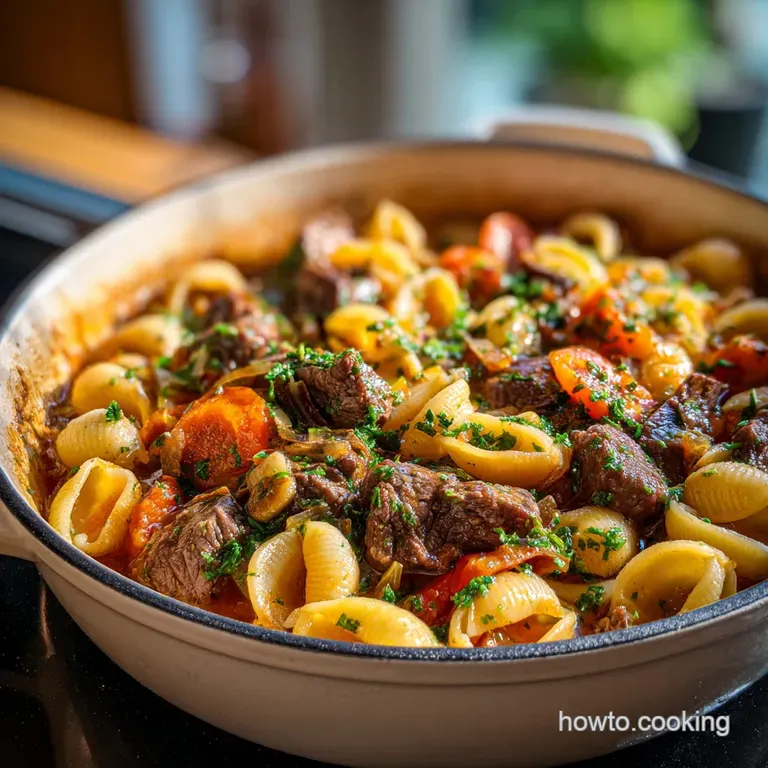
1. Searing for Maximum Flavor
Brown 1 lb lean ground beef in a large skillet over medium high heat. Note: Leave the meat undisturbed for 2 minutes initially to develop a brown crust.
2. Developing the Aromatic Base
Add 1 diced yellow onion to the beef. Cook 5 minutes until the onion is translucent and soft.
3. Activating the Seasonings
Stir in 3 cloves minced garlic, 1 tsp kosher salt, 0.5 tsp pepper, and 1 tsp smoked paprika. Toast for 1 minute until fragrant.
4. Deglazing the Skillet
Pour in 1 tbsp Worcestershire sauce and 1 cup tomato sauce. Note: Scrape the bottom of the pan to release any browned bits (fond).
5. Simmering the Shells
Add 12 oz medium pasta shells and 3 cups low sodium beef broth. Bring to a boil, then reduce to a simmer.
6. Managing the Texture
Cover and cook for 10-12 minutes. Stir occasionally until the pasta is tender and liquid is reduced.
7. Integrating the Cream Cheese
Stir in 4 oz cubed cream cheese. Whisk with your spoon until the white streaks vanish.
8. Achieving the Velvet Touch
Lower heat and fold in 0.5 cup heavy cream and 1.5 cups shredded cheddar. Stir until the cheese is fully melted and glossy.
9. The Fresh Finish
Remove from heat and sprinkle with 1 tbsp fresh parsley. Let it sit for 2 minutes to thicken slightly.
Troubleshooting Common Kitchen Mistakes
Rescuing Over Reduced Liquid
If the heat was too high, you might find the liquid has vanished before the pasta is soft. This leads to a gritty texture from the starch. Simply whisk in an extra 1/4 cup of warm broth at a time until the shells reach the desired tenderness. If you are a fan of hearty beef dishes, you might also enjoy the saucy consistency of our Shredded Beef Enchiladas recipe.
| Problem | Root Cause | Solution |
|---|---|---|
| Grainy Sauce | Added cheese to boiling liquid. | Remove from heat before adding cheddar to prevent protein clumping. |
| Bland Flavor | Insufficient browning of the beef. | Sear the meat longer; add a pinch more salt to wake up the aromatics. |
| Mushy Pasta | Cooked too long with the lid on. | Remove lid for the last 3 minutes of cooking to evaporate excess moisture. |
Common Mistakes Checklist
- ✓ Pat the beef dry with a paper towel if it looks wet before browning.
- ✓ Avoid using pre shredded cheese; the cellulose coating prevents a smooth melt.
- ✓ Soften the cream cheese to room temperature so it incorporates without lumps.
- ✓ Don't skip the 2 minute rest at the end; it allows the sauce to set.
Flavor Variations for Every Palate
If you want a kick of heat, swap the smoked paprika for half a teaspoon of red pepper flakes or use a "Pepper Jack" cheese blend. This adds a sharp contrast to the creamy beef and shells base.
For a more vegetable forward version, fold in two cups of fresh baby spinach during the final 2 minutes of simmering; the residual heat will wilt it perfectly without turning it into mush.
If you prefer a structured, baked finish, you can transform this into a creamy beef and shells casserole. Transfer the finished stovetop mixture into a buttered baking dish, top with extra cheddar and some panko breadcrumbs, and broil for 3 minutes until the top is golden and crackling.
This provides a textural contrast that is quite satisfying.
| Original Ingredient | Substitute | Why It Works |
|---|---|---|
| Heavy Cream | Greek Yogurt (full fat) | Adds a distinct tang. Note: Add at the very end to prevent curdling. |
| Sharp Cheddar | Smoked Gouda | Adds a woody, sophisticated aroma. Note: Melts very quickly. |
| Ground Beef | Italian Sausage | Increases the herb profile. Note: Reduce added salt by half. |
Myths About One Pot Pasta
A common misconception is that you must rinse pasta to prevent it from sticking. In this recipe, that would be a mistake. We want the starch to stay on the shells because it acts as the primary binder for the sauce. Rinsing would result in a thin, watery liquid that slides off the pasta rather than coating it.
Another myth is that you cannot achieve a "deep" flavor in 30 minutes. By browning the beef properly and "blooming" the smoked paprika in the hot fat before adding the liquid, we are creating layers of flavor that usually take hours to develop.
The Worcestershire sauce also acts as a shortcut to umami that rounds out the entire profile.
Smart Storage and Reheating Tips
Storage: Keep leftovers in an airtight container in the fridge for up to 4 days. The pasta will continue to absorb the sauce as it sits, so it will be thicker the next day.
For the best reheating experience, add a splash of milk or broth before microwaving to loosen the sauce back to its original velvety state.
Freezing: You can freeze this dish for up to 3 months. However, dairy heavy sauces can sometimes separate when thawed. To fix this, reheat it slowly on the stove over low heat, whisking constantly as it warms up to bring the emulsion back together.
Zero Waste: Don't toss the ends of your onion or the garlic skins. Throw them into a freezer bag to make a homemade vegetable scrap stock later. If you have a small amount of leftover meat but not enough for a full serving, it makes a great filling for a breakfast omelet the next morning. If you enjoy leftovers that hold up well, you might also consider our How to Bake recipe for a different kind of beef comfort classic.
Perfect Pairings for Your Table
Since this dish is quite rich, I always recommend serving it with something bright and acidic. A simple arugula salad with a lemon vinaigrette cuts through the creaminess beautifully. Steamed broccoli or roasted green beans also provide a necessary crunch to balance the soft texture of the pasta shells.
If you are looking for a more indulgent side, a crusty garlic baguette is great for swiping up any extra sauce left on the plate. For a complete family feast, consider serving this alongside a platter of roasted root vegetables.
The sweetness of roasted carrots or parsnips complements the savory beef and smoked paprika notes in a way that feels incredibly wholesome.

High in Sodium
985 mg mg of sodium per serving (43% % of daily value)
The American Heart Association recommends limiting sodium intake to about 2,300mg per day for optimal health.
Sodium Reduction Tips for Your Recipe
-
Broth Swap-30%
Replace the 3 cups of low-sodium beef broth with 3 cups of no-sodium beef broth. This simple swap significantly reduces sodium without sacrificing flavor.
-
Cheese Check-15%
Use a lower sodium variety of sharp cheddar cheese, and reduce the amount used by 25% (about 1 cup instead of 1.5). Consider part skim or naturally lower sodium cheddar options.
-
Salt Smart-25%
Reduce the added kosher salt by half, using only 0.5 tsp. Taste and adjust after cooking, if needed, as other ingredients also contribute salt. Alternatively, use a salt substitute or a sodium free seasoning blend.
-
Tomato Sauce Tweak-20%
Opt for no-salt added tomato sauce. Many brands offer this option without compromising the taste.
-
Worcestershire Watch-20%
Worcestershire sauce can be high in sodium. Reduce the amount by half, using only 0.5 tbsp, or substitute with a homemade version using low-sodium ingredients.
-
Herb Power!
Enhance the flavor profile with a variety of fresh or dried herbs and spices like oregano, basil, thyme, or red pepper flakes. This will help compensate for the reduced salt without adding sodium.
Recipe FAQs
Can I use pre-shredded cheese instead of grating my own?
No, stick with freshly shredded cheese. Pre-shredded cheeses are coated with anti caking agents like cellulose which prevent them from fully melting into a smooth sauce.
How to prevent the sauce from becoming grainy or separating?
Remove the skillet from the heat source completely. Add the cream cheese first, whisking until smooth, then gently fold in the shredded cheddar off-heat to ensure the proteins melt evenly.
Must I cook the pasta directly in the broth?
Yes, this is critical for texture. Cooking the shells directly in the broth releases starch into the liquid, which is essential for naturally thickening the sauce into a velvety consistency.
How to maximize the savory flavor in under 30 minutes?
Sear the ground beef undisturbed for the first two minutes. This creates fond (browned bits) on the bottom of the pan, which you deglaze to build deep, roasted flavor quickly.
Is it true that using different pasta shapes will ruin the sauce consistency?
No, but shell shapes work best for retention. While any short pasta works, the curves of the shells physically trap the meat and cheese mixture, maximizing flavor in every bite. For similar texture goals in a different format, check out the Proper Comfort Classic recipe.
What is the best way to thin the sauce if it gets too thick upon reheating?
Whisk in a small amount of warm liquid slowly. Use either whole milk, heavy cream, or low sodium beef broth, adding just one tablespoon at a time until you reach your preferred consistency.
How to substitute the ground beef with a leaner protein?
Substitute with ground turkey or ground chicken. You will need to add about one teaspoon of smoked paprika or a dash of soy sauce to compensate for the richness lost when omitting beef fat.
Creamy Beef And Shells
Ingredients:
Instructions:
Nutrition Facts:
| Calories | 608 kcal |
|---|---|
| Protein | 30.3 g |
| Fat | 30.2 g |
| Carbs | 49.7 g |
| Fiber | 2.1 g |
| Sugar | 4.8 g |
| Sodium | 985 mg |
