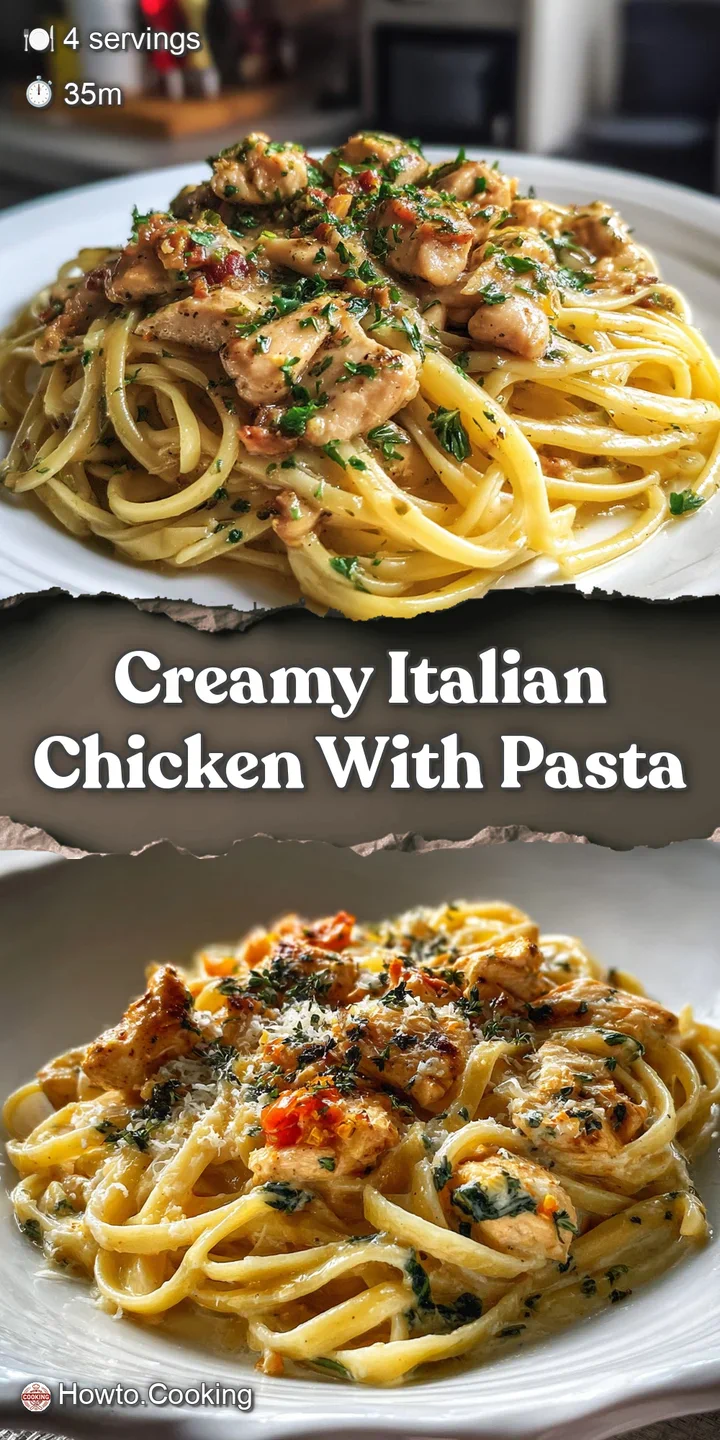
Creamy Italian Chicken with Pasta: Velvety Sauce
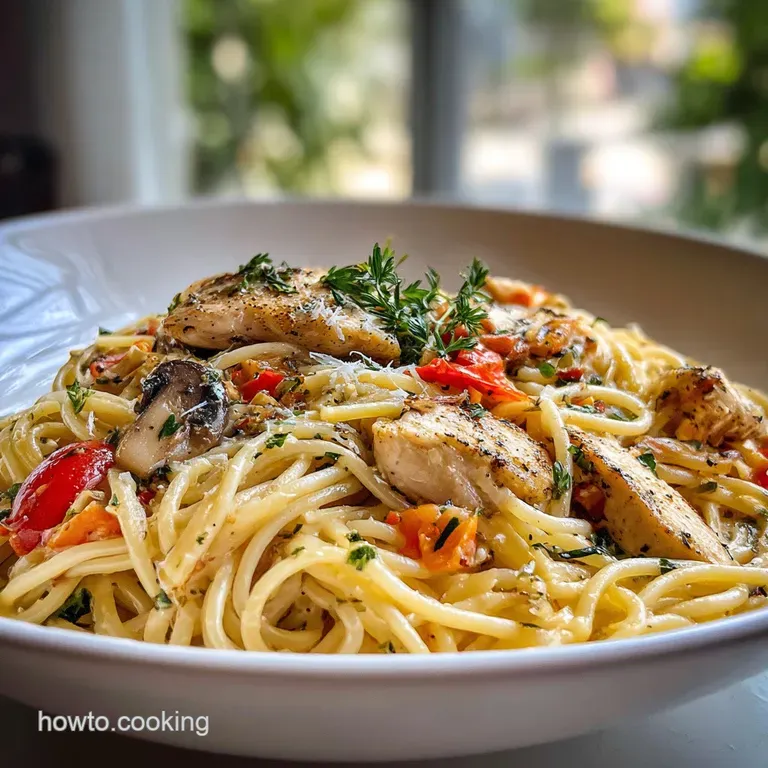
- Time: Active 15 mins, Passive 20 mins, Total 35 mins
- Flavor/Texture Hook: Savory, sun kissed, and velvety
- Perfect for: Weeknight comfort or effortless entertaining
- Make Best Creamy Italian Chicken With Pasta
- Reasons To Love This Recipe
- Quick Temperature And Doneness Guide
- Component Analysis and Science
- The Required Shopping List
- Essential Kitchen Tools Needed
- The Professional Cooking Process
- Comparison Stovetop Versus Oven
- Solving Common Cooking Hurdles
- Flavorful Substitutions and Variations
- Smart Scaling For Every Group
- Debunking Common Kitchen Myths
- Smart Storage and Recovery
- Serving For Maximum Impact
- High in Sodium
- Recipe FAQs
- 📝 Recipe Card
Make Best Creamy Italian Chicken With Pasta
The sizzle of chicken strips hitting a shimmering pool of olive oil is the soundtrack to my favorite kind of Tuesday. There is something truly therapeutic about watching the meat turn golden brown while the aroma of minced garlic begins to dance through the kitchen air.
I remember the first time I attempted a version of this dish; I was so worried about the sauce breaking that I barely let it simmer, resulting in a thin, watery mess that pooled at the bottom of the bowl.
But then, the kitchen taught me a lesson in patience and chemistry. I realized that the magic happens in the "fond" those brown, caramelized bits stuck to the bottom of the pan and the way the starchy pasta water acts as a bridge between the fat and the cream.
Now, when I pull the sun dried tomatoes from their oil packed jar and chop them into ruby red ribbons, I know I am moments away from a meal that feels like a warm hug from a Tuscan grandmother. It is nutritious, satisfying, and remarkably simple once you trust the process.
This guide is designed to give you the confidence to master that silken texture every single time. We are moving beyond basic noodles and sauce to create a cohesive, flavorful experience that uses smart ingredient choices to keep things accessible.
Whether you are feeding a hungry family or just looking for a way to use up that half container of spinach in the crisper, this recipe delivers a result that looks and tastes far more expensive than it actually is.
Reasons To Love This Recipe
- Starched Based Binding: The 1/2 cup of reserved pasta water contains dissolved starches that act as a natural bridge, allowing the heavy cream and Parmesan cheese to meld into a stable, velvety coating.
- Maillard Reaction Depth: Searing the chicken until it creates a golden crust provides complex savory notes that a simple boil or bake can never replicate.
- Triple Fat Emulsification: By combining the olive oil from the chicken, the fats in the heavy cream, and the lipids in the Parmesan, we create a multi layered mouthfeel that lingers.
- Acidity Balance: The concentrated tartness of the sun dried tomatoes cuts through the richness of the 2 cups of heavy cream, preventing the dish from feeling overly heavy or cloying.
Quick Temperature And Doneness Guide
| Component | Target Temperature | Internal Visual Cue | Final Texture |
|---|---|---|---|
| Chicken Strips | 165°F | No pink, clear juices | Tender and juicy |
| Bowtie Pasta | Al Dente | Tiny white core gone | Firm to the bite |
| Cream Sauce | 185°F (Simmer) | Large bubbles on edges | Coats back of spoon |
A common mistake I made early on was pouring the cream into a pan that was screaming hot. This can cause the proteins in the dairy to tighten and separate, leaving you with a grainy texture rather than a smooth one. If the pan is smoking, pull it off the heat for thirty seconds before adding the liquid.
You want a gentle simmer, not a violent boil, to keep that sauce looking like liquid gold.
Component Analysis and Science
| Ingredient | Science Role | Pro Secret |
|---|---|---|
| 12 oz Bowtie Pasta | Surface Area Provider | Use the ridges to trap sauce |
| 2 cups Heavy Cream | Primary Fat Emulsifier | Never use fat free versions here |
| 1 cup Parmesan | Flavor and Thickener | Grate it fresh for better melting |
| 3 cloves Garlic | Aromatic Foundation | Add last to prevent bitter burning |
Selecting the right pasta shape is actually a strategic decision for this recipe. Bowtie pasta, or farfalle, is brilliant because the "pinch" in the middle stays slightly firmer than the wings, providing a wonderful textural contrast.
The broad surfaces are essentially tiny paddles that scoop up the sun dried tomatoes and spinach, ensuring you get a bit of everything in every forkful.
The Required Shopping List
- 1.5 lbs chicken breasts: Sliced thin for fast cooking. Why this? Lean protein that absorbs the savory Italian seasoning beautifully.
- Substitute: Boneless chicken thighs for a more moisture rich result that is harder to overcook.
- 12 oz bowtie pasta: The structural base of our meal. Why this? Provides the perfect surface area for the heavy cream sauce.
- Substitute: Penne or rotini if farfalle is unavailable in your pantry.
- 2 cups heavy cream: The source of our velvety texture. Why this? High fat content ensures the sauce does not break when heated.
- Substitute: 2 cups whole milk mixed with 1 tbsp flour for a leaner, budget friendly version.
- 1 cup Parmesan cheese: Salt and structure. Why this? Adds a nutty depth and naturally thickens the liquid.
- Substitute: Pecorino Romano for a sharper, saltier punch.
- 1/2 cup sun dried tomatoes: Tangy flavor bursts. Why this? Their concentrated acidity balances the rich dairy base.
- Substitute: 1 cup halved cherry tomatoes sautéed until they burst.
- 2 cups fresh baby spinach: Nutritious color. Why this? Wilts instantly and adds a wholesome, earthy finish.
- Substitute: Chopped kale, though it requires an extra 2 minutes of simmering.
- 1 tbsp extra virgin olive oil: The conducting medium for heat.
- 1 tsp Italian seasoning: For that classic herbaceous profile.
- 1/4 tsp red pepper flakes: A subtle heat to wake up the palate.
- 3 cloves garlic: Essential aromatics.
- 1 tsp kosher salt and 1/2 tsp black pepper: Fundamental seasoning.
Essential Kitchen Tools Needed
To achieve that professional sear on the chicken, a heavy bottomed skillet is your best friend. I personally love using a 12 inch cast iron or stainless steel pan because they retain heat evenly, which is vital for developing that golden fond. You will also need a large pot to boil the 12 oz of bowtie pasta.
Don't forget a sturdy pair of tongs to flip the chicken strips without tearing the meat, and a microplane if you are grating your Parmesan fresh which I highly recommend for the smoothest sauce possible.
The Professional Cooking Process
Mastering The Golden Fond
- Season your 1.5 lbs of chicken strips with the kosher salt and black pepper.
- Heat the 1 tbsp of olive oil in your large skillet over medium high heat until it shimmers.
- Add the chicken in a single layer, ensuring you don't overcrowd the pan.
- Sear for 5 minutes per side until golden and crackling, then remove the chicken and set it aside on a plate.
Chef's Tip: If your chicken is sticking to the pan, it is not ready to flip. The meat will naturally "release" once a proper crust has formed.
Creating The Aromatic Base
- In the same skillet, drop the heat to medium and add the 3 cloves of minced garlic and 1/2 cup of chopped sun dried tomatoes.
- Sauté for 1 minute until the garlic is fragrant and the tomatoes have softened slightly.
- Pour in the 2 cups of heavy cream, using a wooden spoon to scrape up those brown bits (the fond) from the bottom of the pan.
Simmering The Heavy Cream
- Whisk in the 1 tsp Italian seasoning and 1/4 tsp red pepper flakes.
- Bring the mixture to a gentle simmer for 3 to 5 minutes until the sauce thickens slightly and can coat the back of a spoon.
- Stir in the 1 cup of Parmesan cheese and the 2 cups of baby spinach, tossing gently until the greens wilt into the silken liquid.
Marrying Sauce and Pasta
- While the sauce simmers, boil your bowtie pasta in salted water for about 10 minutes.
- Reserve 1/2 cup of the pasta water before draining the noodles.
- Toss the cooked pasta and the seared chicken into the skillet with the sauce.
- Add the reserved pasta water 1 tablespoon at a time until the sauce is glossy and clings perfectly to the pasta.
Comparison Stovetop Versus Oven
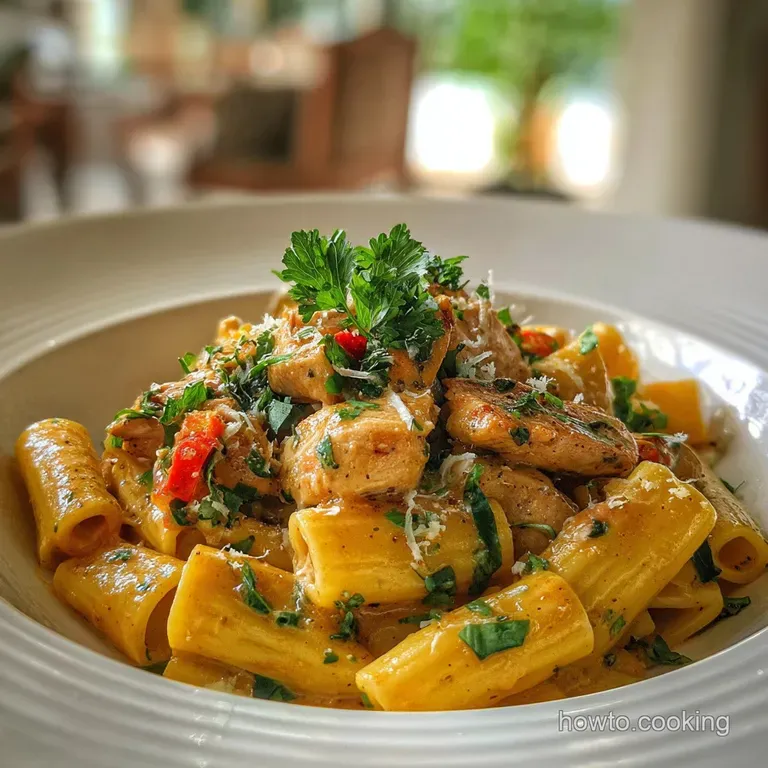
| Method | Total Time | Texture Result | Best Use Case |
|---|---|---|---|
| Stovetop Skillet | 35 mins | Crispy chicken, silky sauce | Quick weeknight dinner |
| Oven Casserole | 55 mins | Tender chicken, bubbly crust | Meal prep or potlucks |
If you choose to turn this into a creamy italian chicken pasta bake, simply follow the stovetop steps until the pasta and sauce are combined. Transfer everything to a 9x13 baking dish, top with an extra 1/2 cup of mozzarella, and bake at 375°F for 15 minutes until the cheese is bubbling and slightly browned.
This is a brilliant way to prep the meal ahead of time for a busy evening.
Solving Common Cooking Hurdles
Preventing A Grainy Sauce
A grainy sauce usually happens when the cheese is added to a boiling liquid or if you use pre shredded cheese. Those bags of shredded cheese are coated in potato starch or cellulose to prevent clumping in the bag, but that same coating prevents them from melting smoothly into your creamy italian chicken.
Always grate from a block and stir it in after you have reduced the heat.
Fixing Overcooked Dry Chicken
If you find your chicken is consistently tough, it might be the cut or the heat. Chicken breast is very lean and has a narrow window of perfection. For a more forgiving experience, try the creamy tuscan chicken pasta variation using boneless thighs.
If you've already overcooked the breast, slicing it very thin and letting it soak in the sauce for a few minutes can help re hydrate the fibers.
| Problem | Root Cause | Solution |
|---|---|---|
| Thin/Watery Sauce | Too much pasta water added | Simmer for 2 more mins to reduce |
| Broken/Oily Sauce | Heat was too high for dairy | Remove from heat, whisk in 1 tsp cold cream |
| Bland Flavor | Not enough salt in pasta water | Add a pinch of salt and extra Parmesan |
Common Mistakes Checklist
- ✓ Forgetting to salt the pasta water (it should taste like the sea).
- ✓ Adding the garlic too early and letting it turn bitter and black.
- ✓ Using low-fat milk instead of heavy cream (the sauce will likely break).
- ✓ Rinsing the pasta after draining (this removes the starch needed for the sauce).
- ✓ Overcrowding the skillet when searing the chicken, which leads to steaming instead of browning.
Flavorful Substitutions and Variations
The Slow Cooker Alternative
If you prefer a set it and forget it method, you can adapt this for a creamy italian chicken pasta crock pot version. Place the chicken, sun dried tomatoes, garlic, and seasonings in the slow cooker with 1 cup of chicken broth. Cook on low for 6 hours.
During the last 30 minutes, stir in the cream, Parmesan, and spinach. Cook the pasta separately on the stove and toss it in right before serving to prevent the noodles from becoming mushy.
Mediterranean Style Veggie Swap
For those looking to pack in more nutrients, you can easily turn this into an easy creamy italian chicken with pasta and vegetable medley. I love adding sautéed mushrooms or roasted red peppers.
If you want to lean into the "Tuscan" vibe, add 1 tbsp of capers for a briny pop that pairs exceptionally well with the sun dried tomatoes.
Decision Shortcut
- If you want a thicker sauce, add an extra 1/4 cup of Parmesan and simmer for 2 extra minutes.
- If you want more heat, double the red pepper flakes and add a dash of cayenne.
- If you want a lighter feel, swap half the heavy cream for chicken broth and a squeeze of fresh lemon juice.
Smart Scaling For Every Group
When scaling this recipe down for two people, it is quite simple. Use 0.75 lbs of chicken and half of all other ingredients. You can still use a whole egg if you decide to make a carbonara style variation, just whisk it and use half.
The cook times remain largely the same, but keep a closer eye on the sauce as smaller volumes evaporate more quickly.
Scaling up for a crowd (8 to 12 people) requires a bit more strategy. Do not try to sear 3 lbs of chicken in one skillet; do it in three batches to ensure that beautiful golden crust. When doubling the liquid, you might find you need slightly less cream than a 1:1 ratio suggests start with 3.5 cups of cream for a double batch and add more if the pasta looks dry. This is a great time to reference our Sautéed Chicken Pasta recipe for tips on managing large quantities of sauce and protein.
Debunking Common Kitchen Myths
One persistent myth is that you must add oil to your pasta water to keep the noodles from sticking. In reality, this just creates an oily film on the pasta that prevents our creamy italian chicken pasta sauce from clinging to the bowtie shapes.
All you need is a large pot and plenty of water to give the noodles room to dance.
Another misconception is that "cooking wine" is a good substitute for deglazing. Most grocery store cooking wines are loaded with salt and low quality additives. If you want to add a splash of acidity, use a dry white wine like Pinot Grigio or simply stick to the pasta water and sun dried tomato oil.
The flavor will be much cleaner and more wholesome.
Smart Storage and Recovery
This dish stores beautifully in the fridge for up to 3 days. However, pasta acts like a sponge and will continue to soak up the sauce as it sits. When reheating, avoid the microwave if possible, as it can cause the cream to separate and become oily.
Instead, place the leftovers in a small pan over low heat and add a splash of milk or water to loosen the sauce back to its original silken state.
I do not recommend freezing this specific dish once the pasta is combined. Cream based sauces often change texture when frozen and thawed, becoming grainy. If you must freeze, freeze only the cooked chicken and sauce base, then boil fresh pasta when you are ready to eat. For a different take on these flavors that might hold up better in the oven, check out the Creamy Italian Stuffed recipe which uses a thicker ricotta base.
Serving For Maximum Impact
Presentation is the final step in creating a meal that feels special. I like to serve this in wide, shallow bowls rather than flat plates to keep the sauce pooled around the pasta. Top each serving with a final crack of fresh black pepper and a few torn basil leaves for a pop of color.
If you are feeling indulgent, a side of crusty garlic bread is mandatory for mopping up every last drop of that sun dried tomato cream.
If you are hosting a dinner party, consider serving this alongside a simple arugula salad with a lemon vinaigrette. The sharp, peppery bite of the greens provides a refreshing contrast to the richness of the chicken and pasta.
It is a balanced, flavorful way to bring a little bit of Italian sunshine to your dinner table, no matter what the weather is like outside. Enjoy the process, trust your senses, and eat with confidence!
High in Sodium
1080 mg of sodium per serving (47% of daily value)
American Heart Association recommends limiting sodium intake to about 2,300mg per day.
Tips to Reduce Sodium in This Recipe
-
Reduce Parmesan-15%
Parmesan cheese is a significant source of sodium. Try reducing the amount of Parmesan by half and using a low-sodium Parmesan alternative, or a combination of nutritional yeast and a small amount of Parmesan to maintain flavor.
-
Rinse Sun-Dried Tomatoes-10%
Sun-dried tomatoes, even when drained, can contribute sodium. Rinse them thoroughly under water before chopping to remove excess salt.
-
Limit Added Salt-25%
The recipe calls for 1 tsp of kosher salt. Reduce the amount of salt by half, or eliminate it entirely, and adjust to taste after cooking. Remember that Parmesan contains salt, so you may need very little added salt.
-
Fresh Herbs
Enhance the flavor of your dish with fresh herbs like basil, oregano, or thyme. These add flavor without adding any sodium.
Recipe FAQs
Is it true you should never rinse cooked pasta before adding it to a creamy sauce?
Yes, that is correct. Rinsing removes the surface starch clinging to the noodles, and that starch is essential for helping the heavy cream emulsify properly with the cheese.
What is the secret to preventing my Parmesan cream sauce from becoming grainy?
Remove the pan from direct heat before adding cheese. Adding finely grated cheese to a furiously boiling sauce causes the dairy proteins to seize up and separate, creating graininess.
How can I ensure my chicken breasts stay juicy when searing them before adding the sauce?
Sear on medium high heat for 5 minutes per side until golden brown. Do not move the chicken until it naturally releases from the pan, which signals a proper crust has formed, locking in the moisture.
How do I save the sauce if it ends up too thin after adding the pasta water?
Simmer uncovered for 2 to 5 minutes longer. This allows the liquid to reduce naturally, concentrating the flavors and thickening the sauce through evaporation.
Can I substitute heavy cream with half and-half or whole milk for a lighter sauce?
No, substitution will likely cause the sauce to break. Heavy cream’s high fat content is necessary for a stable emulsion; milk or half and-half lacks the required fat structure to hold up against the cheese and acidity.
How should I incorporate spinach so it doesn't overcook and turn mushy?
Toss the fresh spinach in during the last minute of simmering. The residual heat of the already thickened sauce is enough to perfectly wilt the greens without losing their vibrant color.
What is the proper technique for achieving that deep, savory flavor on the chicken?
Develop the fond by searing the chicken properly. Those caramelized brown bits left in the pan, known as the fond, are essential flavor bombs that you scrape up when deglazing with the cream.
Creamy Italian Chicken Pasta
Ingredients:
Instructions:
Nutrition Facts:
| Calories | 1149 kcal |
|---|---|
| Protein | 62 g |
| Fat | 63 g |
| Carbs | 72 g |
| Fiber | 4 g |
| Sugar | 6 g |
| Sodium | 1080 mg |
