Sugar Cookies: Perfectly Crisp Cut-Outs That Hold Shape
- Unveiling The Queen’s Own Sugar Cookie Recipe
- Essential Components for Superior Sugar Cookie Dough
- The Culinary Science Behind Crisp, Stable Biscuits
- Method: Crafting Perfect Cut-Out Cookies from Scratch
- Troubleshooting and Expert Tips for Biscuit Perfection
- Maximizing Freshness: Storage and Freezing Guide
- Completing the Canvas: Pairing and Decoration Ideas
- Recipe FAQs
- 📝 Recipe Card
Unveiling The Queen’s Own Sugar Cookie Recipe
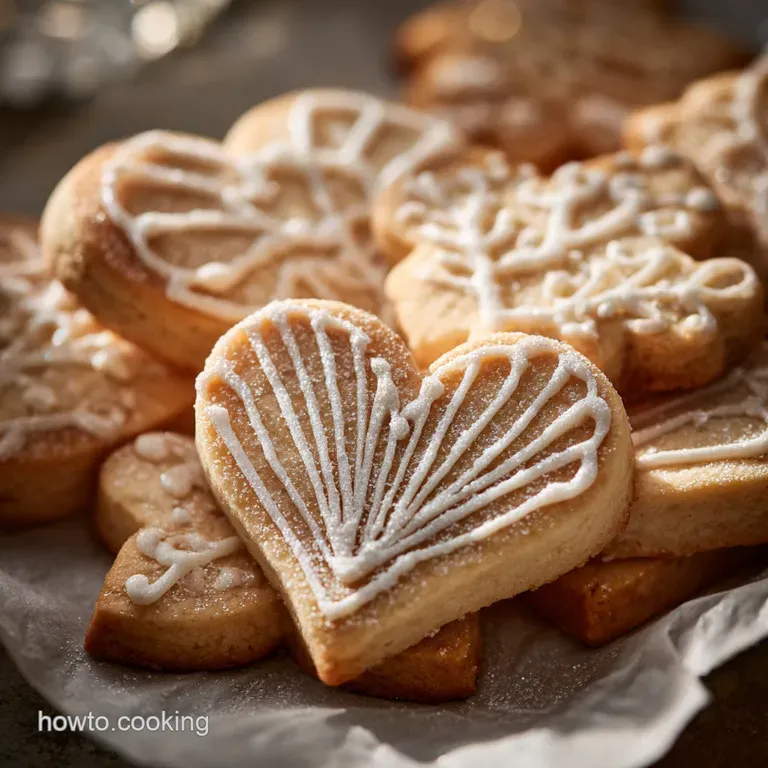
When the smell of baking butter and vanilla hits you, there's just nothing better, is there? These are truly the definitive Sugar Cookies —the kind that hold their sharp edges perfectly, taste rich and buttery, yet offer a satisfying, tender snap when you bite them.
I've ruined enough batches attempting to rush things that I finally figured out the non-negotiable rules for achieving that bakery quality texture and shape.
You need a reliable, rock solid foundation, especially if you plan on decorating these beasts for a holiday or celebration. Honestly, mastering this one recipe means you have an affordable, easy base that can save you a fortune on gifts, party favors, or just impressing your in-laws.
They truly are a culinary lifesaver.
So, ditch the flimsy, spreading recipes you found on Pinterest five years ago; this is the real deal. We’re going to dive deep into the science of stability, the importance of temperature, and the specific method that ensures every intricate star or heart you cut stays exactly how you intended.
Let’s make the best Sugar Cookies you have ever tasted!
The Promise of Perfect Edges: Why This Recipe Excels
Most standard cookie recipes are built to spread slightly, which works beautifully for, say, a chewy chocolate chip cookie, but it’s the absolute enemy of a perfect cut-out. This formula is different because we use a specific ratio of flour and fat and, critically, we manage the temperature aggressively.
The goal here is a cookie that is sturdy enough to handle robust icing yet remains delightfully tender on the inside.
We use chilled, slightly firmer butter and granulated sugar, which creates less opportunity for immediate melting in the oven. That slight tenderness sacrifice is totally worth it when your cookie shapes look sharp enough to frame.
When you bake these specific Sugar Cookies , you’re baking structure, not just flavour.
Why Standard Cookies Spread and How We Stop It
Standard recipes often fail because they use too much liquid or the fat melts before the flour and egg proteins can set. If your butter is too warm (like, truly soft or even slightly greasy), it will release its moisture too fast.
The dough hits the oven, the butter liquidity goes ballistic, and whoosh —your gorgeous snowflakes turn into formless blobs.
We stop the spread by relying on two mandatory chill steps. First, the 60 minute disc chill allows the flour to fully hydrate and the gluten to relax. Second, that critical 10 15 minute freezer blast just before baking that sets the fat rock solid so it has no choice but to hold its shape until the structure is locked in.
This is how you achieve truly crisp No-Spread Sugar Cookies .
Difficulty Assessment: Medium (Patience is Required)
Don’t get me wrong, mixing this dough is simple. A beginner can manage the ingredients list and stand mixer work easily enough. However, the requirement for patience elevates this to a Medium difficulty level. If you try to skip the full chill time, you are wasting ingredients and risking spread.
The perfect Sugar Cookies demand respect for temperature.
Essential Components for Superior Sugar Cookie Dough
Trust me, the quality of your ingredients really shines through in something so simple. You only need a few things, but they need to be right. This dough is essentially the foundation for all great Sugar Cookies for Decorating , so no cutting corners!
Chef's Note: Always use pure vanilla extract here, not imitation. In a recipe this simple, the vanilla is one of the main flavor features, and high-quality extract makes a huge difference.
The Culinary Science Behind Crisp, Stable Biscuits
Detailed Notes on Flour and Leavening Agents
We rely solely on all-purpose flour for this recipe; its moderate protein content gives us the necessary strength without making the cookies tough. While some recipes call for cake flour for tenderness, that tenderness comes at the cost of structural integrity, leading to spread.
We want stable Cutout Sugar Cookies , so we stick to AP.
We use only 1 teaspoon of baking powder, providing minimal lift. We aren't trying to make puffy cookies; we are trying to achieve flat, uniform surfaces perfect for icing.
Fat Matters: The Role of Butter Temperature
Your butter must be softened, but not warm or greasy. What does that mean? It means when you press your finger into it, it should indent easily without your finger going straight through. If the butter is too cold, it won't cream properly with the sugar.
If it's too warm, you invite disaster before the dough even goes into the fridge. I once tried to rush things by microwaving butter for my Christmas Sugar Cookies , and the resulting dough was a disaster sticky and sad. Learn from my mistake!
Why Granulated Sugar Is Crucial for Cutouts
You might have seen recipes calling for powdered sugar to achieve tenderness. And yes, powdered sugar contains cornstarch, which makes for a lovely, melt-in-your mouth feel. But we are prioritizing stability here.
Granulated sugar provides the necessary sharp edges and structure retention we need for Perfect Sugar Cookies . It doesn't dissolve as fast, keeping the shape firm until the flour sets.
If you want a softer, puffier cookie, that's fine, but if you want shapes that don't distort, stick to the grain.
Flavor Enhancers: Extract Variations (Beyond Vanilla)
Vanilla is traditional for Sugar Cookies , but don't be afraid to experiment! Almond extract is a fantastic replacement, giving the cookies a marzipan like depth. You could also try a half teaspoon of pure lemon extract or even a little root beer extract for a whimsical twist.
Just remember, extracts are potent; start small and taste the raw dough before chilling.
| Ingredient | Substitute/Alternative | Notes |
|---|---|---|
| All-Purpose Flour | 1:1 gluten-free Blend | Must contain xanthan gum for structure. |
| Unsalted Butter | Solid Vegetable Shortening or dairy-free Sticks | Ensure high fat content (80%) for best shape retention. |
| Granulated Sugar | Ultra Fine (Caster) Sugar | Helps the creaming process but can increase spread slightly. |
| Egg | 1/4 cup Applesauce or 1 Flax Egg | May result in a slightly chewier cookie. |
| Vanilla Extract | Almond Extract or Lemon Zest | Excellent flavor swaps. |
Method: Crafting Perfect Cut-Out Cookies from Scratch
Creaming the Foundation: Achieving the Light and Fluffy Base
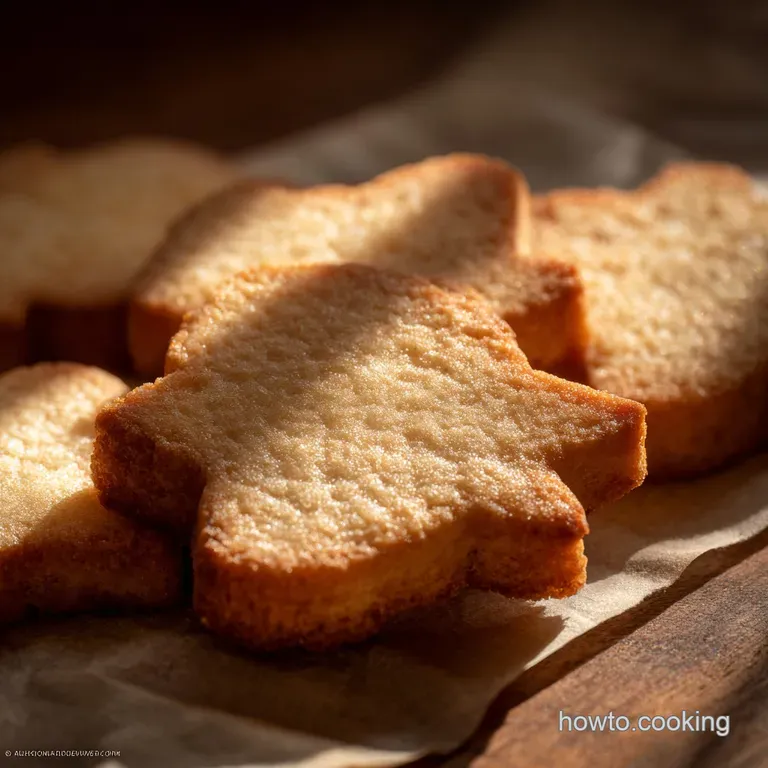
The creaming stage is crucial for incorporating air, which contributes to the final texture. Don't rush this step! You need to beat the butter and sugar for 3 to 4 full minutes until the mixture turns noticeably pale yellow and fluffy.
This light, airy consistency means you’ve successfully whipped air into the fat, which helps the leavening agent do its job and provides that desirable crispness.
The Crucial Chill Time: Conditioning the Dough (Do Not Skip!)
I cannot stress this enough: The first chill time is mandatory for stable Sugar Cookies . Ninety minutes is best, sixty minutes is the bare minimum. Chilling serves two main purposes: it allows the flour to fully absorb the liquid (making it less sticky), and it solidifies the butter molecules.
This firmness is your insurance policy against spreading. You should be able to roll this dough without a ton of extra flour after the chill.
Rolling Dough to the Ideal Uniform Thickness
Use a rolling pin with thickness guides or ruler strips if you can; consistent thickness is the key to uniform baking. If one cookie is 1/8 inch thick and the next is 1/4 inch, the thin one will burn before the thick one is done. Aim for 1/4 inch (6 mm) thickness throughout.
When making Sugar Cookies for decorating, flatness is prioritized over height.
Achieving the Golden Edges: The Precise Baking Protocol
Preheat your oven fully temperature fluctuations are the enemy! Bake your cut-outs until the edges are just barely set and starting to turn a very light gold. The center should still look pale and perhaps slightly underdone when you pull the tray out. Do not wait for the center to brown.
That pale center will continue to cook on the hot baking sheet for the first 5 minutes of cooling, resulting in a perfectly set, tender crumb.
Troubleshooting and Expert Tips for Biscuit Perfection
Preventing Cookie Distortion During Transfer
This is a common frustration! After you cut your shape, it can warp when you lift it to the tray. The fix? Use a thin, wide metal spatula, not your fingers. Gently slide the spatula under the cookie, lift it slowly, and place it directly onto the freezer chilled baking sheet.
If the shape is complex (like a delicate reindeer antler), use the tip of a toothpick to gently push the edges back into place once it's resting on the tray.
Handling Sticky Dough: When to Add More Flour
If, despite chilling, your dough still feels impossibly sticky, you may have over measured your wet ingredients or under measured your flour. Resist the urge to dump in half a cup of extra flour. Instead, take a quarter cup of flour, and lightly dust your rolling surface.
Roll the dough, cut your shapes, and then gather the scraps. Press the scraps together with maybe one extra teaspoon of flour, re-chill for 10 minutes, and roll again. Too much added flour leads to dry, sandy Sugar Cookies .
Common Sugar Cookie Missteps and Quick Fixes
Most problems with Easy Sugar Cookies from Scratch boil down to temperature or mixing.
| Mistake | Cause | Quick Fix |
|---|---|---|
| Cookies Spread | Dough too warm; not enough chilling. | Place baking sheets (with cut-outs) in the freezer for 15 min. |
| Tough/Dry Cookies | Overworking the dough/too much flour. | Scraps should be pressed lightly, not kneaded heavily. |
| Dark Edges/Pale Centers | Oven heat too high; inconsistent rolling. | Check oven temp with a thermometer; use rolling guides. |
Freezing Unbaked Dough Discs for Later Use
This is my absolute favorite make-ahead technique. When you finish mixing, wrap the dough discs tightly in plastic wrap, then place them in a freezer bag. Label them with the date! These unbaked discs for Sugar Cookies can last up to 3 months.
When you are ready to bake, thaw the disc in the fridge overnight, then let it sit on the counter for 15 minutes before rolling and cutting.
Maximizing Freshness: Storage and Freezing Guide
How to Safely Store and Thaw Decorated Biscuits
Undecorated Sugar Cookies (plain biscuits) should be stored in an airtight container at room temperature for up to one week. If they are decorated with a stable Royal Icing, they can also be stored at room temperature in a single layer, as stacking them can cause smudging if the icing hasn't cured completely.
If using a simple powdered sugar glaze, refrigerate them for longer storage, up to 10 days.
Freezing Unbaked Dough Discs for Later Use
(I really love this method, so let’s talk about it again.) If you have leftover scraps or want to bake a new batch of festive Sugar Cookies , using the frozen disc method is superior to freezing already baked cookies. It ensures maximum freshness.
Just slice and bake, or thaw fully before rolling and cutting your shapes.
Completing the Canvas: Pairing and Decoration Ideas
The Best Icing for Crisp Cut-Outs (Royal Icing vs. Glaze)
The choice of icing depends entirely on your intention for the finished Sugar Cookies with Icing .
- Royal Icing: This is made with meringue powder or egg whites. It dries completely hard and shiny, perfect for stacking, shipping, or intricate piping details. If you're tackling complex designs, you absolutely need Royal Icing. It’s what keeps those intricate decorations looking sharp. For a deep dive into non-spreading techniques and decoration, check out my recipe for Cut Out Sugar Cookies: The Best No-Spread Recipe for Decorating .
- Simple Glaze: This is the powdered sugar and milk/extract mix listed above. It stays slightly softer and less stable than royal icing but is incredibly easy and quick. If you are decorating just to eat immediately, this simple glaze is perfect.
Don't forget the serving suggestions. While these are divine plain, they are wonderful dusted lightly with cinnamon sugar immediately after coming out of the oven, too. Or, if you need a cookie with a massive punch of flavor, sometimes I swap these out for my Chocolate Covered Cherry Cookies: Chewy Decadent Recipe when I need intense richness. This foundational Sugar Cookies recipe, however, remains my undisputed queen of the cookie tin.

Recipe FAQs
Why did my sugar cookies spread, even though the recipe promised they wouldn't?
Spreading is usually caused by insufficient chilling or having incorporated too much air when creaming the butter and sugar. Ensure your dough chills thoroughly for at least one hour before rolling, and that your cut-outs receive a final 10-minute chill before entering the oven.
Also, avoid using a very warm oven rack or baking sheet, as the heat will prematurely melt the butter.
My dough is very crumbly and won't come together when rolling; what did I do wrong?
A crumbly dough often indicates an excess of flour or that your flour was compacted during measurement. Always use the "spoon and level" method rather than scooping directly from the bag, as compacting can add up to 25% extra flour.
If the dough seems hopeless, try adding a half teaspoon of milk or a few drops of water, kneading only until it forms a cohesive mass.
Is chilling the dough absolutely necessary, or can I skip this step?
Chilling is essential for the structural integrity and sharp edges of cut-out cookies. This process solidifies the butter, preventing it from melting too rapidly in the oven and ensuring the cookies retain their intricate shape.
Furthermore, chilling allows the flour to fully hydrate, which reduces gluten elasticity for a more tender bite.
How long can I store the unbaked cookie dough, and can I freeze it?
Unbaked dough, tightly wrapped in plastic wrap, can be refrigerated for up to 5 days without loss of quality. For longer storage, the dough freezes excellently; wrap it in two layers and freeze for up to 3 months. When ready to use, thaw frozen dough overnight in the refrigerator before rolling and cutting.
Can I use different flavour extracts instead of standard vanilla?
Yes, sugar cookies are a wonderful blank slate for customization. You may substitute up to half of the vanilla extract with almond, lemon zest, or even peppermint extract for seasonal variations. Remember that stronger extracts, like almond, should be used sparingly to avoid overpowering the delicate sugar flavour.
Can I use margarine or shortening instead of butter in this recipe?
While shortening (vegetable fat) will create a very soft cookie with excellent shape retention, it lacks the rich dairy flavour butter provides. Margarine is generally not recommended as its higher water content can drastically alter the dough structure and lead to excessive spreading.
For the best flavour and texture, stick to high-quality unsalted butter.
How do I prevent the edges from burning while ensuring the center is fully baked and crisp?
The solution is even heat distribution and careful timing. Always rotate your baking sheets 180 degrees halfway through the baking cycle to account for oven hotspots. If your edges are browning too fast, try reducing the oven temperature by 10 degrees Fahrenheit and baking for an extra minute or two until the centers look set.
Crisp No Spread Sugar Cookies
Ingredients:
Instructions:
Nutrition Facts:
| Calories | 150 kcal |
|---|---|
| Fat | 7 g |
| Fiber | 0 g |
