Crispy Takeawaystyle Chinese Orange Chicken
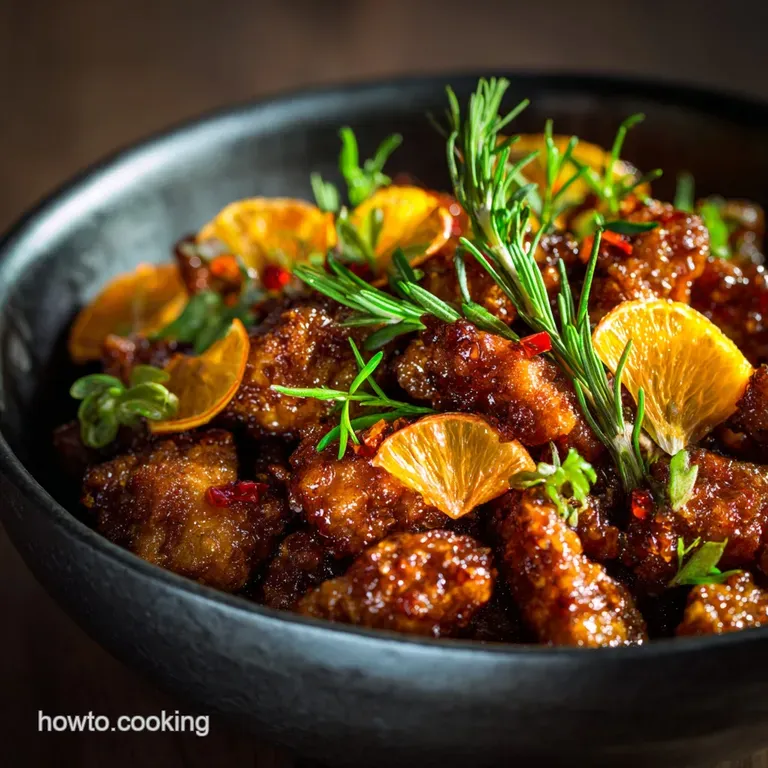
- Decoding the Ultimate Takeaway Classic at Home
- Mastering the Crispy Texture and Sticky Glaze
- The Essential Roster for Perfect Chinese Orange Chicken
- Pantry Staples and Secret Enhancers
- Step-by-Step: Achieving the Signature Crunch and Coating
- The Art of the Glaze: Reducing the Zesty Sauce
- Pro Tips for Troubleshooting and Serving Your Chinese Orange Chicken
- Storage, Reheating, and Make-Ahead Notes
- Recipe FAQs
- 📝 Recipe Card
Decoding the Ultimate Takeaway Classic at Home
This Homemade Chinese Orange Chicken is a Friday night legend, but the store-bought versions often fall short on crunch and brightness. Our recipe focuses on achieving that perfect sticky glaze without sacrificing the essential element of crispy texture.
Once you master this Simple Orange Chicken Recipe, you will never order out again, promising superior flavour and quality.
Mastering the Crispy Texture and Sticky Glaze
Achieving truly authentic Chinese Orange Chicken requires two separate processes: a scientifically sound frying method and a meticulously balanced Orange Chicken Sauce Recipe. Many recipes treat the coating as an afterthought, leading to soggy results immediately upon saucing.
We prioritize a robust cornstarch and flour dredge coupled with the critical double fry method to ensure lasting crunch, making this the best Crispy Orange Chicken you’ll ever make.
The Core Difference Between Good and Great Orange Chicken
The difference lies primarily in the freshness of the citrus and the resilience of the coating. A mediocre version uses flavor extracts and too much sugar, resulting in a flat, monotone sauce.
Great Chinese Orange Chicken incorporates ample fresh zest and juice, creating a vibrant, zesty lift that perfectly cuts through the sweetness and richness.
Defining Authentic Chinese American Cuisine
This iconic dish exemplifies Chinese American cuisine, born not in Beijing, but developed in American kitchens to appeal to Western palates. While rooted in Hunanese flavor principles specifically the use of dried chili and sweet and-sour techniques this particular iteration emphasizes bright, sweet orange notes.
It's a testament to culinary adaptation, resulting in a unique and universally loved flavor profile.
Why We Use the Double Fry Method for Maximum Crunch
The double fry technique is non-negotiable for superior texture retention in your Homemade Chinese Orange Chicken. The first fry, conducted at a lower temperature of 170° C ( 340° F), cooks the interior chicken pieces thoroughly without burning the delicate coating.
The second, quick blast at 190° C ( 375° F) rapidly expels trapped moisture and hardens the exterior, setting the permanent, shatteringly crispy crust.
Essential Tools for Takeaway Level Frying
Precision is paramount when working with hot oil, making specific tools indispensable for achieving restaurant quality results. The single most important piece of equipment is a reliable deep fry thermometer; guessing the temperature leads directly to either greasy, uncooked chicken or a burnt exterior.
A spider strainer is also vital for safely submerging and quickly removing the chicken, while a wire rack ensures the pieces drain fully and remain crispy.
| Tool | Purpose |
|---|---|
| Deep Fry Thermometer | Ensures critical temperature consistency. |
| Wire Rack | Allows oil to drain and prevents steam from softening the crust. |
| Spider Strainer | Safely removes and transports delicate fried pieces. |
The Essential Roster for Perfect Chinese Orange Chicken
A successful batch of Easy Orange Chicken relies on quality components organized into three distinct groups: the protein, the coating dredge, and the brilliant sauce. We select boneless chicken thighs for maximum flavour and moisture, which stands up beautifully to the intense frying process.
The precise balance of Chinese Orange Chicken Ingredients ensures the final dish delivers on both texture and that signature sweet tangy flavor profile.
Pantry Staples and Secret Enhancers
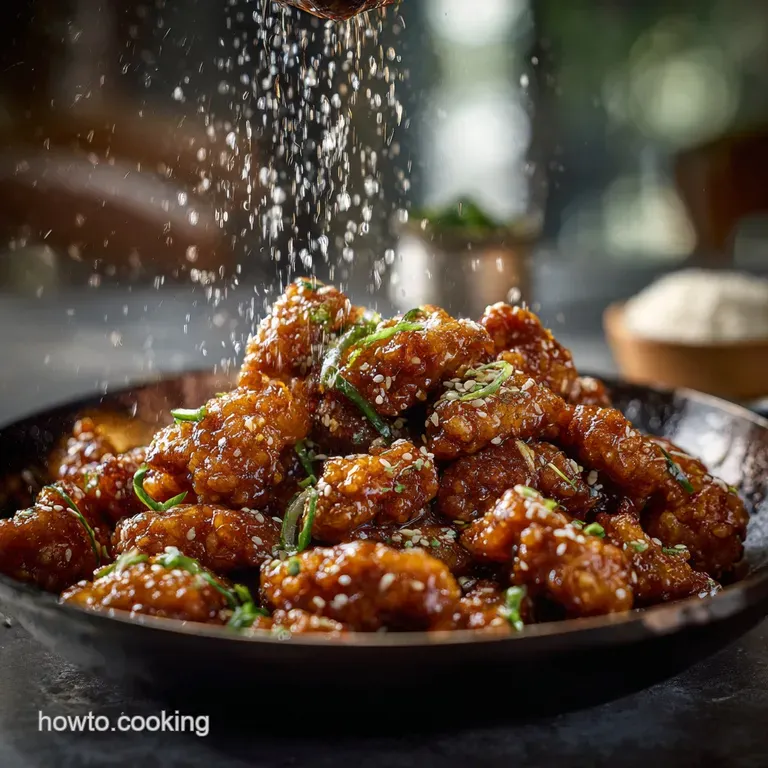
Selecting the Best Cut of Chicken for Frying Success
While chicken breast is often used in commercial settings, boneless, skinless chicken thighs are the superior choice for deep frying. Thigh meat contains higher fat content, which keeps it wonderfully moist and juicy even after the high heat of the double fry.
This resilience prevents the dried out texture often associated with aggressive frying methods.
Building the Ultimate Feather Light Coating (The Batter Science)
Our coating is built on a precise combination of cornstarch and all-purpose flour for optimal structure and lightness. Cornstarch provides the rigid, crisp structure, while flour helps the mixture adhere consistently to the marinated chicken.
The secret ingredient here is baking powder, which creates tiny pockets of carbon dioxide during frying, resulting in an incredibly airy and shatteringly crispy exterior.
Balancing the Citrus Notes: Fresh Zest vs. Concentrated Juice
The vibrant profile of the Orange Chicken Sauce Recipe absolutely depends on fresh zest, not just the juice. Essential oils located in the outer peel provide an aromatic complexity that bottled extracts simply cannot replicate.
Be sure to use a microplane and avoid the bitter white pith, ensuring a clean, zesty flavour that truly elevates the dish.
Sourcing Quality Soy and Vinegar for Depth of Flavor
The savory backbone of the sauce comes from good quality light soy sauce and unseasoned rice vinegar. Light soy sauce provides salinity and umami without darkening the final sauce too much, which is key for visual appeal.
Unseasoned rice vinegar delivers the essential sharp tang that defines this Chinese American classic, balancing the significant sweetness.
Related Recipes Worth Trying
- The OnePan Wonder Easy Mesquite Chicken Bake with Root Veggies — This Mesquite Chicken Bake is a proper onepan dinner Get deep smoky BBQ flavor in this family favorite A quick chicken dinner idea with minimal washing up
- Ultimate Creamy Crack Chicken Lasagna The Bacon Ranch Bake — Ditch the tomato sauce for this incredibly creamy crack chicken lasagna bake Loaded with ranch bacon and cheddar its the ultimate easy casserole for feeding...
- Rio Grande Rhapsody Speedy Layered Southwest Chicken Casserole — A creamy Southwest Chicken Casserole recipe that uses rotisserie chicken for speed Layered tortillas create a magnificent texture perfect for healthy family...
step-by-step: Achieving the Signature Crunch and Coating
Successfully executing this recipe is all about timing and technique, ensuring the crispy coating survives the sticky, aggressive glaze. We begin by thoroughly preparing and marinating the chicken to infuse foundational flavour before building up the substantial dry dredge mixture.
Following the precise temperature guidelines for the frying stage guarantees the definitive, lasting crunch that defines excellent Homemade Chinese Orange Chicken.
The Art of the Glaze: Reducing the Zesty Sauce
Prep Work: Marinating and Coating for Adhesion
Marination serves two purposes: seasoning the meat internally and creating a tacky surface for the dry coating to grip. The mixture of soy sauce and egg acts as an adhesive, ensuring the flour and cornstarch dredge adheres robustly.
Pressing the marinated chicken pieces firmly into the dry mix creates deep crevices, maximizing surface area for ultimate crispiness.
The First Fry: Setting the Chicken Structure
The initial fry at 170° C ( 340° F) is a gentle introduction to the oil, allowing the chicken interior to cook fully without over browning the batter. This ensures food safety while also beginning the process of dehydrating the coating.
Removing the chicken after this stage allows the temperature to stabilize before the final, critical crisping phase.
The Second Fry: Unleashing Maximum Crispiness
Raising the oil temperature to 190° C ( 375° F) for the second fry is the secret to true, non-soggy Crispy Orange Chicken. This short, aggressive burst instantly forces any residual moisture out of the coating.
The rapid, high heat cooking achieves the beautiful golden brown color and the sought after auditory crunch in just 60 to 90 seconds.
Bringing the Sauce Together Without Burning the Citrus
Start the Orange Chicken Sauce Recipe by quickly sautéing the minced ginger and garlic until highly fragrant, being cautious not to burn the aromatics. Once the main liquids juice, zest, soy, and vinegar are simmering, incorporate the cornstarch slurry steadily.
This thickening agent must be added slowly while whisking to create a smooth, viscous glaze without lumps.
Tossing the Chicken: The Final, Crucial Step
The moment the sauce thickens and glistens, it must be removed from the heat immediately before adding the chicken. Tossing should be a quick, energetic motion to evenly coat every piece without allowing the accumulated steam to soften the delicate crust.
Serving immediately is crucial to enjoy the perfect synergy of warm, sticky glaze and hot, fresh crunch.
CRUCIAL TIP: To prevent the Crispy Orange Chicken from going soggy, ensure the sauce is fully finished, remove it from the stove entirely, and then toss the chicken for no more than 15 seconds before plating.
Pro Tips for Troubleshooting and Serving Your Chinese Orange Chicken
Storage, Reheating, and make-ahead Notes
How to Keep Your Coating Crispy for Longer
To maximize the life of your Crispy Orange Chicken, store the sauce and the fried chicken separately until ready to serve. If you have leftovers, the fried chicken should be stored uncovered in the refrigerator to avoid steam buildup, which is the nemesis of crispiness.
Reheating the chicken is best done in an air fryer or oven to revive the crunch before tossing with freshly warmed sauce.
Adjusting Sweetness and Heat Levels (Customizing the Flavor Profile)
The beauty of a Homemade Chinese Orange Chicken Recipe is the ability to perfectly tailor the flavor balance to your preferences. If you find the glaze too sweet, increase the amount of rice vinegar by a teaspoon at a time to enhance the tanginess.
For those who enjoy a spicier dish, generously increase the red chili flakes or introduce a dash of Sriracha after the sauce has thickened.
Making It Healthier: Air Fryer and Baked Variations
If you are concerned about the high fat content implied by the Chinese Orange Chicken Nutrition Facts of the deep fried version, alternative cooking methods are available. A Baked Orange Chicken or air-fried variation can significantly reduce the caloric load while retaining a satisfactory level of crispness.
Ensure the coated chicken is lightly spritzed with oil before baking at 200° C ( 400° F) until golden brown.
Ideal Side Dishes for a Complete Takeaway Feast
A proper Chinese takeaway experience demands the right supporting cast of side dishes to complement the rich, sticky main course. Simple steamed jasmine rice is essential for soaking up the residual, zesty sauce.
A light, fresh vegetable side like quick sautéed garlic broccolini provides crucial textural and nutritional contrast.
Ideal Companions for Your Feast:
- Steamed Jasmine Rice (for soaking up the glaze)
- Quick Garlic Broccolini (a light, green counterpoint)
- Salt Pinch Cucumber Salad (for cooling crunch)
Freezing Components and Safety Guidelines
You can prepare certain components ahead of time to make this Easy Orange Chicken even faster on a weeknight. The Orange Chicken Sauce Recipe freezes beautifully and can be stored in an airtight container for up to three months; simply thaw and re-whisk to restore viscosity.
Always ensure the oil reaches the minimum temperature of 170° C ( 340° F) during the first fry to fully cook the chicken and guarantee food safety.
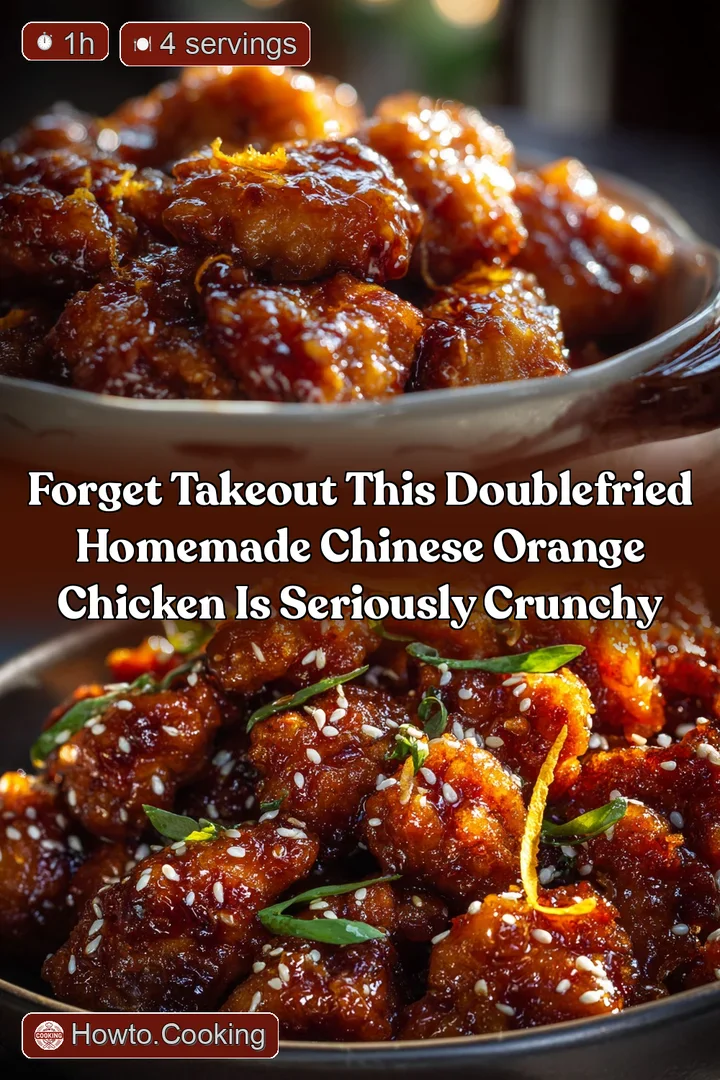
Recipe FAQs
Blimey, how do I stop my Chinese Orange Chicken from going soggy when I toss it in the sauce?
The secret is the double fry technique, which creates a bomb proof coating that resists moisture. Crucially, ensure the sauce is off the heat when you toss the chicken, and serve it sharpish don't let it sit steaming in the pan or it's curtains for your crunch!
I’m trying to cut back on the frying oil; is there a decent way to air-fry or bake this chicken instead?
Absolutely! Lightly spray the coated chicken pieces with oil and air-fry at 200°C (400°F) for 12 15 minutes, flipping halfway through. While the incredible crunch isn't quite the same as a deep fry, it saves a lot of oil and is a brilliant option for a midweek fakeaway.
I find takeaway orange chicken a bit sickly sweet can I cut down the sugar in the glaze?
You certainly can. Feel free to reduce the granulated sugar by up to 1/4 cup; if the flavour feels flat after simmering, balance it by adding an extra splash of rice vinegar or a tiny pinch of salt to brighten those gorgeous citrus notes.
Can I prep the chicken or sauce ahead of time, and how should I handle the leftovers?
You can make the sauce up to three days in advance and keep it chilled. For leftovers, store the chicken and sauce separately in the fridge; to revive the chicken’s crispness, reheat it in a hot oven or air fryer before tossing with the sauce.
I can only get chicken breast will that work, and does it change the cooking time?
Yes, breast works perfectly well, though thighs offer a richer flavour and stay juicier. If using breast, be sure to reduce your initial (first) frying time slightly, aiming for around 2.5 to 3 minutes, as breast meat cooks faster and can dry out easily.
Crispy Homemade Orange Chicken
Ingredients:
Instructions:
Nutrition Facts:
| Calories | 4436 kcal |
|---|---|
| Protein | 22.4 g |
| Fat | 73.7 g |
| Carbs | 96.1 g |
| Fiber | 6.5 g |
| Sugar | 15.8 g |
| Sodium | 1824 mg |
