Delicious Brown Sugar Chops: Crispy and Caramelized
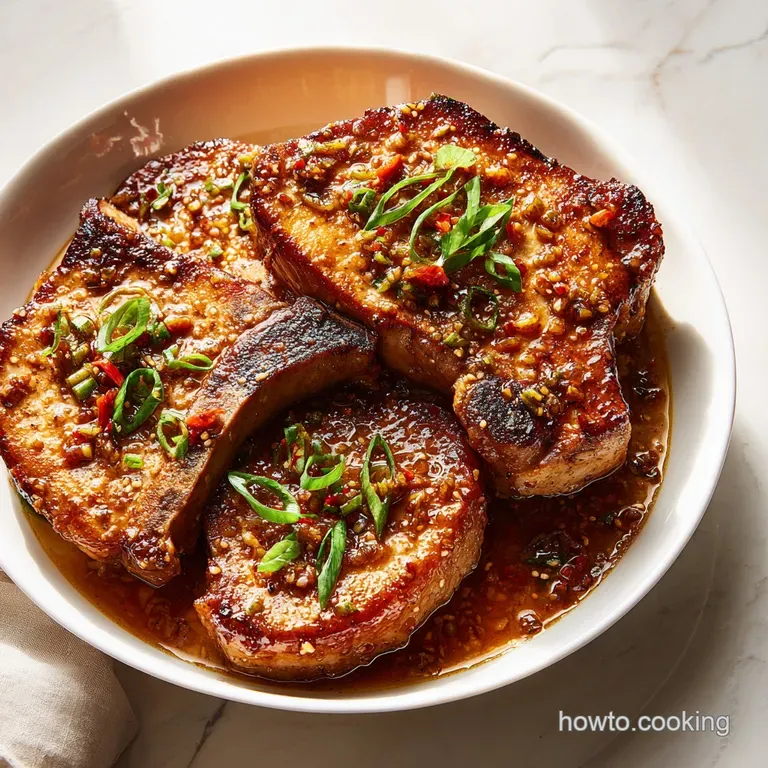
- Time: Active 10 minutes, Passive 15 minutes, Total 25 minutes
- Flavor/Texture Hook: A shatter crisp amber crust giving way to a velvety, sweet and savory glaze.
- Perfect for: A busy Tuesday night when you need a family-friendly meal that feels high effort.
- Creating the Most Delicious Brown Sugar Chops
- Mastering the Sear and Soak Technique
- The Essential Pantry Component Guide
- Tools for a Flawless Finish
- The Step-by-Step Cooking Process
- Avoiding Common Pan Searing Pitfalls
- Creative Twists for Every Palate
- Safe Storage and Reheating Tips
- The Best Sides for Pork
- Recipe FAQs
- 📝 Recipe Card
Creating the Most Delicious Brown Sugar Chops
You know that specific aroma that hits when sugar starts to caramelize against a hot pan? It is that deep, nutty scent that stops you in your tracks. I remember the first time I tried making delicious brown sugar chops for my family. In my part of the world, pork and sweetness have always been a duo.
Whether it was Grandma’s applesauce or a maple glaze, we understood that the savory richness of pork needs a sugary counterpoint to really sing.
Historically, this pairing is a staple in Southern "meat and three" culture, where the sweetness of the glaze often came from whatever was in the pantry. It was a way to make simple cuts of meat feel like a celebration.
When you pull this off, the kitchen fills with the scent of smoked paprika and warm molasses, signaling a meal that is hearty, wholesome, and undeniably comforting.
We are going to focus on a method that avoids the biggest tragedy in pork cooking: the dreaded dry, grey chop. By the time we are done, you will have a mahogany colored crust that looks like it spent hours in a smoker, all achieved in about 15 minutes of actual cooking time.
This is about making the most of every second the meat touches the heat.
Mastering the Sear and Soak Technique
Why Sear and Soak Works
The magic here happens because we are separating the crust building phase from the cooking through phase. When we apply that heavy rub of dark brown sugar and smoked paprika, we are creating a layer that reacts almost instantly to the hot oil. This isn't just about color; it is about creating a textural barrier.
Because we aren't moving the chops, the sugar has a chance to fuse with the proteins in the meat, creating a crust that has a satisfying "shatter" when you bite into it.
Balancing Glaze With Acidity
But sweetness alone can be overwhelming, which is why the "soak" or deglazing step is vital. Using apple cider vinegar and soy sauce provides the necessary brightness and salt to balance the molasses.
As the liquid hits the hot pan, it lifts all those caramelized bits what we home cooks call the "fond" and turns them into a velvety sauce that clings to the meat. It keeps the interior juicy while the outside remains bold and flavorful.
Essential Instant Read Thermometers
If there is one tool I want you to treat as your kitchen's best friend, it is a digital meat thermometer. Pork is incredibly sensitive to overcooking. A few minutes too long and it turns into leather.
Removing the chops at 140°F (60°C) allows the residual heat to carry them to the finish line while they rest. This "carryover cooking" is the difference between a meal that is just okay and one that people talk about for weeks.
| Thickness | Internal Temp | Rest Time | Visual Cue |
|---|---|---|---|
| 1 inch | 140°F | 5 minutes | Amber crust, juices run clear |
| 1.5 inch | 140°F | 8 minutes | Deep mahogany, firm feel |
| 0.5 inch | 140°F | 3 minutes | Quick browning, light pink center |
The Essential Pantry Component Guide
Getting the right ingredients makes all the difference in how the flavors develop in the pan. I always suggest using dark brown sugar rather than light because the extra molasses content provides a deeper color and a more complex, almost earthy sweetness. If you find yourself out of the store-bought stuff, you can actually learn how to make your own brown sugar with just sugar and molasses, which honestly tastes much fresher anyway.
| Ingredient | Science Role | Pro Secret |
|---|---|---|
| Dark Brown Sugar | Browning Agent | Press it firmly into the meat like you're "painting" it on |
| Smoked Paprika | Flavor Foundation | Use high-quality Spanish pimentón for a wood fired aroma |
| Apple Cider Vinegar | Acidic Balance | It tenderizes the outer layer while cutting through the sugar |
| Soy Sauce | Umami Provider | Adds a deep savory note that makes the sugar taste less like candy |
For the chops themselves, we are looking for center cut boneless pork chops. About one inch thick is the "sweet spot." Anything thinner and they will overcook before the crust forms; anything thicker and you might burn the sugar before the middle is safe to eat.
Look for meat that has a nice pink hue and a little bit of marbling that fat is where the flavor lives, and it will render down beautifully into your pan sauce.
Tools for a Flawless Finish
You don't need a professional kitchen, but a cast iron skillet is a significant advantage here. Cast iron holds heat better than stainless steel or non stick, which means when you drop those cold chops into the pan, the temperature doesn't plummet. You want that immediate hiss and sizzle to lock in the crust.
If you don't have cast iron, a heavy bottomed stainless steel pan will work, but avoid non stick for this specific recipe; it won't give you the same mahogany finish.
Chef's Tip: Freeze your pork chops for about 10 minutes before you apply the rub. This keeps the exterior cold for just a few moments longer, allowing you to get a harder sear without overcooking the center.
A sturdy pair of tongs is also better than a fork. Poking holes in the meat with a fork allows the internal juices to escape, which is exactly what we are trying to prevent. You want to be able to flip the chops cleanly and hold them on their sides if you need to render any fat caps on the edges.
Finally, keep a small spoon handy for the "basting" or soaking phase continually bathing the meat in the reducing sauce is what gives it that professional looking sheen.
The step-by-step Cooking Process
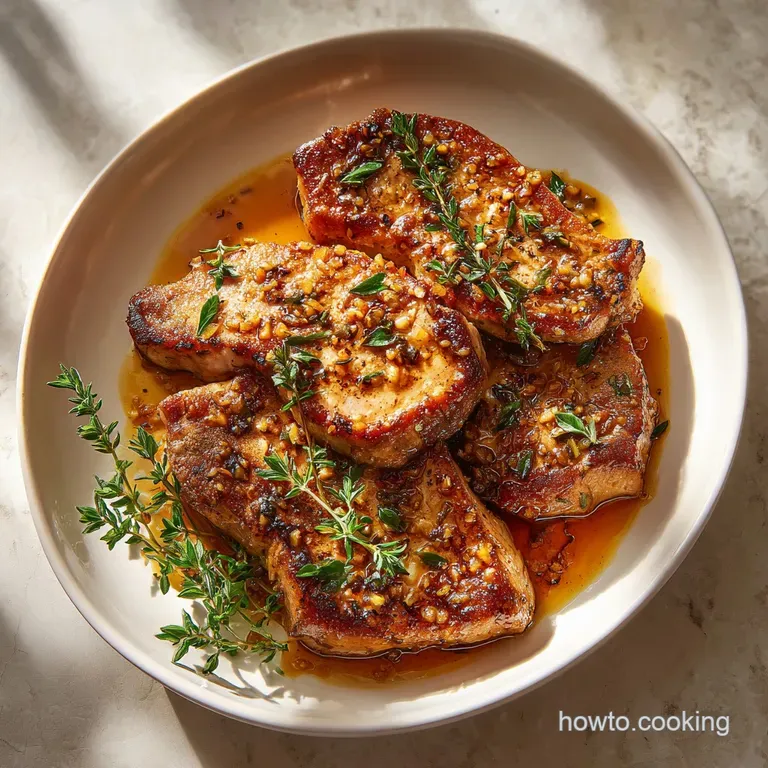
Prepping Chops for Crust
Start by taking those 4 center cut pork chops (about 6 oz each) out of the fridge. The first mistake I see people make is trying to sear damp meat. Water is the enemy of a good crust! Use paper towels to pat them until they are bone dry.
In a small bowl, mix your 2 tbsp dark brown sugar, 1 tsp smoked paprika, 1 tsp garlic powder, 1/2 tsp onion powder, 1/2 tsp kosher salt, and 1/4 tsp black pepper.
Mixing the Dry Rub
Press that seasoning mix firmly into both sides of each chop. You really want to use your hands here to make sure the rub sticks. Let them sit on the counter for about 5 minutes.
This is a mini brine; the salt will start to draw a tiny bit of moisture out, which then dissolves the sugar and spices, creating a paste that adheres perfectly to the meat.
Achieving the Mahogany Sear
Heat 1 tbsp of olive oil in your skillet over medium high heat. You'll know it is ready when the oil shimmers and almost starts to smoke. Lay the chops in carefully. Now, here is the hard part: do not touch them. Let them sear for 3 to 4 minutes. You are looking for a deep, amber brown color.
Flip them and repeat for another 3 to 4 minutes on the other side.
Preparing the Glaze Base
Once both sides are seared, turn the heat down to medium. This prevents the sugar from burning while you build the sauce. Toss in 3 cloves of minced garlic. Stir it for just 30 seconds just until you can smell it. If you let it go longer, it will turn bitter.
Now, pour in 1/4 cup chicken stock, 1 tbsp apple cider vinegar, and 1 tbsp soy sauce. It will hiss and steam, which is exactly what you want.
Finishing the Pan Glaze
Use your spoon to scrape up any bits stuck to the bottom. Continue to cook for another 2 to 3 minutes. While the liquid bubbles and thickens, keep spooning it over the chops. This "soak" method ensures every inch of the meat is coated in the glaze.
Check the temperature; once it hits 140°F (60°C), get them out of the pan immediately. Let them rest on a plate for 5 minutes to reach the final 145°F (63°C).
| Ingredient | Substitute | Why It Works |
|---|---|---|
| Chicken Stock | Beef Stock | Provides a deeper, meatier base for the glaze |
| Apple Cider Vinegar | Rice Vinegar | A softer acidity that still cuts the sugar. Note: Slightly sweeter than ACV |
| Soy Sauce | Tamari | Keeps the dish gluten-free while providing the same umami saltiness |
Avoiding Common Pan Searing Pitfalls
Fixing Hard Candy Glaze
If your glaze turns into a sticky, hard mess that looks like candy, your heat was likely too high or you cooked the liquid for too long. Sugar is temperamental. If this happens, don't panic! Add another splash of chicken stock or even a tablespoon of water to the pan and stir vigorously over low heat.
The liquid will re dissolve the hardened sugar and bring your sauce back to a velvety consistency.
Reviving Grey, Unappetizing Meat
If your chops look grey and sad rather than brown and crispy, the pan wasn't hot enough, or the meat was too wet. This often happens if you overcrowd the skillet. If the chops are too close together, they steam each other instead of searing. If you're doubling the recipe, work in batches.
To "save" a grey chop, you can turn the heat up for the last 60 seconds, but be careful not to overcook the interior.
| Problem | Root Cause | Solution |
|---|---|---|
| Bitter Aftertaste | Burned garlic or sugar | Add a pinch of salt and a splash of stock to dilute |
| Tough Meat | Overcooked | Use a thermometer and stop at 140°F internal |
| Thin Sauce | Not reduced enough | Simmer for 1 extra minute without the meat in the pan |
Common Mistakes Checklist
- ✓ Never skip the pat dry step; moisture prevents the sugar from caramelizing properly.
- ✓ Ensure the pan is shimmering hot before adding the oil and the meat.
- ✓ Don't move the chops for the first 3 minutes; movement ruins the crust development.
- ✓ Use low sodium stock and soy sauce to prevent the glaze from becoming a salt bomb.
- ✓ Always let the meat rest; cutting in too early lets all the juiciness run onto the plate.
Creative Twists for Every Palate
Building a Garlic Explosion
If you are a garlic lover, you can lean into that "brown sugar garlic" profile by doubling the minced garlic and adding a teaspoon of garlic paste to the rub. The paste creates a more intense flavor that really sinks into the meat.
I’ve found that this version goes incredibly well with a side of roasted root vegetables that can soak up that extra garlicky glaze.
Adding a Spicy Kick
For those who want a bit of heat, try adding half a teaspoon of cayenne pepper or a teaspoon of chili flakes to the dry rub. The spice plays beautifully against the dark brown sugar. If you really want to get creative, you can even swap some of the glaze ingredients for a Southern style BBQ sauce for a bolder, smokier finish that feels like a backyard cookout.
- For the "Heat Seeker": Add red pepper flakes and a dash of hot sauce to the vinegar.
- For the "Herb Focused": Toss a sprig of fresh rosemary into the pan during the basting phase.
- For the "Citrus Twist": Use orange juice instead of chicken stock for a brighter, floral glaze.
Safe Storage and Reheating Tips
If you have leftovers, these delicious brown sugar chops store surprisingly well. Put them in an airtight container in the fridge for up to 3 days. However, be aware that the crust will soften as it sits in the glaze. When reheating, I avoid the microwave because it turns the pork into rubber.
Instead, put them in a skillet over medium low heat with a tiny splash of water and cover with a lid. This steams them gently while keeping the meat tender.
For zero waste cooking, don't throw away any leftover glaze in the pan! If you have extra sauce, toss some roasted broccoli or green beans into the skillet while it is still warm. The vegetables will pick up all those caramelized pork juices and sugar, turning a boring side dish into something special.
You can also freeze the cooked chops for up to 2 months; just wrap them tightly in foil and then place them in a freezer bag to prevent freezer burn.
The Best Sides for Pork
Serving a Low Carb Meal
If you are looking to keep things nutritious and family friendly, I love serving these chops with a big pile of sautéed spinach or roasted asparagus. The bitterness of green vegetables provides a great contrast to the sweet mahogany glaze.
Because the pork is so flavorful, you don't need a heavy sauce on your sides just a squeeze of lemon and a bit of sea salt will do.
Planning the Family Dinner
For a classic, comforting meal, you can't beat mashed potatoes or a simple rice pilaf. The rice acts like a sponge for any extra glaze that wanders off the pork. If you want something a bit more traditional, fried apples are a phenomenal pairing.
They mirror the sweetness of the brown sugar while adding a soft, buttery texture to the plate. It is the kind of dinner that makes everyone sit a little longer at the table, enjoying the last few bites of that perfectly seared crust.
Many people think searing "seals in the juices," but that is actually a myth. Searing is purely for the Maillard reaction creating flavor and texture. The juiciness actually comes from not overcooking the protein and allowing the meat to rest.
Another common misconception is that you shouldn't use sugar on a over high heat sear. While white sugar burns quickly, the molasses in brown sugar and the presence of the other spices help buffer the heat, giving you that beautiful amber finish without the char.
Trust the process, keep your thermometer handy, and you'll have a new weeknight favorite.

Recipe FAQs
Why is it necessary to pat the pork chops bone dry before seasoning?
Moisture is the enemy of a deep amber crust. If the surface is damp, the meat will steam rather than sear, preventing the brown sugar from properly caramelizing into that signature glaze.
Can I move the pork chops around the skillet while they are searing?
No, leave them completely undisturbed for 3 4 minutes per side. Moving them too early breaks the contact between the meat and the hot pan, preventing the crust from forming. If you enjoyed learning how to manage heat for a perfect sear here, the same technique applies to achieving a fluffy, golden crust when making classic fry bread.
Is it true I should use high sodium ingredients for a deeper flavor?
False, using high sodium ingredients will result in an overwhelmingly salty dish. Stick strictly to low-sodium chicken stock and soy sauce to balance the sugar without overpowering the palate.
How to ensure the glaze thickens properly?
Continuously spoon the liquid over the chops during the final 2 3 minutes of cooking. This basting method allows the liquid to reduce and thicken into a syrupy glaze while ensuring the flavors penetrate the meat.
What is the secret to keeping the pork chops juicy?
Remove the chops from the pan at 140°F and let them rest for 5 minutes. The residual heat will carry the internal temperature to the safe 145°F, locking in the juices that would otherwise run out if you sliced them immediately.
How to fix the seasoning if the sugar starts to burn?
Reduce the heat to medium immediately and deglaze the pan with the liquid ingredients. The stock and vinegar will stop the sugar from burning while loosening the fond from the bottom of the skillet to create your glaze.
Is it safe to substitute white sugar for dark brown sugar?
No, the molasses content in dark brown sugar is essential for the depth and color of the glaze. Using white sugar will result in a much thinner, less flavorful sauce that lacks the characteristic caramel notes.
Delicious Brown Sugar Chops
Ingredients:
Instructions:
Nutrition Facts:
| Calories | 269 calories |
|---|---|
| Protein | 37.7 g |
| Fat | 8.6 g |
| Carbs | 7.1 g |
| Fiber | 0.4 g |
| Sugar | 6.2 g |
| Sodium | 582 mg |
