Easy Baked Mashed Potatoes: Creamy & Crispy
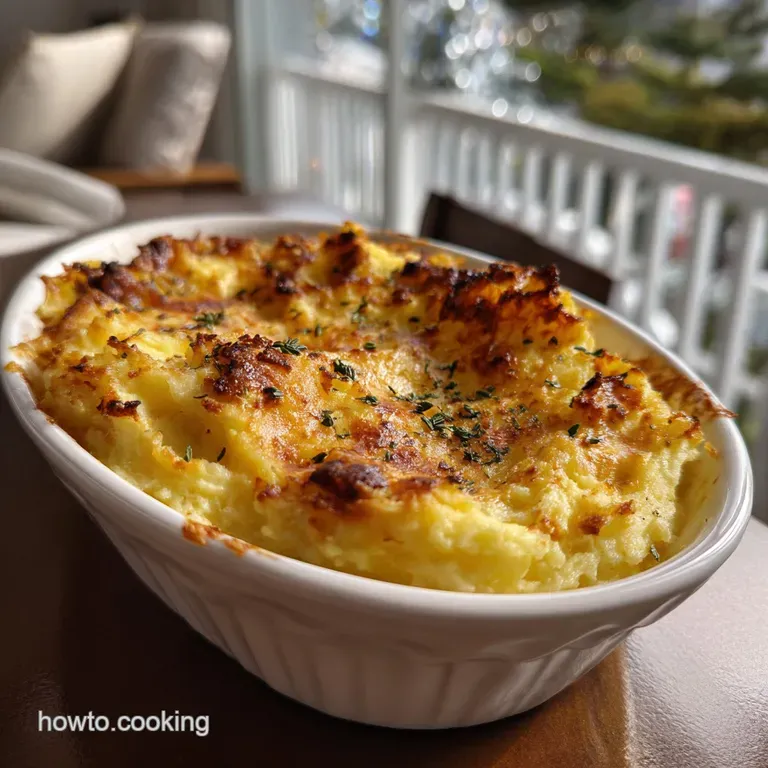
- Time: Active 15 minutes, Passive 35 minutes, Total 50 minutes
- Flavor/Texture Hook: Velvety interior with a shattering golden cheese crust
- Perfect for: Holiday hosting, meal prep, or cozy family dinners
- The Science Behind Velvety Textures
- Reliable Standards For Every Pan
- Minimal Tools For Smooth Potatoes
- Components Analysis
- Smart Swaps For Better Flavors
- The Steps To Golden Spuds
- Fixing Texture and Flavor Issues
- Smart Swaps For Better Flavors
- Fresh Storage and Leftover Ideas
- Best Pairings For Family Dinner
- Recipe FAQs
- 📝 Recipe Card
The Science Behind Velvety Textures
The secret to why this works so well comes down to starch management and moisture control.
- Starch Gelatinization: Boiling the potatoes expands the starch granules until they burst, creating a structure that can absorb the heavy cream and butter like a sponge.
- Lipid Encapsulation: Adding softened butter before the liquid ingredients coats the potato starch in fat, which prevents the proteins from turning the mash into a gummy or gluey mess.
Right then, let's talk about the difference between the fast method and the classic approach. Sometimes we need speed, and other times we want that deep, baked in flavor.
| Feature | Fast Stovetop Method | Classic Baked Method |
|---|---|---|
| Texture | Soft and fluid | Dense, fluffy, and structured |
| Topping | None (smooth) | Crispy cheese and butter crust |
| make-ahead | Best served immediately | Perfect for prepping a day early |
While both have their place, the baked version wins every time for a festive dinner. If you are looking for more potato inspiration, you might enjoy the hearty depth of my Potato Soup Recipe, which uses similar starch principles to achieve a silky consistency. Trust me on this, once you understand how potatoes behave under heat, you'll never settle for mediocre mash again.
Reliable Standards For Every Pan
When you are feeding a crowd or just a hungry family of four, knowing exactly how much you need is the key to a stress free evening. I've learned the hard way that "eyeballing" potatoes usually leads to too many leftovers or, worse, empty plates.
| Servings | Potato Weight | Pan Size | Cook Time |
|---|---|---|---|
| 4 people | 1.5 lbs | 8x8 square | 25 minutes |
| 8 people | 3 lbs | 9x13 casserole | 35 minutes |
| 12 people | 4.5 lbs | Large roaster | 45 minutes |
Working with 3 lbs of Yukon Golds is the "sweet spot" for most standard 9x13 baking dishes. This provides a thick enough layer to stay moist while maximizing the surface area for that gorgeous cheese topping.
If you're planning a massive gathering, don't be afraid to double the recipe, but remember to use two separate pans rather than one giant one to ensure even heat distribution.
Minimal Tools For Smooth Potatoes
To keep things simple for the busy cook, we are avoiding fancy ricers or food mills today. You really only need a large pot, a colander, and a sturdy hand masher or even a large fork.
Components Analysis
| Ingredient | Science Role | Pro Secret |
|---|---|---|
| Yukon Gold Potatoes | High starch, low moisture | Leave skins on for extra nutrition and rustic texture. |
| Sour Cream | Acidic tenderizer | Adds a tangy brightness that cuts through the heavy fat. |
| Sharp Cheddar | Emulsified fat | Freshly grate your cheese to avoid the grainy wood pulp coating. |
Using the right potato is non negotiable for me. While Russets are fine, Yukon Golds have a naturally buttery flavor and a waxy enough texture that resists becoming grainy. They hold the cream much better than their starchier cousins. If you're a fan of rich, cheese forward sides, you'll see a lot of these same principles in The Gruyère Au recipe, where the fat to starch ratio is key.
Smart Swaps For Better Flavors
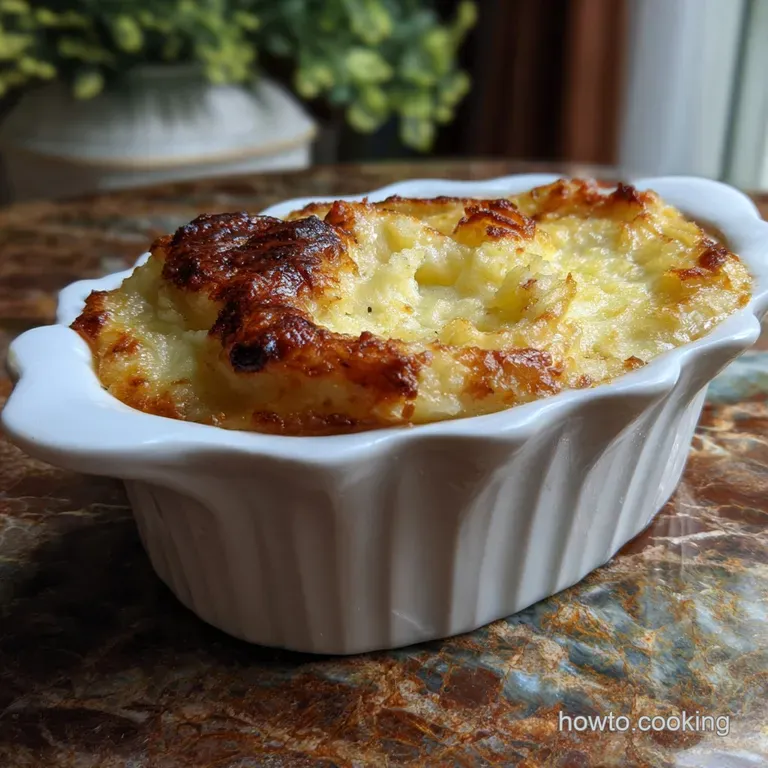
Here is the full list of what you will need for these easy baked mashed potatoes. I've included the exact quantities from my kitchen trials to ensure your success.
- 3 lbs Yukon Gold potatoes: Why this? Naturally creamy flavor and perfect starch balance for a fluffy, never gummy texture. (Substitute: Russet potatoes for a lighter, airier mash)
- 1 tbsp sea salt: Why this? Essential for seasoning the potatoes from the inside out during the boil. (Substitute: Kosher salt)
- 4 tbsp unsalted butter, softened: Why this? Softened butter incorporates faster without chilling the hot potatoes. (Substitute: Salted butter, but reduce extra salt)
- 1/2 cup heavy cream, warmed: Why this? Warm liquid prevents the starch from "shocking" and becoming tough. (Substitute: Whole milk for a lighter version)
- 1/2 cup sour cream: Why this? Provides the "lift" and tang that keeps the dish from feeling too heavy. (Substitute: Plain Greek yogurt)
- 1 tsp garlic powder: Why this? Distributes flavor evenly through the mash without raw garlic bites. (Substitute: 3 cloves roasted garlic)
- 1 cup sharp cheddar cheese, shredded: Why this? Melts beautifully into a golden, flavorful crust. (Substitute: Gruyère or Monterey Jack)
- 1/4 cup grated Parmesan cheese: Why this? Adds a salty, umami kick to the topping. (Substitute: Pecorino Romano)
- 2 tbsp unsalted butter, cut into small pats: Why this? Creates those "flavor craters" on the top of the casserole. (Substitute: Olive oil drizzle)
- 1 tbsp fresh chives, finely chopped: Why this? Adds a pop of color and a mild onion bite. (Substitute: Green onion tops)
- Salt and black pepper to taste: Why this? Final seasoning adjustments are crucial for a professional finish.
| Original Ingredient | Substitute | Why It Works |
|---|---|---|
| Heavy Cream (1/2 cup) | Full fat Coconut Milk | Similar fat content. Note: Adds a slight nutty flavor. |
| Sour Cream (1/2 cup) | Plain Greek Yogurt | High protein and acidity. Note: Slightly tangier than sour cream. |
| Sharp Cheddar (1 cup) | Nutritional Yeast (1/3 cup) | Adds savory "cheesy" flavor. Note: Changes texture significantly. |
The Steps To Golden Spuds
- Prep the potatoes. Peel the 3 lbs of Yukon Golds and cube them into uniform 1 inch pieces. Note: Uniformity ensures every piece finishes cooking at the exact same time.
- Start the boil. Place cubes in a large pot, cover with cold water by an inch, and add 1 tbsp sea salt.
- Simmer until tender. Bring to a boil, then reduce to a simmer for 15-20 minutes until a fork slides in with zero resistance.
- The steam dry trick. Drain the potatoes, then return them to the hot pot for 1 minute over low heat. Note: This evaporates excess water, preventing a "soggy" mash.
- Initial fat hit. Add the 4 tbsp softened butter to the pot and mash vigorously until the butter is fully absorbed.
- Incorporate the liquids. Pour in the 1/2 cup warmed heavy cream and 1/2 cup sour cream, along with 1 tsp garlic powder.
- Final seasoning. Stir in salt and pepper to taste. Mash until the mixture is velvety and smooth but still has some body.
- Transfer to dish. Spread the mash into a greased 9x13 baking dish, smoothing the top with a spatula.
- Add the topping. Sprinkle the 1 cup cheddar and 1/4 cup Parmesan over the top, then dot with the 2 tbsp butter pats.
- Bake to finish. Bake at 400°F for 15-20 minutes until the cheese is bubbling and golden brown.
- Garnish and serve. Scatter the 1 tbsp fresh chives over the hot casserole and let it rest for 5 minutes before scooping.
Fixing Texture and Flavor Issues
Even with the best intentions, potatoes can be finicky. I've had my share of kitchen "disasters" that turned out to be easily fixable with a little bit of science and patience.
Preventing Sticky Potato Texture
If you overwork the potatoes, they release too much starch and become gummy. To avoid this, never use a food processor or blender. Always mash by hand or use the paddle attachment on a stand mixer just until combined. If they already feel "stretchy," stop immediately and fold in a little extra warm cream by hand.
Absorbing Liquid Like Sponges
Sometimes your potatoes might seem too dry even after adding the prescribed amounts. This often happens with older potatoes that have lost moisture. Don't panic! Simply add warmed milk or cream one tablespoon at a time until the texture becomes silky again.
Creating The Golden Crust
If your cheese isn't browning, it might be due to the moisture level in the oven. You can switch to the broiler for the last 2 minutes, but watch it like a hawk. The difference between "perfectly bronzed" and "charred" is about 30 seconds.
| Problem | Root Cause | Solution |
|---|---|---|
| Gummy texture | Over mashing or cold ingredients | Fold in a splash of warm milk; use a hand masher next time. |
| Bland flavor | Not enough salt in the boil | Add a pinch of salt and a splash of lemon juice to brighten. |
| Separation/Oily | Melted butter didn't emulsify | Stir in a tablespoon of warm cream and whisk vigorously. |
Common Mistakes Checklist ✓ Start potatoes in cold water (ensures even cooking from center to edge). ✓ Drain thoroughly and "steam dry" in the hot pot (prevents watery mash). ✓ Always warm your cream and butter (prevents the starch from seizing up).
✓ Use a hand masher, never a high speed blade (avoids the "glue" effect). ✓ Grate your own cheese (pre shredded cheese has cellulose that prevents smooth melting).
Smart Swaps For Better Flavors
Adjusting a recipe for your family's needs shouldn't be stressful. Whether you're cutting back on dairy or looking for a way to save time, these scaling and variation tips will keep you moving forward with confidence.
Scaling Down (for 2-4 people): Use 1.5 lbs of potatoes and halve all other ingredients. Use an 8x8 inch pan and check for doneness at 20 minutes. Since you can't easily use half an egg (though this recipe doesn't use them!), scaling is quite linear and simple here.
Scaling Up (for 16+ people): Use 6 lbs of potatoes. Increase salt and spices to only 1.5x the original amount first, then taste and adjust. Large batches of potatoes hold heat longer, so you might need to reduce the oven temperature to 375°F and bake for 45 minutes to ensure the center gets hot without burning the top.
If you want a specific result, try these tweaks:If you want extra tang, increase the sour cream by 1/4 cup and reduce the heavy cream by the same amount. If you want a crunchier topping, mix 1/2 cup of Panko breadcrumbs with the Parmesan and a little melted butter.
If you want a lighter dish, swap the heavy cream for chicken broth and use Greek yogurt instead of sour cream.
Fresh Storage and Leftover Ideas
These easy baked mashed potatoes are a dream for meal preppers. You can store the cooked leftovers in an airtight container in the fridge for up to 4 days. When you're ready to eat, don't just microwave them into a dry brick.
Add a splash of milk, cover with foil, and reheat in the oven at 350°F until steaming.
Freezing Guidelines: Potatoes with high fat content (like this recipe!) freeze remarkably well. Place the mash in a freezer safe bag, press it flat to remove air, and freeze for up to 2 months. To reheat, thaw in the fridge overnight before baking.
Zero Waste Tip: Don't throw away those potato peels! Toss them with olive oil, salt, and smoked paprika, then roast at 400°F until crispy. They make a nutritious "chef's snack" while you wait for the main casserole to finish.
Also, if you find yourself with just a small scoop of leftovers, use them as a thickener for a vegetable soup or as the base for savory potato pancakes the next morning.
Best Pairings For Family Dinner
There are two major myths that I want to bust right now. First, many people think you have to peel potatoes perfectly for a good mash. Honestly, leaving a few bits of skin adds wholesome texture and fiber it’s "rustic," not a mistake!
Second, you might hear that adding salt at the end is the same as adding it at the beginning. That's false. Salting the boiling water seasons the starch molecules as they expand, leading to a much deeper, more rounded flavor profile.
The Perfect Pairing
These potatoes are the ultimate companion for a juicy roast chicken or a slow cooked pot roast. The richness of the cheddar topping complements the savory juices of the meat. If you're looking for a lighter pairing, a crisp green salad with a sharp vinaigrette provides a beautiful contrast to the creamy spuds.
Holiday Presentation
For a "wow" factor at the holiday table, try making baked mashed potato balls. Instead of spreading the mash in a dish, let it cool slightly, scoop it into spheres using an ice cream scoop, and place them on a baking sheet. Top each ball with a little cheese and bake until they look like golden haystacks.
It’s a fun, individual serving twist that kids absolutely love.
Restaurant Quality Flavor
If you want to feel like a pro, add a tiny drizzle of truffle oil or a spoonful of prepared horseradish to the mix before baking. These "high impact" ingredients go a long way in creating a complex flavor that will have your guests asking for the secret ingredient.
Just remember to start small you can always add more, but you can't take it out!
By following these reliable steps and trusting the science of the potato, you’ll create a dish that is far more than just a side. It’s a testament to simple, flavorful cooking that brings people together. Enjoy the process, don't fear the butter, and most importantly, enjoy every creamy, cheesy bite.
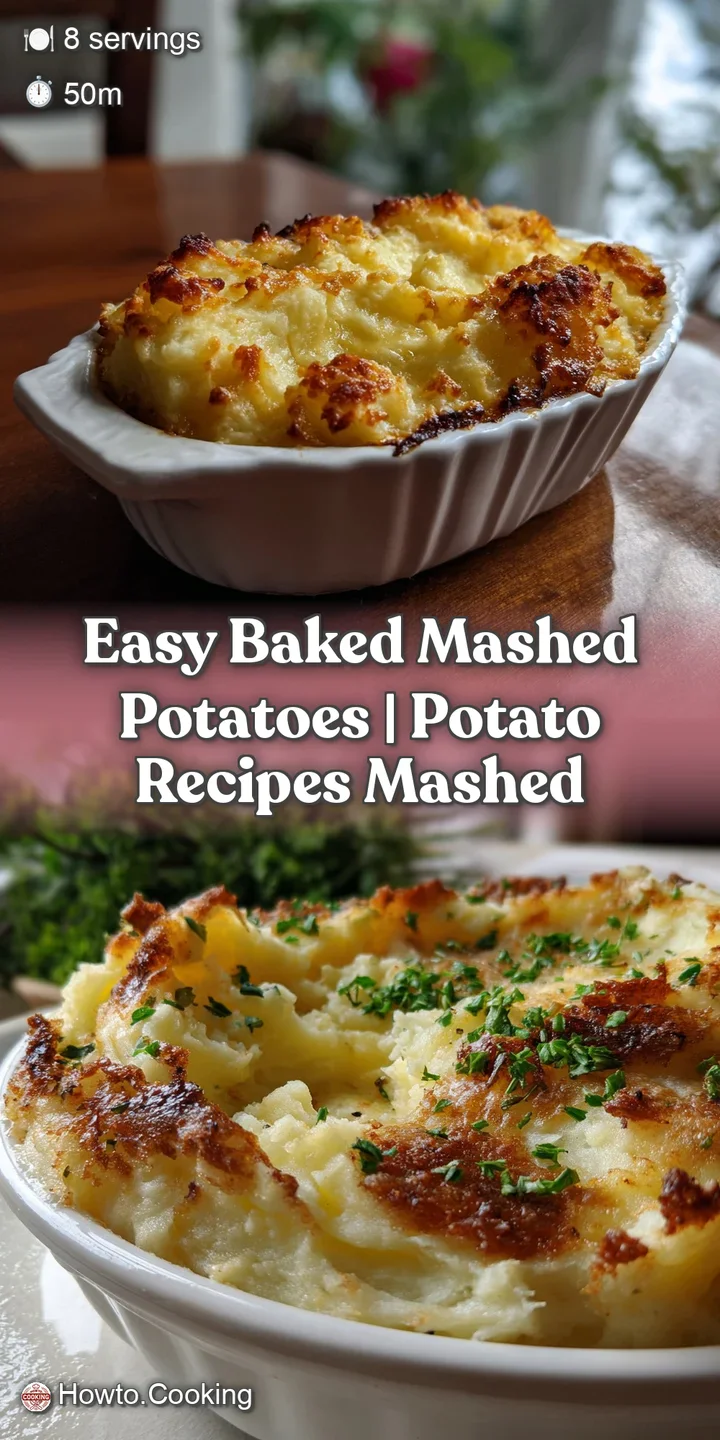
Recipe FAQs
Can I make these ahead of time?
Yes, up to 24 hours in advance. Assemble the casserole and cover it tightly with plastic wrap before refrigerating. Bake as directed, potentially adding a few extra minutes to the cook time.
What's the best type of potato to use?
Yukon Gold potatoes are ideal. They have a naturally buttery flavor and the right starch-to-moisture ratio for a fluffy, never gummy texture. If you enjoyed controlling the starch here, see how we apply similar principles in our How to Make My Grandmother's Savory Passover Potato Pie.
Why are my mashed potatoes gummy?
You likely over mashed them. Overworking releases too much starch, creating a gluey texture. Always mash by hand until just combined, and never use a food processor or blender for this recipe.
How do I get a crispy cheese topping?
Ensure your oven is hot enough and the cheese is fresh. Baking at 400°F should bubble and brown the cheese nicely. For an extra crisp, you can switch to the broiler for the last 1-2 minutes, watching very carefully to prevent burning.
Can I use milk instead of heavy cream?
Yes, whole milk can be substituted. It will result in a slightly lighter mash. For a richer, more decadent side dish, consider pairing this with a classic like Apple Pie: The Classic Homemade Recipe with a Guaranteed Flaky Crust.
How much salt should I add to the boiling water?
Add about 1 tablespoon of sea salt per pound of potatoes. Salting the water seasons the potatoes from the inside out as they cook, ensuring a more deeply flavored mash than adding salt only at the end.
Can I make this dairy-free?
Yes, with a few substitutions. Use full fat coconut milk for heavy cream and plain, unsweetened non-dairy yogurt for sour cream. Ensure your cheese substitute is also dairy-free.
Easy Baked Mashed Potatoes
Ingredients:
Instructions:
Nutrition Facts:
| Calories | 356 kcal |
|---|---|
| Protein | 8.8 g |
| Fat | 22.5 g |
| Carbs | 31.1 g |
| Fiber | 3.2 g |
| Sugar | 2.1 g |
| Sodium | 425 mg |
