Homemade Bbq Sauce: the Proper Pitmasters Tangy Smoky Recipe
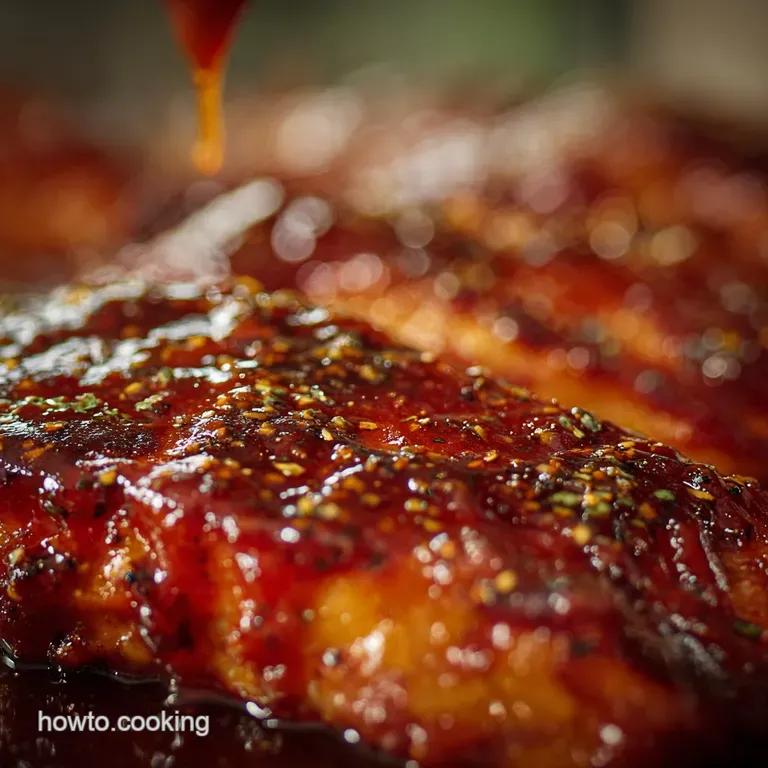
- Introducing the Ultimate All-Purpose Homemade BBQ Sauce
- The Science of Tang: Why This Foundational Sauce Works So Well
- Core Ingredients for the Proper Pitmaster's Homemade BBQ Sauce
- Crafting Your Signature Homemade BBQ Sauce: Step-by-Step Guide
- Troubleshooting and Expert Tips for the Perfect Batch
- Make-Ahead and Storage Solutions for Homemade BBQ Sauce
- Beyond the Baste: Versatile Uses for Your New Favorite Sauce
- Recipe FAQs
- 📝 Recipe Card
Introducing the Ultimate All-Purpose Homemade BBQ Sauce
That deep, smoky smell that fills the kitchen when you’re reducing a good batch of sauce? It is absolutely magic. The colour alone a rich, dark mahogany tells you immediately that this isn't the thin, watery stuff languishing on the store shelf.
You are about to make the real deal, the kind of sauce that makes people ask for the recipe immediately.
Honestly, mastering this homemade BBQ sauce is a lifesaver for frantic weeknights and massive summer gatherings. It uses simple pantry staples you already have, making it fast, ridiculously cheap, and exponentially better than any mass produced bottle.
I swear my tastebuds staged a little revolution when I finally nailed this specific ratio of sweet and sharp.
Forget those overly sugary syrups and weak flavour profiles; we are building depth and balance with every ingredient. Let’s crack on and make the best homemade barbecue sauce you've ever tasted, right from scratch.
The Science of Tang: Why This Foundational Sauce Works So Well
Moving Beyond store-bought Syrups
Those commercial sauces are usually just high fructose corn syrup and tomato paste. Seriously, they’re lazy. This homemade BBQ sauce recipe focuses on achieving complex flavor profiles using multiple types of sweetness and acid, which yields a much more satisfying result.
We are layering flavor, not just adding sugar.
Defining the Classic American BBQ Flavor Profile
The classic profile leans into the Kansas City style: thick, tomato based, balanced between sweet molasses and bright apple cider vinegar. This sauce is robust enough to cling to whatever you put it on, providing that perfect caramelized shell when it hits the heat.
Why Every Home Cook Needs a Go-To Sauce Recipe
Knowing how to make your own sauce gives you total control over the sodium and sugar content, which is a huge health win. Plus, once you master this base recipe, you can tweak it infinitely to match any dish you are cooking. It’s kitchen freedom.
The Crucial Role of Acid in Balancing Sweetness
If your sauce tastes flat or cloyingly sweet, the problem is almost always insufficient acid. We use apple cider vinegar here because its fruitiness complements the smoky paprika perfectly.
Acid cuts through the richness , lifting the entire flavor profile and making the sauce bright instead of heavy.
Achieving Perfect Viscosity Without Artificial Thickeners
We don't need cornstarch or xantham gum here, thank goodness. The key to that luxurious, spoon coating thickness is patient reduction over a low heat. As the liquids evaporate during the 40 minute simmer, the natural starches and sugars concentrate, forming a naturally thick and beautiful sauce.
Building Depth: Layering Smoky and Savory Notes
The initial step of sautéing the onions and garlic creates an aromatic foundation. Then, we boost the depth dramatically by blooming the spices cooking them briefly in hot oil before adding the wet ingredients.
This simple trick makes the smoked paprika taste ten times better and ensures a truly smoky flavor.
Core Ingredients for the Proper Pitmaster's Homemade BBQ Sauce
Understanding the Base: Tomatoes, Vinegar, and Molasses
Ketchup forms the bulk of our liquid base, giving us a head start on texture and tomato flavor. Molasses, specifically dark molasses, is non-negotiable for achieving that classic, deep, almost fudgy BBQ flavor. The vinegar provides the essential tang we talked about earlier.
Essential Spices and Aromatic Foundations
You absolutely must use smoked paprika for this recipe; regular paprika just won't cut it. We also rely on the punch of minced fresh garlic and finely diced yellow onion to build a proper foundation. I once tried skipping the onion to save five minutes and the result was embarrassingly bland.
Quality Matters: Sourcing the Best Ketchup and Brown Sugar
Since ketchup makes up about half the volume of this homemade BBQ sauce with ketchup , choosing a good quality brand that you genuinely like is critical. Don't skimp here; the difference between a high sugar, watery ketchup and a rich, tomato forward one is massive.
Dark brown sugar is preferred over light brown sugar because it contains more molasses, reinforcing the depth.
Smart Substitutions for Dietary Restrictions or Flavor Tweaks
Here’s a quick cheat sheet for ingredient swaps if your pantry is looking sparse:
| Ingredient | Viable Substitute | Notes |
|---|---|---|
| Ketchup (1 1/2 cups) | Tomato Purée (1 1/2 cups) + 3 Tbsp extra sugar | The purée needs extra sweetness and seasoning. |
| Apple Cider Vinegar (1/2 cup) | White Vinegar (4 Tbsp) or Red Wine Vinegar (1/2 cup) | Use less white vinegar as it is much sharper. |
| Dark Brown Sugar (1/4 cup) | Honey or Maple Syrup (1/4 cup) | Expect a slightly runnier sauce and a different flavor complexity. |
| Molasses | Skip if necessary, but increase brown sugar by 1 Tbsp | Molasses is crucial for depth; skipping it will lessen the authenticity. |
| Worcestershire Sauce | Balsamic Vinegar (1 tsp) + Soy Sauce (1/2 tsp) | Use this blend for the savory umami notes. |
Crafting Your Signature Homemade BBQ Sauce: step-by-step Guide
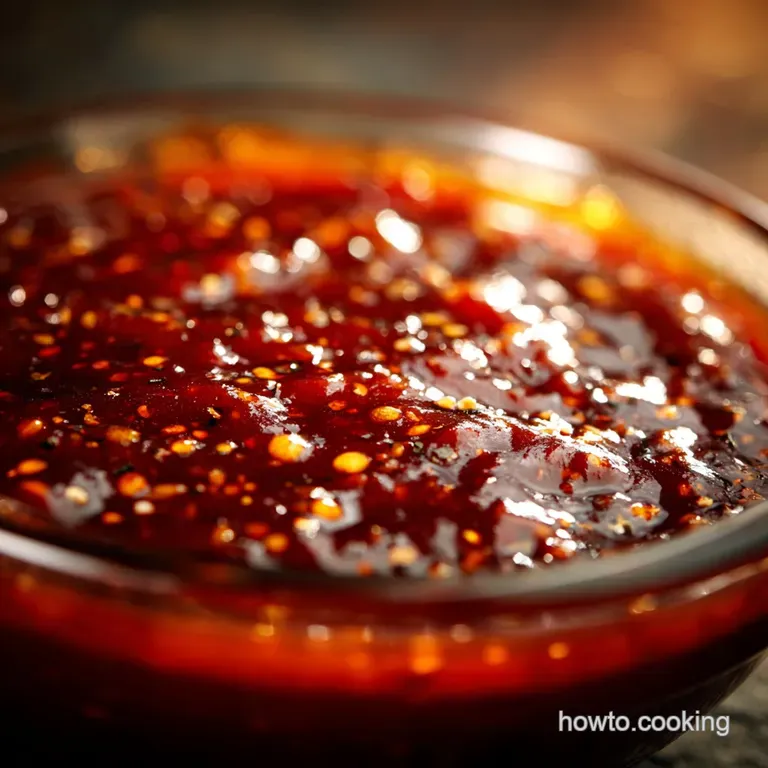
Sautéing the Aromatics (Building the Flavor Base)
Heat your oil in a sturdy saucepan over medium heat. Gently cook the finely minced yellow onion until it becomes completely soft and translucent, which takes about 5 to 7 minutes. This gentle cooking prevents sharp, crunchy bits in the final sauce, creating a smooth texture.
Then add the garlic for just one minute until you smell that amazing fragrance.
Combining and Whipping the Liquids
This is where the magic happens. Before adding the bulk liquids, toss the smoked paprika and chili powder into the warm onion mixture and stir for 30 seconds. This step, called blooming, intensifies the spice flavor dramatically.
Now, pour in the apple cider vinegar to deglaze the pan, scraping up any tasty browned bits. Then add the ketchup, water, Worcestershire, and Dijon.
Simmering for Depth: The Reduction Process
Bring the entire mixture to a soft boil, then immediately turn the heat way down to the lowest setting possible. We need a steady, lazy bubble, not a violent rolling boil that scorches the bottom.
Simmering for 35– 45 minutes allows the sauce to reduce by about a third, thickening naturally and melding all the sweet, sour, and smoky flavors together. This is how you get truly great Homemade BBQ Sauce from scratch.
Achieving the Final Consistency Check
The sauce is ready when it thickly coats the back of a spoon. If you swipe your finger across the coated spoon and the line remains distinct, you are done. If you want an ultra smooth consistency, now is the time to blend it carefully with an immersion blender.
Finally, taste and adjust the salt the final flavor check is the most important part!
Chef’s Note: Do not attempt to thicken the sauce quickly by turning up the heat. High heat caramelizes the sugars too fast and leads to scorching, giving the entire batch a terrible burnt taste. Low and slow is the only way here.
Troubleshooting and Expert Tips for the Perfect Batch
My Sauce Tastes Too Sweet: How to Adjust the pH Balance
If you find the sauce overly sweet after the reduction, your fix is simple: add acid. Whisk in vinegar, one teaspoon at a time, using either the apple cider vinegar or a high-quality balsamic, until the sweetness is balanced out. Sometimes, a tiny bit of salt also helps neutralize extreme sweetness.
The Secret to Deepening Smoke Flavor Naturally
We already use smoked paprika, but if you want more deep smoke, try using a tiny dash (1/2 tsp) of liquid smoke stirred in during the final 10 minutes of simmering.
Another fantastic trick is to swap out the regular water for a splash of strong, freshly brewed coffee or stout beer; both liquids add a beautiful dark color and complexity that reads as "smoky" and deep.
Avoiding Burn: Stirring Techniques During Reduction
The molasses and brown sugar are heavy and sink to the bottom of the pan, making them extremely susceptible to scorching. You must use a heavy bottomed pan, and you need to stir the bottom thoroughly every 5– 10 minutes during the reduction process.
If you smell even a faint burnt odor, immediately transfer the sauce to a new, clean pot and discard the small burnt layer at the bottom.
make-ahead and Storage Solutions for Homemade BBQ Sauce
Refrigeration Life: Safety and Shelf Span
Thanks to the high acid content from the vinegar, this sauce stores wonderfully. Once cooled completely, pour the easy homemade BBQ sauce into clean, airtight jars or containers. It will last safely in the refrigerator for up to 3 4 weeks.
Seriously, the flavor actually peaks 2 or 3 days after you make it.
Proper Freezing Techniques for Long Term Storage
But does it freeze well? You bet it does. If you made a massive batch, freeze portions in freezer safe containers or even large silicone ice cube trays for easy thawing. When freezing, leave about 1/2 inch of headspace, as liquids expand. It will stay good for 6 months.
To reheat, thaw overnight in the fridge and warm gently in a saucepan, whisking well.
Canning Your Sauce: When to Use the Water Bath Method
If you plan on giving this sauce away as gifts or need it to last 6 12 months on a shelf, you must can it. Since this recipe contains plenty of acid (vinegar), it is safe for a standard water bath canning method.
Heat the finished sauce back up to boiling, fill sterilized jars, leaving 1/2 inch headspace, and process in a boiling water bath for 15 minutes. Check those seals!
Beyond the Baste: Versatile Uses for Your New Favorite Sauce
This isn’t just a grilling sauce; this sauce is a kitchen powerhouse. Try whisking a tablespoon into mayonnaise for an incredible dipping sauce for homemade fries or onion rings. I often use it instead of ketchup on a burger, or thin it slightly with a touch of orange juice for a killer glaze.
You can also use this sticky, smoky goodness to elevate your sweet side dishes. It pairs wonderfully with something slightly acidic and rich. For dessert, sometimes I serve sticky, gooey pull apart bread like my Strawberry Monkey Bread: Sticky Homemade Brioche Pull Apart Bake alongside savory dishes that feature this sauce the contrast is divine. Try substituting this sauce into any recipe that calls for commercial barbecue sauce; you'll immediately taste the difference.

Recipe FAQs
Why is my homemade BBQ sauce too thin or watery?
The sauce needs sufficient time to reduce. Simmering is crucial as it allows the excess water to evaporate, concentrating the flavors and thickening the sauce naturally. If it is still too thin after 30 minutes, remove the lid and continue to simmer slowly until the desired consistency is achieved.
How long can I safely store this homemade BBQ sauce?
Because of the high acidity (from the vinegar and ketchup base), this sauce keeps very well. Store it in a sterilized, airtight container or jar in the refrigerator for up to 2-3 weeks. For longer storage, this sauce freezes beautifully; simply thaw overnight in the fridge.
My sauce tastes too sharp or acidic. How do I balance the flavor profile?
Acidity is essential for tang, but if it's overpowering, it needs balancing with sweetness. Try incorporating an extra tablespoon of brown sugar or a drizzle of molasses into the batch and simmer for five minutes.
A small pinch of baking soda can also slightly neutralize overwhelming acidity without altering the taste significantly.
Can I make this Pitmaster’s BBQ sauce spicier or hotter?
Absolutely. You can easily adjust the heat by adding a pinch of cayenne pepper or a teaspoon of your favorite hot sauce during the simmering stage. For a deep, smoky heat, stir in a teaspoon of finely minced chipotle peppers in adobo sauce.
Should I apply this sauce before or after grilling the meat?
Due to the high sugar content, homemade BBQ sauce can burn and caramelize quickly over direct high heat. It is best to apply the sauce near the very end of the grilling process typically during the last 10 minutes of cooking.
Alternatively, use the sauce as a dip or a finishing glaze after the meat is fully cooked.
How can I adapt this recipe to be completely vegan?
The main ingredients requiring modification are often the Worcestershire sauce and sometimes the sweetener. Ensure the Worcestershire sauce you use is vegan certified, as traditional versions often contain anchovies.
If the recipe calls for honey, substitute it directly with an equal amount of maple syrup or agave nectar.
Easy Homemade Bbq Sauce Recipe
Ingredients:
Instructions:
Nutrition Facts:
| Calories | 244 kcal |
|---|---|
| Protein | 3.5 g |
| Fat | 4.6 g |
| Carbs | 50.8 g |
