Easy Salmon Marinade Recipe with Lemon: Caramelized and Flaky
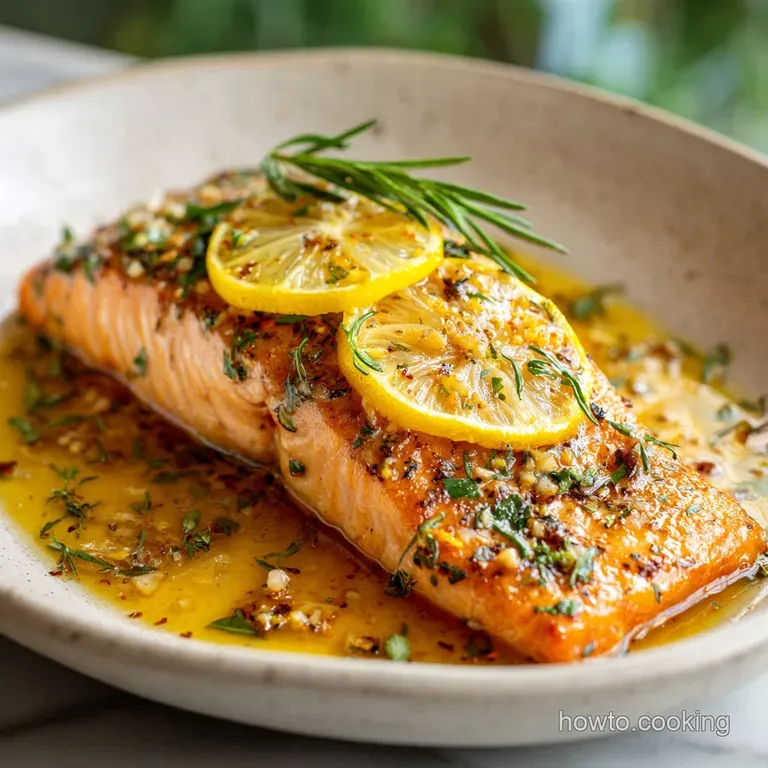
- Time: Active 12 minutes, Passive 30 minutes, Total 42 minutes
- Flavor/Texture Hook: Zesty lemon brightness meets a buttery, flaky center with a honey kissed sizzle.
- Perfect for: A fast weeknight meal that feels like a fancy weekend treat.
- Master This Easy Salmon Marinade Recipe with Lemon
- Precise Cooking Times and Specs
- Choosing High Quality Fresh Ingredients
- Essential Tools for Flawless Prep
- Simple Step By Step Instructions
- Pro Tips and Common Pitfalls
- Smart Dietary and Flavor Adaptations
- Safe Storage and Zero Waste
- Beautiful Plating and Serving Ideas
- Myths Debunked
- Recipe FAQs
- 📝 Recipe Card
Master This Easy Salmon Marinade Recipe with Lemon
There is a huge misconception in the home cooking world that fish needs to soak in a marinade for hours to actually taste like something. I used to think the same thing, leaving my fillets in a bag of lemon juice all afternoon, only to pull out something that looked grey and felt like wet cardboard once it hit the pan.
The truth is, fish has a very delicate protein structure that doesn't need much time at all. Discover our singular, flavorful Easy Salmon Marinade Recipe with Lemon and Garlic for your next delicious meal.
We are going for a quick, high impact soak that respects the fish while delivering a massive punch of garlic and citrus. Because salmon is naturally fatty, it can handle a bit of sweetness from honey and the sharp bite of fresh lemon.
When you drop that fillet into a hot pan, the honey creates this incredible golden crust that contrasts so well with the velvety, pink flakes inside.
Expect a meal that feels light but incredibly satisfying. This isn't just a basic marinade; it's a technique for keeping salmon juicy every single time. We are focusing on the quality of the emulsion and the timing of the sear.
Once you try this 30 minute method, you'll never go back to those long, soggy marinating sessions that ruin perfectly good seafood.
Precise Cooking Times and Specs
- Fat to Acid Balance: The olive oil provides a lipid barrier that protects the salmon from the harshness of the lemon juice, ensuring it stays tender.
- Enzymatic Breakdown: Fresh lemon juice acts quickly on the surface proteins; 30 minutes is the limit before the fish begins to "cook" and turn mushy.
- Thermal Conductivity: Bringing the marinated salmon to room temperature for just a few minutes before cooking ensures the center reaches 145°F without burning the outside.
- Caramelization Catalyst: The small amount of honey lowers the temperature at which the surface browns, giving us that beautiful color in exactly 12 minutes.
| Thickness | Internal Temp | Rest Time | Visual Cue |
|---|---|---|---|
| 1 inch | 145°F | 3 mins | Opaque and flaky |
| 1.5 inch | 145°F | 5 mins | Center just loses translucency |
| 0.5 inch | 145°F | 2 mins | Edges turn golden quickly |
To ensure the best results, always aim for fillets of similar thickness. This allows the heat to penetrate the fish at the same rate, preventing one piece from drying out while the other remains raw. If you are looking for a different flavor profile, this salmon with smoky roasted red pepper sauce offers a deeper, more savory experience that complements the lemon zest beautifully.
Choosing high-quality Fresh Ingredients
| Component | Science Role | Pro Secret |
|---|---|---|
| Fresh Lemon Juice | Breaks down surface proteins | Use room temp lemons for more juice |
| Extra Virgin Olive Oil | Carries fat soluble flavors | Whisk until cloudy to create emulsion |
| Honey | Lowers browning temperature | Use local honey for better viscosity |
| Grated Garlic | Increases surface area for infusion | Grate into a paste to avoid burning |
Selecting the right fish is the first step in this process. For the most consistent results, I always look for 1.5 lb salmon fillets that are center cut. The tail pieces are often too thin and will overcook long before the marinade has a chance to caramelize.
Freshness is non negotiable; the fish should smell like the ocean, not like "fish."
- 1.5 lb salmon fillets (4 center cut fillets): Why this? Center cut portions have even thickness for consistent 12 minute cooking.
- 0.25 cup extra virgin olive oil: Why this? high-quality fats emulsify with lemon to coat every nook of the fish.
- 2 tbsp fresh lemon juice: Why this? Provides the necessary acidity to brighten the natural oils in the salmon.
- 1 tsp lemon zest: Why this? Contains the essential oils that provide a deeper citrus aroma than juice.
- 3 cloves fresh garlic, grated into a paste: Why this? A paste distributes flavor evenly without leaving bitter, burnt chunks in the pan.
- 1 tsp honey: Why this? Balances the acid and encourages the Maillard reaction for a golden crust.
- 0.5 tsp dried oregano: Why this? Adds an earthy, herbaceous note that grounds the bright citrus flavors.
- 0.5 tsp kosher salt: Why this? Essential for drawing out moisture and enhancing all other flavor components.
- 0.25 tsp cracked black pepper: Why this? Provides a subtle floral heat that cuts through the rich fat of the fish.
Essential Tools for Flawless Prep
Having the right gear makes the difference between a messy kitchen and a seamless 30 minute prep. You’ll need a small glass mixing bowl to whisk the marinade. Glass is preferred because it's non reactive; stainless steel or aluminum can sometimes give the lemon juice a metallic tang.
A microplane is also a "must have" for grating the garlic and the lemon zest into those fine particles that distribute the flavor so well.
For the cooking phase, a heavy bottomed skillet or a cast iron pan is my go to choice. These pans hold heat incredibly well, which is vital when you want to achieve that 12 minute sear without the temperature dropping the second the cold fish hits the surface.
If you're baking it, a rimmed baking sheet lined with parchment paper will prevent the honey in the marinade from sticking and burning on the pan.
Chef's Tip: Use a digital meat thermometer to check for 145°F. It is the only way to be 100% sure the fish is done without cutting into it and letting all those juices escape.
Simple step-by-step Instructions
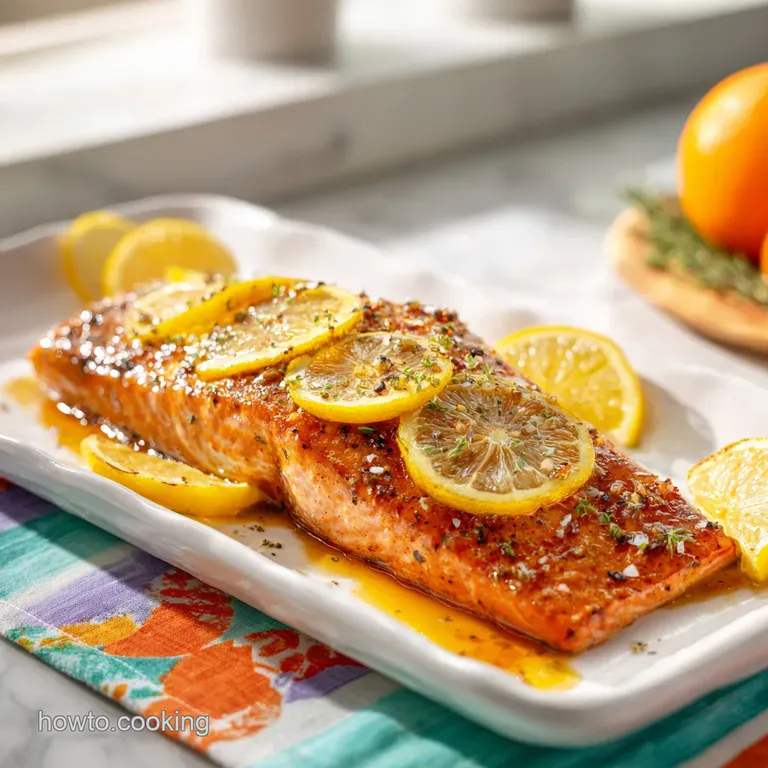
- Whisk the base. In a small glass mixing bowl, combine the olive oil, lemon juice, lemon zest, grated garlic paste, honey, dried oregano, salt, and pepper.
- Create the emulsion. Whisk the mixture vigorously until the oil and citrus juice are fully emulsified. Note: This ensures the marinade doesn't separate while sitting on the fish.
- Prepare the fish. Place the 1.5 lb salmon fillets in a large Ziploc bag or a shallow glass dish.
- Apply the marinade. Pour the marinade over the fish, ensuring even coating on all sides.
- Set the timer. Allow the salmon to marinate at room temperature for 20 to 30 minutes. Do not exceed 30 minutes to prevent the acid from breaking down the protein fibers into a mushy texture.
- Preheat the surface. Preheat your oven to 400°F (200°C) or get your grill to a medium high heat.
- Transfer the fillets. Remove fillets from the marinade and place them on your cooking surface.
- Cook to temp. Cook for approximately 12 minutes until the surface is caramelized and golden.
- Check for doneness. Ensure the internal temperature reaches 145°F with a digital thermometer.
- Rest the fish. Let the salmon rest for 3 minutes before serving to allow the juices to redistribute.
Pro Tips and Common Pitfalls
One of the biggest mistakes people make with this Easy Salmon Marinade Recipe with Lemon is using bottled lemon juice. Please, I beg you, use a fresh lemon. The bottled stuff has preservatives and a "cooked" flavor that lacks the bright, volatile oils found in fresh zest.
Another common pitfall is marinating the fish while it's ice cold from the fridge. I like to let the salmon sit on the counter for about 15 minutes before adding the marinade; this helps it cook more evenly once it hits the heat.
Balancing Acid and Sweetness
If you find your salmon is browning too fast before the middle is done, your honey to heat ratio might be off. If using a skillet, turn the heat down slightly. The honey is there to help with color, but it can burn if the pan is screaming hot. If you're looking for a similar technique with a different protein, you might enjoy this crispy cod recipe which uses a similar citrus forward approach but with a firmer white fish.
Preventing Sticky Fish Skin
Nothing ruins a beautiful dinner like half the salmon skin staying stuck to the pan. To prevent this, make sure your pan is fully preheated for at least 3 minutes before adding any oil or fish. You want to hear a distinct sizzle the moment the salmon touches the metal.
If it doesn't sizzle, it's going to stick.
| Problem | Root Cause | Solution |
|---|---|---|
| Mushy texture | Marinated too long | Keep soak time under 30 minutes |
| Burnt surface | Too much honey/heat | Reduce heat or shorten sear time |
| Dry center | Overcooked | Use a thermometer to hit exactly 145°F |
Common Mistakes Checklist
- ✓ Pat the salmon dry with a paper towel if it looks too wet before marinating.
- ✓ Always zest the lemon before you juice it; it's nearly impossible to zest a squeezed lemon.
- ✓ Don't skip the resting period; it keeps the moisture inside the flakes.
- ✓ Grate your garlic into a paste so it dissolves into the oil rather than sitting on top.
Smart Dietary and Flavor Adaptations
This recipe is naturally quite healthy, but we can easily tweak it for specific needs. If you're looking for a keto friendly version, simply swap the honey for a teaspoon of liquid monk fruit or just omit it entirely.
You won't get quite the same level of caramelization, but the lemon and garlic will still carry the flavor perfectly. For a soy free umami boost, a dash of coconut aminos can add a lovely depth to the marinade without changing the overall profile too much.
When scaling this recipe, keep in mind that the ratio of salt and spices doesn't always double perfectly. If you're making 8 fillets instead of 4, increase the salt and oregano to 1.5x the original amount first, then taste the marinade before adding more. This prevents the dish from becoming overly salty.
For larger batches, it’s also better to work in two separate pans or cook in batches to avoid overcrowding, which leads to steaming rather than searing.
| Original Ingredient | Substitute | Why It Works |
|---|---|---|
| Honey | Maple Syrup | Adds a woodsy sweetness but burns slightly faster. |
| Dried Oregano | Dried Thyme | Provides a more floral, subtle herb note. |
| EVOO | Avocado Oil | Higher smoke point; better for over high heat searing. |
If you need to scale down for a solo dinner, just use half of everything. However, don't just use "half an egg" if a recipe calls for one; for this marinade, simply whisk the whole batch and save the leftover liquid in a jar for a salad dressing the next day.
It’s an easy way to reduce waste while still getting the proportions right for a single fillet.
Safe Storage and Zero Waste
Leftover salmon is a gift, honestly. You can flake it over a salad, toss it into some pasta, or make the best salmon cakes of your life the next day. Store your cooked salmon in an airtight container in the fridge for up to 3 days.
When reheating, do it gently low and slow in a skillet with a splash of water and a lid will keep it from turning into rubber. I generally avoid the microwave for fish because it tends to dry out the edges before the middle is warm.
For a zero waste approach, don't throw away those lemon shells after juicing them! Toss them into the pan while the salmon cooks to infuse the air and the oil with even more citrus aroma.
You can also save the garlic skins and herb stems to throw into a bag in the freezer for your next batch of homemade seafood or vegetable stock. Even the smallest scraps of salmon can be used; I often mix them with a little Greek yogurt and dill for a quick smoked salmon style spread for crackers.
Beautiful Plating and Serving Ideas
Presentation is where you can really show off. I love serving this salmon on a bed of bright green asparagus or over a pile of fluffy quinoa. To make it look restaurant grade, garnish with extra fresh lemon slices and a sprinkle of fresh parsley or dill right before serving.
The contrast of the green herbs against the golden pink salmon is stunning.
If you want to go the extra mile, take the remaining marinade that hasn't touched the raw fish (make a little extra at the start!) and drizzle it over the plate as a finishing oil. This reinforces the lemon and garlic notes and gives the whole dish a professional, glossy finish.
A final crack of black pepper and a tiny pinch of flaky sea salt (like Maldon) provides that "shatter" of texture that makes every bite feel special. This Easy Salmon Marinade Recipe with Lemon is all about the balance of simple, high-quality ingredients handled with care.
Myths Debunked
One of the biggest myths is that searing meat or fish "seals in the juices." Science tells us this isn't true; moisture is lost regardless of the crust. The sear is actually for the Maillard reaction, which creates those complex, savory flavors we love.
The real way to keep juices in is to not overcook the fish and to let it rest.
Another myth is that "fresh is always better than frozen." In many cases, "fresh" fish at the grocery store has been sitting on ice for days, whereas frozen fillets are often flash frozen right on the boat, preserving their cellular structure and flavor much better. Don't be afraid of high-quality frozen salmon!
Just ensure you thaw it completely in the fridge before marinating for this recipe.
Recipe FAQs
How to avoid the salmon becoming mushy during the marinating process?
Limit the marinating time to exactly 30 minutes. Because this recipe uses fresh lemon juice, the acid will begin to break down the protein fibers if left too long, which ruins the texture.
Is it true I should let the salmon reach room temperature before cooking?
Yes, this is the recommended approach. Allowing the fish to marinate at room temperature for 20 to 30 minutes ensures more even cooking throughout the fillet once it hits the heat.
How to ensure the garlic incorporates fully into the marinade?
Grate your garlic into a fine paste before adding it to the bowl. This creates a consistent flavor throughout the oil and lemon mixture, whereas minced garlic chunks would simply sit on the surface of the fish.
Is it necessary to zest the lemon before juicing it?
Yes, it is nearly impossible to zest a lemon once it has been squeezed. Always remove the zest first, then slice and juice the fruit for the most efficient prep.
How to know when the salmon is finished cooking?
Cook until the internal temperature reaches 145°F. If you enjoyed mastering this specific level of precision, see how the same principle of sensory doneness cues works for our sear striploin steak.
Can I marinate the salmon longer to get more lemon flavor?
No, avoid exceeding 30 minutes. Extending the time does not add more flavor; it only compromises the integrity of the salmon by causing the acid to soften the fish excessively.
How to prepare the fillets for the best marinade absorption?
Pat the salmon dry with a paper towel before adding the marinade. Removing excess surface moisture allows the oil-based marinade to adhere better and helps achieve a better sear during the 12-minute cook time.
Easy Lemon Garlic Salmon
Ingredients:
Instructions:
Nutrition Facts:
| Calories | 418 kcal |
|---|---|
| Protein | 34.5 g |
| Fat | 29.2 g |
| Carbs | 2.4 g |
| Fiber | 0.2 g |
| Sugar | 1.8 g |
| Sodium | 385 mg |
