Sourdough Pancake: the Chefs Fluffy Discard Recipe
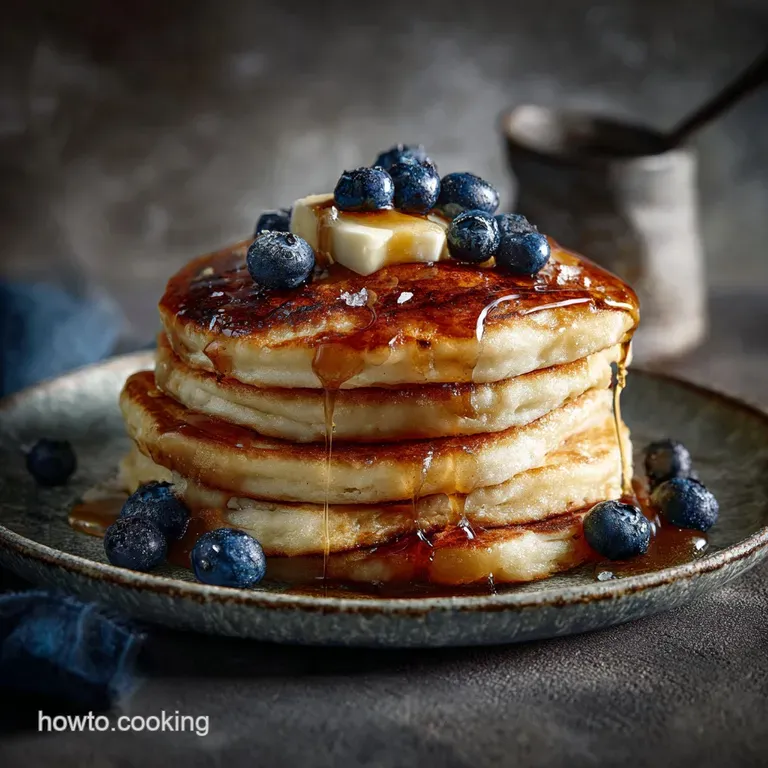
- Elevating Brunch: The Magic of Sourdough Discard Pancakes
- Mastering the Texture: Why These Pancakes Are Supremely Fluffy
- Pantry Staples: Ingredients List and Essential Substitutions
- The Perfect Stack: Step-by-Step Method for Sourdough Pancake Batter
- Advanced Chef's Notes and Avoiding Common Batter Mistakes
- Maximizing Shelf Life: Storage and Freezing Your Stack
- Delicious Pairings: Elevating Your Sourdough Pancake Brunch
- Recipe FAQs
- 📝 Recipe Card
Elevating Brunch: The Magic of Sourdough Discard Pancakes
Seriously, nothing beats the aroma of these cooking on a Saturday morning. They get this incredible, slightly yeasty scent mixed with melted butter, right? These aren't flat, lifeless discs; we're talking about genuinely fluffy sourdough pancakes that puff up beautifully and have the most addictive, cloud like texture.
And the best part? This is truly a low-waste miracle recipe. If you’re constantly feeding a starter, you know that discard piles up, and throwing it out feels criminal. This sourdough discard pancake recipe is the ultimate weekend lifesaver because it's fast, cheap, and surprisingly simple, turning potential waste into culinary gold.
Trust me, once you taste that satisfying, nuanced tang, you'll never go back to plain, boring instant mixes. We've got real world tips and tricks here, including the biggest mistake I made when I first started, so let’s crack on and make the best easy sourdough pancakes ever.
Mastering the Texture: Why These Pancakes Are Supremely Fluffy
The secret to these tall, light stacks isn't complicated; it's all about chemistry. Unlike regular pancakes that rely solely on baking powder, we use the natural acid present in the starter to turbocharge the rise. It’s brilliant.
The Low-Waste Secret: Why Discard is Best for Fluffy Batter
Unfed sourdough starter, or discard, is highly acidic, which is exactly what we need. When you add baking soda to that tart discard, it creates an immediate, vigorous burst of carbon dioxide bubbles. This reaction happens right before you hit the heat, guaranteeing lift.
It’s essentially a free, natural leavening agent working alongside the standard baking powder, yielding incredibly tangy sourdough pancakes .
Quick Prep Time and Difficulty Level Assessment
We are aiming for speed here, so forget overnight rests! Active prep takes about ten minutes, seriously. The total time from mixing to serving is under 35 minutes, making this perfect for those spontaneous Sunday cravings.
It’s an easy recipe, but remember, the difficulty lies in the mixing —we need to be gentle.
Essential Kitchen Tools and Equipment Checklist
You don’t need anything fancy for these simple sourdough pancakes . A large bowl, a whisk (or sturdy spatula), and a reliable griddle are the essentials. I highly recommend using a quarter cup ladle or scoop for uniform sizing; it makes cooking so much easier and means they stack perfectly.
The Science of the Tang: Fermentation vs. Buttermilk
That signature flavor comes straight from the starter. While buttermilk gives you a sharp tang, the sourdough gives you a complex tang a subtle depth and yeastiness that's hard to replicate. The fermentation process delivers incredible flavor complexity in every single bite.
Achieving the Ultimate Light and Airy Crumb
The key here is temperature and mixing technique. Use room temperature discard, eggs, and milk; this helps everything combine smoothly and maximizes the leavening action. Never, ever overmix the batter. Seriously, lumps are your friends!
Troubleshooting Thin or Chewy Sourdough Pancake Results
If your pancakes are thin, your batter is too liquid, usually meaning you needed a bit more flour or you were too heavy handed with the milk. If they’re chewy, you definitely overmixed and developed the gluten.
Next time, stop stirring the second you see those flour streaks vanish; a lumpy batter equals a supremely tender result.
Pantry Staples: Ingredients List and Essential Substitutions
This list assumes you already have a healthy jar of unfed discard waiting to be rescued!
| Ingredient | Amount | Essential Substitution/Note |
|---|---|---|
| Sourdough Discard (unfed, 100% hydration) | 1 cup (240g) | Must be unfed/mature for the necessary acid. |
| All-Purpose Flour | 1 ½ cups (180g) | Swap up to ⅓ with whole wheat, but expect slightly heavier results. |
| Whole Milk | ¾ cup (180ml) | Buttermilk or non-dairy milks (oat/almond) work perfectly. |
| Large Eggs | 2 | Use flax eggs (2 tbsp ground flax + 6 tbsp water) for vegan, though the texture will be denser. |
| Unsalted Butter (Melted) | 4 tbsp (55g) | Use neutral oil (canola, light olive oil) for dairy-free. |
| Baking Powder & Soda | 1 tsp & ½ tsp | Crucial for the quick rise! |
| Granulated Sugar & Salt | 2 tbsp & ½ tsp | Sugar aids browning; salt balances the tang. |
Selecting the Ideal Sourdough Discard Consistency (Fed vs. Unfed)
You want discard that hasn't been fed in at least 12 hours. This older, unfed discard is sourer (more acidic) and thicker. If your starter is freshly fed, it lacks the punch needed to react with the baking soda, which means less fluffiness.
Making it dairy-free: Milk and Butter Alternatives
Going dairy-free is super simple here. Swap the whole milk for oat or almond milk just ensure it’s plain and unsweetened. For the butter, use a good vegan butter alternative, or just opt for a neutral oil like canola or grapeseed. The key is to melt the fat and add it to the wet mixture.
Best Flours for an Optimal Rise (AP vs. Whole Wheat)
I stick to All-Purpose flour for maximum lightness, honestly. It ensures the fluffiest texture. Whole wheat flour adds great flavor and nutrition, but it tends to soak up more liquid and can weigh the sourdough pancake down.
If you swap, add an extra splash of milk to compensate for that extra absorption.
Adjusting Sweetness and Salt Balance for Flavor Depth
The two tablespoons of sugar in the recipe are just enough to help with browning and cut the tang slightly. If you prefer super savory pancakes, you can cut the sugar down to one tablespoon or omit it entirely and perhaps add a dash of vanilla extract instead.
The Perfect Stack: step-by-step Method for Sourdough Pancake Batter
My biggest rookie mistake? Thinking I could just dump everything into one bowl. Separating the wet and dry ingredients first prevents clumping and guarantees that the leavening agents are evenly distributed.
Preparing the Essential Wet and Dry Components
- Dry First: In a large bowl, whisk together the flour, sugar, baking powder, baking soda, and salt. Make sure you really get everything combined well; you don't want pockets of bitter baking soda!
- Wet Mix: In a separate, medium bowl, whisk the room temperature discard, eggs, whole milk, and melted butter until they are completely homogenous.
Achieving the Ideal Batter Consistency (Visual Guide)
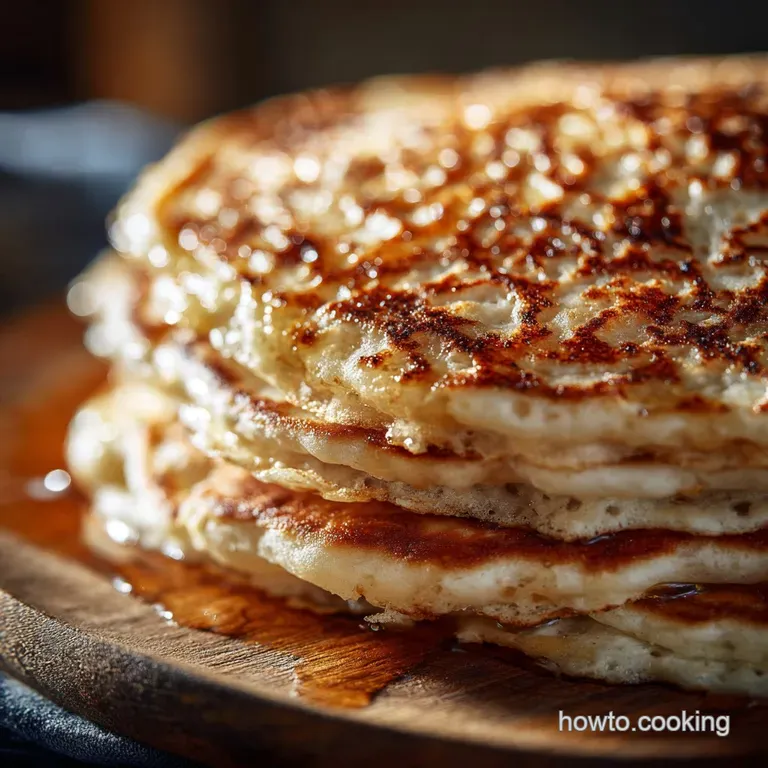
Pour the wet into the dry. Now, use a rubber spatula and fold gently, only until the flour streaks disappear. Stop right there! The batter should look thick, lumpy, and slightly shaggy. If you stir it until it’s smooth, your pancakes will be rubber hockey pucks.
Griddle Temperature: Heating and Testing for Success
Preheat your griddle or pan over medium heat not high! High heat causes the outside to burn before the middle cooks through. How do you know it's ready? Flick a tiny bit of water onto the surface; if it sizzles vigorously and vanishes in two seconds, you are good to go.
The Flipping Cue: Recognizing When to Turn Your Pancakes
Ladle about ¼ cup of batter onto the hot surface. Cook for 2– 3 minutes. You’re looking for two cues: first, the edges should start looking matte, and second, bubbles should pop across the surface, leaving small holes. That’s your sign.
Flip them once, and cook for another minute or two until golden brown and cooked through.
Chef’s Note: Do not press down on the pancakes after flipping! This deflates all those beautiful air pockets we worked so hard to create. Let them finish cooking gently.
Advanced Chef's Notes and Avoiding Common Batter Mistakes
The Secret to Uniformly Golden Edges
Keep your heat consistent (medium) and make sure you wipe the griddle clean between batches if the residual butter starts to brown too much. Burnt butter spots on the griddle lead to dark, uneven patches on your pancakes. A quick wipe and a fresh slick of butter is all it takes.
Why Overmixing Kills Fluffiness and How to Stop It
Gluten development is our enemy here. Overmixing develops the gluten in the flour, turning a light crumb into a dense, chewy one. Set a rule: Fold the wet into the dry and stop mixing after 15 gentle folds. Seriously, embrace the lumps!
Adjusting the Batter If It Sits Too Long Before Cooking
The leavening agents start working the moment they hit the acid. If your batter sits for more than 15 minutes, it might start to lose some of its lift. If you notice it’s gone slack, you can usually revive it with a tiny, tiny pinch (about ⅛ tsp) of baking soda whisked into a teaspoon of milk, then folded gently into the batter right before cooking.
Maximizing Shelf Life: Storage and Freezing Your Stack
How to Store Leftover Cooked Pancakes Safely
Let the cooked pancakes cool completely on a wire rack first this prevents sogginess. Once cool, stack them with a piece of parchment paper between each one to prevent sticking. Store them in an airtight container in the fridge for up to 4 days.
Best Method for Long Term Freezer Storage
These sourdough pancakes freeze beautifully! Stack them, again using parchment paper between layers, and wrap the entire stack tightly in aluminum foil. Place the foil wrapped stack inside a freezer bag and freeze for up to 3 months.
Reheating Sourdough Pancakes for Optimal Freshness
Toast them! The absolute best way to reheat them is straight from the fridge or freezer (no need to thaw) in the toaster oven on a medium setting until warm and crisp around the edges. This prevents them from becoming rubbery, which happens often in the microwave.
Delicious Pairings: Elevating Your Sourdough Pancake Brunch
We usually do the classic Canadian route: a generous pat of high-quality salted butter and the very best maple syrup we can afford. But these tangy pancakes are robust enough for savory pairings too!
- Classic Comfort: Maple syrup, fresh berries (blueberries are divine), and a dollop of Greek yogurt.
- The Brunch Beast: Serve them alongside crispy bacon and perhaps some perfectly poached eggs. The sweet salty combination is magic.
- Savory Stack Idea: Omit the sugar from the batter, add extra salt and maybe some fresh chives. Serve them layered with smoked salmon, cream cheese, and dill. If you love utilizing that tangy sourdough starter in savory applications, you absolutely have to try my ultimate Thanksgiving Stuffing: Sourdough Dressing with Crispy Sage Butter Crust — it uses that same delicious tang to amp up the depth of flavor. If you want something simpler, try the Sausage Stuffing: The Butchers Best Sage Sourdough Recipe too.

Recipe FAQs
Can I use my active, fed starter instead of sourdough discard?
Yes, you can substitute active starter, but be aware that the final texture and tanginess will vary. Active starter contains more gas and liquid, so you may need to reduce the amount of milk slightly to maintain the correct batter thickness.
Since active starter is less acidic than discard, the overall tangy flavor will likely be milder.
Why are my sourdough pancakes coming out flat and dense?
Density is usually caused by two common issues: old leavening agents or overmixing. Ensure your baking soda and baking powder are fresh, as they are crucial for the lift in this recipe.
Additionally, mix the batter only until the dry ingredients are just incorporated; overmixing develops gluten, which makes the pancakes tough and heavy.
Do I need to let the sourdough batter rest before cooking?
While the recipe can be cooked immediately, allowing the batter to rest for 10 to 15 minutes is highly recommended. Resting gives the flour time to fully hydrate, which creates a softer texture, and allows the acid in the discard to fully activate the leavening agents.
This brief rest results in noticeably fluffier, lighter pancakes.
How do I store and reheat leftover cooked sourdough pancakes?
Cooked sourdough pancakes store excellently in an airtight container in the refrigerator for up to three days, or they can be frozen for up to three months. To reheat, you can toast them lightly in a toaster or toaster oven until warmed through, which helps restore a slightly crisp edge.
Avoid using the microwave, as it tends to make them rubbery.
Can I make these sourdough pancakes dairy-free or vegan?
Yes, these pancakes adapt well to dietary substitutions. For a dairy-free version, simply swap out the dairy milk for full fat oat milk or almond milk. To make them vegan, replace the egg with a commercial egg substitute or flax egg equivalent, and ensure your fat source (butter or oil) is plant based.
My pancakes are browning too fast on the outside but are still raw in the middle. What am I doing wrong?
This is a sign that your griddle or pan temperature is too high. High heat burns the exterior before the interior structure has time to set and cook through. Lower the heat to medium low, and wait a full minute or two longer for the bubbles to appear on the surface before flipping, ensuring even cooking.
Easy Sourdough Discard Pancakes
Ingredients:
Instructions:
Nutrition Facts:
| Calories | 250 kcal |
|---|---|
| Protein | 11.4 g |
| Fat | 5.0 g |
| Carbs | 40.1 g |
