Feta Pasta: the Viral Banger Elevated
- Decoding the Viral Baked Feta Pasta Sensation
- The Science of Supreme Creaminess: What Makes Roasted Feta Pasta Irresistible
- Essential Elements: Ingredients for the Ultimate Baked Tomato and Feta Sauce
- Master the Method: Seamless Steps for Preparing Roasted Feta Pasta
- Elevating the Dish: Chef's Tips and Troubleshooting the Baked Feta Pasta
- Practical Guide: Handling Leftovers and Reheating the Baked Tomato Sauce
- Perfect Pairings: What to Serve Alongside Your Creamy Mediterranean Pasta
- Recipe FAQs
- 📝 Recipe Card
Decoding the Viral Baked Feta Pasta Sensation
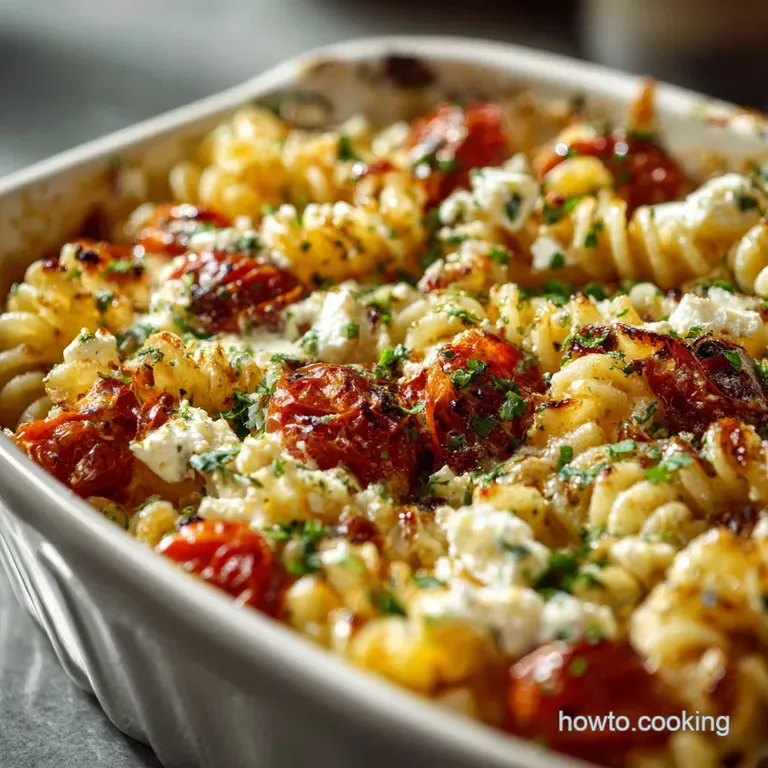
Oh my gosh, you have to smell this. When you pull the dish from the oven, the air fills with this incredible sweet, jammy tomato scent mixed with the pungent, salty funk of baked feta. It’s heaven, truly.
This isn't just heated-up cheese and tomatoes; it's a deep, caramelized explosion of Mediterranean flavor, and the best part is that it practically makes itself.
Remember those chaotic, highly filtered TikTok videos where everyone was trying to make that pasta? This Feta Pasta sensation went viral for a reason: it’s the ultimate lifesaver.
It requires almost zero active cooking time, minimal cleanup since it’s a one-pan wonder, and uses incredibly cheap, simple ingredients you probably already have lying around. Seriously, if you can boil water and turn on an oven, you can make this perfect weeknight Feta Pasta bake.
We’ve all seen the versions that end up greasy, watery, or just plain bland. I’ve made those mistakes, trust me. I’ve got all the science and the essential tips locked down so you can nail the glossy, creamy, restaurant quality version of the beloved Feta Pasta bake every single time.
Let’s get cooking!
The Science of Supreme Creaminess: What Makes Roasted Feta Pasta Irresistible
This isn’t just a recipe; it’s a method a perfect alignment of chemistry and convenience. Understanding why we roast everything together is key to appreciating why this dish is such a superior weeknight dinner.
Making Feta Pasta correctly means maximizing the flavor potential of every single component.
From Järvenpää to Global Fame: The Recipe’s Origin Story
It feels like this dish just erupted onto the internet in 2020, but the truth is that the original concept called "Uunifetapasta" was first shared by Finnish food blogger Jenni Häyrinen. She credits fellow blogger Tiiu Piret with the initial idea way back in 2018.
It became so popular in Finland that stores literally sold out of feta cheese, which is amazing and hilarious. When the internet discovered this easy Feta Pasta concept, it became a global phenomenon, proving that sometimes the simplest ideas are the best ones.
Why This One-Pan Method Became an Internet Phenomenon
It's the ultimate set-it and forget-it scenario. You dump the ingredients into a single baking dish, toss it with oil, slide it into the oven, and walk away. This method eliminates chopping, sautéing, and monitoring pots on the stove until the very last minute.
The cleanup is simply wiping down one dish, which, frankly, is a kitchen miracle on a Tuesday night.
The Core Promise: Maximum Flavor, Minimum Active Cooking
The beauty of this method lies in the passive heat doing all the heavy lifting. While the tomatoes blister and the feta melts, you have 30 minutes to do whatever you want walk the dog, set the table, or just relax with a glass of wine.
The oven transforms basic pantry staples into a complex, robust sauce; that’s the promise of truly simple Feta Pasta .
The Maillard Reaction: Deepening the Tomato's Sweetness
This sounds fancy, but it’s what gives the tomatoes that incredible, concentrated, jammy flavor. When the tomatoes roast at 400°F (200°C), the high heat caramelizes their natural sugars, intensifying their sweetness and depth.
The exterior develops beautiful blistering and browning that’s the Maillard reaction at work, and it’s non-negotiable for a richly flavored Feta Pasta . You want deep crimson, collapsed tomatoes, not just warm ones.
Achieving the Perfect Feta Emulsion (The Creamy Factor)
The creamy texture that defines great Feta Pasta comes from a simple trick: emulsification. When the roasted feta, rich in butterfat and salty brine, is mashed together with the olive oil and the hot, starchy reserved pasta water, it binds into a glossy sauce.
Skip the pasta water, and you get an oily separation. Add that starchy liquid, and the starch molecules act as the bridge, ensuring the oil and cheese fat bind to the liquid beautifully.
Balancing Acidity and Salt: The Mediterranean Flavor Profile
Feta is inherently salty, assertive, and sharp. Roasted tomatoes are naturally sweet, but also quite acidic. When they meet, they cancel out each other’s excesses, creating a perfectly balanced profile.
Adding a tiny splash of lemon juice right at the end of the Feta Pasta creation process brightens everything up, making the sauce taste fresh and vibrant, rather than heavy or muted.
Essential Elements: Ingredients for the Ultimate Baked Tomato and Feta Sauce
You only need six key items, but the quality and preparation of these ingredients determine the final success of your Feta Pasta . Don't skimp on the olive oil or the cheese; they are the heart of the sauce.
Selecting the Best Tomato Variety (Cherry vs. Grape)
I strongly prefer small, sweet tomatoes for this, specifically cherry or grape varieties. They have a higher skin-to-flesh ratio, which means more surface area for caramelization, giving you a deeper Maillard reaction and a sweeter sauce.
You can use large vine ripened tomatoes, but they introduce too much water, risking a soggy final dish.
| Ingredient | My Preference | Viable Substitute |
|---|---|---|
| Tomatoes | Cherry or Grape (on the vine) | Diced Canned Tomatoes (40 oz, drained) Use if fresh are out of season |
| Feta Block | Greek or Bulgarian, brine packed | Goat Cheese Log (Chevre) or Boursin (Garlic Herb) |
| Olive Oil | Extra Virgin (EVOO) | high-quality Avocado Oil |
Choosing Your Feta: Quality Block vs. Pre-Crumbled
Listen up, this is the most critical tip for perfect Feta Pasta . Do not, under any circumstances, use pre-crumbled feta. That stuff is often tossed with anti clumping agents (like starch or cellulose) that prevent it from melting properly in the oven.
You will end up with dry, gritty clumps instead of a smooth emulsion. Always buy a solid, brine packed block of true feta. It melts like a dream.
Optimizing Oils and Aromatics (Garlic and Olive Oil Notes)
You’re using half a cup of oil, so make it a good one! Because the olive oil is heated alongside the tomatoes, its flavor deeply permeates the entire sauce. I use whole garlic cloves because roasting mellows their harshness, turning them sweet and creamy.
Six cloves might sound like a lot, but trust me, after 30 minutes in the oven, they turn into little buttery nuggets that mash right into the sauce.
Pasta Choice: Shape and Texture Considerations
While you could use spaghetti, this recipe truly shines with short, textured shapes that can scoop and hold the rich sauce. Penne, rotini, cavatappi, or orecchiette are ideal.
The grooves and openings catch every bit of the creamy sauce, ensuring every bite of this glorious Feta Pasta is saturated with flavor. Always cook your pasta to al dente —it will continue cooking slightly once it hits that hot sauce.
Master the Method: Seamless Steps for Preparing Roasted Feta Pasta
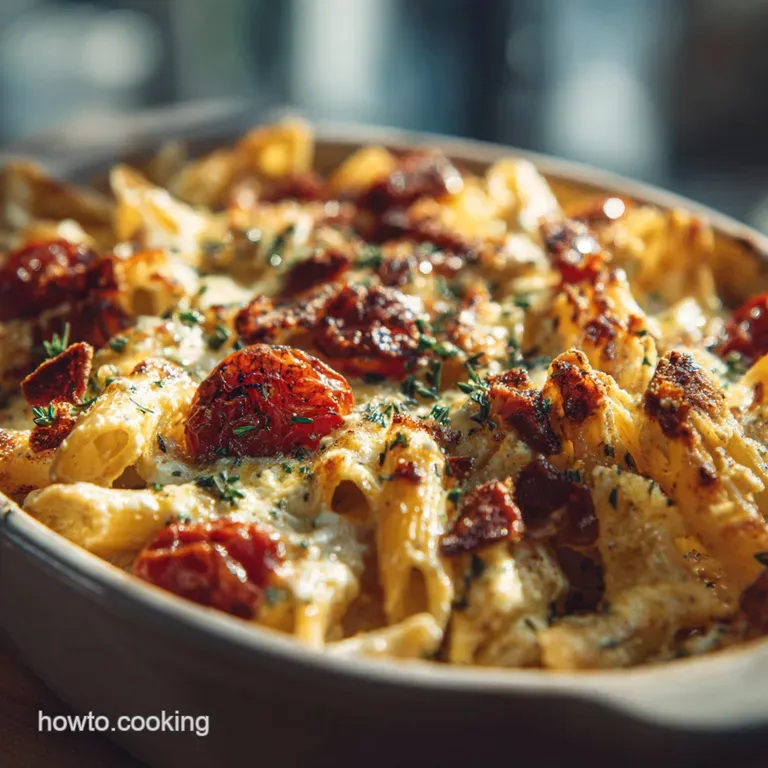
This is a three stage process, and executing the transition between roasting and saucing is where the magic happens. Don't rush the roast!
Preparation and Oven Setup: Setting the Stage for Roasting
Preheat your oven to a robust 400°F (200°C). Grab your 9x13 baking dish and dump the tomatoes and whole, peeled garlic cloves in. Toss them with most of the olive oil, oregano, pepper flakes, and seasoning.
Make a clear well in the centre it should look like a tomato moat and place the entire feta block right there. Drizzle the final bit of olive oil directly onto the feta. This ensures the cheese stays moist and melts beautifully into the Feta Pasta base.
The Roasting Phase: Temperature and Timing Calibration
Slide the dish into the preheated oven and let it roast for 25 to 30 minutes. You know it’s done when the tomatoes are visibly slumped and blistered, releasing their juices, and the feta is deeply golden brown on top and bubbling around the edges.
When you open the oven, the smell should be intensely sweet and savory. About 10 minutes before the sauce is ready, start boiling your heavily salted pasta water.
The Finishing Touch: Mixing the Sauce and Al Dente Pasta Incorporation
This is the glorious moment of alchemy. Carefully remove the hot dish. Using a sturdy wooden spoon or a potato masher, aggressively mash the tomatoes and garlic until they collapse into a chunky sauce.
The hot, yielding feta will melt instantly and mix with the oil, immediately starting to form the base of your creamy Feta Pasta sauce. Now, toss in the lemon zest and juice.
Drain your al dente pasta, remembering to scoop out that crucial cup of starchy reserved pasta water first! Add the drained pasta and the fresh basil. Toss vigorously until the pasta is coated in a glossy, beautiful sauce.
Chef's Note: The sauce should look luxurious, not dry. If it's looking too thick or clumpy, slowly ladle in 1/4 cup increments of the reserved pasta water while stirring hard. The starch will bind everything together, giving you that incredible, professional sheen on your Feta Pasta .
Elevating the Dish: Chef's Tips and Troubleshooting the Baked Feta Pasta
Even though the Feta Pasta bake is famously easy, there are a few places where home cooks tend to go wrong, leading to less than-perfect results. Here’s how we fix those common issues before they even happen.
Fixing a Grainy or Oily Sauce Emulsion
If your sauce separates and looks oily, or if the feta appears grainy instead of creamy, you usually have two issues: not enough starch or insufficient whisking. Don’t panic! Immediately turn the heat on your stovetop to low and place the baking dish over a burner (use tongs if necessary).
Add a small splash of the hot pasta water and whisk vigorously for 30 seconds. The combined heat and the starchy liquid will usually force the oil and cheese back together into a cohesive sauce.
If you want more tips on maintaining luscious sauce textures, check out my favorite [Baked Pasta: The Ultimate Cheesy Rigatoni Casserole] method, which relies on a similar binding principle.
Boosting the Flavor Post Roast (Herbs and Acid Adjustment)
Sometimes, the tomatoes just aren’t acidic enough, or the Feta Pasta sauce needs a little zing. Roasting mutes high notes, so adding fresh acid at the end is key. The lemon juice and zest are essential, but if you taste it and it still feels flat, try a small splash of red wine vinegar.
Also, use loads of fresh basil and throw in some fresh dill if you like that classic Mediterranean flavor the fresh herbs really lift the final dish above the crowd.
I always talk about using acid to brighten rich dishes, and it’s a trick I rely on even when making things like [Tomato Orzo Pasta Salad Bright Zesty Mediterranean Side Dish].
Preventing the Feta from Drying Out in the Oven
Dry, rubbery feta is the worst result of this recipe. This usually happens if you use low-fat feta or if the block is too exposed to the dry heat. To prevent this, always use a high fat block and ensure it is fully surrounded by the oil-slicked tomatoes.
The tomatoes release steam and moisture as they cook, essentially bathing the cheese and keeping it soft and melting beautifully, ready for its transformation into the smooth Feta Pasta sauce.
Practical Guide: Handling Leftovers and Reheating the Baked Tomato Sauce
Does leftover Feta Pasta freeze well? Honestly, most pasta dishes don't freeze perfectly, especially those relying heavily on cheese and oil emulsions. But we can make it work!
Safe Storage Guidelines for Refrigerated Leftovers
Once the Feta Pasta is cool, transfer it to an airtight container. It keeps beautifully in the refrigerator for up to 3 or 4 days. The sauce will thicken significantly as the starch cools, so it will look much drier than when you first mixed it.
Don't worry about this; we'll fix the consistency during the reheating phase.
Best Practices for Freezing the Tomato Feta Sauce Base
I recommend freezing the sauce before mixing in the pasta, if possible. If you’ve made a huge batch of the roasted feta and tomato mixture, scoop out what you don't use, seal it in a freezer safe bag or container, and freeze flat for up to 3 months.
When you're ready to use it, thaw overnight, reheat gently in a saucepan, and then cook fresh pasta to toss with the reconstituted sauce. Freezing the sauce base works much better than freezing the whole finished Feta Pasta dish.
Reheating Techniques for Preserving Texture and Flavor
To reheat refrigerated leftovers, avoid the microwave if possible, as it often dries out the pasta. Instead, place the leftovers in a small saucepan on the stove over low heat. Add a splash of water, milk, or chicken broth about a tablespoon or two per serving and gently stir until the sauce liquefies and coats the pasta again.
Reheating slowly ensures the creamy texture of the Feta Pasta is preserved.
Perfect Pairings: What to Serve Alongside Your Creamy Mediterranean Pasta
Because the Feta Pasta is rich, cheesy, and deeply savory, you want sides that are bright, fresh, and acidic to cut through the richness.
- Garlicky Greens: A simple side of quickly sautéed spinach or broccolini with lemon juice and a pinch of chili flake.
- Simple Salad: A light rocket (arugula) salad dressed with a very sharp balsamic vinaigrette. The bitterness of the greens works beautifully against the creamy sauce.
- Crunchy Vegetables: Since the pasta is soft, a crispy side adds necessary textural contrast. I often serve this with something super crispy and slightly acidic, perhaps borrowing flavors from my recipe for [Thanksgiving Vegetable Side Dishes: Crispy Sprouts and Whipped Feta] charred sprouts are fantastic here!
- Bread: You absolutely need a good loaf of crusty sourdough or ciabatta. This is essential for mopping up any leftover baked Feta Pasta sauce from the dish. Don't waste a drop!
This simple Feta Pasta recipe is proof that you don't need fancy tools or complicated techniques to create a truly spectacular, satisfying meal. Enjoy!
Recipe FAQs
Why is my roasted feta pasta sauce too watery?
This common issue usually occurs if the tomatoes release too much liquid during the roasting process, or if the pasta water wasn't drained sufficiently. To remedy a watery sauce, remove the block of feta and return the tomato mixture alone to the oven for 5 10 minutes to allow the excess liquid to reduce and thicken slightly.
Ensure you use quality grape or cherry tomatoes, as they hold their structure better than large slicing varieties.
Can I use a different type of cheese instead of feta?
Yes, while feta provides the signature salty, tangy flavour, you can experiment with other soft, crumbly cheeses. Excellent alternatives include a block of goat cheese for a sharper tang, or ricotta salata for a milder, creamier result.
If using a substitute, be aware of its salt content and adjust the added seasoning accordingly.
How do I make this Feta Pasta recipe dairy-free or vegan?
To make this dish vegan, substitute the feta with a block of firm, high protein tofu cut to the same size. Prior to roasting, marinate the tofu block in olive oil, lemon juice, salt, and nutritional yeast to replicate the tangy, savory flavour of the cheese.
Roast the tofu alongside the tomatoes exactly as instructed until soft and slightly browned.
Can I freeze leftover Feta Pasta?
While the sauce itself freezes reasonably well, pasta dishes that rely on roasted vegetables and soft cheese generally do not freeze optimally, as the pasta texture deteriorates upon thawing. It is best to store leftovers in an airtight container in the refrigerator for up to four days.
When reheating, add a small splash of pasta water or milk to restore the creamy texture.
What kind of pasta works best with this sauce?
Since the sauce is relatively chunky and rich, short pasta shapes that can trap the tomato and feta pieces are ideal. Penne, rigatoni, rotini, or orecchiette are fantastic choices.
Ensure you reserve about a cup of the starchy pasta cooking water before draining, as this is essential for emulsifying the roasted ingredients into a smooth, cohesive sauce.
My roasted feta seems dry and didn't blend into a creamy sauce. What went wrong?
Feta does not fully melt like mozzarella; it softens and becomes very creamy. If the sauce is dry, you likely needed more olive oil initially; ensure the feta block is generously coated before baking.
Also, remember that the reserved starchy pasta water is the crucial element that binds the roasted ingredients and creates the final emulsion, so be generous when mixing.
How can I add protein or complexity to this dish?
You can easily add protein by tossing large shrimp, cubed chicken breast, or canned chickpeas into the roasting pan during the last 15 minutes of baking. For complexity, stir in a teaspoon of red pepper flakes with the tomatoes for a little heat, or add 1/4 cup of chopped sun-dried tomatoes right before mixing the sauce for a deeper umami profile.
Easy Viral Feta Pasta Bake
Ingredients:
Instructions:
Nutrition Facts:
| Calories | 873 kcal |
|---|---|
| Protein | 25.7 g |
| Fat | 41.8 g |
| Carbs | 100.4 g |
