Iced Matcha Latte: the Clump-Free Classic Recipe
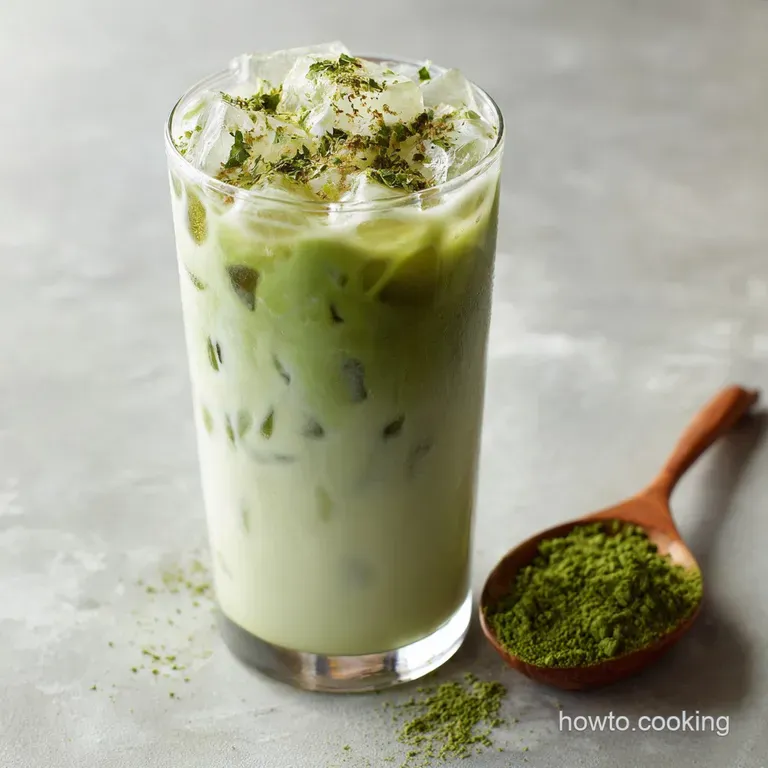
- The Clump-Free Classic: Effortless Iced Matcha Latte
- Mastering the Verdant Elixir: Why Technique Matters
- The Science of Smoothness: Achieving the Perfect Texture
- Essential Components and Smart Substitutions
- Step-by-Step Guide to the Effortless Iced Matcha Latte
- Whisking Alternatives: Mastering the Foam Without a Chasen
- Troubleshooting Your Matcha: Chef’s Tips for Success
- Preparation and Shelf Life: Can You Make Matcha Ahead?
- Perfect Pairings for Your Refreshing Green Tea Drink
- Recipe FAQs
- 📝 Recipe Card
The Clump Free Classic: Effortless Iced Matcha Latte
You know that quiet whoosh sound when you finally pour the deep green matcha concentrate over the icy cold milk? That’s the sound of pure victory. I live for that moment.
Honestly, the vibrant color and the earthy, grassy aroma of a perfect Iced Matcha Latte is the ultimate sensory hook. It smells like health, tastes like heaven, and looks Instagrammable without even trying.
We’ve all been burned, haven’t we? We pay eight dollars for a café version only to find it watered down, grainy, and aggressively bitter. You feel cheated. But here’s the good news: making a superior Iced Matcha Latte at home is shockingly simple, provided you follow two crucial rules (which I totally learned the hard way).
This isn't just about saving money, either; it’s about controlling the quality and ensuring that silky smooth texture every time.
So, let's ditch the complicated rules and get straight to the real methods that deliver that perfect, vibrant green elixir. This guide covers the common mistakes (like using boiling water don't do it!) and gives you the foolproof technique for making the best Iced Matcha Latte you’ve ever had.
Time to unlock the verdant magic in your own kitchen.
Mastering the Verdant Elixir: Why Technique Matters
When I first started dabbling in matcha, I treated it like tea bags hot water, dump, stir, done. Disaster! It was always clumpy, muddy, and tasted like damp hay. Trust me, the difference between a sad, watery drink and a luxurious, cafe quality Iced Matcha Latte hinges entirely on the preparation of the concentrated "matcha shot." We aren’t brewing; we are emulsifying.
The key to unlocking the subtle sweetness and deep umami notes in the matcha instead of its bitter tannins is temperature control and mechanical force (whisking). If you try to mix cold matcha powder straight into cold milk, it clumps instantly.
If you use boiling water, you scorch the powder, guaranteeing bitterness. The best Iced Matcha Latte requires a specific, brief dance with warm water, not hot water.
The Science of Smoothness: Achieving the Perfect Texture
Defining Café Quality: Creamy vs. Watery
Watery is the enemy. A café quality Iced Matcha Latte should have a noticeable weight and texture, something that coats your tongue subtly. This creaminess comes from two primary factors: the fat content in your milk base and the sheer quality of the emulsification of the matcha itself.
If your matcha shot is properly whisked, those tiny bubbles (foam) add structure. When this structure mixes with cold milk, you get that desirable velvet texture. It’s chemistry, baby!
Ceremonial Grade vs. Culinary Grade: Which to Choose?
This is where your budget meets your tastebuds. Ceremonial grade matcha is ground from younger tea leaves, often harvested earlier, resulting in a much brighter green color and a naturally sweeter, less bitter flavor profile. It is the gold standard for your daily Iced Matcha Latte .
Culinary grade, on the other hand, is designed to be mixed into baked goods or smoothies where its flavor will be masked by other ingredients. If you drink your matcha plain or in a simple latte, always opt for ceremonial. You cannot fake good flavor; quality ingredients make the best Iced Matcha Latte.
The Thermal Shock Method (Avoiding Bitterness)
This is the non-negotiable step. If the water you use to create the matcha shot is too hot anything over 175°F (80°C) you chemically alter the flavour compounds, releasing that nasty, harsh bitterness. Think of it like delicate herbs; you wouldn’t boil basil.
Chef’s Note: Use a thermometer! Aim for 165°F 175°F (74°C 80°C). If you don't have a thermometer, simply boil the water and let it sit off the heat for a full minute before pouring it over the powder.
This technique prevents the dreaded harsh flavor many associate with a homemade Iced Matcha Latte .
Emulsifying the Matcha Base for Zero Clumps
Clumps happen when the hydrophobic matcha powder hits water and sticks to itself before it can properly hydrate. The fix? Sifting and aggressive agitation. You simply cannot skip sifting if you want a clump free Iced Matcha Latte . Push the powder through a fine mesh sieve first.
This breaks up any existing micro clumps and ensures the surface area is maximized for hydration when the water hits it. The subsequent vigorous whisking ensures the powder is fully suspended and incorporated into the water before it’s added to the cold milk.
Optimizing the Water-to-Matcha Ratio
We are creating a concentrated shot, not a mild tea. You need about 1 teaspoon of matcha powder to 2 ounces of hot water. This creates an intense green liquid, the heart of your beverage.
If you use too much water, you dilute the flavor, and the resulting Iced Matcha Latte will taste weak and pale. Keep the base concentrated for maximum flavor impact.
Essential Components and Smart Substitutions
Every truly great Iced Matcha Latte relies on excellent components, but you also need flexibility for what's in your pantry.
| Ingredient | My Recommendation | Smart Substitution |
|---|---|---|
| Matcha Powder | Ceremonial Grade | high-quality Culinary (Use slightly more) |
| Milk Base | Whole Dairy Milk or Oat Milk | Almond Milk, Soy Milk, or Coconut Milk (carton) |
| Sweetener | Simple Syrup (1:1) | Agave Nectar or Liquid Stevia Drops |
| Water | Filtered Water | Tap water, boiled and cooled (if taste is acceptable) |
Sourcing Quality Matcha Powder
Investing in good matcha is like investing in good chocolate. It makes a huge difference. Look for brands that list the country of origin (usually Japan, specifically Uji or Nishio) and have that brilliant, almost neon green color.
If the powder looks brownish or yellowish, it’s old or low quality, and no amount of technique will save your Iced Matcha Latte .
Choosing Your Dairy or Non-Dairy Milk Base
For a truly decadent Iced Matcha Latte , oat milk is the secret weapon. It has a high fat content and an incredible mouthfeel that mimics whole dairy milk perfectly, creating a creamy texture without the need for actual cream. If you prefer dairy, whole milk works best for richness.
Skim milk will result in a much thinner, less satisfying drink.
Sweeteners That Complement the Earthy Flavor Profile
Because this is a cold drink, you must use a liquid sweetener. Granulated sugar won’t dissolve; it sinks to the bottom and waits there as a disappointing sludge. Simple syrup is ideal because it’s neutral and fully incorporated.
I love adding a little vanilla extract to my simple syrup for a customized Iced Matcha Latte experience. Agave nectar also works well due to its viscosity.
The Role of Filtered Water and Ice Quality
If your tap water tastes like chlorine, your matcha will taste like chlorine. Simple as that. Use filtered water for the best results, both for the hot shot and for your ice cubes. Nobody wants a cloudy, stale tasting Iced Matcha Latte because of subpar ice.
step-by-step Guide to the Effortless Iced Matcha Latte
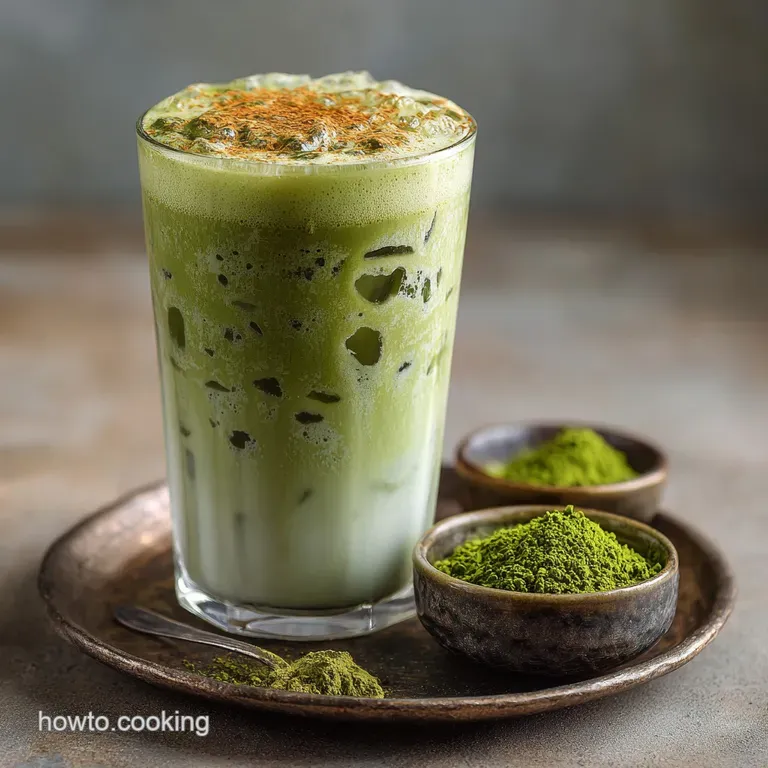
Ready to make the dream Iced Matcha Latte ? Assemble your ingredients and let’s crack on.
- Sift It Right: Place 1 teaspoon of matcha powder into your small bowl or chawan through a fine mesh sieve. Tap the sieve gently until all powder is through. This is your foundation for a smooth Iced Matcha Latte .
- Heat Smartly: Heat 2 ounces of filtered water until it reaches the critical 165°F 175°F (74°C 80°C) range.
- Whisk Aggressively: Pour the warm water directly onto the sifted powder. Using a bamboo chasen or electric frother, whisk rapidly in a tight "M" or "W" pattern for 30 60 seconds. You are aiming for a thin, even layer of micro bubbles (foam) and zero visible clumps.
- Prep the Glass: Fill your tall serving glass generously with ice cubes.
- Sweeten the Base: Add 1/2 to 1 ounce of simple syrup over the ice.
- Pour the Milk: Slowly add 8 10 ounces of cold milk (oat milk preferred) to the glass, filling it almost to the brim.
- Layer and Serve: Gently pour the prepared, frothy matcha shot over the back of a spoon held just above the milk level. This creates that dramatic, beautiful layered effect. Serve immediately and instruct your lucky recipient to stir well before taking the first sip of their perfect Iced Matcha Latte .
Whisking Alternatives: Mastering the Foam Without a Chasen
Don't have a traditional bamboo whisk? No problem. The goal is friction and air incorporation.
Sifting and Preparing the Powder Base
Always sift first, regardless of your whisking method. Sifting ensures that the powder is ready to accept the water fully.
Creating the Concentrated Matcha Shot (The Key to Intensity)
Whether you use a traditional whisk or a gadget, the method remains the same: Combine 1 tsp sifted matcha with 2 oz heated water (165°F 175°F). This tiny green liquid is the heart of your Iced Matcha Latte .
Layering and Assembling the Cold Beverage
The layering technique (pouring the matcha over the back of a spoon) is just for looks. It doesn’t affect the final flavor, but it does make the presentation of your Iced Matcha Latte incredibly satisfying.
The Jar Shake Method (Quick and Easy)
This is my favorite low-tech hack. Take a small jar with a tight fitting lid (a mason jar or clean jam jar works great). Add your sifted matcha and warm water (165°F). Screw the lid on tightly . Shake vigorously like you're mixing a cocktail for 20 30 seconds.
The resulting foam is fantastic, and this method is brilliant for a quick Iced Matcha Latte on the go.
Electric Frother Technique
If you have a handheld electric frother (the kind used for coffee), it works perfectly. Pour the warm water and matcha into a small cup and hold the frother deep into the liquid. Whisk until a fine foam appears.
This method requires zero elbow grease and is highly effective at eliminating clumps, making the process of creating your perfect Iced Matcha Latte almost effortless.
Troubleshooting Your Matcha: Chef’s Tips for Success
Even pros mess up sometimes when making an Iced Matcha Latte . Here are quick fixes for the most common issues.
How to Fix a Bitter or Muddy Taste
If your drink is bitter, it means the water was too hot, or your matcha quality is low. If the taste is muddy or fishy, your matcha powder is likely old, oxidized, or stored improperly. The only real fix for bitterness is prevention use cooler water next time.
Eliminating Persistent Clumps After Mixing
If you followed the steps but still see small clumps floating in your milk, you didn't whisk the base hard enough, or you skipped the sifting step. When preparing your next Iced Matcha Latte , whisk the warm shot longer, or try the jar-shake method for superior clump destruction.
Preparation and Shelf Life: Can You Make Matcha Ahead?
The answer depends on how you plan to store your Iced Matcha Latte components. I do not recommend mixing the whole latte ahead of time. The structure of the foam will break down, and the matcha solids will settle at the bottom, resulting in a separated, unappetizing drink.
Scaling the Recipe for Batches
If you need to make four lattes, you can batch prep the concentrated matcha shot. Just multiply the ingredients (4 tsp matcha, 8 oz warm water) and whisk them all together in a larger bowl or container.
Storing the Concentrated Matcha Shot
You can store the prepared, whisked matcha shot in an airtight container in the fridge for up to 24 hours. However, the flavour and colour are always best within the first hour.
When you're ready to make your Iced Matcha Latte , give the shot a quick stir or shake, then pour it straight over the iced milk.
Best Practices for Immediate Consumption
Matcha must be consumed quickly. If you leave an Iced Matcha Latte sitting out, the matcha particles will eventually fall out of suspension and settle as a thick, green layer at the bottom. Stir it up immediately before drinking!
Perfect Pairings for Your Refreshing Green Tea Drink
Matcha’s deep, earthy profile pairs wonderfully with rich sweetness and light spices.
Ideal Sweet and Savory Snacks to Serve Alongside
Think light, fluffy, slightly sweet treats that won't overwhelm the delicate flavor of the matcha. A lovely pairing is a lightly sweetened baked good. Serving your beautiful Iced Matcha Latte alongside a slice of moist Zucchini Bread: The Ultimate Moist Spiced Tea Loaf Recipe is pure bliss. The spices in the bread complement the subtle vegetal notes of the tea beautifully.
Alternatively, if you prefer something sweeter, nothing beats the pairing of a cool, bright green Iced Matcha Latte with a warm Healthy Pumpkin Muffins: Spiced Naturally Sweetened . The cinnamon and nutmeg are excellent contrasts.
If you’re leaning savory, a simple, delicate cucumber sandwich or a small cheese scone works well. The goal is to choose items that enhance, not overpower, the unique profile of your perfect Iced Matcha Latte . Enjoy your creation!

Recipe FAQs
Why does my matcha powder always clump, even when I whisk it vigorously?
Clumping usually occurs when the powder hits too much cold liquid at once or if the water used is boiling hot. Always whisk the matcha with a small amount of warm (not boiling) water first to create a smooth, concentrated paste, known as the "matcha shot," before introducing cold milk and ice.
Using a fine mesh sieve to sift the powder beforehand also drastically reduces the chance of lumps forming.
How can I prevent my latte from tasting too bitter or "grassy"?
Bitterness is typically caused by using water that is too hot, which essentially "burns" the delicate matcha particles. Ensure your water temperature is around 170°F (77°C); alternatively, using a little extra sweetener or a richer milk like oat milk can help balance the natural tannins in the tea.
Also, ensure you are measuring the correct ratio of powder to liquid, as overuse can concentrate the bitter flavor.
What are the best non-dairy alternatives for achieving a creamy iced latte?
Oat milk is widely considered the superior non-dairy option for lattes due to its natural sweetness and superior emulsification, which mimics whole milk’s creamy texture perfectly.
Soy milk is a close second, offering excellent body, though almond and cashew milks may result in a slightly thinner, more watery consistency. Always choose unsweetened varieties if you plan to control the sweetness separately.
Is it okay to use cold water instead of warm water to dissolve the matcha base?
While you can use cold water, it makes proper dissolution much harder and often results in floating clumps or gritty sediment at the bottom of the glass. Using a small amount of warm water (around 170°F/77°C) allows the flavor compounds to release properly, guaranteeing a smoother, more homogeneous mixture that chills instantly when poured over ice.
Can I substitute simple syrup with natural sweeteners like honey or maple syrup?
Yes, both honey and maple syrup are excellent natural sweeteners for matcha, though they possess different flavor profiles and densities. Maple syrup is slightly thinner and provides a deep, earthy sweetness, while raw honey offers a distinct floral undertone that complements the earthy notes of the tea beautifully.
Adjust the volume carefully, as they are often sweeter than commercial simple syrup.
Can I pre-make a large batch of the matcha base and store it?
It is not recommended to store the fully prepared latte, as the ice will melt, leading to heavy dilution and dull flavor within an hour. However, you can prepare the concentrated matcha shot (matcha dissolved only in warm water) and store it in an airtight container in the refrigerator for up to 24 hours.
Just add cold milk and ice when you are ready to serve for instant convenience.
What is the difference between ceremonial and culinary grade matcha for this recipe?
Ceremonial grade is the highest quality, intended for traditional whisking and straight consumption, offering the most vibrant color and smoothest texture. Culinary grade is more economical and designed to stand up to other ingredients like milk and sweeteners without losing its flavor profile.
For an Iced Matcha Latte, either works perfectly, but the subtle flavor benefits of expensive ceremonial grade often get masked by the milk.
Effortless Iced Matcha Latte Recipe
Ingredients:
Instructions:
Nutrition Facts:
| Calories | 200 kcal |
|---|---|
| Fat | 8 g |
| Fiber | 1 g |
