Homemade Ramen in Under One Hour
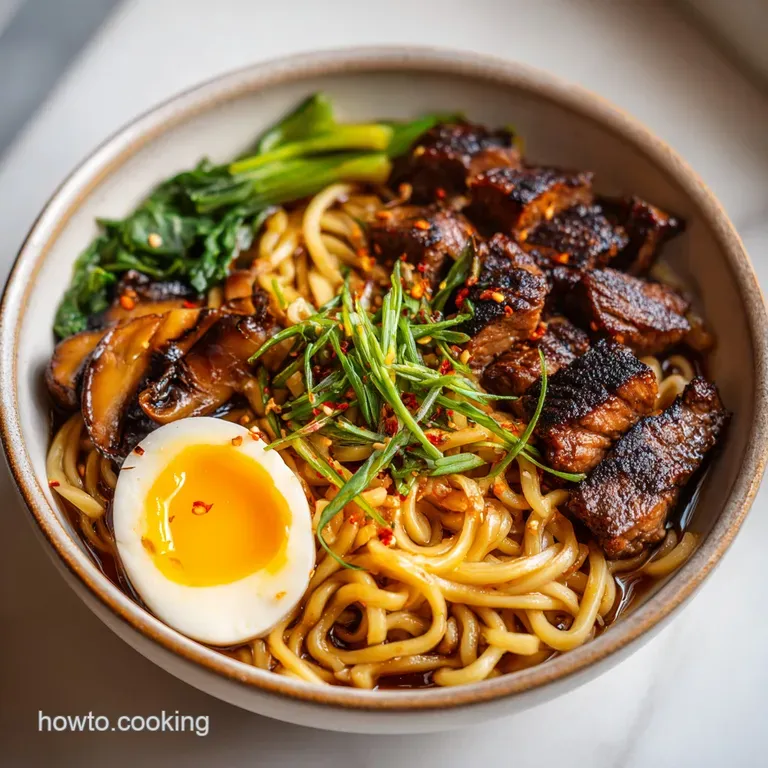
- Time: Active 15 minutes, Passive 30 minutes, Total 45 minutes
- Flavor/Texture Hook: Silky, umami rich broth with springy noodles
- Perfect for: High speed weeknight comfort or impressive dinner dates
- Achieving the Best Slurp Worthy Homemade Ramen
- Why This Quick Broth Works
- Core Components for Depth
- Tools for Better Ramen
- Cooking the Ramen Stepwise
- Fixing Common Ramen Errors
- Creative Flavor Swaps
- Debunking Ramen Myths
- Keeping Your Ramen Fresh
- Serving Your Bowl Properly
- Very High in Sodium
- Recipe FAQs
- 📝 Recipe Card
Achieving the Best Slurp Worthy Homemade Ramen
Imagine the sizzle of chicken skin hitting a hot pot, followed by the sharp, earthy aroma of smashed ginger and toasted garlic filling your kitchen. We've all been there: craving a bowl of ramen that tastes like a Tokyo back alley gem, but realizing we don't have eighteen hours to boil pork bones until they vanish.
I once tried the "authentic" three day method and honestly, the sheer exhaustion made the soup taste like regret.
Now, I focus on what actually matters for a weeknight win: body, salt, and fat. This homemade ramen recipe is about working smarter, using bone in chicken thighs to get that velvety mouthfeel in a fraction of the time.
You'll get a broth that coats your spoon and noodles that carry just enough soup to make every bite count.
We are skipping the fluff and sticking to the mechanics of flavor. You don't need a culinary degree to pull this off, just a bit of focus on the searing phase and the timing of your eggs. Let's crack on and build a bowl that'll make your local shop nervous.
Why This Quick Broth Works
Maillard Reaction Searing: Browning the 1.5 kg of chicken thighs directly in the pot creates complex flavor molecules that deep simmered broths usually take hours to develop.
Collagen Extraction: Using bone in, skin on thighs ensures that as the 2 Liters of stock simmers, the connective tissue breaks down into gelatin, providing a silky texture.
Glutamate Synergy: Combining dried shiitake, dashi powder, and soy sauce creates a "umami bomb" effect where different types of glutamates enhance each other's intensity.
Aromatic Infusion: Smashing the ginger and garlic instead of mincing them allows their oils to seep out slowly without burning or becoming bitter during the 30 minute simmer.
| Cooking Method | Time Investment | Broth Texture | Best Scenario |
|---|---|---|---|
| Stovetop Simmer | 45 minutes | Light and silky | Fast weeknight meal |
| Oven Braise | 1 hours 30 mins | Deep and heavy | Weekend prep |
| Slow Cooker | 6 hours | Very soft chicken | Set and forget |
The stovetop method is my go to because the direct heat allows for better control over the evaporation rate. This results in a more concentrated flavor profile that mimics a long boiled soup. If you find the liquid reducing too fast, just top it up with a splash of water to keep the balance right.
Core Components for Depth
The Science of Umami Extraction
We aren't just making soup, we are conducting a liquid extraction. By keeping the aromatics large, like the halved head of garlic and smashed ginger, we ensure the flavors remain bright rather than muddy.
The heat stays medium high during the initial sear to render the fat, which later emulsifies into the 2 Liters of chicken stock for that classic creamy finish.
| Ingredient | Science Role | Pro Secret |
|---|---|---|
| Chicken Thighs (1.5 kg) | Fat and gelatin source | Sear skin side down first for maximum oil rendering |
| Dashi Powder (5g) | Sea based umami boost | Add at the very end to preserve delicate ocean aromas |
| Mirin (60ml) | Acid and sugar balance | Use it to deglaze the pot and lift brown bits |
Selecting the right chicken is non negotiable for this quick version. Boneless breasts will leave your broth thin and watery, so stick with the 1.5 kg of bone in thighs to ensure the liquid has enough "legs" to stand on.
Tools for Better Ramen
You don't need a kitchen full of gadgets, but a heavy bottomed pot, like a Dutch oven, is a lifesaver here. It holds heat better, which means your 2 Liters of stock won't drop in temperature when you add the cold ingredients. A fine mesh strainer is also vital for getting that clear, professional looking soup.
For the eggs, I highly recommend using a small timer. A 6 minute egg is a precise science, and even thirty seconds can turn a jammy yolk into a chalky mess. If you're feeling adventurous after this, you might even try making your own Egg Noodles recipe to take the bowl to the next level.
Chef Tip: Freeze your 50g of fresh ginger for 10 minutes before smashing it. This makes the fibers brittle, allowing more juice to release into the broth without it turning into a mushy paste.
Cooking the Ramen Stepwise
- Sear the chicken. Place 1.5 kg chicken thighs skin side down in a large pot over medium high heat until the skin is golden and crisp. Note: This renders the fat needed for the broth's mouthfeel.
- Add aromatics. Throw in 50g smashed ginger and 1 halved head of garlic until the room smells fragrant.
- Deglaze the pot. Pour in 60ml mirin, scraping the bottom with a wooden spoon to lift all the browned bits.
- Simmer the base. Add 2 Liters chicken stock, 5 dried shiitakes, and half the scallions. Simmer 30 minutes until the liquid reduces slightly.
- Prep the eggs. Boil 4 large eggs for exactly 6 minutes, then immediately plunge into ice water.
- Create the tare. In a small bowl, whisk 120ml soy sauce, 15ml rice vinegar, and 5g dashi powder.
- Cook the noodles. Boil 400g fresh ramen noodles in a separate pot until they are springy but firm.
- Strain the broth. Remove the chicken and aromatics, then pour the liquid through a fine mesh sieve.
- Assemble the bowl. Divide the tare into 4 bowls, add the hot broth, then drop in the noodles.
- Add toppings. Slice the chicken, peel the eggs, and finish with 15g menma, nori sheets, and 10ml chili oil.
Fixing Common Ramen Errors
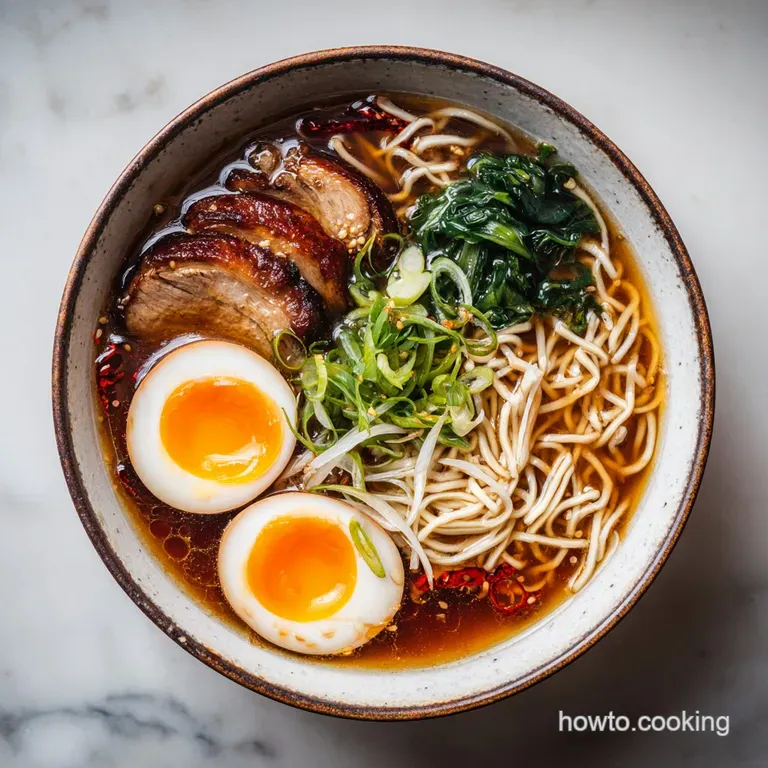
Why Your Broth Tastes Flat
The most common culprit is a lack of salt or acidity. The 120ml of soy sauce provides the salt, but the 15ml of rice vinegar is what actually wakes up the fat. The vinegar adds a tang similar to the kick in a classic Buffalo Sauce Recipe, cutting through the heaviness of the chicken.
Why Your Noodles Are Mushy
Fresh ramen noodles continue to cook in the hot broth. If you boil them to completion in the water, they will be overdone by the time you sit down to eat. Always pull them out 30 seconds early; they should have a distinct "bite" to them before they hit the soup.
| Problem | Root Cause | Solution |
|---|---|---|
| Greasy surface | Excess fat not emulsified | Whisk the broth vigorously or use a hand blender briefly |
| Bitter aftertaste | Burned garlic or ginger | Remove aromatics immediately if they turn dark brown |
| Thin consistency | Not enough bone contact | Use 1.5 kg bone in thighs or add a teaspoon of unflavored gelatin |
Common Mistakes Checklist
- ✓ Never boil the eggs starting from cold water; always drop them into already boiling water for consistent timing.
- ✓ Don't skip the ice bath for the eggs, or the residual heat will cook the yolks through.
- ✓ Avoid cooking the noodles directly in the broth, as the starch will make the soup cloudy and thick.
- ✓ Pat the chicken dry before searing to ensure you get a golden crust rather than steamed meat.
- ✓ Use low sodium stock so you can control the salt levels with the soy sauce and dashi.
Creative Flavor Swaps
If you can't find specific Japanese ingredients at your local shop, don't panic. The goal is to maintain the balance of salty, sweet, and umami. For example, if menma (fermented bamboo shoots) isn't available, pickled radishes or even sautéed mushrooms provide a similar textural contrast.
| Original Ingredient | Substitute | Why It Works |
|---|---|---|
| Mirin (60ml) | Sherry + pinch of sugar | Similar sweetness and acidity profile |
| Dashi Powder (5g) | Anchovy paste (1 tsp) | High in glutamates. Note: Very salty, reduce soy sauce slightly |
| Fresh Ramen (400g) | Dried Spaghetti + Baking Soda | Boiling pasta with 1 tbsp baking soda mimics ramen texture |
While you can scale this recipe down easily, I wouldn't recommend it. It's much better to make the full 4 servings and store the extra broth. If you're scaling up for a crowd, keep the aromatics to 1.5x the original amount rather than doubling them, as things like garlic can become overpowering in large volumes.
| Goal | Shortcut | Flavor Impact |
|---|---|---|
| Extra Creamy | Add 1 tbsp Tahini | Richer, nuttier finish |
| Spicy Kick | Swirl in Sriracha | Bright heat, less smoky |
| Garlic Punch | Use Garlic Oil | Intense aroma without the bite |
Debunking Ramen Myths
A big myth is that ramen broth must be boiled for 24 hours to be good. While "Tonkotsu" (pork bone) broth does benefit from long boils to emulsify marrow, chicken based "Shoyu" or "Shio" ramens are traditionally lighter.
A 30 minute high intensity simmer with the right aromatics can actually produce a cleaner, more vibrant flavor than a pot that's been bubbling for two days.
Another misconception is that the noodles are just a filler. In reality, the noodles are the heart of the dish. This is why we cook them separately. If you cook them in the broth, the starch leaches out and changes the chemistry of your carefully balanced soup, turning it into a heavy, starchy mess.
Keeping Your Ramen Fresh
If you have leftovers, keep the broth and noodles in separate containers. The noodles will soak up every drop of liquid in the fridge, leaving you with a soggy block of pasta the next day. The broth stays flavorful in the fridge for up to 3 days, or you can freeze it in airtight bags for up to 2 months.
To reheat, bring the broth to a rolling boil on the stove. Don't use the microwave for the soup if you can avoid it, as it heats unevenly and can kill the delicate dashi notes. For the noodles, a quick 30 second dip in boiling water is all they need to revive their springy texture.
Use your leftover chicken scraps to top a salad or stir fry the next day to ensure zero waste.
Serving Your Bowl Properly
Presentation matters because we eat with our eyes first. Start by pouring the tare into the bottom of a deep bowl, then add the hot broth and stir once. When adding the 400g of noodles, use tongs to lift and fold them so they sit neatly in the center of the bowl, creating a "nest" for your toppings.
Place the sliced chicken, the halved jammy egg, and the nori sheets around the edges. A drizzle of the 10ml chili oil should be the final touch, creating small red pools on the surface of the soup. This bowl isn't just a meal; it's a fast, hearty solution to a busy day that feels like a massive win.
Trust me, once you see those fat bubbles shimmering on top of the broth, you'll never look at instant packets the same way again.

Very High in Sodium
2340 mg mg of sodium per serving (102% of daily value)
The American Heart Association recommends limiting sodium intake to about 2,300mg per day for adults.
Simple Tips to Reduce Sodium in Your Ramen
-
Broth Upgrade-30%
Even "low-sodium" stocks can contain significant sodium. Try making your own broth from scratch using chicken bones, vegetables, and herbs, or dilute the store-bought low-sodium stock with water to reduce the concentration. This could reduce sodium by up to 30%.
-
Soy Sauce Swap-20%
Soy sauce is a major contributor to the sodium content. Substitute regular soy sauce with a low-sodium or reduced sodium version. Alternatively, consider using coconut aminos, which have a naturally lower sodium content, but be aware of the flavor differences.
This can reduce sodium by up to 20%.
-
Dashi Dose Down-15%
Dashi powder adds umami flavor but is also high in sodium. Reduce the amount of dashi powder used or eliminate it entirely and enhance the umami flavor with additional dried shiitake mushrooms or a small amount of kombu seaweed. This can reduce sodium by up to 15%.
-
Skip Menma-10%
Menma (fermented bamboo shoots) is often preserved in a salty brine. Consider omitting it altogether or using a very small amount, rinsed thoroughly with water. This can reduce sodium by up to 10%.
-
Spice It Up!
Enhance the flavor of your ramen with herbs and spices instead of relying on salty ingredients. Experiment with ginger, garlic, chili flakes, or other aromatic spices to create a flavorful broth without adding sodium. (0% reduction)
-
Noodle Rinse-5%
Rinse the ramen noodles after cooking to remove any excess starch and potentially some surface sodium. This is a simple way to lower the sodium content, although the reduction is minimal. This can reduce sodium by up to 5%.
Recipe FAQs
What are the 5 main components needed for a traditional bowl of ramen?
Broth, Tare, Noodles, Aromatic Oil, and Toppings. The broth provides the body, the tare provides the primary seasoning and saltiness, and the noodles offer texture. The oil carries the aroma, while toppings add complexity and visual appeal.
What ingredients do I absolutely need to make satisfying homemade ramen broth quickly?
Bone-in chicken thighs, soy sauce, ginger, garlic, and quality chicken stock. Using bone-in, skin-on meat ensures you extract enough collagen during the short simmer to create that desired silky mouthfeel.
How to make a simple ramen broth that tastes deep without simmering all day?
Sear the chicken thighs aggressively first until the skin is golden brown. This Maillard reaction creates deep flavor molecules quickly; then, simmer for only 30 minutes with aromatics before straining.
Is ramen dough different from standard pasta dough, and how do I check texture?
Yes, true ramen dough often uses kansui (alkaline salts) which gives it a distinct yellow hue and chew. For home cooking, you can mimic the chew by adding baking soda to water if you are making your own noodles; if you master this texture, you can apply the same principles to other doughs like our Garlic Butter Bread Rolls recipe.
What is the secret to getting jammy, perfectly cooked ramen eggs?
Start the eggs directly into already rolling boiling water for exactly six minutes. Immediately shock them in an ice bath to halt residual cooking; this precise temperature control is key to avoiding chalky yolks.
Do I need to use a separate Tare (seasoning base) or can I just season the broth?
No, always use a separate Tare base added to the bottom of the bowl. The Tare concentrates the salty and umami flavor in a small volume, allowing you to perfectly season each serving based on your preference, unlike seasoning the whole batch of broth.
If I have extra broth, can I substitute it for a different soup base like potato soup?
No, the ramen broth base is too specific to substitute directly into other recipes. The high gelatin content works perfectly for ramen but would make a creamy base like our Potato Soup Recipe too heavy and gelatinous.
Fast Homemade Ramen Recipe
Ingredients:
Instructions:
Nutrition Facts:
| Calories | 892 kcal |
|---|---|
| Protein | 62.8 g |
| Fat | 31.4 g |
| Carbs | 74.2 g |
| Fiber | 3.1 g |
| Sugar | 6.4 g |
| Sodium | 2340 mg |
