French Fry Casserole: Creamy Beef Bake
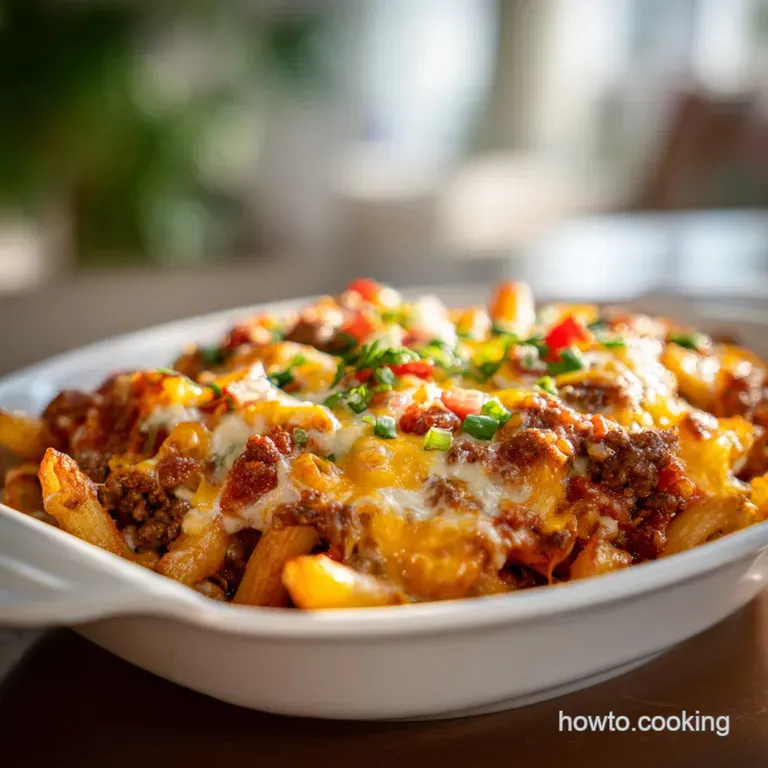
- Time: Active 10 minutes, Passive 25 minutes, Total 35 minutes
- Flavor/Texture Hook: Shatter crisp potato ridges atop a velvety, savory beef base
- Perfect for: High protein weeknight dinner or a crowd-pleasing potluck addition
- Creating a Nutritious French Fry Casserole
- Mechanisms Behind the Savory Depth
- Essential Preparation Metrics and Yield
- Nutritious Components for Flavorful Results
- Primary Tools for Kitchen Confidence
- Executing the Layered Baking Process
- Resolving Common Culinary Texture Challenges
- Wholesome Adaptations for Every Palate
- Maintenance and Creative Leftover Usage
- Serving Context and Nutrient Balance
- High in Sodium
- Recipe FAQs
- 📝 Recipe Card
Creating a Nutritious French Fry Casserole
Listen, we've all been there standing in front of the freezer at 6:00 PM on a Tuesday, staring at a bag of frozen potatoes like they might solve all our problems. For the longest time, I thought a French Fry Casserole was just a "dump and bake" situation that usually ended up as a soggy, salt heavy mess.
I remember one specific rainy Thursday when I tried to rush it; I didn't brown the beef properly and used low-fat cheese. The result was a watery disaster that my family politely pushed around their plates. It was a humbling kitchen moment that forced me to rethink how we build flavor from the ground up.
The secret I discovered isn't about adding fancy ingredients; it’s about the technique. You want to hear that aggressive sizzle the moment the ground beef hits the pan. That sound is the promise of flavor.
When you get that deep, mahogany crust on the meat, you're not just cooking; you're creating a savory foundation that stands up to the creaminess of the sauce. This isn't just a quick meal; it's a study in textures.
We’re going for a base that feels like a warm hug, topped with crinkle cut fries that have enough structural integrity to provide a satisfying crunch in every single bite.
We’re moving away from the "tinny" taste of old-fashioned versions by introducing smoked paprika and Worcestershire sauce to provide a sophisticated edge. By the time the aroma of toasted garlic and sharp cheddar wafts through your house, you'll know this isn't your average bake.
It’s a wholesome, confidence boosting dish that proves you can take simple components and turn them into something truly special. Trust me, once you see those golden brown ridges peeking through the bubbling cheese, you'll never go back to the basic version.
Mechanisms Behind the Savory Depth
Maillard Browning: Searing the 80/20 ground beef at high heat creates melanoidins, which provide the deep, savory "meaty" flavor that a simmered only meat lacks.
Starch Reinforcement: The crinkle cut ridges on the fries increase the surface area, allowing for more moisture evaporation and a superior "shatter" texture compared to flat fries.
Emulsion Stability: Combining condensed soup with Worcestershire sauce creates a stable fat in-water emulsion that coats the beef without breaking into a greasy puddle during the bake.
Fat Cap Protection: A thick layer of freshly shredded cheddar acts as a thermal barrier, preventing the beef mixture from drying out while the oven's convection heat crisps the fries.
| Beef Thickness | Internal Temperature | Rest Time | Visual Cue |
|---|---|---|---|
| 1.5 cm crumble | 71°C (160°F) | 2 minutes | No traces of pink |
| 2.5 cm patty | 71°C (160°F) | 5 minutes | Juices run clear |
| Large chunks | 74°C (165°F) | 3 minutes | Firm to the touch |
When you are aiming for that restaurant quality finish, the "Fast vs. Classic" debate usually comes down to how you handle the potatoes. While a classic approach might involve peeling and soaking fresh spuds, the fast method using high-quality frozen crinkle cuts actually provides a more consistent starch to surface ratio for a casserole setting.
Essential Preparation Metrics and Yield
| Component | Science Role | Pro Secret |
|---|---|---|
| Ground Beef (80/20) | Fat Delivery | Don't drain every drop; that fat carries the smoked paprika flavors. |
| Crinkle Cut Fries | Structural Integrity | Keep them frozen until the second they hit the casserole for maximum crisp. |
| Sharp Cheddar | Emulsifier/Binder | Grate it yourself to avoid anti caking starches that cause "grainy" sauces. |
| Worcestershire | Umami Booster | The fermented anchovies in the sauce bridge the gap between meat and soup. |
Understanding how these elements interact is the key to kitchen confidence. For instance, the acidity in the Worcestershire sauce doesn't just add flavor; it actually helps to tenderize the proteins in the beef as they bake. If you find yourself wanting to experiment with other savory bakes, the way we handle the aromatics here is very similar to the technique used in our Broccoli Casserole recipe.
Nutritious Components for Flavorful Results
- 680g (1.5 lbs) Ground Beef: I highly recommend an 80/20 ratio. You need that fat to create a velvety mouthfeel.
- Substitute: Ground turkey (93/7) with 1 tbsp olive oil. Why this? Turkey lacks the natural tallow needed for a traditional savory base.
- 150g (1 small) Yellow Onion: Finely diced to ensure they melt into the sauce.
- Substitute: Shallots. Why this? Shallots offer a more delicate, garlicky sweetness.
- 2 Cloves Garlic: Minced fresh. Please, avoid the jarred stuff; it’s too acidic.
- Substitute: 1 tsp garlic powder. Why this? Better distribution in the meat if you're short on time.
- 5g (1 tsp) Smoked Paprika: Adds a subtle "off the-grill" aroma.
- Substitute: Regular sweet paprika. Why this? Provides color without the smoky intensity.
- 3g (1/2 tsp) Black Pepper: Freshly cracked for a floral bite.
- 300g (10.5 oz) Condensed Cream of Mushroom Soup: This acts as our thick binder.
- Substitute: Cream of celery. Why this? A cleaner, brighter flavor profile for those who dislike mushrooms.
- 15ml (1 tbsp) Worcestershire Sauce: The secret weapon for deep umami.
- 225g (2 cups) Sharp Cheddar: Shredded off the block for a silky melt.
- Substitute: Gruyère. Why this? Offers a nutty, sophisticated flavor and superior meltability.
- 567g (20 oz) Frozen Crinkle Cut Fries: These must stay frozen until use.
- 3g (1/2 tsp) Sea Salt: To brighten all the other flavors.
Primary Tools for Kitchen Confidence
To get the best results, you'll want to use a heavy bottomed skillet I prefer cast iron to brown the beef. The heat retention in cast iron ensures you get a consistent sear rather than just "steaming" the meat in its own juices. You'll also need a 9x13 inch (approx. 23x33 cm) baking dish.
If you have a glass dish, keep in mind it may take an extra 5 minutes to heat through compared to a metal pan.
A sturdy box grater is also essential here. I know it's tempting to buy the pre shredded bags to save five minutes, but those are coated in cellulose to prevent clumping, which prevents the cheese from truly bonding with the mushroom sauce.
When you shred it yourself, you get that gorgeous, stretchy pull that makes a French Fry Casserole so iconic.
Executing the Layered Baking Process
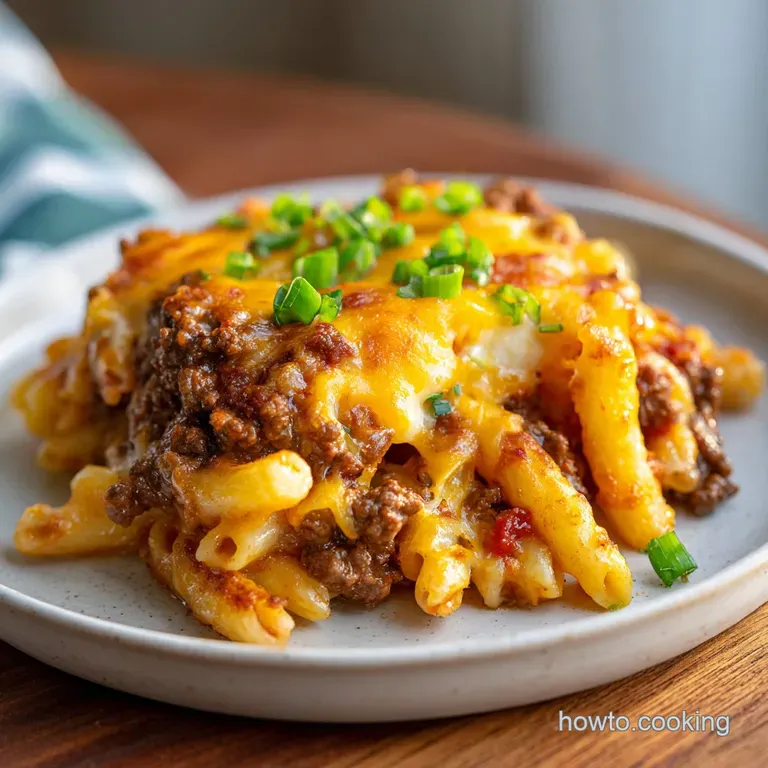
- Preheat your oven to 200°C (400°F). Note: A high temp is vital to ensure the fries bake through without turning the beef base into mush.
- Sizzle the beef in a large skillet over medium high heat. Break it into small crumbles until the edges turn deep brown and crispy.
- Integrate the aromatics by adding the diced onion to the beef. Sauté for about 5 minutes until the onions are translucent and fragrant.
- Introduce the garlic, smoked paprika, black pepper, and sea salt. Cook for exactly 60 seconds until the spices smell toasted.
- Remove from heat and stir in the condensed cream of mushroom soup and Worcestershire sauce. Mix until the beef is fully coated in a thick, velvety gravy.
- Transfer the mixture to your 9x13 inch baking dish, smoothing it out into an even layer with a spatula.
- Scatter the cheese evenly over the beef base. Note: This creates a moisture barrier for the fries.
- Arrange the fries in a single, tight layer across the top. Press them slightly into the cheese so they "anchor" to the base.
- Bake for 25 minutes on the middle rack until the fries are golden brown and the sauce is bubbling up the sides.
- Rest the casserole for 5 minutes before serving. This allows the sauce to set so it doesn't run all over the plate.
Resolving Common Culinary Texture Challenges
The Dreaded Sliced Potato Slump
If your fries come out limp and sad, it’s usually a temperature issue. Many home cooks make the mistake of letting the fries thaw while they prep the beef. This allows the ice crystals to turn into water, which steams the potato from the inside out.
Always pull the bag from the freezer the second you are ready to layer.
The Greasy Sauce Separation
When you see an oil slick on top of your casserole, it’s often because the beef wasn't drained enough or the cheese was too oily. While we want some fat for flavor, 80/20 beef can release a lot of liquid. If your skillet looks like a swimming pool, tilt it and spoon out the excess before adding the soup.
| Problem | Root Cause | Solution |
|---|---|---|
| Soggy Fries | Oven temp too low or fries thawed | Crank oven to 200°C and use ice cold frozen fries. |
| Bland Base | Lack of Maillard browning | Sear beef longer until it's dark brown, not grey. |
| Curdled Sauce | Pre shredded cheese starches | Use block cheese and add soup off the-heat. |
Common Mistakes Checklist
- ✓ Pat the beef dry with a paper towel if it looks wet before hitting the pan.
- ✓ Never crowd the skillet; if you have a small pan, brown the meat in two batches.
- ✓ Check the "best by" date on your spices old paprika tastes like dust.
- ✓ Resist the urge to cover the dish with foil; you need the dry heat to crisp the fries.
- ✓ Let the dish sit after baking; a 5 minute rest makes for much cleaner slices.
Wholesome Adaptations for Every Palate
If you're cooking for a smaller household, you can easily cut this recipe in half. Use an 8x8 inch square pan and reduce the cook time by about 5 minutes. Since we’re using a single can of soup, if you halve the recipe, you can store the remaining soup in a sealed container for up to three days to use in a different sauce.
Scaling up for a large party? You can double the ingredients, but I recommend using two separate 9x13 pans rather than one giant deep dish. When the casserole is too thick, the middle stays cold while the edges burn.
If you’re baking two at once, rotate the pans halfway through the 25 minute timer to ensure even heat distribution from your oven's heating elements.
Chef's Tip: If you want to take this to a "Loaded" level, top the finished casserole with cold pickled jalapeños and a drizzle of ranch dressing right before serving. It provides a sharp, acidic contrast to the rich beef.
| Original Ingredient | Substitute | Why It Works |
|---|---|---|
| Ground Beef | Ground Bison | Leaner but very flavorful. Note: Cook 2 mins less to avoid drying. |
| Crinkle Fries | Sweet Potato Fries | Adds vitamin A and sweetness. Note: They burn faster, check at 20 mins. |
| Sharp Cheddar | Pepper Jack | Adds a spicy kick. Note: Melts very quickly. |
Maintenance and Creative Leftover Usage
Storage: This casserole stays fresh in the fridge for up to 4 days if kept in an airtight container. To maintain the fry texture, I suggest reheating leftovers in an air fryer or oven rather than the microwave, which can make the potatoes rubbery.
Freezing: You can freeze the beef and soup base (before adding cheese and fries) for up to 3 months. When you're ready to eat, thaw the base, top with fresh cheese and frozen fries, then bake as directed.
I don't recommend freezing the fully assembled dish, as frozen then thawed fries lose their structural integrity.
Zero Waste: If you have leftover fries that didn't fit on the dish, don't toss them! Toss them with a little cinnamon and sugar for a quick snack, or dice them up and fry them with eggs for a "shortcut" hash the next morning.
Leftover beef mixture also makes a fantastic filling for stuffed bell peppers.
Serving Context and Nutrient Balance
This dish is a powerhouse of protein and carbohydrates, making it a complete meal on its own, but balance is key for a wholesome family dinner. I love serving this alongside a bright, acidic green salad or some steamed broccoli to cut through the richness of the cheddar and cream sauce.
The crunch of fresh greens is the perfect partner to the velvety texture of the beef.
If you are looking for more comfort food that hits that "classic" note, you might enjoy trying my Truly Classic Fry recipe. It’s another one of those dishes that relies on simple ingredients but delivers a high impact sensory experience.
Dispelling the Soggy Fry Legend
Many people believe that putting fries on top of a "wet" base automatically leads to sogginess. This is a myth. As long as your oven is hot enough (200°C+), the moisture from the beef mixture evaporates upwards, actually steaming the bottom of the fry while the dry oven air crisps the top.
The result is a texture similar to a baked potato fluffy inside, crisp outside.
The Pre Cooking Meat Fallacy
I’ve seen some recipes suggest you don't need to brown the meat before baking. This is a mistake. Without the initial sear, the meat will "boil" in the soup, resulting in a grey texture and a loss of that complex savory flavor we worked so hard to build.
Always take the extra 10 minutes to get that sizzle in the pan.
Balancing Salt Levels
Since condensed soup and Worcestershire sauce both contain sodium, it is vital to taste your beef mixture before adding the sea salt. Depending on the brand of soup you use, you might find you only need a pinch of salt to make the flavors pop.
Confidence in the kitchen comes from trusting your palate more than the measurements on the page!
High in Sodium
1085 mg mg of sodium per serving (47% % of daily value)
The American Heart Association recommends limiting sodium intake to about 2,300mg per day for most adults.
Tips to Reduce Sodium in This Recipe
-
Low-Sodium Soup-20%
Replace the regular condensed cream of mushroom soup with a low-sodium or no-salt added version. This can significantly reduce the overall sodium content.
-
Lower Sodium Cheese-15%
Use a lower sodium cheese option, such as Swiss or Monterey Jack, or reduce the amount of cheddar cheese by half. Experiment with a combination of cheeses.
-
Unsalted Fries-10%
Opt for unsalted or naturally cut frozen French fries. You can add your own spices after cooking for more control.
-
Reduce Added Salt-10%
Eliminate or drastically reduce the added sea salt. Taste the dish before adding any salt, as the other ingredients already contain sodium.
-
Low-Sodium Worcestershire-5%
Use a low-sodium Worcestershire sauce, or use just half the amount of regular Worcestershire sauce.
-
Leaner Ground Beef-5%
Using a leaner ground beef such as 93/7 is lower in sodium and calories than 80/20. Always drain fat after browning the ground beef.
-
Flavor Boost
Enhance the flavor with fresh herbs (like parsley, thyme) and spices (like garlic powder, onion powder) to compensate for the reduced salt. These add flavor without adding sodium.
Recipe FAQs
Why is it called a John Wayne casserole?
It is not universally called a John Wayne casserole. This dish is an informal comfort food, and many regional names exist for casseroles made with canned soup and potatoes; John Wayne is just one of the many personalities attached to various versions.
Can I use regular french fries instead of crinkle cut fries?
Yes, but crinkle cuts are strongly recommended for texture. The ridges on crinkle cuts increase surface area, allowing for a superior crisp during baking compared to straight cut fries, which tend to steam more easily.
What is Jackie Kennedy's casserole?
This dish is not historically linked to Jackie Kennedy. Casseroles associated with her often involve more delicate French or Continental preparations, not typical American freezer aisle comfort food concepts.
What is Dolly Parton casserole?
The Dolly Parton casserole is usually a sweeter, dessert style bake, not this savory potato dish. Her famous versions often feature canned fruit, pecans, and a streusel topping, similar in spirit to a Pecan Pie recipe.
How do I prevent the french fry layer from becoming soggy?
Bake at a high temperature, around 200°C (400°F). The high heat promotes rapid surface dehydration on the fries while the underlying sauce is heating, ensuring a crisp exterior.
How should I brown the ground beef for the best flavor foundation?
Sear the meat aggressively in a hot, heavy skillet until deep brown. You are aiming for the Maillard reaction crust, not just cooking it through; this technique ensures deep savory flavor, similar to how you would build the base for a rich gravy like the Rosemary Chicken Sauce recipe.
Can I substitute the condensed soup for fresh cream sauce?
No, the condensed soup is essential for texture and starch stabilization. The processed starches and stabilizers in the canned product are necessary to bind the moisture from the beef and prevent the casserole from becoming a thin liquid.
French Fry Casserole Mastery
Ingredients:
Instructions:
Nutrition Facts:
| Calories | 562 kcal |
|---|---|
| Protein | 33.4 g |
| Fat | 34.2 g |
| Carbs | 31.5 g |
| Fiber | 3.2 g |
| Sugar | 3.8 g |
| Sodium | 1085 mg |
