Sunshine Spice Glazed Carrot Coconut Loaf Ultimate Quick Bread
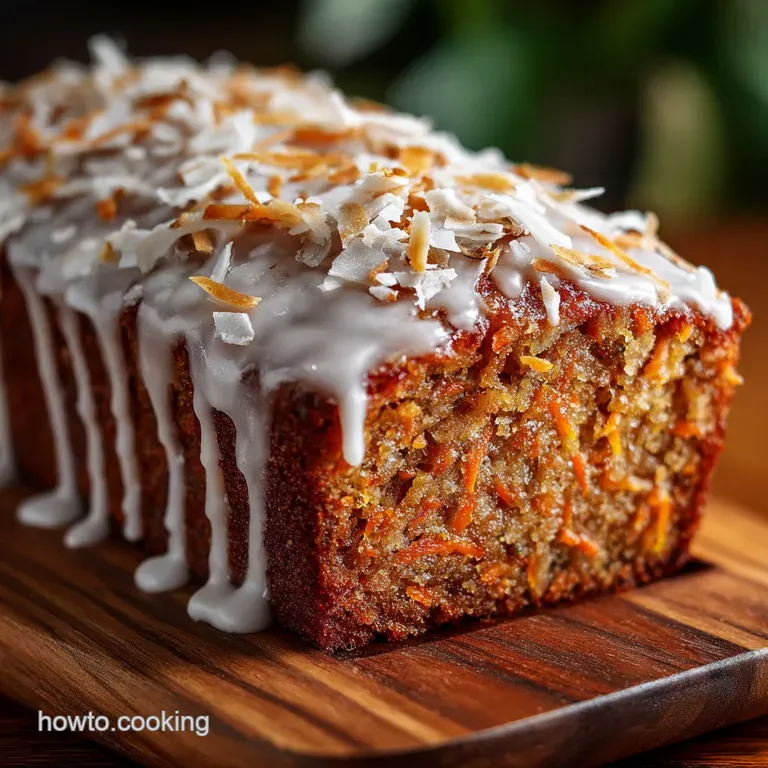
- Mastering the Perfect Glazed Carrot Coconut Bread
- The Tropical Fusion: Why This Recipe Works
- Sourcing Your Sunshine Spice Ingredients
- Essential Kitchen Tools for Loaf Success
- Step-by-Step Baking Methodology
- Achieving the Signature Coconut Glaze
- Expert Tips and Troubleshooting Your Bake
- Storing and Serving Your Glazed Carrot Coconut Bread
- Recipe FAQs
- 📝 Recipe Card
Mastering the Perfect Glazed Carrot Coconut Bread
There are few things more instantly comforting than the aroma of cinnamon and nutmeg drifting from a warm oven. If you’ve ever found yourself wishing that classic carrot cake was just a little easier to manage less fussy, perhaps, and without the sheer weight of a heavy cream cheese frosting then this Glazed Carrot Coconut Bread is your answer.
This loaf is my go-to when I want maximum flavor with minimal fuss. It’s the perfect blend of cozy spice and bright, tropical texture. I find this quick bread hits all the right notes: tender, incredibly moist, and utterly fragrant.
It’s the kind of recipe you memorize after making it just once, and trust me, you’ll be making it often.
The Tropical Fusion: Why This Recipe Works
This recipe isn't just about throwing carrots and coconut together; it’s a careful balancing act. The spice profile (cinnamon, nutmeg) grounds the loaf in familiar comfort food territory, while the coconut and a hint of lime in the glaze introduce that lovely, bright tropical lift.
Instead of relying solely on butter, we use vegetable oil, which guarantees a superior moistness that lasts for days. We skip the massive sugar rush of traditional frosting and opt for a thin, tangy coconut milk glaze.
This glaze doesn't just sit on top; it seeps into the cooling loaf, creating a beautiful sweet and slightly chewy layer right beneath the surface.
The Secret to an Ultra Moist Crumb
The magic behind the texture of this quick bread lies in two ingredients you might not immediately expect: oil and Greek yoghurt. Fat is crucial for tenderness, and while butter adds flavor, oil keeps the crumb elastic and prevents it from drying out over time a major advantage for quick breads.
The full fat Greek yoghurt introduces acidity and protein. The acidity reacts gently with the baking soda, boosting the leavening, while the fats and proteins inhibit gluten development.
This combination results in a supremely tender, fine crumb that holds its moisture for significantly longer than a loaf made only with butter.
Quick Bread vs. Yeast Bread: The Time Saver
I love the meditative quality of working with yeast, but let's be honest, sometimes life demands immediate gratification. This is where the beauty of a quick bread shines. We are relying on chemical leaveners baking powder and baking soda rather than the slow rise provided by yeast.
This means no kneading, no proofing, and the entire process from mixing the ingredients to getting the pan in the oven takes less than 20 minutes. It’s perfect for those Sunday afternoons when you suddenly realize you need something spectacular for the week ahead.
Sourcing Your Sunshine Spice Ingredients
The quality of your core ingredients makes a measurable difference here. Don't skimp on the spices! If you can, please buy whole nutmeg and grate it fresh. The fragrance alone will transform your kitchen and elevate the final flavor beyond what pre-ground spices can offer.
When looking at the carrots, aim for organic if possible. Since they are the star vegetable, you want them to taste sweet and earthy. Finally, make sure your eggs and dairy are at room temperature. Cold ingredients fight against the oil, which can result in a batter that feels broken or greasy.
Essential Kitchen Tools for Loaf Success
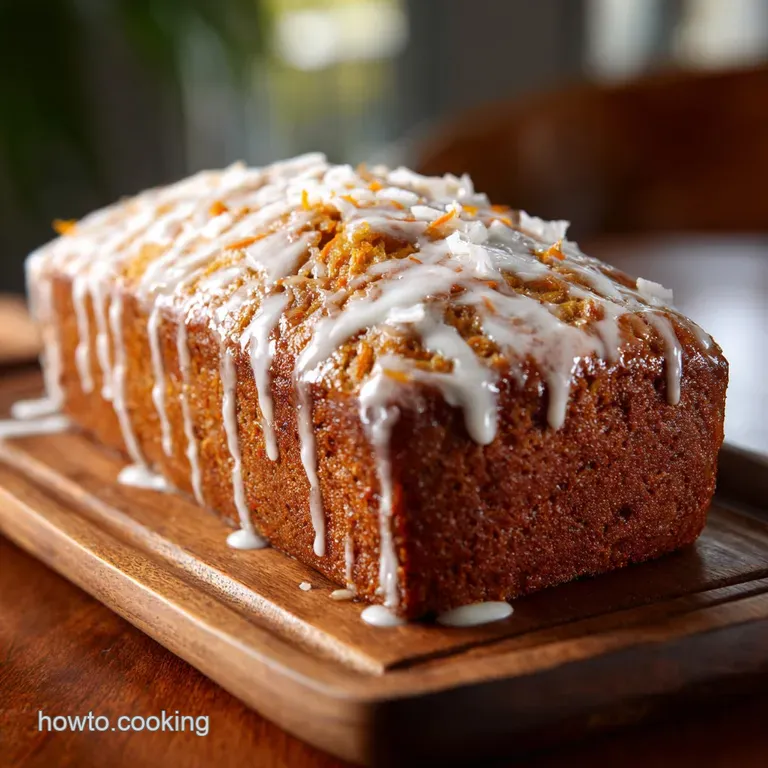
For quick breads, you don't need fancy equipment, but a few basics will streamline your process. The most important tool is your loaf pan. Make sure it's the standard 9x5 inch size, as using a smaller or deeper pan can radically alter the baking time and increase the risk of a sunken middle.
Having a good, sturdy whisk for combining the wet ingredients is also helpful.
Must Have Pantry Staples and Substitutions
As an experienced home cook, I know sometimes you just don't have exactly what the recipe calls for. Here are a few quick solutions for common swaps:
| Ingredient | Preferred Swap | Notes |
|---|---|---|
| Vegetable Oil | Melted Unsalted Butter (cooled) | Loaf may be slightly less moist over time. |
| Greek Yoghurt | Sour Cream or Buttermilk | Reduce buttermilk slightly if using. |
| Brown Sugar | Maple Syrup (Reduce liquid elsewhere) | Requires careful adjustment to dry ingredients. |
Grated Carrot Preparation: Fine vs. Coarse
This detail is absolutely critical for the texture of this specific Glazed Carrot Coconut Bread. We are aiming for a carrot that essentially melts into the crumb. Therefore, use the finest setting on your box grater, or pulse the carrots briefly in a food processor until they are tiny, confetti like pieces.
Coarse shreds will remain distinct and crunchy, which works fine for salads, but here we want that smooth, moist continuity. After grating, place the carrots in a clean tea towel and gently squeeze out any excess moisture. Too much liquid throws off the flour-to-liquid ratio.
Choosing the Right Coconut Flakes (Sweetened vs. Unsweetened)
I always recommend using unsweetened shredded coconut for the batter. We are already getting ample sweetness from the sugars and the glaze, and the unsweetened flakes allow the natural nutty flavour of the coconut to shine through without making the loaf cloyingly sweet.
If you only have sweetened coconut, reduce the brown sugar in the recipe by about two tablespoons.
Measuring Dry and Wet Components Accurately
The biggest cause of a dense, heavy quick bread is incorrect flour measurement. Please use the "spoon and level" method: gently spoon the flour into your measuring cup until overflowing, then use the back of a knife to level it off.
Never scoop the flour directly from the bag; this compacts it, meaning you end up adding significantly more flour than intended. For the wet ingredients like oil and yoghurt, measure them precisely in liquid measuring cups at eye level. Precision here guarantees consistency.
Related Recipes Worth Trying
- Sticky Toffee Pecan Shortbread Bars Buttery Shortbread Gooey Caramel — Skip the basic caramel slice These Toffee Pecan Shortbread Bars feature meltinthemouth shortbread topped with a sticky gooey salted caramel pecan filling A...
- Greek Yogurt Blueberry Streusel Bread The Moistest Quick Bread Recipe — This Blueberry Streusel Bread is incredibly moist thanks to a proper chefs trick Greek yogurt Topped with a crunchy cinnamon crumble this Quick Bread With...
- Easy Peach Bread Recipe Brown Sugar Quick Loaf with Streusel Topping — Our best Peach Bread recipe This is a foolproof moist brown sugar quick loaf packed with fresh peaches and topped with buttery streusel Ideal for elevenses...
step-by-step Baking Methodology
Baking a quick bread is a three step dance: preparing the dry ingredients, emulsifying the wet ingredients, and finally, gently marrying the two. We start by thoroughly whisking all the dry elements flour, spices, leaveners ensuring that every grain of baking powder is distributed.
This prevents large holes or uneven rising. Next, we whisk the wet ingredients vigorously; we want the oil, eggs, and yoghurt to be perfectly smooth and slightly thickened before they meet the flour. This pre-emulsification makes the final gentle mixing phase quick and foolproof.
The moment the wet meets the dry, we switch to a rubber spatula and fold gently, incorporating the carrots and coconut right at the end. Speed and gentleness are key here get it into the pan and into the oven immediately.
Achieving the Signature Coconut Glaze
The glaze is the crowning glory of our Glazed Carrot Coconut Bread. It transforms the humble loaf into something truly special. The trick to a beautiful, opaque glaze that sets properly is using the thick cream from a can of full fat coconut milk, not the watery liquid.
Put your can in the fridge the night before; the thick cream will solidify on top, making it easy to scoop out. Whisk this cream with sifted powdered sugar until you hit a smooth, slow dripping consistency thick enough to coat the back of a spoon, but thin enough to pour.
The small addition of lime juice cuts through the sweetness and adds that vibrant tropical zing.
When applying the glaze, the loaf should be fully cooled at least 30 minutes on a wire rack. Applying glaze to a warm loaf will cause it to melt instantly, creating a sticky, soggy crust rather than a defined, attractive set glaze.
Preparing the Perfect Loaf Pan
I always use a parchment paper sling in my loaf pan. After greasing the pan, cut a strip of parchment paper that runs the long way, extending over the sides. Grease the pan again where the paper meets the metal.
This sling acts as handles, making it effortless to lift the tender loaf out of the pan once it's cooled slightly, preventing those frustrating moments where the delicate edges break.
The Critical Wet-into Dry Mixing Technique
The fundamental rule for quick breads is minimal mixing once the liquid touches the flour. When you pour the wet ingredients into the dry, mix only until you see no more dry flour streaks, usually taking no more than 15 to 20 gentle folds.
Overmixing activates the gluten, causing the loaf to become tough and developing those tunnels inside the loaf we all dread. A slightly lumpy batter is actually desirable here!
Testing for Doneness (The Skewer Test)
Because this loaf is so moist, the standard skewer test can be slightly deceptive. Insert a wooden skewer or cake tester deep into the absolute center of the loaf. If it comes out completely clean, the loaf is likely overcooked.
We are aiming for the skewer to come out with just a few moist, sticky crumbs clinging to it this indicates a perfectly cooked, moist center. If the skewer comes out coated in wet batter, give it another 5 to 8 minutes.
Cooling and Glazing Timing Protocol
Once the loaf comes out of the oven, it needs time to set. Let it sit in the pan on a wire rack for 15 minutes. This allows the structure to solidify. After 15 minutes, use the parchment sling to transfer the loaf directly onto the wire rack to finish cooling completely.
Airflow around the loaf is vital to prevent steam from condensing on the bottom, which leads to a soggy base. Only apply the glaze once the loaf is fully cool to the touch.
Expert Tips and Troubleshooting Your Bake
Even the most seasoned baker runs into trouble now and then. Here are my favorite troubleshooting tips for achieving perfection:
- Top Browning Too Quickly: If the top is getting dark but the center is raw (tested before the 40-minute mark), loosely tent the pan with aluminum foil. This deflects the heat while allowing the inside to continue baking.
- Preventing Dry Edges: Ensure your oven temperature is accurate. If your oven runs hot, reduce the temperature by 10-15 degrees F. Also, make sure you used oil, not butter, for maximum moisture retention.
- Enhancing Spice Depth: Toast the spices lightly in a dry pan for 30 seconds before mixing them into the dry ingredients. This wakes up the volatile oils and makes the loaf intensely fragrant.
Storing and Serving Your Glazed Carrot Coconut Bread
This loaf keeps beautifully due to its high moisture content. Once the glaze has fully set, store the loaf wrapped tightly in plastic wrap at room temperature for up to four days. If you live in a very humid climate, you might prefer to store it in an airtight container in the refrigerator to prevent molding, but let it come back to room temperature before serving for the best texture.
Creative Flavor Swaps and Add-Ins
While this Glazed Carrot Coconut Bread is perfect as written, it adapts wonderfully to small changes. I often play with the citrus element try replacing the lime juice in the glaze with orange zest in the batter, which pairs beautifully with the cinnamon.
If you crave crunch, toast pecans lightly before folding them into the batter. For an unexpected richness, try swapping out half of the vanilla extract for a quality almond extract .
How to Prevent a Sunken Middle
A sunken middle usually means one of two things: either the loaf was removed from the oven before it was fully cooked, or the oven temperature was inconsistent. When the center hasn't fully set, the structure collapses as it cools.
Ensure you are preheating your oven thoroughly and using the skewer test deep into the center. If you must open the oven door, do so quickly and only after the first 45 minutes of baking, as sudden changes in temperature can shock the batter.
Freezing and Thawing the Baked Loaf
If you are planning to freeze the loaf, do so before glazing it. Once fully cooled, wrap the entire loaf tightly in plastic wrap, followed by a layer of aluminum foil, and place it in the freezer for up to three months. When ready to serve, thaw it overnight at room temperature while still wrapped.
Once thawed, you can whip up the fresh coconut glaze and drizzle it on before slicing.
Nutritional Summary and Serving Suggestions
While this is certainly a treat, it's a quick bread that's generally less heavy and fatty than traditional frosted layer cakes. It makes a wonderful, substantial morning snack or brunch offering.
I love serving thick slices with a very light dusting of extra toasted coconut flakes, or simply alongside a robust cup of coffee. The bright, tangy glaze makes it rich enough to satisfy a dessert craving without the heaviness of typical cake.
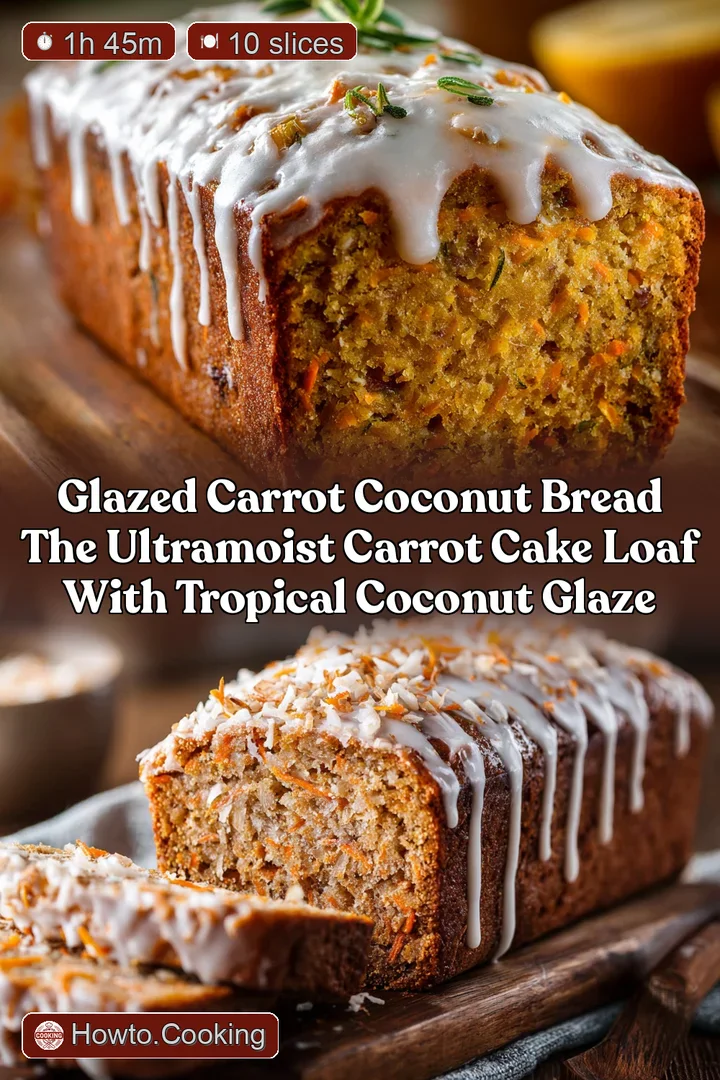
Recipe FAQs
How long does this Glazed Carrot Coconut Bread keep? Can I freeze the leftovers?
A proper quick bread, if stored in an airtight container at room temperature, is generally good for 3 4 days it often gets even more flavourful the next day! For long keeping, slice the loaf and freeze it wrapped tightly in cling film for up to three months; thaw overnight, and it'll be right as rain.
My loaf is browning on top but still seems raw in the middle. What gives?
This is a common quick bread quandary because of the long bake time (up to 65 minutes). If the top is getting too dark before the centre is cooked, simply pop a loose sheet of aluminium foil over the loaf like a little hat; this prevents scorching while allowing the centre to finish baking properly.
My coconut glaze is too runny how do I fix that without starting again?
Ah, a bit of a sticky wicket! The secret is usually needing more icing sugar; start by sifting in another tablespoon, mixing thoroughly, and repeating until the glaze is thick enough to coat the back of a spoon slowly, remembering to only use the thick cream from the coconut milk can.
Can I make this recipe gluten-free or dairy-free if I have dietary restrictions?
Absolutely, you can! For a gluten-free loaf, switch to a high-quality 1:1 GF flour blend that already contains xanthan gum. If you need dairy-free, simply swap the Greek yoghurt for an equal amount of thick, plain plant based yoghurt (such as oat or soy) and the loaf will still turn out beautifully moist.
Is this bread healthier than traditional carrot cake, and what’s the best time to serve it?
While this loaf is certainly a treat, it is generally lighter than standard carrot cake as we use vegetable oil for moisture and swap the dense, buttery cream cheese frosting for a simple glaze.
It’s absolutely spot-on for elevenses or afternoon tea, but slices warmed up with a dollop of crème fraîche make a brilliant pudding, too!
Glazed Carrot Coconut Quick Bread
Ingredients:
Instructions:
Nutrition Facts:
| Calories | 990 kcal |
|---|---|
| Protein | 4.1 g |
| Fat | 13.3 g |
| Carbs | 46.9 g |
| Fiber | 1.4 g |
| Sugar | 21.9 g |
| Sodium | 275 mg |
