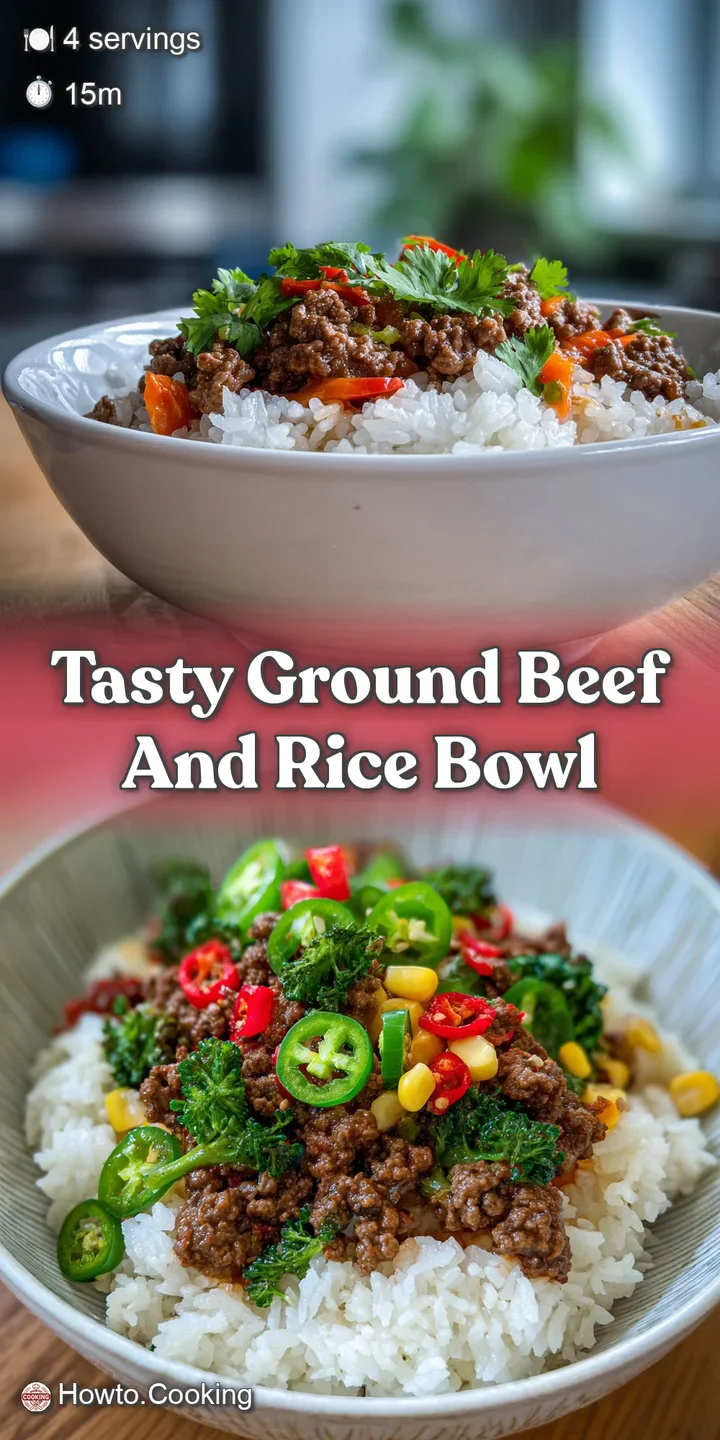
Tasty Ground Beef and Rice Bowl
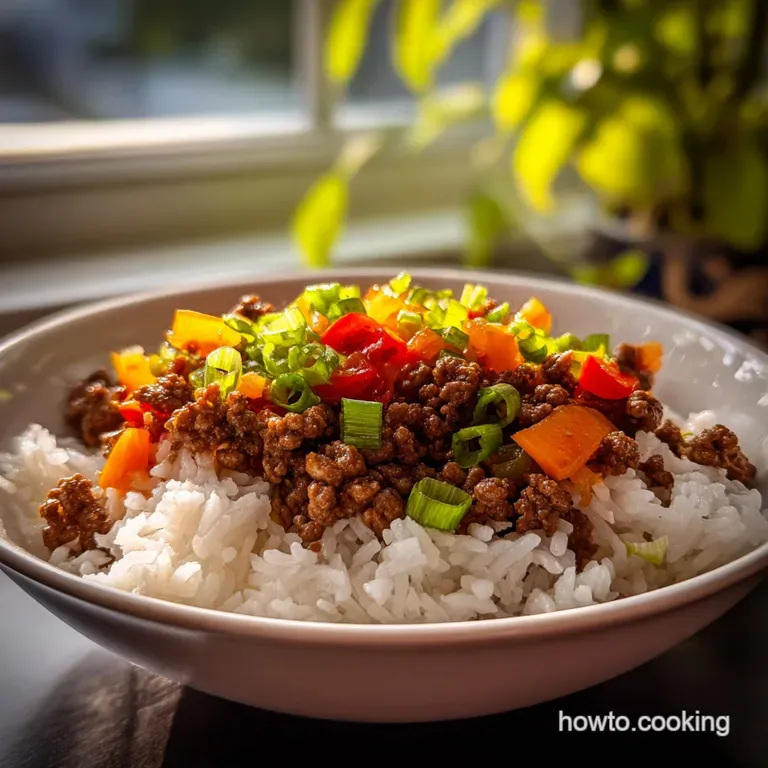
- Time: Active 5 minutes, Passive 10 minutes, Total 15 minutes
- Flavor/Texture Hook: Sizzling ginger garlic beef with a velvety soy glaze
- Perfect for: Busy weeknights, nutritious meal prep, or building kitchen confidence
- Create a Tasty Ground Beef And Rice Bowl
- Key Metrics for Recipe Success
- Choosing the Best Wholesome Ingredients
- Essential Tools for Perfect Searing
- Executing the Perfect Flash Glaze
- Correcting Common Cooking Mistakes
- Clever Swaps for Better Nutrition
- Storing Leftovers for Maximum Freshness
- Nutritious Sides for Better Balance
- Recipe FAQs
- 📝 Recipe Card
Create a Tasty Ground Beef And Rice Bowl
The sound of cold beef hitting a screaming hot cast iron pan is the best part of my Tuesday nights. There is a specific sizzle, a sharp and promising crackle, that tells you the Maillard reaction is doing its magic.
I remember when I first started cooking, I would just toss everything in a cold pan and wonder why my dinner looked gray and uninspiring. It took a few "steamed" beef disasters for me to realize that heat is actually an ingredient, not just a setting.
This dish is my absolute fallback when the fridge looks empty but I still want something that feels like a real meal. It's about taking 1 lb of lean ground beef and turning it into something that feels intentional and wholesome.
We are moving away from the heavy, greasy takeout versions and leaning into fresh ginger, crisp cucumbers, and a glaze that perfectly balances sweet and salty notes. You'll find that once you get the hang of the timing, this becomes a 15 minute miracle that you can customize a thousand different ways.
Trust me on this, the secret isn't a secret at all it's just about respecting the sequence. We want the beef to get those crispy, deeply browned edges before we introduce the liquids.
If you follow this method, you'll end up with a bowl that has distinct textures: the snap of the cucumber, the fluffiness of the rice, and the tender, glazed beef. It's a dish that builds your confidence every time you make it.
Key Metrics for Recipe Success
Maillard Reaction: High heat creates a chemical bond between amino acids and reducing sugars, resulting in the savory, browned crust that defines this dish. Carryover Cooking: Heat stored in the protein continues to cook the beef after it leaves the pan, so we stop exactly when the pink disappears to maintain moisture.
| Method | Time | Texture | Best For |
|---|---|---|---|
| Stovetop | 10 minutes | Crispy edges, juicy center | Quick weeknight meals and maximum flavor |
| Oven (Broiled) | 8 minutes | Even browning, less monitoring | Larger batches or meal prep convenience |
| Slow Cooker | 4 hours | Soft, tender, integrated sauce | Deep flavor infusion but loses crispy texture |
Cooking on the stovetop allows for immediate feedback. You can hear the moisture evaporating and see the sugars in the brown sugar beginning to caramelize against the meat. For a different take on cozy comfort, you might also love this Hearty Potato Soup recipe.
| Component | Science Role | Pro Secret |
|---|---|---|
| Lean Ground Beef | Protein structure | Let it sit at room temperature for 10 minutes to ensure a better sear |
| Low Sodium Soy Sauce | Salt and Umami | Always use low sodium to control the salt levels as the sauce reduces |
| Brown Sugar | Caramelization | The molasses content helps the glaze cling to the beef fibers |
| Rice Vinegar | Acid Balance | A splash at the end cuts through the fat and brightens the aromatics |
Using 90/10 lean beef ensures that the dish remains nutritious without feeling heavy. We use the oil to initiate the sear, but the beef's own fat provides the velvety mouthfeel that makes this recipe so satisfying.
Choosing the Best Wholesome Ingredients
Selecting the right components is what separates a mediocre bowl from a restaurant quality experience. I always look for 1 lb lean ground beef (90/10) because it strikes the right balance between flavor and health. You also need 2 tbsp neutral oil (like avocado or grapeseed) to handle the high heat without smoking.
The aromatics are non negotiable: 3 cloves garlic, minced, and 1 tbsp fresh ginger, grated.
For the heat, 0.5 tsp red chili flakes provide a gentle hum that doesn't overwhelm the palate. The glaze requires 0.25 cup low sodium soy sauce, 2 tbsp brown sugar, 1 tbsp toasted sesame oil, and 1 tbsp rice vinegar.
To finish, you'll need 3 cups cooked jasmine rice, 3 sliced green onions, 1 tbsp toasted sesame seeds, and 1 cup sliced cucumbers for that essential crunch.
Chef's Tip: Freeze your fresh ginger for 10 minutes before grating. It makes the fibers much firmer, allowing the grater to glide through without leaving a stringy mess behind.
- Lean Ground Beef: Why this? Provides high-quality protein with minimal excess grease for a clean finish. (Substitute: Ground turkey or chicken)
- Jasmine Rice: Why this? The floral aroma and slight stickiness hold the glaze perfectly. (Substitute: Brown rice or cauliflower rice)
- Low Sodium Soy Sauce: Why this? Allows you to build deep flavor without making the dish overly salty. (Substitute: Tamari or liquid aminos)
- Fresh Ginger: Why this? Adds a sharp, peppery brightness that dried ginger simply cannot replicate. (Substitute: Ginger paste)
- Brown Sugar: Why this? Creates the tacky, glossy glaze that coats every morsel of beef. (Substitute: Honey or maple syrup)
Essential Tools for Perfect Searing
To get that shatter crisp edge on your beef, you need a heavy bottomed skillet. I personally swear by a 12 inch cast iron skillet (like a Lodge), but a heavy stainless steel pan also works beautifully. You want something with enough surface area so the 1 lb of beef isn't crowded.
If the pan is too small, the beef will release its juices and steam rather than sear, leaving you with that gray texture we want to avoid.
You'll also need a sturdy wooden spoon or a metal spatula to break the meat into small, uniform crumbles. A microplane is my favorite tool for the garlic and ginger because it turns them into a paste that melts directly into the glaze.
Finally,, ensure you have a fine mesh strainer if you are cooking the rice fresh, as rinsing away excess starch is the only way to get those distinct, fluffy grains.
If you are craving more bold flavors later this week, my Ground Beef Enchiladas recipe is a fantastic way to use similar staples. Both recipes rely on getting the foundation right whether it's the beef sear or the sauce consistency.
Executing the Perfect Flash Glaze
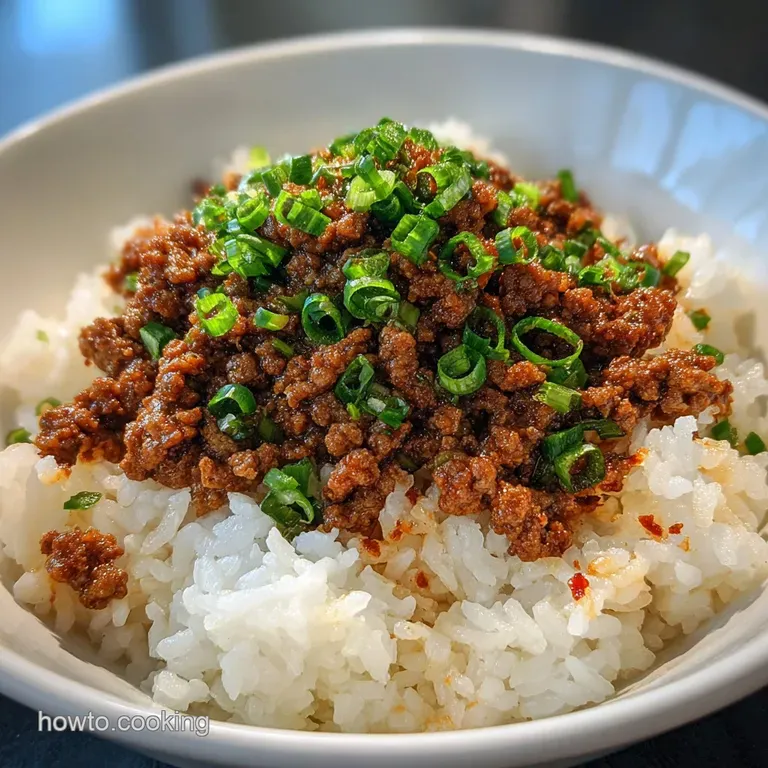
- Prep the aromatics. Mince 3 cloves garlic and grate 1 tbsp fresh ginger. Note: Having these ready prevents the garlic from burning while you scramble for the ginger.
- Heat the skillet. Add 2 tbsp neutral oil to a large pan over medium high heat until the oil shimmers and barely wisps smoke.
- Sear the beef. Add 1 lb lean ground beef, spreading it into a flat layer. Note: Don't touch it for 2 minutes to allow a crust to form.
- Crumble the meat. Use a spatula to break the beef into small pieces, cooking until the pink center disappears and edges turn golden.
- Add seasonings. Stir in the garlic, ginger, and 0.5 tsp red chili flakes. Cook for 1 minute until the aroma fills the kitchen.
- Whisk the sauce. In a small jar, combine 0.25 cup low sodium soy sauce, 2 tbsp brown sugar, 1 tbsp toasted sesame oil, and 1 tbsp rice vinegar.
- Deglaze the pan. Pour the sauce over the beef. Note: The liquid will bubble vigorously, lifting the flavorful browned bits from the pan bottom.
- Simmer and thicken. Cook for 2 to 3 minutes until the sauce reduces to a glossy, tacky glaze.
- Prepare the base. Portion 3 cups cooked jasmine rice into four bowls.
- Assemble the bowls. Top rice with the glazed beef, 1 cup sliced cucumbers, 3 sliced green onions, and 1 tbsp toasted sesame seeds.
Correcting Common Cooking Mistakes
One of the most frequent issues people face is "swimming beef." This happens when the pan temperature drops too low or the meat is added while still ice cold from the fridge. The beef releases all its liquid at once, and instead of frying, it boils. If this happens, don't panic.
Just carefully drain the excess liquid, add a tiny bit more oil, and turn the heat up to finish the browning process.
Another hurdle is the salt balance. If you accidentally use regular soy sauce instead of low sodium, the dish can become intensely salty very quickly. You can fix this by adding a teaspoon of water or a little extra rice vinegar to dilute the intensity without losing the flavor profile.
Solving Watery Meat Issues
When beef looks gray and sits in a pool of liquid, it’s usually a temperature control problem. The pan needs to be hot enough that the moisture evaporates the second it touches the surface.
| Problem | Root Cause | Solution |
|---|---|---|
| Tough or Dry Beef | Overcooking past the glaze stage | Remove from heat as soon as the sauce coats the meat |
| Burnt Garlic | Adding aromatics too early | Only add garlic/ginger once the beef is mostly browned |
| Bland Results | Not enough salt/acid balance | Add an extra teaspoon of rice vinegar or a pinch of salt |
Common Mistakes Checklist ✓ Pat the beef dry with a paper towel if it looks wet before adding to the pan. ✓ Wait for the oil to shimmer before the beef makes contact. ✓ Resist the urge to stir the beef constantly; let it sit to build a crust.
✓ Use a microplane for ginger to ensure it distributes evenly through the sauce. ✓ Rinse your jasmine rice three times until the water runs clear for fluffiness.
Clever Swaps for Better Nutrition
Adjusting the scale of this recipe is incredibly straightforward because the ratios are so forgiving. If you are cooking for a larger family, you can easily double the 1 lb lean ground beef and the sauce components. Just remember to work in two separate batches or use two pans.
Doubling the meat in one skillet often leads to overcrowding, which ruins the texture of the sear.
When scaling down for a solo dinner, use 0.25 lb of beef and keep the aromatics the same. I find that keeping the ginger and garlic levels high even for smaller portions makes the dish feel more premium and vibrant.
For spices, don't just double them increase them by 1.5x first and taste as you go, as heat can compound quickly.
Korean Style Flavor Profile
To shift the flavor toward a Korean inspiration, swap the rice vinegar for a tablespoon of Gochujang (Korean chili paste). This adds a fermented depth and a beautiful red hue to the glaze.
Mexican Style Bowl Variation
If you want to take this in a completely different direction, swap the soy sauce and ginger for cumin, smoked paprika, and lime juice. Replace the cucumbers with radishes and avocado for a nutritious Mexican style bowl that still utilizes the same ground beef technique.
Vegetable Pairing Guide
While cucumbers provide a fresh snap, you can also add steamed broccoli or sautéed bell peppers. I love adding a handful of shredded carrots directly into the pan during the last minute of glazing for a hit of sweetness and color.
Storing Leftovers for Maximum Freshness
This is one of those rare dishes that actually tastes better the next day. The beef continues to absorb the ginger and soy flavors as it sits. Store the beef and rice in an airtight container in the fridge for up to 4 days.
I recommend storing the cucumber slices separately, though, as they will lose their crunch if they sit in the sauce.
For freezing, the glazed beef freezes beautifully for up to 3 months. I suggest freezing the beef and rice separately. When you're ready to eat, let it thaw in the fridge overnight.
To reheat, a quick splash of water or beef broth in a skillet will help loosen the glaze and restore that velvety texture without drying out the protein.
To reduce waste, don't throw away your green onion roots! You can place them in a small jar of water on your windowsill, and they will regrow in about a week. Also, if you have leftover cucumber, toss it with a little extra rice vinegar and sugar for a quick refrigerator pickle to serve with your next meal.
Nutritious Sides for Better Balance
While this Tasty Ground Beef And Rice Bowl is a complete meal on its own, adding a few thoughtful complements can really make it shine. A simple side of quick pickled red onions or a drizzle of spicy mayo (sriracha mixed with Greek yogurt) adds a creamy element that contrasts with the salty beef.
Searing meat does not "seal in juices." This is a long standing myth. Moisture loss occurs regardless of the sear; the real reason we sear is to create the Maillard reaction for flavor and texture. Another misconception is that you must use a lot of oil for beef.
Since beef has its own intramuscular fat, we only need just enough neutral oil to prevent sticking and jumpstart the heat transfer.
Finally, don't feel like you need a rice cooker for "perfect" rice. The stovetop method works perfectly if you use a 1:1.5 ratio of rice to water, bring it to a boil, then simmer on the lowest setting for 15 minutes without ever lifting the lid.
That steam trapped inside is what creates the fluffy, distinct grains that make the base of this bowl so wholesome.
Recipe FAQs
Can I substitute chicken or pork for ground beef?
Yes, chicken or pork work well. The key is to ensure they are ground and cooked to a similar texture. If using chicken thighs, ensure they are cooked through as they can sometimes be more forgiving than leaner cuts.
How to get crispy edges on the ground beef?
Heat your skillet until shimmering hot before adding the beef. Don't overcrowd the pan, and let the beef sit undisturbed for a couple of minutes to form a crust before breaking it up.
Is it necessary to use low sodium soy sauce?
Yes, low sodium soy sauce is highly recommended. It allows you to control the saltiness of the glaze as it reduces, preventing the dish from becoming too salty.
What is the best way to reheat leftovers?
Reheat gently in a skillet with a splash of water or broth. This helps loosen the glaze and restore moisture without drying out the beef. For a quick meal, you can also microwave it.
Can I make this recipe ahead of time?
Yes, cook the rice and beef ahead for meal prep. The flavors actually meld nicely overnight. Store the cucumber separately to maintain its crunch.
My beef turned out gray and watery, what went wrong?
This usually means the pan wasn't hot enough when the beef was added. Ensure your skillet is shimmering hot to promote searing, not steaming.
Are there any good side dish pairings for this bowl?
Yes, this pairs wonderfully with a simple side of steamed broccoli or sautéed bell peppers. For something a bit different, consider trying out a Creamy Rotel Pasta with Ground Beef as a complementary dish that also uses ground beef.
Ground Beef And Rice Bowl
Ingredients:
Instructions:
Nutrition Facts:
| Calories | 492 kcal |
|---|---|
| Protein | 26.5 g |
| Fat | 23.4 g |
| Carbs | 42.8 g |
| Fiber | 1.8 g |
| Sugar | 7.2 g |
| Sodium | 685 mg |
