Harissa Chicken: Roasted with Whipped Feta
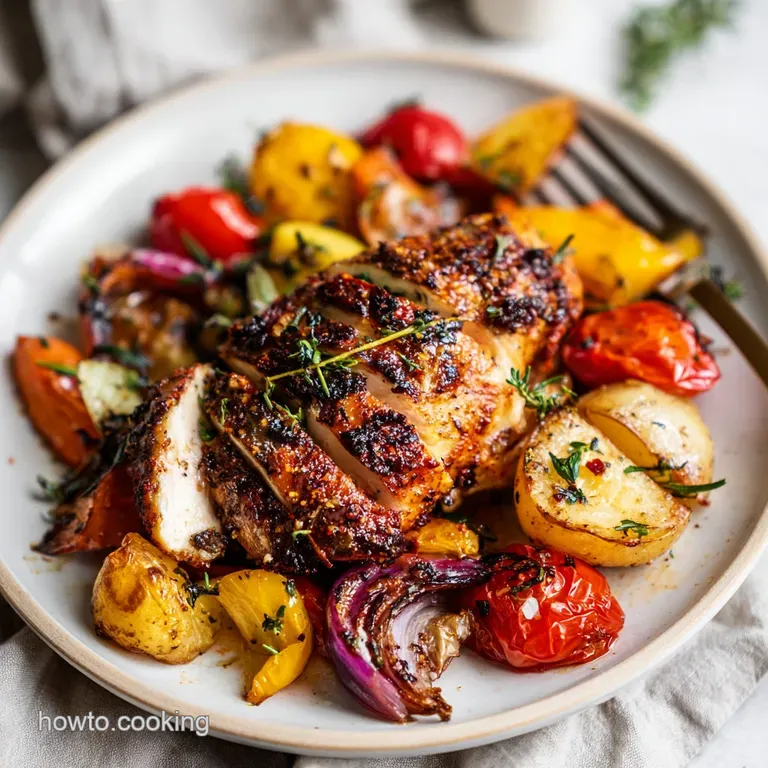
- Time: Active 15 minutes, Passive 35 minutes, Total 50 minutes
- Flavor/Texture Hook: Crispy harissa rubbed skin paired with blistered tomatoes and silky feta
- Perfect for: High protein meal prep or a stress free family dinner
- Creating a Vibrant Harissa Chicken Sheet Pan Meal
- Planning Your Cooking Flow and Execution
- Deep Component Analysis for Maximum Nutrition
- Selecting Heavy Duty Equipment for Heat
- Executing the Roasted Sequence with Precision
- Resolving Texture and Doneness Challenges
- Adapting the Recipe for Every Lifestyle
- Maintaining Quality During Storage and Reheating
- Finishing Touches and Elegant Plating Ideas
- Very High in Sodium
- Recipe FAQs
- 📝 Recipe Card
Creating a Vibrant Harissa Chicken Sheet Pan Meal
Did you know that the secret to a perfectly roasted dinner isn't actually the oven temperature, but the amount of empty space on your tray? It sounds counterintuitive, but if you crowd those vegetables too close together, they won't roast; they'll actually steam in their own juices, leaving you with a soggy mess instead of those coveted charred edges.
I learned this the hard way years ago during a frantic Tuesday night when I tried to fit two pounds of potatoes and six chicken breasts onto one tiny pan. The result was a pale, sad heap of food that lacked any of the sizzle I was craving.
When you hear that first crackle of chicken fat hitting a hot pan at 220°C, you know you're in for something special. This specific Sheet Pan Meal is all about that harmony of over high heat textures.
We're talking about chicken skin that shatters like glass, cherry tomatoes that burst into a natural sauce, and red onions that become sweet and jammy in the oven's heat. The aroma of smoked paprika and garlic wafting through the house is enough to bring everyone to the kitchen before the timer even goes off.
Trust me, once you master the layout of your tray, your confidence in the kitchen will skyrocket. This isn't just about throwing things on a pan; it's a strategic plan based execution that ensures every component reaches its peak at the exact same moment.
We are aiming for nutritious, wholesome ingredients that don't require hours of standing over a stove. Let's look at why this specific method works so well for your busy life.
Planning Your Cooking Flow and Execution
Roasting a variety of ingredients together requires a bit of foresight regarding how heat moves through different textures. The success of this dish relies on the 3 step timeline: prep, cook, and finish.
During the prep phase, we focus on surface area cutting the zucchini and onions into thick enough pieces that they don't disintegrate before the chicken is cooked through. The cooking phase is all about airflow, and the finish involves that crucial resting period where the juices redistribute.
Thermal Mass Balance: Chicken thighs have more bone and fat than breasts, meaning they can withstand 220°C for 35 minutes without drying out. This matches the time needed for the sugars in the red onions to caramelize.
The Moisture Barrier: Patting the chicken bone dry before applying the marinade ensures the oil based harissa sticks to the skin. If the skin is wet, the marinade slides off and the skin steams rather than crisps.
Heat Concentration: Placing the chicken thighs near the edges of the pan often helps them brown faster, as the metal edges of the rimmed sheet pan conduct more intense heat than the center.
Fat Rendering: As the chicken roasts, the fat melts and runs across the pan, essentially "frying" the vegetables in savory chicken drippings. This is why we only need 15ml of olive oil for the whole tray.
| Thickness | Internal Temp | Rest Time | Visual Cue |
|---|---|---|---|
| 1.5 inch thigh | 74°C | 5 minutes | Juices run clear when pierced |
| 1 inch veg strips | N/A | 0 minutes | Edges are dark brown and curled |
| Whole tomatoes | N/A | 2 minutes | Skins have split and collapsed |
The 5 minute rest time for the chicken is non negotiable. If you cut into it immediately, all that beautiful moisture will flood onto the plate, leaving the meat fibers tough. While the chicken rests on a separate board, the vegetables can stay on the warm pan to soak up every bit of the harissa spiced oil.
Deep Component Analysis for Maximum Nutrition
When we talk about the elements of this Sheet Pan Meal, we have to look at how each ingredient contributes to the final profile. The Rose Harissa is the star here, providing a complex heat that isn't just spicy but floral and earthy.
Selecting a high-quality paste makes a massive difference in the final depth of the dish.
| Component | Science Role | Pro Secret |
|---|---|---|
| Chicken Thighs | Provides fat and protein structure | Keep skin on to protect meat from drying |
| Rose Harissa | Acid and spice for tenderizing | Rub some under the skin for direct contact |
| Feta Cheese | Salty, creamy contrast | Whip with yogurt to change the mouthfeel |
| Lemon Zest | Volatile oil aromatic | Add at the very end to keep the scent bright |
Using fresh ingredients is always the goal for a nutritious meal, but sometimes we need a shortcut. However, some shortcuts change the dish more than others. For example, using pre crumbled feta often results in a grainier whipped texture because those crumbles are coated in cellulose to prevent clumping.
If you're looking for that velvety finish, buy the block in brine.
| Fresh Element | Shortcut Alternative | Impact on Outcome |
|---|---|---|
| Fresh Garlic | Jarred Minced Garlic | Less pungent, slightly sweeter/metallic |
| Block Feta | Pre crumbled Feta | Drier texture, harder to emulsify into a cream |
| Fresh Oregano | Dried Oregano | Stronger, more concentrated herbal punch |
While this is a complete meal, if you're feeding a crowd, a Kale Caesar Salad adds a refreshing crunch that cuts through the richness of the harissa.
Selecting Heavy Duty Equipment for Heat
The choice of pan is the most ignored variable in roasting. You want a heavy duty, rimmed baking sheet often called a "half sheet" in professional kitchens. Flimsy pans will warp at 220°C, making a loud "pop" in the oven that can actually throw your vegetables around and cause uneven cooking.
A thick aluminum pan distributes heat evenly, ensuring the bottom of your zucchini gets just as brown as the top.
You'll also need a solid food processor or a high speed blender for the whipped feta. The goal is to aerate the cheese and yogurt until it’s light and spreadable. If you don't have one, you can mash it with a fork and then whisk vigorously, but it won't be quite as silky.
For the chicken, a digital meat thermometer is your best friend. It takes the guesswork out of "is it done?" and ensures you never serve overcooked, rubbery poultry. We are looking for exactly 74°C (165°F) in the thickest part of the thigh, avoiding the bone.
Executing the Roasted Sequence with Precision
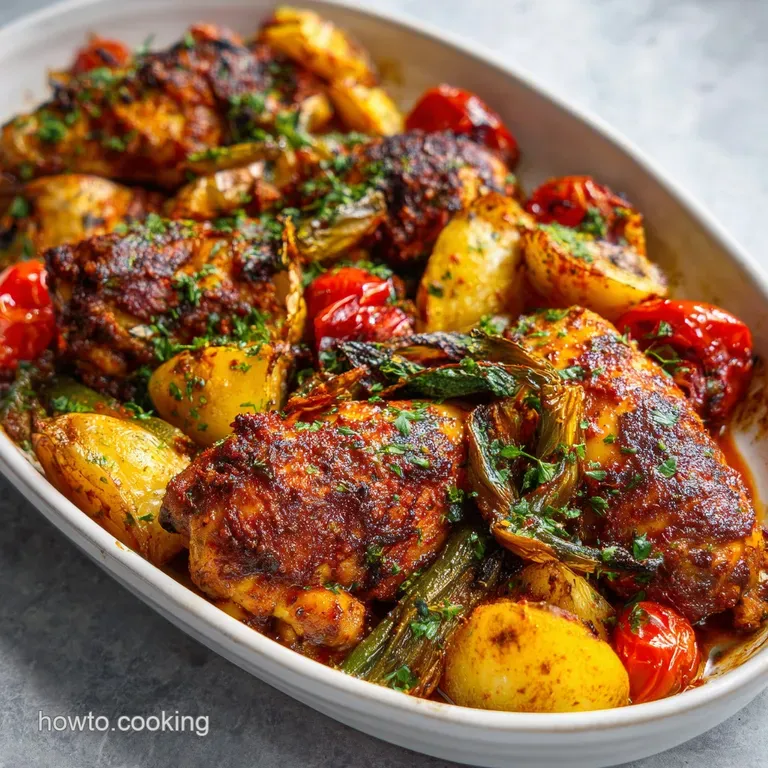
- Preheat your oven to 220°C. If your oven has a convection setting, use it, but drop the temp to 200°C. Note: This helps move dry air around for crispier skin.
- In a large bowl, whisk 30ml harissa, 3 minced garlic cloves, 15ml olive oil, 5g smoked paprika, and 2.5g sea salt.
- Pat the 680g of chicken thighs bone dry with paper towels. Toss them in the marinade, pushing some paste under the skin. Let sit for 10 minutes.
- Arrange the chicken on the sheet pan, leaving at least 3cm of space between each piece.
- Toss the sliced red pepper, red onion wedges, sliced zucchini, and 150g cherry tomatoes in the leftover marinade.
- Scatter the vegetables around the chicken. Roast for 30–35 minutes until the skin is dark red and crackling.
- While the oven does the work, pulse 115g feta, 60g Greek yogurt, lemon zest, and 15ml lemon juice in a food processor until velvety.
- Check the chicken: it should reach an internal temperature of 74°C.
- Remove the tray and let the chicken rest for 5 minutes. This is vital for tenderness.
- Spread a generous dollop of whipped feta on each plate and top with the roasted chicken and vegetables, garnishing with fresh oregano.
On nights when you're craving something lighter or perhaps a different protein, my Fishcakes Stir Fry is another fast favorite that uses similar Mediterranean flavor profiles but with a different technique.
Resolving Texture and Doneness Challenges
The most common issue with a Sheet Pan Meal is the dreaded "soggy vegetable." This usually happens because vegetables like zucchini release a lot of water as they cook. If the oven isn't hot enough, that water pools on the pan instead of evaporating instantly.
By keeping the oven at a steady 220°C, we encourage immediate evaporation, which leads to browning.
Why Your Chicken Skin Is Flabby
If the skin isn't crispy, it's usually due to lingering surface moisture or not enough salt. Salt draws moisture out of the skin, allowing it to fry in the rendered fat. Always pat the meat dry before you start.
Why the Garlic Smells Bitter
Small bits of minced garlic can burn quickly at high temperatures. If you find your garlic is turning black and bitter, try smashing the cloves instead of mincing them. This keeps the garlic "meat" protected by its own structure for longer.
| Problem | Root Cause | Solution |
|---|---|---|
| Burnt Harissa | Sugars in the paste scorched | Move tray to a lower rack in the oven |
| Raw Onions | Wedges cut too thick | Slice onions into 1cm wedges for faster softening |
| Grainy Feta | Not enough liquid/fat | Add a teaspoon of olive oil or warm water while blending |
Common Mistakes Checklist
- ✓ Never use a cold baking sheet; let the oven preheat fully for 20 minutes first.
- ✓ Don't line with silicone mats if you want crispy edges; parchment or bare metal is better.
- ✓ Avoid "low-fat" Greek yogurt in the whipped feta; it will break and become watery.
- ✓ Stop yourself from stirring the vegetables mid roast; they need contact time with the pan to brown.
- ✓ Check your harissa spice level before slathering; brands vary wildly in heat.
Adapting the Recipe for Every Lifestyle
This dish is incredibly flexible. If you're looking for sheet pan meals for weight loss, you can increase the ratio of bell peppers and zucchini while slightly reducing the feta. The high protein content from the chicken and yogurt keeps you satiated, making it a stellar choice for healthy sheet pan meal prep.
If you want to try vegetarian sheet pan recipes, you can easily swap the chicken for thick slices of halloumi or large cauliflower steaks. Keep in mind that halloumi only needs about 15-20 minutes to become golden, so you would add it halfway through the vegetable roasting time.
- If you want a Quick Sheet Pan Sausage and Veggie Dinner: Replace the chicken with pre cooked smoked sausages. They only need 20 minutes, so roast the veggies for 15 minutes first, then add the sausages.
- If you want a High Protein Sheet Pan Meal: Double the chicken and use a larger tray (or two trays) to ensure they still have enough airflow to crisp up.
- If you want a Simple 5 Ingredient Sheet Pan Dinner: Focus on chicken, harissa, onions, tomatoes, and feta. Skip the rest for a stripped back version that still hits the flavor marks.
Maintaining Quality During Storage and Reheating
If you have leftovers, you're in luck. The flavors of the harissa actually deepen overnight. Store the roasted components and the whipped feta in separate containers in the fridge for up to 3 days.
I don't recommend freezing the roasted vegetables, as their cell structure collapses upon thawing, resulting in a mushy texture.
To reheat, avoid the microwave if you want to keep the chicken skin's integrity. Instead, place the chicken and vegetables back on a sheet pan in a 180°C oven for about 10 minutes.
The whipped feta should stay cold; the contrast between the hot chicken and the chilled, tangy cheese is one of the best parts of this dish.
For zero waste, take any leftover red onion or bell pepper scraps and toss them into a freezer bag for future soup stocks. The lemon husks, once juiced, can be dropped into a pot of simmering water with a cinnamon stick to make your kitchen smell like a Mediterranean garden.
Finishing Touches and Elegant Plating Ideas
The beauty of a Sheet Pan Meal is that it can look rustic yet sophisticated. Instead of just piling everything onto a plate, try the "swoosh" technique. Take a large spoonful of the whipped feta and draw it across the plate in a semi circle.
Nestled the roasted vegetables into the curve of the cheese, then place the chicken thigh on top.
Garnish with a heavy hand of fresh herbs. The green of the oregano or thyme against the deep red of the harissa is visually striking. If you want a bit more texture, a sprinkle of toasted pine nuts or some crushed pistachio adds a wonderful crunch that complements the creaminess of the feta.
Finally, don't forget the pan juices! That oil left on the tray is liquid gold. It's infused with garlic, chicken fat, and roasted tomato essence. Drizzle it over the whole plate right before serving to give the dish a professional, glossy finish that tastes as wholesome as it looks.
Your confidence in the kitchen comes from these small, deliberate acts of flavor building. Now, let's get that oven preheated!
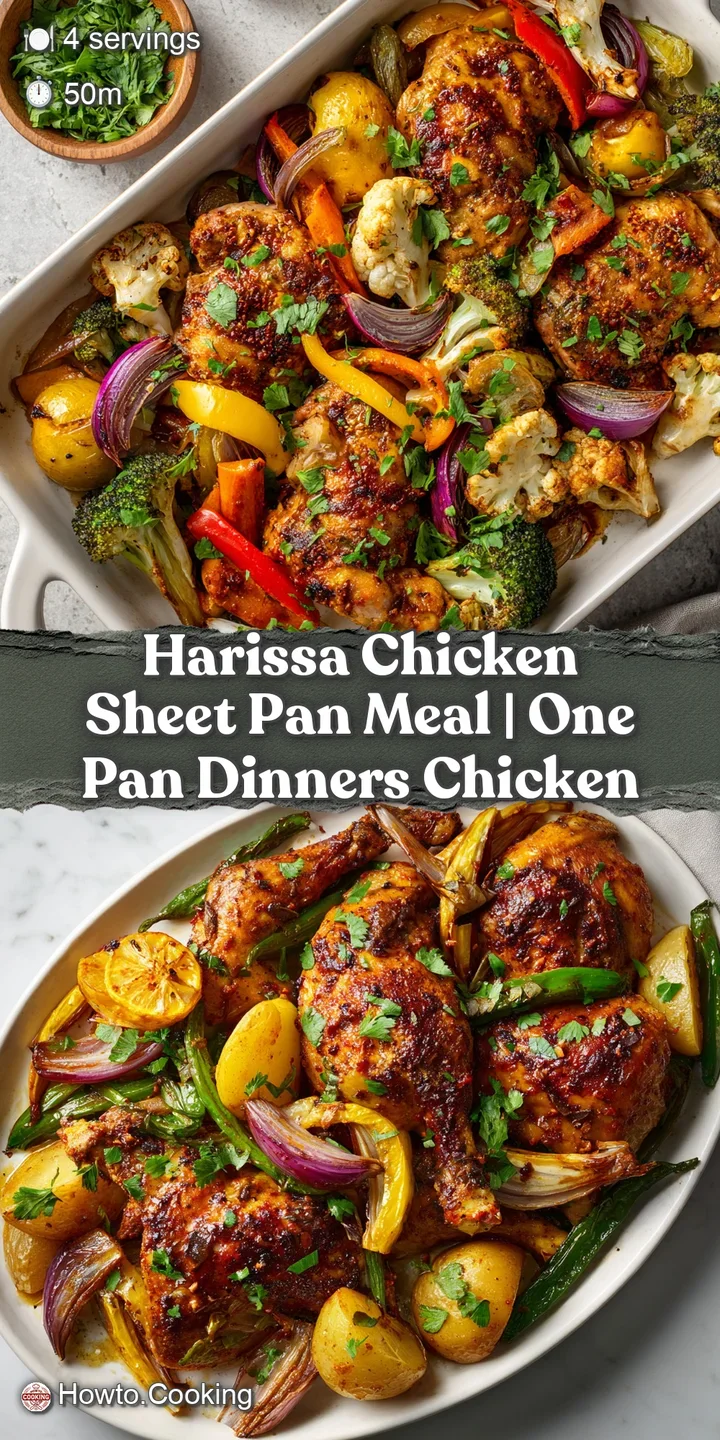
Very High in Sodium
845 mg 845 mg of sodium per serving (37% 37% of daily value)
The American Heart Association recommends limiting sodium intake to no more than 2,300mg per day, ideally striving for less than 1,500mg for most adults.
Tips to Reduce Sodium
-
Choose Lower Sodium Feta-15%
Feta cheese is a significant source of sodium. Look for 'low-sodium' or 'reduced sodium' versions of feta, or rinse regular feta under water to remove some salt before crumbling. This can reduce sodium by about 15%.
-
Opt for Low-Sodium Harissa-10%
Rose Harissa paste can be high in sodium. Seek out a low-sodium or no-salt added version of harissa paste. If unavailable, you may need to slightly increase other seasonings to compensate.
-
Reduce Added Salt-10%
The recipe calls for 1/2 tsp of coarse sea salt. Try reducing this by half or omitting it entirely, especially if your harissa paste or feta is already salty. Taste and adjust seasonings at the end.
-
Maximize Fresh Herbs & Spices
Continue to use fresh oregano or thyme, and don't shy away from flavorful spices like smoked paprika. These add great taste without adding sodium, enhancing the overall flavor profile.
-
Boost Acidity and Aromatics-5%
Emphasize the lemon zest and lemon juice, and ensure the garlic is well distributed. These ingredients provide bright, pungent flavors that can make dishes taste more complex and satisfying, reducing the need for salt.
Recipe FAQs
What is a sheet pan meal?
A sheet pan meal is a single tray cooking method that combines protein and vegetables to roast simultaneously. It streamlines dinner by using high heat to achieve crispy textures on all ingredients while minimizing cleanup.
What are the easiest sheet pan dinners?
The easiest meals focus on ingredients with synchronized cooking times, like this harissa chicken and vegetable blend. If you enjoyed mastering the flavor balancing used here with harissa and lemon, you can easily adapt this technique to other proteins.
Are sheet pan dinners healthy?
Yes, they are generally healthy because they emphasize lean proteins, fresh vegetables, and controlled portions of healthy fats. By roasting instead of frying, you retain more nutrients and natural flavors without needing excess oil.
How long to cook a sheet pan meal in the oven?
Roast your sheet pan meal for 30 35 minutes at 425°F (220°C). You will know it is done when the chicken reaches an internal temperature of 165°F and the vegetables show signs of charring.
How to ensure vegetables don't get soggy?
Space the chicken and vegetables evenly across the baking sheet to allow hot air to circulate freely. Overcrowding the pan causes ingredients to steam in their own moisture rather than roasting properly.
Is it true I must wash the chicken before marinating?
No, this is a common misconception. You should pat the chicken thighs bone dry with paper towels instead, as this ensures the harissa marinade adheres to the skin and helps it crisp up properly in the oven.
How to get the most flavor out of the chicken?
Marinate the chicken in the harissa, garlic, olive oil, and smoked paprika mixture for up to 24 hours in advance. This allows the spice paste to penetrate deeper under the skin, creating a much more savory final result.
Harissa Chicken Sheet Pan Meal
Ingredients:
Instructions:
Nutrition Facts:
| Calories | 488 kcal |
|---|---|
| Protein | 38.6 g |
| Fat | 32.4 g |
| Carbs | 10.8 g |
| Fiber | 2.8 g |
| Sugar | 5.1 g |
| Sodium | 845 mg |
