Healthy Cheesecake: the Guilt-Free High-Protein Lemon Vanilla Baked Classic
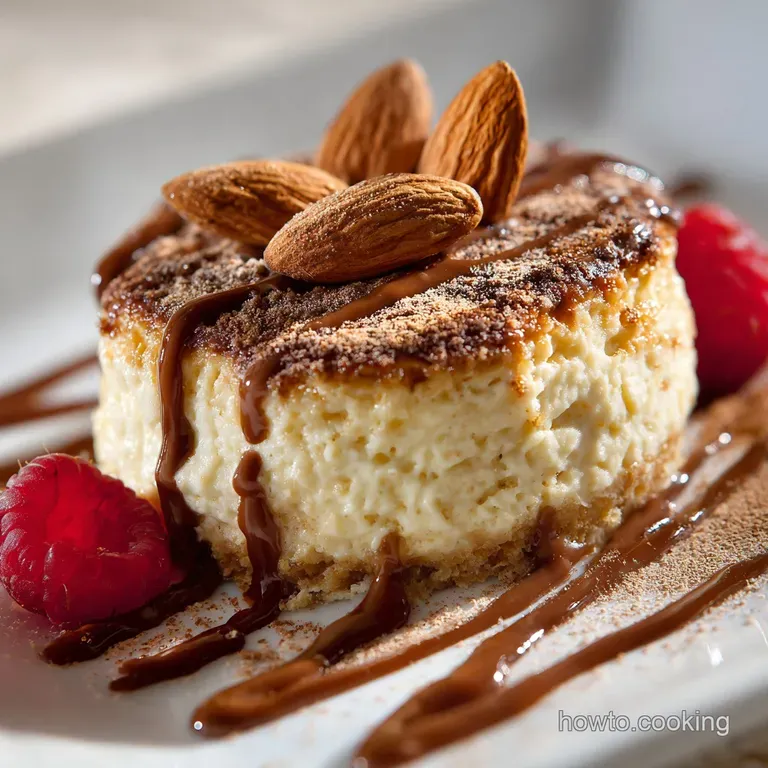
- Introducing the Ultimate Healthy Cheesecake Recipe
- Achieving Creaminess: Why High-Protein Yoghurt is Key
- Essential Ingredients for Your Healthy Cheesecake
- Step-by-Step: Baking Your Lemon & Vanilla Cheesecake
- Troubleshooting: Expert Tips for a Flawless Healthy Cheesecake
- Storing and Preparing Healthy Cheesecake Ahead of Time
- Elegant Pairings for Lemon & Vanilla Cheesecake Slices
- Recipe FAQs
- 📝 Recipe Card
Introducing the Ultimate Healthy Cheesecake Recipe
Can we just talk about the aroma for a minute? Walking into a kitchen where this Healthy Cheesecake is cooling is pure joy it's that warm, intoxicating mix of bright lemon zest, real vanilla, and just toasted graham crackers.
The final texture is impossibly smooth, creamy, and ridiculously satisfying, proving you don't need gallons of heavy cream to achieve dessert perfection. I’m utterly obsessed.
Look, I love classic, New York style cheesecake, but my waistline and blood sugar levels do not. This recipe is a genuine lifesaver because it swaps out tons of saturated fat for high protein Greek yoghurt, giving you that delightful tang and structure without the guilt.
It’s quick to assemble, surprisingly budget friendly, and perfect for when you need a light dessert that still feels like a true indulgence.
I’ve made every mistake in the book with baked cheesecakes, from horrific cracks to sad, watery centres, but I’ve nailed the process now. I’m going to share all my secrets to a flawless, crack free surface and a perfect velvety set.
Get ready to bake the absolute best healthy cheesecake you will ever taste.
Achieving Creaminess: Why High Protein Yoghurt is Key
This recipe isn't just about cutting calories; it’s about swapping out nutritional "empty space" for ingredients that actually benefit you, namely protein. We are using low-fat cream cheese for the necessary structure, but the bulk of the creamy texture comes from thick, strained Greek yoghurt.
This swap drastically reduces the fat content while boosting the protein, which keeps you feeling full longer.
The Guilt Free Way to Enjoy a Baked Classic
The secret to making this feel like a treat, not a sacrifice, lies in the sweetener ratios and the natural acidity. We rely on zero calorie granular blends, adjusting them just enough to complement the lemon and vanilla without tasting saccharine.
This careful balancing act makes the Healthy Cheesecake taste richer than it actually is, allowing you to enjoy a baked classic completely guilt free.
Nutritional Profile: Lower Sugar, Higher Protein
When you ditch traditional sugar and use a quality high protein Greek yoghurt, your dessert profile totally changes. You end up with a dessert that has almost double the protein of a standard slice, with minimal net carbs.
It’s fantastic for those managing blood sugar, or anyone looking to enjoy desserts while sticking to a fitness goal.
Bright Lemon and Warm Vanilla Notes
These two are non-negotiable partners in this flavor profile. The lemon zest isn't just for acidity; the oils in the zest bring a powerful, fresh lift that cuts through the richness of the cheese.
Meanwhile, using a high-quality vanilla extract adds that essential warmth and complexity that stops the cheesecake from tasting too tart. Don't skimp on either ingredient.
Blending low-fat Cream Cheese for the Perfect Set
low-fat cream cheese (often called Neufchâtel in the US) has a higher moisture content than full fat, which is why we must bind it carefully. The key here is room temperature if the cream cheese is cold, it will fight the mixing process, causing lumps and requiring more beating, which introduces air.
Too much air, and boom, you get a beautiful rise followed by a major crack.
The Role of Wholemeal Biscuits in a Sturdy Foundation
I always use wholemeal digestive biscuits or whole grain graham crackers for the crust because they provide a lovely, sturdy foundation without being overly sweet. They also offer a tiny fiber boost, which helps keep this cheesecake firmly in the "healthy" category.
A great crust can handle the density of the protein rich filling perfectly.
Balancing Acidity (Lemon Zest) and Sweetness in the Filling
This is a subtle but essential step. We add a little cornstarch, which works alongside the egg yolks to provide structural integrity. The zest brings the acidity, while the zero calorie sweetener brings the required balance.
If you don't include the zest, the cheesecake can taste heavy and flat, so keep that bright flavour front and center.
Essential Ingredients for Your Healthy Cheesecake
Here is the ingredient lowdown, including my favourite substitutes for when you're caught short (which happens to all of us).
Choosing the Right Wholemeal Biscuit Base
I’m a huge fan of digestive biscuits because they crush easily and soak up the butter beautifully. Remember, you want a fine crumb here.
| Ingredient | My Top Choice | Viable Substitution |
|---|---|---|
| Crust Base | Wholemeal Digestive Biscuits | Rolled Oats (pulse in food processor) OR Almond Flour |
| Crust Fat | Melted Unsalted Butter | Melted Coconut Oil OR Nut Butter (needs slightly more) |
Filling Secrets: Cream Cheese vs. Greek Yoghurt Ratios
The 4:1 ratio of cream cheese to Greek yoghurt is intentional. The cream cheese provides the classic dense texture, and the Greek yoghurt adds the protein and moisture, keeping it light. If you try to use only Greek yoghurt, the texture will be closer to a mousse and won't hold up to slicing.
Chef's Note: If you don't have enough low-fat cream cheese, you can blend plain cottage cheese until completely smooth, then mix it into the remaining cream cheese. The texture is identical once baked!
Approved Swaps for Sweeteners and Extracts
If you are avoiding zero calorie sweeteners, you absolutely can use maple syrup or honey, but be prepared for a slightly different moisture level. You'll need to increase your cornstarch slightly to manage the extra liquid.
| Ingredient | My Top Choice | Viable Substitution |
|---|---|---|
| Sweetener | Erythritol/Monk Fruit Granular Blend | Regular Sugar (use 1/2 amount) OR Maple Syrup (reduce liquid elsewhere) |
| Binder | Cornstarch | Tapioca Flour or 1 Tbsp extra egg white |
| Extract | Vanilla Extract | Vanilla Bean Paste (for stronger flavour) OR Almond Extract (for a nutty twist) |
step-by-step: Baking Your Lemon & Vanilla Cheesecake
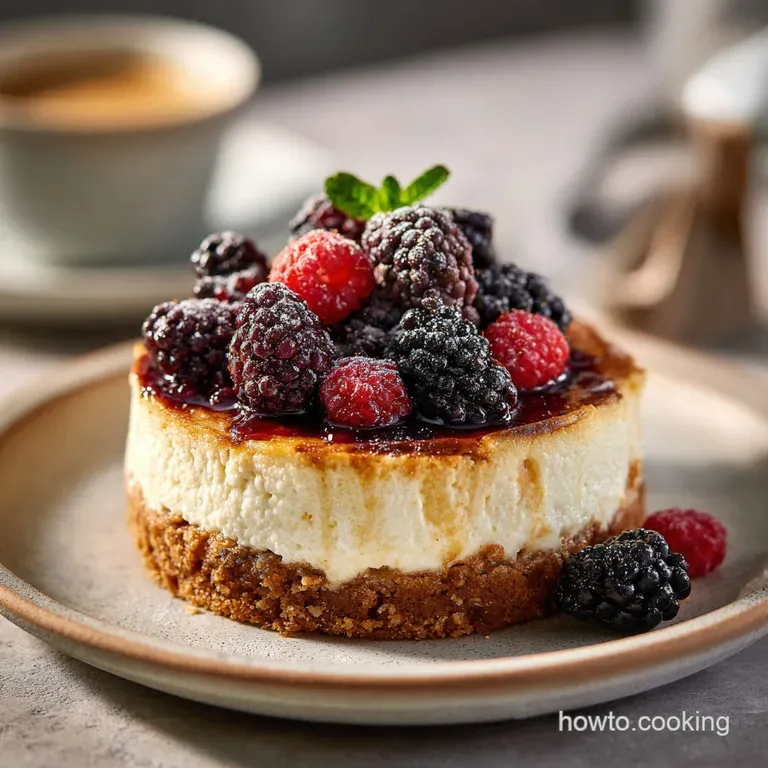
Preparing the Springform Pan and Water Bath
This is the most critical step for a crack free cheesecake! Preheat your oven to a gentle 325°F (160°C). Grab heavy duty aluminium foil and wrap the bottom and sides of your 9 inch springform pan twice .
This foil layer must be completely watertight because we are using a water bath, and soggy crusts are the worst.
Mixing the Base and Pressing into the Pan
In a medium bowl, combine your crushed wholemeal biscuits, granular sweetener, and melted fat (butter or coconut oil). The mixture should resemble wet sand. Press this firmly into the bottom of the prepared pan, using the base of a measuring cup to make it dense and even.
Pop that pan into the freezer while you work on the filling a cold base helps prevent butter from seeping out during the bake.
How to Achieve the Perfect Golden Cheesecake Top
Start by beating your room temperature cream cheese and Greek yoghurt until it is incredibly smooth. Scrape the sides down frequently! Then, add the sweetener, cornstarch, and flavourings.
Finally, add your eggs one at a time, mixing only until the yellow disappears— this takes literally 10 seconds per egg on low speed. Over mixing is a death sentence here.
The Critical Importance of Slow Cooling
Once your filling is poured over the chilled crust and the pan is nestled into the roasting tray, pour boiling water into the tray until it reaches halfway up the foil wrapped sides. Bake for about 60– 70 minutes.
Turn off the oven, prop the door open with a wooden spoon, and leave the cheesecake inside for a full hour. This slow temperature descent is your anti crack insurance policy, preventing the sharp thermal shock that makes cheesecakes weep and break.
Troubleshooting: Expert Tips for a Flawless Healthy Cheesecake
Preventing Cracks: Why the Water Bath is Non-Negotiable
A crack happens when the outside edges cook and set too quickly while the internal centre is still loose, causing tension when it cools. The water bath (or bain marie ) ensures the entire oven is filled with steam, distributing the heat evenly and gently. If you skip the water bath, you will get cracks. Trust me, I’ve tried. If you are baking something else later, you can reuse the warm tray, perhaps for a batch of MakeAhead Thanksgiving Desserts: Easy Pumpkin Pecan Cheesecake Bars !
Avoiding Over Mixing the Protein Rich Filling
I mentioned this, but it bears repeating: stop the mixer as soon as the ingredients are just combined, especially after adding the eggs. Protein rich mixtures like this rely heavily on the eggs for their set.
If you whip them up too much, the filling will puff dramatically in the oven and then collapse drastically when cooling, resulting in a dense, grainy texture and massive cracks. Low and slow is the mantra.
The Jiggle Test: Knowing When Your Cheesecake Is Done
Don't rely solely on the timer; you need to master the jiggle test. Gently nudge the oven rack. The edges of the cheesecake should look set and slightly opaque. The center, about a 2 inch circle, should still wobble like soft gelatin or Jell-O.
If the whole thing is firm, it's overbaked and will definitely be dry and cracked. Pull it out immediately if it passes the jiggle test!
Storing and Preparing Healthy Cheesecake Ahead of Time
Optimal Refrigerator Storage Guidelines
Once completely cool, wrap the cheesecake (still in the pan) tightly with plastic wrap before refrigerating. This prevents the filling from absorbing any strange fridge odors. This Healthy Cheesecake keeps beautifully for up to 5 days in the refrigerator, remaining creamy and fresh.
Best Practices for Freezing Individual Slices
Yes, this freezes amazingly! Allow the cheesecake to chill fully overnight first. Once chilled, cut it into individual slices. Wrap each slice tightly in plastic film, followed by a layer of foil, then place them in a freezer safe container. This prevents freezer burn. It will last 2 3 months this way.
Thawing and Decorating Before Serving
To thaw a slice, simply transfer it from the freezer to the refrigerator overnight. Do not attempt to thaw it on the counter; the rapid temperature change affects the texture. Thawed slices should be decorated just before serving, perhaps topped with a dusting of cocoa powder or fresh berries.
Elegant Pairings for Lemon & Vanilla Cheesecake Slices
This Lemon & Vanilla High Protein Baked Cheesecake is wonderful on its own, but it pairs beautifully with light, fresh toppings. Since the base is so bright, you want toppings that enhance the tartness.
- Fresh Summer Berries: A simple handful of mixed blueberries and raspberries tossed with a tiny squeeze of lemon juice. It's the ultimate light dessert finish.
- Reduced Sugar Compote: A tangy rhubarb or strawberry compote (make sure it's thick, not runny) is heavenly spooned over the top.
- Individual Portions: If you’re hosting, consider baking these into muffin tins for Apple Crisp Mini Cheesecakes: Creamy, Crispy Autumn Dessert Recipe portions, or just serve them alongside a crisp glass of iced tea.
Let’s crack on and get this brilliant dessert chilling!
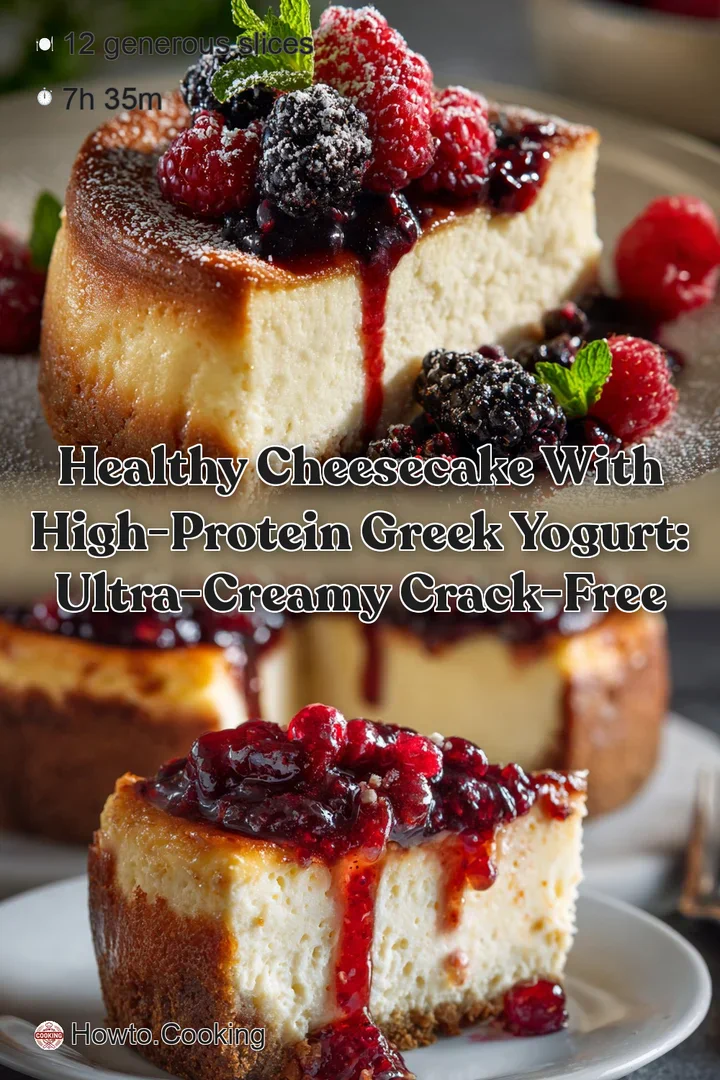
Recipe FAQs
Why did my baked cheesecake crack on top?
Cracking is typically caused by rapid temperature changes or overbaking, which dries out the delicate structure. To prevent this, always bake the cheesecake in a water bath (Bain Marie) and allow it to cool slowly inside the switched off oven for at least 30 minutes before moving it to the refrigerator.
Can I substitute the high protein Greek yogurt with regular yogurt?
No, substituting with regular yogurt is strongly discouraged as it lacks the necessary thickness and protein content, resulting in a much looser, runny filling. This recipe relies on the density of thick Greek yogurt to maintain the creamy, yet stable texture without heavy cream.
How can I make the biscuit base gluten-free?
You can easily replace the wholemeal biscuits with any store-bought gluten-free digestives or graham cracker substitutes. Ensure your binding fat (like melted butter or coconut oil) remains the exact amount specified to maintain the proper base consistency and texture.
How do I know when the cheesecake is fully baked?
The cheesecake is done when the outer 1 to 2 inches look firm and slightly puffed, but the very center still retains a slight jiggle or wobble when gently nudged. Do not wait until the center is completely firm, as residual heat will continue to set the center as it cools completely.
Can I use honey or maple syrup instead of granular sweetener?
While liquid sweeteners can be used, they may slightly alter the texture and add excess moisture, resulting in a softer final product. If you choose to substitute, reduce the overall amount by approximately 25% compared to the granular sweetener specified in the recipe to account for the liquid volume.
Can I freeze leftover slices of this healthy cheesecake?
Yes, baked cheesecakes freeze very well. To store, wrap individual, fully cooled slices tightly in plastic wrap, followed by a layer of aluminum foil, and store for up to two months. Thaw the cheesecake slowly overnight in the refrigerator before serving for the best texture.
Why does my filling taste grainy or separated?
Graininess usually occurs when the cream cheese mixture, particularly after adding eggs, is over mixed at a high speed. Over mixing incorporates too much air, which causes the proteins to seize up and break the emulsion. Mix only until the ingredients are just smooth and combined.
Healthy Cheesecake With Greek Yogurt
Ingredients:
Instructions:
Nutrition Facts:
| Calories | 255 calories |
|---|---|
| Fat | 13.5 g |
| Fiber | 1.5 g |
