The Guiltfree Supper Onepot Healthy Lasagna Soup
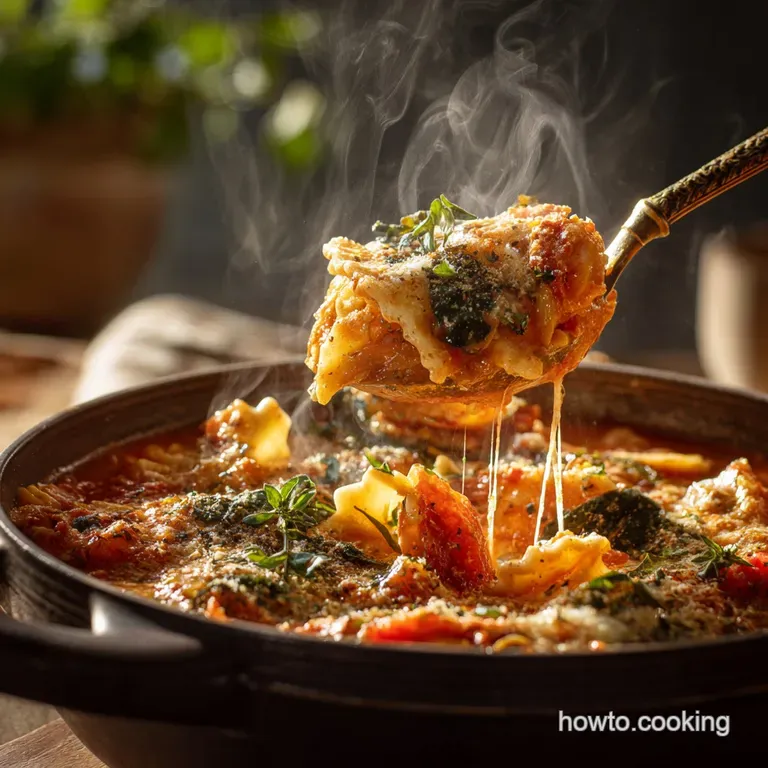
- The Ultimate Weeknight Shortcut to Italian Comfort
- Deconstructing Lasagna: Why Soup Trumps Layers
- Essential Pantry Staples for the Best Healthy Lasagna Soup
- Building a Robust Broth Base: Key Flavor Agents
- Step-by-Step: Mastering the One-Pot Method
- Simmering to Perfection: Achieving the Ideal Noodle Texture
- Troubleshooting & Customization for Your Healthy Lasagna Soup
- Meal Prep Strategies and Smart Storage Solutions
- Recipe FAQs
- 📝 Recipe Card
The Ultimate Weeknight Shortcut to Italian Comfort
There is undeniable magic in a bubbling pot of rich, slow simmered Italian comfort food. However, tackling a full, layered lasagna on a Tuesday night often feels like a bridge too far. This Healthy Lasagna Soup solves that dilemma entirely.
We capture the deep, iconic flavors of slow baked pasta in a streamlined, one-pot process that requires just sixty minutes from start to serving.
This recipe is the perfect answer for busy cooks craving substantial, deeply flavorful nourishment. It delivers the hearty texture and rich tomato complexity you expect from classic lasagna, without requiring hours of prep and baking.
It instantly earns a spot among your favorite Easy Healthy Soup Recipes Clean Eating .
Deconstructing Lasagna: Why Soup Trumps Layers
Traditional lasagna demands careful layering, long baking times, and often results in a dish heavy with excessive fat and saturated cheese. By adopting the soup format, we eliminate structural concerns and focus solely on flavor extraction and efficient cooking.
This method ensures every single spoonful delivers a balanced combination of rich broth, savory meat, and tender noodles.
We trade the heavy, dense structure of a baked casserole for a vibrant, spoonable meal perfect for year round enjoyment. The Healthy Lasagna Soup approach guarantees tender pasta and a perfectly seasoned sauce, every single time.
This is Italian deconstruction at its finest, transforming a weekend project into a weeknight staple.
Achieving Classic Flavor Without the Faff
The authentic taste of classic lasagna hinges on developing a deep, savory foundation, known as the soffritto . We start by sweating diced onions, carrots, and celery, which provides an essential sweetness and aromatic baseline for the final dish.
Following this, the crucial step of blooming the tomato paste ensures that the acidic canned tomatoes take on a rich, cooked complexity.
We use lean ground turkey or beef to achieve a satisfyingly hearty texture without relying on fatty sausage or heavy cheeses for flavor. A splash of balsamic vinegar is introduced to deglaze the pot, contributing a complex tang that dramatically deepens the final broth profile.
This sequence of quick steps effectively mirrors the hours long flavor development of a slow cooked ragu.
The Nutritional Upgrade: Lighter Than Traditional Baked Pasta
This soup is specifically designed to be lighter and more nutrient dense than traditional baked pasta dishes. We utilize low-sodium broth and lean protein, significantly reducing the fat and sodium content typically found in standard recipes.
The resulting dish is an excellent example of Macro Soup Recipes , offering superb fuel without sacrificing comfort.
Boasting over 30 grams of protein per serving, this healthy lasagna soup high protein content is ideal for fitness goals. Its balanced composition makes it a smart choice for those following a weight management plan, positioning it perfectly as a healthy lasagna soup for weight loss .
The generous inclusion of vegetables also boosts the overall fiber content, contributing to sustained fullness.
Essential Pantry Staples for the Best Healthy Lasagna Soup
A truly reliable weeknight meal relies on the consistent quality of core pantry ingredients. Ensure you have high-quality crushed tomatoes, as they form the backbone of the broth and provide the essential texture.
Investing in low-sodium chicken or vegetable broth allows you to control the seasoning, which is paramount in developing a superior final flavor.
Stocking the right dried herbs, specifically Italian oregano and dried basil, is also non-negotiable for that authentic Italian profile. Finally, granulated sugar is a secret weapon; just a teaspoon helps balance the inherent acidity of the large volume of tomatoes.
Keeping these items stocked ensures you are only minutes away from starting this comforting soup.
Building a Robust Broth Base: Key Flavor Agents
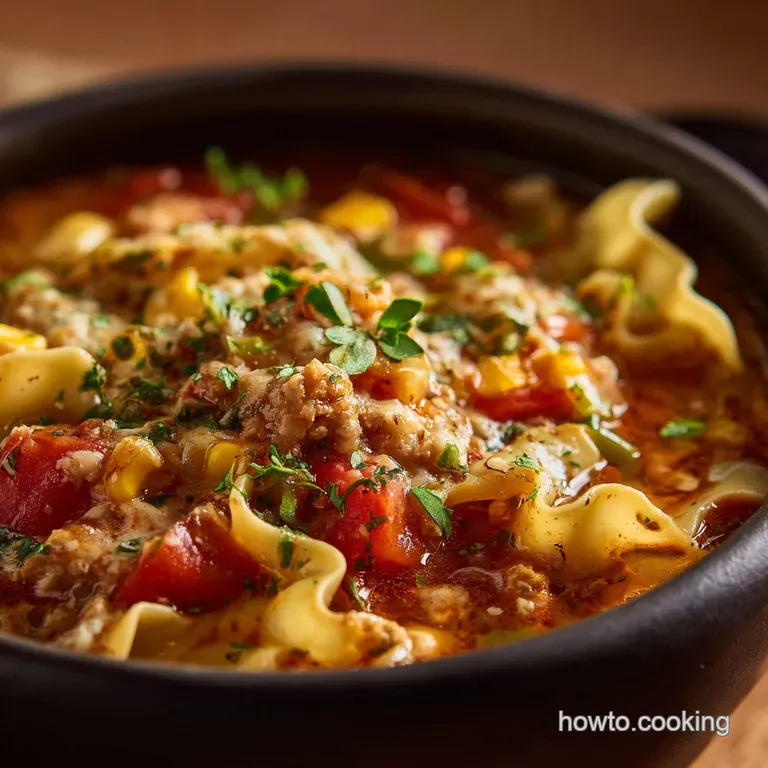
The foundation of any great soup is a dynamic broth, and ours relies on a careful blend of savory, acidic, and sweet components. The base liquid combines six cups of rich broth with one large can of crushed tomatoes, creating substantial volume.
The addition of balsamic vinegar and a touch of sugar works harmoniously to elevate the tomato flavor, making the broth truly shine.
We ensure the initial seasoning of salt and pepper is sufficient after the simmering stage, allowing all the ingredients to marry effectively. This fifteen minute simmer is critical, enabling the aromatics and herbs to fully release their complex oils into the liquid.
The result is a savory, deeply comforting broth that acts as the perfect vessel for the pasta and cheese.
Selecting Lean Protein and Fresh Produce
We opt for lean ground turkey or 93% lean ground beef as the primary protein source for this recipe. These choices offer robust texture and savory depth while keeping the overall fat profile low compared to standard beef or pork sausage. The high protein level contributes to the fantastic satiety of the final soup.
The fresh produce section is dominated by the classic Italian soffritto trio of yellow onion, carrot, and celery. Finely dicing these vegetables ensures they melt seamlessly into the broth as it cooks, thickening the soup naturally.
Fresh spinach is stirred in at the very end, adding a vibrant green hue and a final boost of essential nutrients.
The Right Pasta Shape for Optimal Spoonability
While you can technically use any short pasta, breaking standard lasagna sheets into large, bite sized pieces is the most authentic choice. This method ensures you get the characteristic flat, tender noodle texture that defines the dish.
The irregular shapes also maximize the surface area for the rich tomato broth to cling to.
Avoid over crowding the pot with too much pasta, as it will absorb substantial liquid and rapidly thicken the soup. Using the recommended six to eight sheets ensures the perfect soup-to-pasta ratio for optimal spoonability.
The cooking time should aim for al dente, guaranteeing the noodles are tender but still retain a pleasant bite.
Quick Swaps for dairy-free or gluten-free Needs
Making this recipe accommodating to dietary needs is remarkably simple due to its core ingredients. For a gluten-free soup, simply substitute traditional lasagna noodles with a gluten-free short pasta like fusilli or penne. Alternatively, use specific gluten-free lasagna sheets broken into manageable pieces.
Achieving a dairy-free finish requires a slightly different approach to the topping. Instead of traditional ricotta, you can blend silken tofu with nutritional yeast, lemon juice, and herbs to mimic that creamy, tangy texture.
If you desire a slightly richer finish, full fat Lasagna Soup Recipe With Cottage Cheese blended until smooth offers a superb texture replacement for the ricotta.
Tools You'll Need: From Chopping Board to Stockpot
A large, heavy bottomed Dutch oven or substantial stockpot is the single most essential piece of equipment for this recipe. Its volume is necessary to handle the large quantity of broth and prevent the pasta from sticking to the bottom.
Heavy construction also ensures even heat distribution, which is critical when sautéing the aromatics.
For those looking for efficiency, this recipe can be easily adapted to a healthy lasagna soup crock pot or an healthy lasagna soup instant pot . However, the initial steps of browning the meat and building the soffritto should still be completed on the stovetop for maximum flavor depth before transferring the mixture.
Ensure you have a sharp knife and a sturdy cutting board ready for all the vegetable preparation.
Related Recipes Worth Trying
- Lean Lush Healthy Lasagna Soup OnePot Weeknight Comfort — Forget the faff This high protein Healthy Lasagna Soup delivers deep comfort in one pot Its an easy clean eating recipe perfect for quick weeknights Jolly good
- Healthy Lasagna Soup High Protein OnePot Comfort Ready in 50 Mins — Forget the faff This satisfying Healthy Lasagna Soup delivers all the rich Italian flavour and high protein comfort in one easy pot Finished with creamy...
- Healthy Lasagna Soup Recipe HighProtein Light Weeknight Meal — Forget the faff This satisfying Healthy Lasagna Soup Recipe is highprotein and perfect for quick weeknights We use lean meat and cottage cheese for a light...
step-by-step: Mastering the One-Pot Method
Mastering this recipe relies on a straightforward, logical sequence of additions within the single pot. We begin with the dry, fat-soluble components, building the aromatic base through careful sautéing of the vegetables and browning the meat.
We then transition to the flavorful pastes and dried herbs, allowing them to bloom in the hot oil.
Next, the liquids are added, ensuring the pot is deglazed to incorporate all those caramelized brown bits into the broth. The simmering stage is crucial for merging the flavors before the pasta is introduced, which is always added last to prevent overcooking.
This one-pot method minimizes cleanup while maximizing flavor development at every stage.
Simmering to Perfection: Achieving the Ideal Noodle Texture
Achieving perfection in this soup centers on careful timing, particularly around the pasta. The noodles should be added only after the broth has simmered long enough for the flavors to meld, typically about fifteen minutes.
The pasta then requires consistent stirring during its 8 10 minute cooking time to ensure every piece cooks evenly and prevents clumping.
The goal is to cook the lasagna sheets only until they are perfectly al dente. Since the pasta will continue to absorb liquid as the soup cools, pulling it off the heat slightly early guarantees the best texture, especially if you plan on enjoying leftovers later.
This small attention to detail dramatically elevates the final eating experience.
Sautéing Aromatics for Deep Flavor Foundation
The process begins by gently heating olive oil and introducing the diced onion, carrot, and celery. We "sweat" these aromatics over medium heat for eight to ten minutes, a technique that softens them thoroughly without browning.
This controlled cooking releases their natural sweetness and essential moisture into the oil.
This soffritto base is critical because its rich, subtle flavor profile forms the essential savory anchor for the entire soup. Rushing this stage will result in crunchy vegetables and a less complex final broth.
Once tender, the vegetables provide the perfect canvas for adding the ground meat and building further layers of flavor.
Integrating Tomatoes and Broth to Build Volume
Once the lean ground turkey or beef is thoroughly browned, the pot receives the heavy hitting liquids crushed tomatoes and low-sodium broth. After stirring in the tomato paste and balsamic vinegar, these elements are brought to a quick boil.
Immediately reducing the heat allows the soup to relax into a gentle simmer.
This fifteen minute simmering period is where the volume and depth of the broth truly establish themselves. The gentle heat allows the dried herbs to hydrate fully and infuse the liquid with their fragrant oils. This stage transforms the simple liquids into a rich, complex, and hearty soup base.
When and How to Add the Lasagna Noodles
The perfect time to introduce the broken lasagna sheets is only after the soup base has fully simmered and all seasonings have been adjusted. Dropping the pasta in too early will result in overcooked noodles, or worse, cause them to stick to the bottom of the pot.
Always ensure the broth is at a rolling simmer before introduction.
Add the broken sheets one at a time, spacing them out slightly to prevent immediate clumping. Stir the soup vigorously at the beginning, and then occasionally thereafter, for the next eight to ten minutes. The goal is a tender bite, and the total cook time depends entirely on the thickness of your chosen pasta.
The Final Stir: Incorporating Ricotta Swirl and Finishing Herbs
The final flourish provides the necessary cooling contrast to the hot, rich tomato broth. The ricotta topping, prepared by mixing part skim ricotta with Parmesan, fresh parsley, and seasoning, should be ready and waiting. This creamy mixture is dolloped directly into the center of each hot bowl just before serving.
The blend of fresh parsley and Parmesan cheese brightens the entire dish, cutting through the richness of the tomato and meat. A generous swirl of this topping acts as a flavorful stand-in for the melted cheese layer found in traditional lasagna.
This crucial step delivers the signature texture and mouthfeel that defines this comfort soup.
Troubleshooting & Customization for Your Healthy Lasagna Soup
A truly versatile soup can withstand various culinary experiments and simple fixes. If your final broth is too thin, try letting it simmer uncovered for an extra ten minutes before adding the pasta to allow some liquid reduction.
If the broth seems too thick after the pasta has cooked, a quick splash of hot broth or water will return it to the ideal consistency.
Customization is easy; try incorporating robust flavor boosters like a tablespoon of high-quality pesto into the ricotta for an herbal kick. For those who enjoy heat, increasing the red pepper flakes provides a welcomed spice layer.
Always taste the finished product and adjust the salt or balsamic vinegar until the flavors truly pop.
Meal Prep Strategies and Smart Storage Solutions
This Healthy Lasagna Soup is a phenomenal option for meal preparation, though strategic storage is necessary to preserve the best texture. The biggest challenge with soup containing pasta is the noodles’ tendency to swell and become mushy overnight.
To combat this, slightly undercook the pasta if you know you will be eating leftovers for several days.
Alternatively, cook the pasta completely separately, storing it in its own container, and only add it to individual soup portions when reheating. This method maintains the perfect al dente texture for every future meal.
When planning, factor in the large yield; this recipe comfortably provides six generous and filling servings.
Creative Vegetable Additions (Squash, Zucchini, Spinach)
To boost the nutritional profile further, integrating extra vegetables is simple and highly recommended. Diced zucchini or yellow squash can be added directly alongside the carrots and celery during the initial soffritto stage. These softer vegetables will fully tenderize as the broth simmers.
For a richer, deeper flavor, consider sautéing finely diced mushrooms with the ground meat. Remember that the spinach should always be added right at the end of the cooking process, requiring only a minute or two to perfectly wilt into the hot liquid. This ensures maximum vitamin retention and vibrant color.
How to Thicken or Thin the Broth Consistency
If you find the broth is thinner than desired, perhaps because you used a broth with a higher water content, a simple fix exists. Remove two cups of the broth, stir in two tablespoons of cornstarch mixed with a splash of cold water, and pour the slurry back into the simmering soup.
This will thicken the base immediately.
Conversely, if the soup has become too dense overnight due to pasta absorption, simply add more low-sodium broth or water when reheating. Start with half a cup and gradually add liquid until the soup reaches your preferred ladle ready consistency. Proper consistency ensures a satisfying and traditional soup experience.
Freezing, Reheating, and Shelf Life
For long term storage, this Healthy Lasagna Soup freezes beautifully, provided you are mindful of the pasta. If you plan to freeze the entire batch, freeze the soup base before adding the lasagna noodles.
When ready to serve, thaw the soup and cook fresh pasta directly in the reheated broth.
Stored in an airtight container, soup with the pasta already cooked will last safely in the refrigerator for three to four days. When reheating, use the stovetop over medium heat to avoid scorching the bottom.
Freezing soup with the pasta included can still be done, but expect the noodles to be significantly softer and less defined upon thawing.
Understanding the Nutritional Breakdown of This Healthy Lasagna Soup
The intentional ingredient choices in this recipe yield a satisfying nutritional profile, perfect for health conscious diners. Each serving delivers approximately 380 to 400 calories, depending on the specific brand of broth and the lean percentage of the meat used.
The high protein content, clocking in at 30 to 32 grams, is truly remarkable for a comfort dish.
On top of that,, the soup contains a healthy dose of fiber from the vegetables and whole wheat pasta (if used). By prioritizing low-sodium ingredients and controlling the fat through lean ground turkey, we successfully transform a notoriously heavy meal into a truly nourishing and guilt free supper.
This recipe proves that exceptional flavor and smart nutrition can coexist harmoniously.

Recipe FAQs
How do I store leftovers without the pasta turning into mush?
To keep things shipshape, store the soup base and the ricotta topping separately in airtight containers for up to four days. If you plan on a large batch for leftovers, your best bet is to cook the soup base entirely, but keep the pasta separate and boil up what you need just before serving.
Is this Healthy Lasagna Soup suitable for gluten-free diets?
Absolutely! Swap the standard lasagna sheets for your preferred gluten-free pasta (rice or lentil based work well), ensuring you check the packet instructions, as their cooking times can vary wildly from the standard variety.
My soup is far too thick after cooking did I mess up the recipe?
Not at all; the pasta is a thirsty beast! If the soup has thickened into something closer to a stew (either immediately after cooking or when reheating), simply stir in an extra splash of broth or water until you reach your desired consistency just remember to re-season the liquid slightly.
I’m not a fan of ricotta, are there any decent alternatives for the topping?
You’re not alone! A fantastic alternative is full fat cottage cheese blended until perfectly smooth with an immersion blender to mimic that creamy texture, or try a dollop of high-quality, whole milk Greek yoghurt mixed with Parmesan.
Can I batch cook this and freeze it for future convenience?
Yes, but freezing cooked pasta often results in a rubbery texture, so treat the pasta like a guest who arrives late to the party; freeze the soup broth base (without the noodles) for up to three months, then add the lasagna pieces fresh when you reheat the batch.
Healthy Onepot Lasagna Soup
Ingredients:
Instructions:
Nutrition Facts:
| Calories | 1894 kcal |
|---|---|
| Protein | 29.1 g |
| Fat | 17.3 g |
| Carbs | 130.1 g |
| Fiber | 35.3 g |
| Sodium | 882 mg |
