Healthy Thanksgiving Recipe with Roasted Turkey
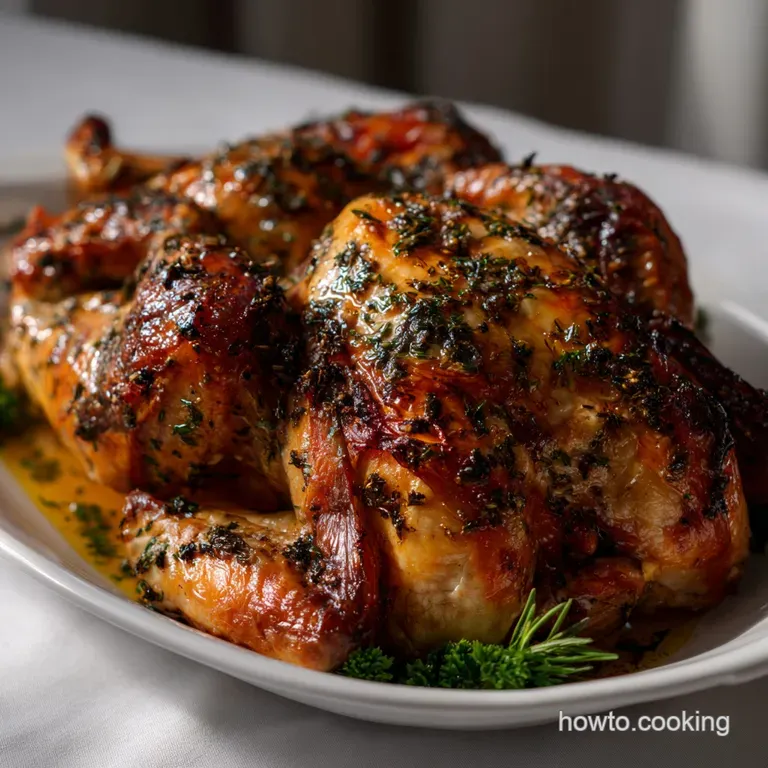
- Time: Active 30 minutes, Passive 1 hour 20 mins, Total 1 hour 50 mins
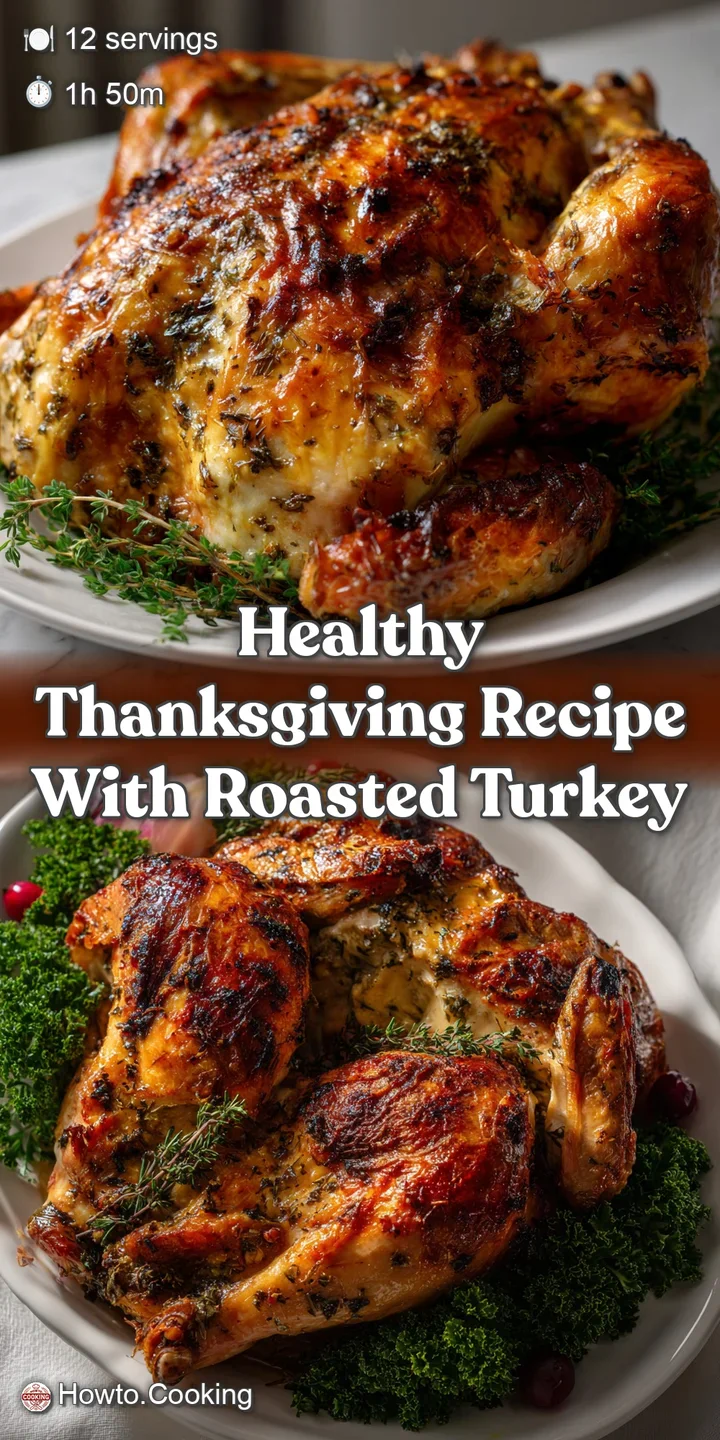
- Flavor/Texture Hook: Shatter crisp skin with silky, herb infused meat
- Perfect for: Stress free holiday hosting or clean eating celebrations
- Healthy Thanksgiving Recipe with Roasted Turkey
- Science of the Perfect Roast
- Essential Component Analysis
- Wholesome Ingredients and Substitutions
- Kitchen Tools for Success
- Step-by-Step Cooking Instructions
- Solving Common Roasting Problems
- Creative Variations and Flavor Profiles
- Storage and Reducing Food Waste
- Expert Carving and Presentation
- Holiday Roasting Myths
- Recipe FAQs
- 📝 Recipe Card
Healthy Thanksgiving Recipe with Roasted Turkey
Nothing beats the sizzle of a turkey hitting a hot roasting pan. That sound is the first promise of a holiday meal done right. If you have ever stared at a dry, pale bird and wondered where things went wrong, you are not alone. Most of us grew up with turkeys that were basically giant blocks of sawdust.
We're changing that today. We want flavor that sinks deep into the bone and skin that cracks like parchment paper.
This approach is about confidence in the kitchen. We aren't hiding behind sticks of butter or heavy creams. Instead, we use high-quality fats and fresh aromatics to let the bird shine. It’s a wholesome way to celebrate without feeling weighed down by the end of the meal.
Trust me, once you try this method, the old way of roasting a whole bird will seem like a distant, slightly soggy memory.
Right then, let's get into the details. We are focusing on a 13 pound bird, which is the sweet spot for flavor and manageable cooking times. We'll be using a technique called spatchcocking. If you've never done it, don't worry. It sounds technical, but it just means we are flattening the bird.
This ensures everything cooks evenly, so the breast doesn't dry out while you're waiting for the legs to finish. Ready? Let's crack on.
Science of the Perfect Roast
When we cook a turkey, we are managing a complex series of chemical changes. Understanding these helps you stay in control of the outcome.
- Maillard Reaction: This is the chemical reaction between amino acids and reducing sugars that gives the skin its golden brown color and complex flavor. It begins in earnest around 285°F.
- Protein Denaturation: As the meat heats up, proteins uncoil and then tighten, squeezing out moisture. By stopping exactly at 165°F, we catch the proteins before they tighten too much and become "stringy."
- Thermal Conductivity: Spatchcocking increases the surface area exposed to heat. This allows the oven's energy to reach the center of the meat faster, preventing the exterior from overcooking while the interior catches up.
- Enzymatic Breakdown: Letting the bird rest after cooking allows the muscle fibers to relax. This lets the juices, which were pushed to the center by heat, redistribute for a velvety texture.
Chef's Note: I once made the mistake of carving a turkey right out of the oven because I was in a rush. All the juice ended up on the cutting board, and the meat was like cardboard. Give it 20 minutes to rest; it’s the most important step!
Essential Component Analysis
Selecting the right elements is vital for a wholesome meal. We want ingredients that provide maximum impact with minimal processing.
| Component | Science Role | Pro Secret |
|---|---|---|
| Coarse Sea Salt | Denatures proteins to trap moisture. | Use Diamond Crystal for better surface coverage. |
| Extra Virgin Olive Oil | Conducts heat and helps browning. | Bertolli works well for over high heat roasting. |
| Fresh Rosemary | Releases oils that penetrate the fat. | Bruise the leaves before mincing to release scent. |
| Garlic Paste | Adds sulfurous depth to the skin. | Grate it on a microplane so it melts into the oil. |
Wholesome Ingredients and Substitutions
This list focuses on "Clean Eating Thanksgiving" standards. We use fresh herbs and low sodium stocks to keep the sodium levels in check while maximizing the herbal notes.
- 1 (13 lb) Whole Turkey: The star of the show. Why this? It’s large enough to feed a crowd but small enough for even heat.
- 2 tbsp Coarse Sea Salt: Essential for the dry brine.
- 1 tsp Cracked Black Pepper: Adds a bite to the skin.
- 0.25 cup Extra Virgin Olive Oil: Our healthy fat source. Why this? It has a higher smoke point than butter and offers heart healthy fats.
- 2 tbsp Fresh Sage: Finely minced.
- 2 tbsp Fresh Rosemary: Finely minced.
- 2 tbsp Fresh Thyme: Finely minced.
- 4 cloves Garlic: Grated into a paste.
- 1 tsp Smoked Paprika: For a hint of color and wood smoke flavor.
- 2 Large Onions: Thickly sliced for the roasting bed.
- 3 Large Carrots: Cut into chunks.
- 3 Stalks Celery: Cut into chunks.
- 1 cup Low Sodium Vegetable Stock: Keeps the pan drippings from burning.
| Original Ingredient | Substitute | Why It Works |
|---|---|---|
| Extra Virgin Olive Oil | Avocado Oil | Higher smoke point; very neutral flavor. |
| Vegetable Stock | Chicken Bone Broth | Adds more collagen and protein to the drippings. |
| Smoked Paprika | Ancho Chili Powder | Adds a darker color and a mild, fruity heat. |
Kitchen Tools for Success
You don't need a professional kitchen, but a few specific tools make this "Healthy Thanksgiving Turkey" much easier to manage. I recommend using a heavy duty Lodge Roasting Pan because it distributes heat evenly and won't warp at high temperatures.
For the spatchcocking, a pair of sharp kitchen shears is non negotiable. Don't try to use a knife; it's dangerous and inefficient. Finally, an instant read thermometer like a ThermoPro Digital Thermometer is your insurance policy against a dry bird. If you're looking for a creamy side to go with this, you can even use a Homemade Heavy Cream recipe to whip up some lighter mashed potatoes using milk and a little ingenuity.
Precision Checkpoints
- Weight: Ensure your turkey is exactly 13 lbs (thawed) for these timing instructions.
- Temperature: The thickest part of the thigh must hit 165°F.
- Resting: Set a timer for 20 minutes before you even touch a knife for carving.
step-by-step Cooking Instructions
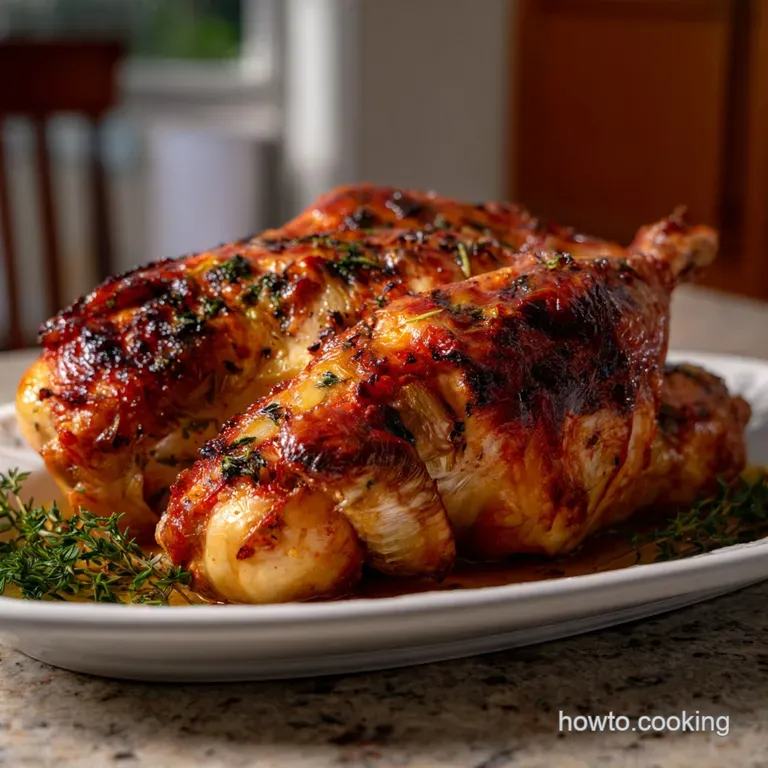
Preparing Your Bird
- Remove the backbone. Using kitchen shears, cut along both sides of the turkey's spine. Remove the bone and save it for stock later.
- Flatten the turkey. Flip the bird over so the breast is up. Press down hard on the breastbone with the heels of your hands until you hear a crack. The bird should now lie flat.
- Dry the skin. Pat the turkey extremely dry with paper towels. Note: Moisture is the enemy of crispy skin.
Applying the Herb Rub
- Mix the paste. In a small bowl, combine the Extra Virgin Olive Oil, garlic paste, sage, rosemary, thyme, salt, pepper, and smoked paprika.
- Season under the skin. Gently loosen the skin over the breast and thighs. Rub about half of the herb paste directly onto the meat.
- Coat the exterior. Rub the remaining paste all over the skin, ensuring every nook and cranny is covered.
Roasting to Perfection
- Build the aromatic bed. Place the onions, carrots, and celery in the bottom of your roasting pan. Pour in the 1 cup of vegetable stock.
- Position the turkey. Lay the flattened turkey directly on top of the vegetables. The vegetables act as a natural roasting rack.
- Roast the bird. Place the pan in a preheated 450°F oven. Roast for 1 hour 20 mins until the skin is dark mahogany and the juices run clear.
- Rest and carve. Move the turkey to a cutting board. Let it sit for 20 minutes before carving into slices.
Solving Common Roasting Problems
Even with the best "Healthy Thanksgiving Menu Ideas," things can go sideways. The key is to stay calm and use these quick fixes.
Why Your Turkey Skin Is Pale
If the skin looks soft and white after 45 minutes, your oven might be running cold, or there was too much moisture on the skin. The Fix: Increase the heat by 25°F or turn on the convection fan if you have one.
Quick Fix Table
| Problem | Cause | Fix |
|---|---|---|
| Darkening too fast | Sugar in rub burning | Tent the breast loosely with foil. |
| Smoky kitchen | Pan drippings burning | Add 1/2 cup of water to the pan. |
| Meat is tough | Under rested | Let it sit for an extra 10 minutes. |
Oven vs Stovetop (Comparison)
While you can't cook a whole 13 lb turkey on the stove, some people try to "steam roast." Here is why the oven wins for this recipe.
| Feature | Oven Roasting | Stovetop Searing (Parts) |
|---|---|---|
| Skin Texture | Shatter crisp and even | Often greasy or uneven |
| Hand off Time | Completely passive | Requires constant flipping |
| Flavor Depth | High (Maillard reaction) | Moderate |
Creative Variations and Flavor Profiles
One of the best things about "Healthy Recipes For Thanksgiving" is how easy they are to customize. You don't have to stick to the standard herb profile if you want something different.
Adding a Citrus Twist
Mix the zest of two lemons and one orange into the herb rub. The citric acid helps break down the surface proteins, leading to an even thinner, crispier skin. It also provides a bright contrast to the "Clean Eating Thanksgiving" aromatics.
For a Spicy Kick
Add a teaspoon of chipotle powder or crushed red pepper flakes to the rub. This pairs beautifully with the smoked paprika and gives the bird a southwestern flair that is unexpected but very welcome.
- Mediterranean
- Replace the sage with dried oregano and add lemon juice to the stock.
- Traditionalist
- Double the sage and rosemary for that classic "stuffing" aroma.
- Garlic Lover
- Increase the garlic paste to 6 cloves.
Storage and Reducing Food Waste
Don't let those leftovers go to waste! A 13 pound turkey provides plenty of meat for the days following the big meal.
- Storage: Store sliced meat in an airtight container in the fridge for up to 4 days. You can also freeze it for up to 3 months. To keep it moist, pour a little bit of the pan juices over the meat before sealing.
- Zero Waste: That backbone we removed? Don't toss it. Simmer it with the leftover veggie scraps (onion skins, carrot tops) for 4 hours to make a rich, liquid gold turkey stock.
- Reheating: To avoid drying it out, reheat the meat in a covered dish with a splash of stock at 300°F until just warmed through.
Expert Carving and Presentation
Presentation is half the battle when serving a "Healthy Thanksgiving Turkey." Since the bird is already flat, carving is actually much easier than with a traditional whole roast.
Start by removing the legs and thighs. Since we spatchcocked it, they should practically fall off with one clean cut through the joint. Next, remove the wings. For the breast, I like to cut the entire breast halves off the bone first, then slice them crosswise.
This ensures every slice has a beautiful strip of that crispy skin.
Arrange the meat on a platter surrounded by the roasted carrots and onions from the pan. For a complete feast, this turkey pairs beautifully with a Mom s Tater recipe if you want a classic side, or keep it light with a simple green salad.
Holiday Roasting Myths
Let's clear up some common misconceptions that often ruin "Healthy Thanksgiving Turkey Recipes."
- Basting is necessary: False. Opening the oven door to baste actually drops the temperature and lets moisture escape, which prevents the skin from getting crispy. The fat in the skin is all the "basting" you need.
- You must rinse the turkey: Please don't. Rinsing the bird just spreads bacteria around your sink. Patting it dry with paper towels is safer and more effective for cooking.
- Stuffing the bird is better: Actually, stuffing a turkey slows down the cooking and often results in overcooked meat. Cook your dressing on the side for better texture and safety.
Roasting a turkey doesn't have to be a high stress event. By using science backed techniques like spatchcocking and dry brining, you can create a centerpiece that is both wholesome and incredibly flavorful.
Remember, the goal is a meal that makes you feel good both while you're eating it and long after the plates are cleared. Enjoy the process, trust your thermometer, and have a wonderful holiday!
If you're still looking for ways to round out your menu, consider how you might use leftovers. If you have extra milk, you can learn How To Make recipe into a quick cream sauce for a post Thanksgiving turkey pot pie. It’s all about working smarter in the kitchen!
Recipe FAQs
What is the primary benefit of spatchcocking the turkey for this healthy recipe?
Yes, it is crucial. Spatchcocking flattens the bird, which significantly increases the surface area exposed to heat, allowing the turkey to cook faster and more evenly than a traditional roast.
Can I substitute butter for the olive oil in the herb rub to boost browning?
No, stick with the oil. While butter adds flavor, olive oil is recommended here for its higher smoke point, which helps achieve that shatteringly crisp, healthy skin without burning the fresh herbs.
How long must the turkey rest after removing it from the oven?
A minimum of 20 minutes is required. This resting period allows the muscle fibers to relax and redistribute the juices throughout the meat, ensuring maximum tenderness before carving.
Is it safe to prepare the herb rub several days in advance?
Yes, you can prepare the rub up to 3 days ahead. Storing the paste in an airtight container allows the essential oils from the rosemary and sage to fully infuse the fat base before application.
What temperature should I aim for on the instant read thermometer?
The internal temperature must reach 165°F. This target is critical because proteins begin to denature and seize up past this point, squeezing out moisture and resulting in dry meat.
What can I do with the backbone and vegetable scraps?
Simmer them to make stock. Do not discard the backbone; simmering it with the roasted vegetable scraps creates a rich, flavorful bone broth, demonstrating excellent zero waste cooking principles we also use when mastering rich sauces like our Buffalo Sauce Recipe: Proper Buttery Classic Homemade Sauce.
If I am seeking a rich, creamy side dish for this healthy bird, what is a good pairing?
Consider a high protein dessert replacement. If you want something decadent but still health conscious to balance the meal, try making our Healthy Cheesecake: The Guilt Free High Protein Baked Classic as a surprisingly light finish.
Healthy Roasted Turkey Recipe
Ingredients:
Instructions:
Nutrition Facts:
| Calories | 568 kcal |
|---|---|
| Protein | 79.4 g |
| Fat | 24.2 g |
| Carbs | 3.8 g |
| Fiber | 1.1 g |
| Sugar | 1.4 g |
| Sodium | 945 mg |
