Valentines Food Idea with Heart-Shaped Pasta
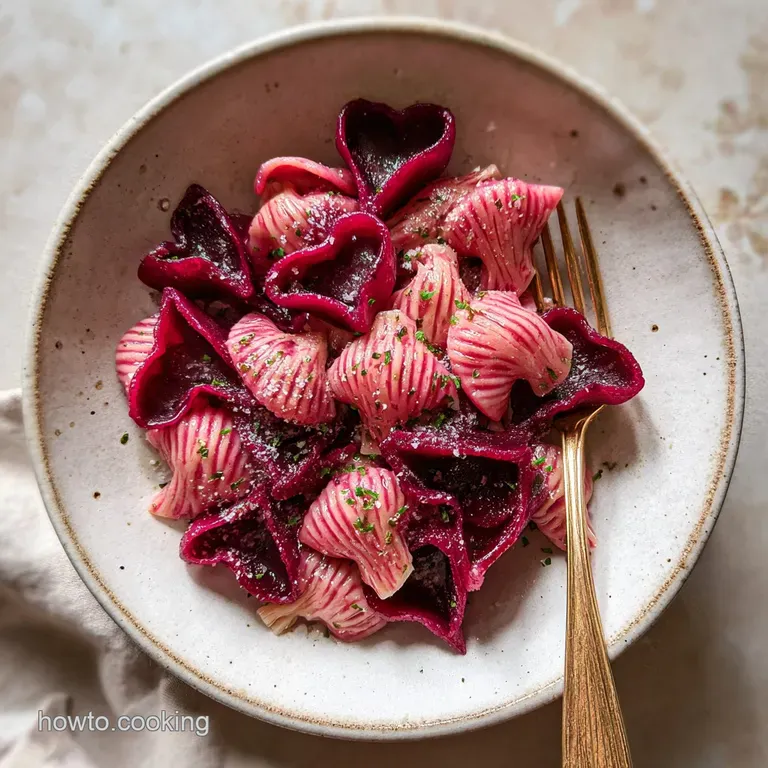
- Time: Active 45 minutes, Passive 15 minutes, Total 1 hour
- Flavor/Texture Hook: Silky beet pasta with a nutty, brown butter crunch
- Perfect for: A romantic date night or a special family celebration
- Creating a Stunning Valentines Food Idea with Heart Shaped Pasta
- The Chemistry of Color and Texture Success
- Sourcing the Finest Elements for Your Table
- Essential Tools for Handcrafted Pasta Hearts
- Step by Step Guide to a Flawless Dinner
- Navigating Common Roadblocks in the Process
- Adaptations for Dietary Needs and Flavor Profiles
- De Bunking Common Homemade Pasta Secrets
- Preserving Freshness and Reducing Kitchen Waste
- Curating the Perfect Accompaniments for Your Table
- Recipe FAQs
- 📝 Recipe Card
Honestly, I used to think making pasta from scratch was something reserved for Italian grandmothers with infinite patience. I tried it once years ago, ended up with a kitchen covered in flour and hearts that looked more like blobs.
But then I figured out the secret: it’s all about the hydration balance and giving the dough a proper rest.
This Valentines Food Idea with Heart Shaped Pasta creates an irresistibly cute and delicious dish perfect for sharing. We aren't just making dinner here; we are creating a vibrant, magenta hued centerpiece that tastes even better than it looks.
The earthiness of the beets plays so well against the salty Pecorino and the velvety goat cheese.
You don't need a fancy machine to make this happen, though a rolling pin and a simple cookie cutter definitely help. We are going to walk through how to get that signature "blush" color without the dough becoming a sticky mess.
Trust me, once you see your partner's face when you bring a bowl of bright pink hearts to the table, you’ll never go back to the boxed stuff for Valentine's Day.
Creating a Stunning Valentines Food Idea with Heart Shaped Pasta
The beauty of this recipe lies in the structural integrity of the dough. We are using Type 00 flour because its fine grind allows for a much smoother texture than standard all purpose flour. This creates a pasta that feels like silk on the tongue but still has enough bite to hold its shape after being cut into hearts.
Protein Denaturation: When we knead the dough, we are aligning the gluten proteins to create a strong, elastic web that traps the moisture from the beet puree. Starch Gelatinization: As the pasta hits the boiling water, the starches swell and set, ensuring your hearts don't dissolve or lose their crisp edges during the transition from pot to plate.
| Ingredient | Science Role | Pro Secret |
|---|---|---|
| 200g Type 00 Flour | Provides the gluten structure | Weigh it for accuracy; volume varies too much |
| 100g Beet Puree | Acts as the primary hydrator | Strain it through a fine mesh to avoid lumps |
| 1 Egg | Binds the fats and proteins | Use room temperature for easier emulsification |
By straining the beet puree, we ensure that the pigment is evenly distributed throughout the dough. This prevents "freckling," which happens when larger chunks of beet fiber stay in the mix. The result is a consistent, deep ruby color that stays vibrant even after cooking.
If you find that your dough feels a bit too dry during the kneading process, resist the urge to add water immediately. Just like when making our Egg Noodles recipe, the dough needs time for the flour to fully hydrate before you can judge the true texture.
The Chemistry of Color and Texture Success
I learned the hard way that beets can be temperamental. If you boil them, you lose half the color to the water. Roasting is the only way to go because it concentrates the sugars and keeps the pigment intense.
This natural dye, called betalain, is sensitive to pH levels, which is why we add a splash of lemon juice to the sauce later to keep the colors from turning dull or brown.
Chef's Tip: Freeze your high fat butter for 10 minutes before adding it to the pan for the sauce. This slows down the melting process, allowing the milk solids to toast more evenly without the fat burning.
| Feature | Stovetop Method | Oven Roasting (Beets) |
|---|---|---|
| Speed | Fast, but risks scorching | Slower, about 45 minutes |
| Flavor Profile | Basic and clean | Deep, caramelized, and sweet |
| Texture | Softer, higher moisture | Concentrated and jammy |
Adding a tiny pinch of espresso powder to the beet puree might sound wild, but it’s an old trick to deepen the earthy notes of the root vegetable without making it taste like coffee. It provides a savory baseline that makes the goat cheese topping pop. This logic is similar to how we balance flavors in our How to Make recipe for shrimp pasta.
Sourcing the Finest Elements for Your Table
When shopping, look for the smallest beets you can find. They tend to be sweeter and have less of that "dirt" flavor that some people find off putting. For the butter, don't just grab the cheapest stick.
A high fat European butter (like Kerrygold) has less water, which means your brown butter sauce will be foamier and much more fragrant.
- 200g Type 00 Flour: Why this? The fine powder creates a more tender, refined pasta crumb.
- 100g Roasted Beet Puree: Why this? Concentrated color and natural sweetness without excess water.
- 115g Unsalted High fat Butter: Why this? Higher milk solid content leads to better browning.
- 60g Soft Goat Cheese: Why this? Provides a creamy, tangy contrast to the sweet beets.
- 50g Pecorino Romano: Why this? Adds a sharp, salty punch that cuts through the fat.
If you can't find Type 00 flour, you can use all purpose, but the pasta will be slightly chewier. For the cheese, if Pecorino is too salty for your taste, Parmesan is a great middle ground. It won't have the same bite, but it melts beautifully into the sauce.
| Original Ingredient | Substitute | Why It Works |
|---|---|---|
| 200g Type 00 Flour | All Purpose Flour | Similar protein levels, but slightly coarser texture |
| 60g Goat Cheese | Ricotta Cheese | Provides creaminess. Note: Lacks the tang of goat cheese |
| 40g Hazelnuts | Walnuts | High fat content and great crunch when toasted |
Another trick for the sauce is to use the pasta water strategically. Because we used Type 00 flour, the water will be extra starchy. This starch acts as a natural emulsifier, helping the butter and lemon juice cling to the hearts instead of just sliding off to the bottom of the bowl.
Essential Tools for Handcrafted Pasta Hearts
You don't need a kitchen full of gadgets, but a few specific items make this much easier. A digital scale is non negotiable for me. Pasta is a game of ratios, and "one cup of flour" can weigh anything from 120g to 160g depending on how you scoop it.
- Digital Kitchen Scale: For measuring the flour and puree precisely.
- Fine Mesh Strainer: To ensure the beet puree is silky smooth.
- Rolling Pin: A heavy wooden one helps apply even pressure.
- Heart Shaped Cookie Cutter: Ideally 3cm to 5cm in width.
- Large Pasta Pot: You need plenty of room for the hearts to swim.
- Wide Skillet: For tossing the pasta in the brown butter sauce.
If you don't have a heart cutter, you can technically use a knife to hand cut triangles and pinch the tops, but it’s a lot of work. A cheap set of metal cutters is a solid investment for holidays.
Also, make sure your skillet is large enough to hold all the pasta at once; crowding the pan leads to broken hearts, and nobody wants that on Valentine's Day.
step-by-step Guide to a Flawless Dinner
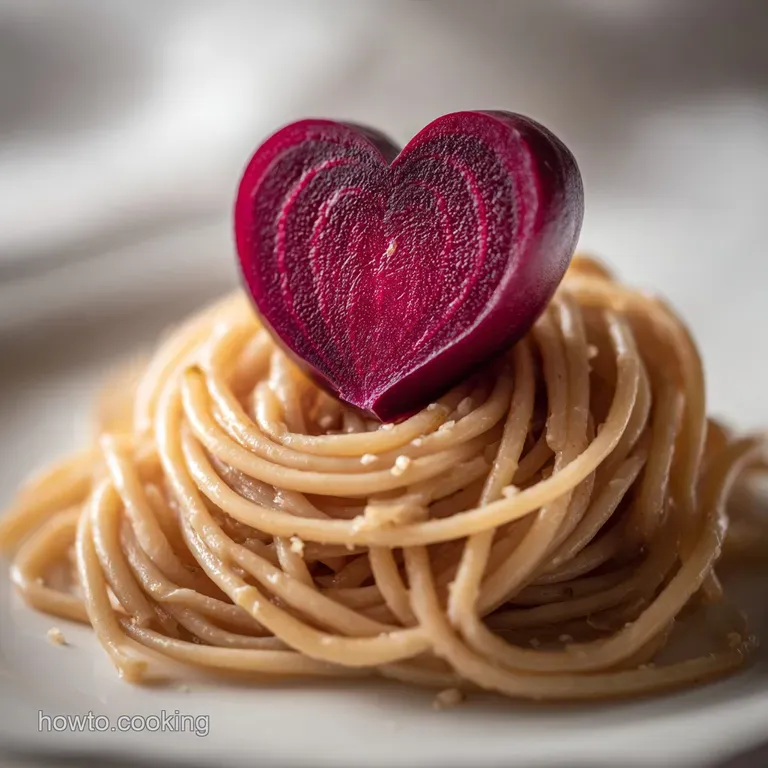
We are going to move through this in a logical flow. First, we build the dough, then we let it rest while we prep the sauce components. The actual cooking of the pasta happens in a flash, so you want your "mise en place" (everything in its place) ready before the hearts hit the water.
- Puree the beets. Blend your roasted beets until liquified, then press through a strainer to get exactly 100g of smooth liquid.
- Mix the dough. Create a flour mound with the 200g Type 00 flour, make a well, and add the beet puree, 1 egg, and 0.5 tsp salt. Note: Mixing with a fork first prevents a "lava leak" of puree across your counter.
- Knead for 10 minutes. Work the dough until it is smooth, elastic, and bounces back when poked.
- Rest the dough. Wrap it tightly in plastic for 30 minutes at room temperature. Note: This relaxes the gluten so the hearts don't shrink when cut.
- Roll the sheets. Divide the dough and roll it out until you can almost see the grain of the wood through it (about 1.5mm).
- Cut the shapes. Use your heart cutter to stamp out the pasta, placing them on a floured tray.
- Brown the butter. Melt 115g butter in a skillet over medium heat until it smells like toasted hazelnuts and turns golden brown.
- Fry the sage. Add 10 sage leaves to the butter for 1 minute until they are crisp and translucent.
- Boil the hearts. Drop the pasta into salted boiling water for 3 minutes until they float and feel tender firm (al dente).
- Emulsify and serve. Toss the pasta into the butter with 1 tbsp lemon juice and a splash of pasta water, then top with 50g Pecorino, 40g hazelnuts, and 60g goat cheese.
When you're tossing the pasta in the skillet, be gentle. Fresh pasta is more delicate than dried. Use a swirling motion with the pan rather than aggressive stirring with a spoon. You want to see the sauce turn slightly opaque and creamy as the starch and fat combine.
Navigating Common Roadblocks in the Process
The biggest issue people run into with beet pasta is the dough being too sticky. This usually happens if the beets weren't roasted long enough, leaving too much raw moisture in the puree. If the dough sticks to your rolling pin, don't panic. Just dust it with a little extra flour and keep moving.
Why Your Hearts Are Tearing
If the pasta is falling apart in the water, it usually means the dough wasn't kneaded enough. Kneading develops the gluten structure that acts like a skeleton for the pasta. Without it, the heart just turns into mush. Make sure you hit that 10 minute mark, even if your arms get tired.
| Problem | Root Cause | Solution |
|---|---|---|
| Dough is gummy | Excess moisture in puree | Add flour 1 tablespoon at a time during kneading |
| Color turns brown | Oxidation or high pH | Add lemon juice to the sauce to stabilize the red pigment |
| Pasta is tough | Under rested dough | Ensure a full 30 minute rest to relax gluten |
Why Your Brown Butter is Bitter
If the butter goes from "nutty" to "burnt" in the blink of an eye, it’s likely your heat was too high. Brown butter happens fast. The moment you see those little brown specks at the bottom of the pan, pull it off the heat. The residual heat of the pan will finish the job.
If you find yourself in a situation where the sauce is too thick, similar to what can happen with a Beef and Rotini recipe, just whisk in an extra tablespoon of pasta water. The heat from the water will loosen the fats and restore that silky texture.
Adaptations for Dietary Needs and Flavor Profiles
While the beet and goat cheese combo is a classic, you can definitely play around with the fillings and flavors. If you aren't a fan of goat cheese, a dollop of fresh ricotta mixed with lemon zest provides a similar creaminess without the "funk."
Decision Shortcut: If you want a richer flavor, use only egg yolks instead of a whole egg. If you want a vegan version, use 150g of puree and skip the egg, adding a bit more flour as needed.
If you want more texture, double the toasted hazelnuts and crush them finer.
For a different vibe, try swapping the sage for fresh mint. It sounds strange, but mint and beets are a match made in heaven, especially when paired with the saltiness of the Pecorino. If you're looking for a heavier, creamier sauce, you might take inspiration from a Dreamy Garlic Cream recipe and add a splash of heavy cream to the brown butter.
De Bunking Common Homemade Pasta Secrets
One of the biggest myths is that you need to add olive oil to your pasta water to keep the shapes from sticking. This is actually counterproductive! The oil coats the pasta and prevents the sauce from sticking to it later. All you need is a large pot of water and plenty of salt.
Another common misconception is that "fresh is always better." While fresh pasta is amazing for this Valentines Food Idea with Heart Shaped Pasta, it doesn't have the same "chew" as high-quality dried pasta. Fresh pasta is meant to be silky and delicate.
If you want something with a very firm bite, you might actually prefer a store-bought heart shaped pasta cooked perfectly al dente.
Finally,, don't believe the idea that you have to use a pasta machine. While it saves effort, a rolling pin gives you much more control over the thickness of the dough. I actually prefer rolling by hand for heart shapes because I can keep the dough slightly thicker, which helps the "lobes" of the heart stay distinct during boiling.
Preserving Freshness and Reducing Kitchen Waste
Fresh pasta is best eaten immediately, but life happens. If you have leftovers, store them in an airtight container in the fridge for up to 2 days. To reheat, don't use the microwave; it will make the pasta rubbery. Instead, toss it back into a warm skillet with a tiny splash of water to loosen the butter sauce.
- Fridge: 2 days (cooked), 24 hours (raw dough)
- Freezer: 3 months (uncooked shapes)
Zero Waste Tip: Don't throw away the scraps of dough left over after cutting out your hearts! Bundle them up, roll them out again, or just cut them into irregular ribbons (maltagliati). They might not be heart shaped, but they taste just as savory.
You can also save the beet greens if you bought whole beets; sauté them with garlic and olive oil for a quick side dish.
Curating the Perfect Accompaniments for Your Table
Since this dish is quite rich with the butter and cheeses, you want to serve it with something bright and acidic. A simple arugula salad with a lemon vinaigrette is my go to. The peppery greens cut right through the heavy European butter.
- 1. Dough Weight
- Ensure the final dough ball weighs roughly 310-320g.
- 2. Water Salinity
- Use 10g of salt per liter of boiling water.
- 3. Sauce Temp
- Do not let the brown butter exceed 125°C or it will taste acrid.
I also love serving this with a crusty piece of sourdough to mop up every last drop of that brown butter. If you're feeling fancy, a chilled glass of Rosé or a light Pinot Noir complements the earthiness of the beets beautifully.
This meal is all about the balance of visual "wow" factor and deep, comforting flavors. Once you master the dough, you'll find yourself looking for any excuse to make "heart pasta" all year round!
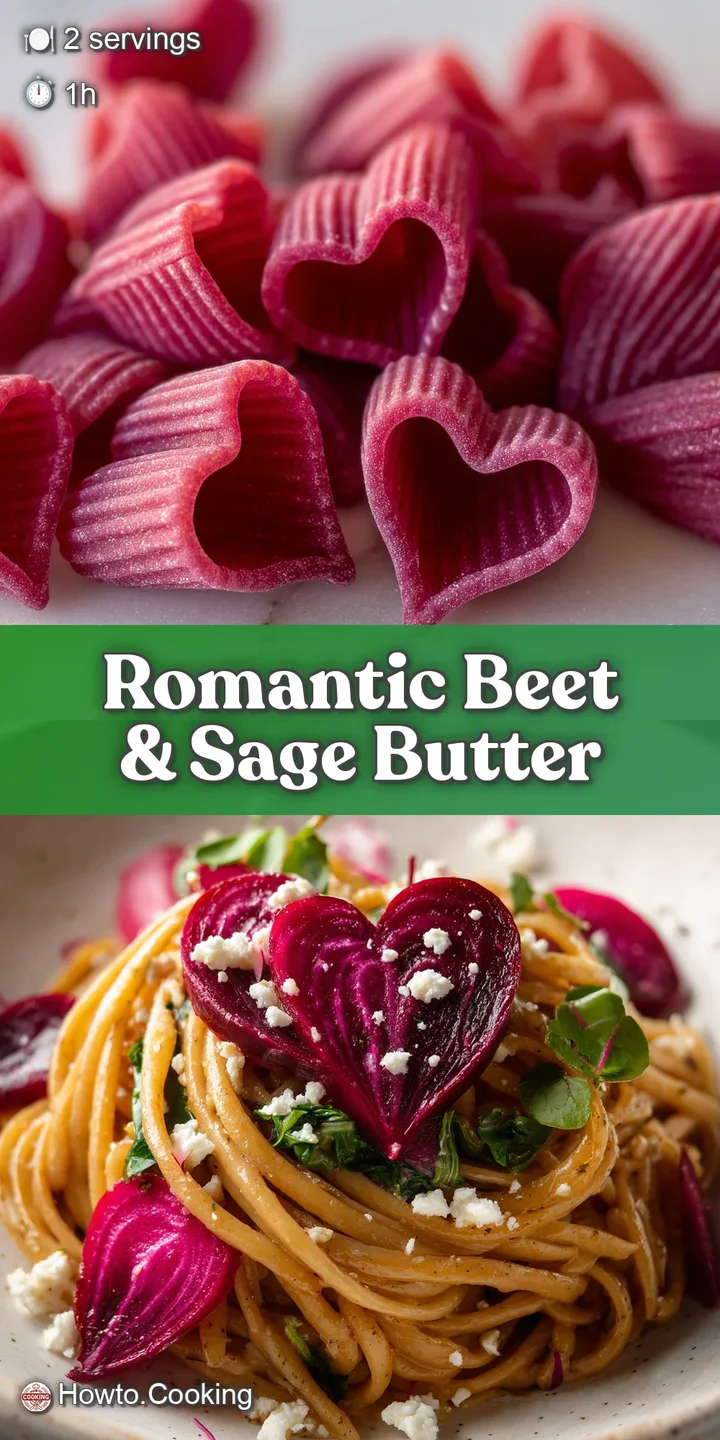
Recipe FAQs
Can I use all-purpose flour instead of Type 00 for the heart pasta dough?
Yes, with a slight texture difference. All-purpose flour will result in a slightly chewier pasta compared to the silkier texture of Type 00. Just ensure you weigh it for accuracy.
How do I prevent my beet pasta dough from becoming too sticky?
Roast your beets thoroughly to reduce moisture. Excess water in the beet puree is the primary culprit for sticky dough. If it still feels too wet during kneading, add flour one tablespoon at a time.
What's the secret to getting vibrant color in my heart shaped pasta?
Roast your beets instead of boiling them. Roasting concentrates the natural beet pigment (betalain) and sugars, ensuring a deep, rich color. Straining the puree also helps distribute the color evenly.
My brown butter sauce turned bitter. What went wrong?
The heat was likely too high. Brown butter happens quickly. The moment you see specks of brown, remove the pan from the heat; the residual heat will finish toasting without burning.
What is the best way to cook fresh heart shaped pasta?
Boil gently in generously salted water for about 3 minutes. Fresh pasta cooks very quickly; they are ready when they float to the surface and feel tender firm (al dente). Use a large pot to prevent sticking.
My pasta hearts are tearing when I try to cut them. What should I do?
Knead the dough sufficiently and allow it to rest. Proper kneading develops gluten for structure, and resting relaxes it so it doesn't shrink or tear when cut. Aim for 10 minutes of kneading and a 30-minute rest.
Can I make this Valentines Food Idea with Heart Shaped Pasta ahead of time?
Yes, the dough can be made up to 24 hours in advance and chilled. Uncooked heart shapes can also be frozen for up to 3 months on a floured tray before being transferred to an airtight container.
Heart Pasta Valentines Idea
Ingredients:
Instructions:
Nutrition Facts:
| Calories | 1138 kcal |
|---|---|
| Protein | 29.3g |
| Fat | 75.7g |
| Carbs | 85.8g |
| Fiber | 5.5g |
| Sugar | 6.2g |
| Sodium | 1015mg |
