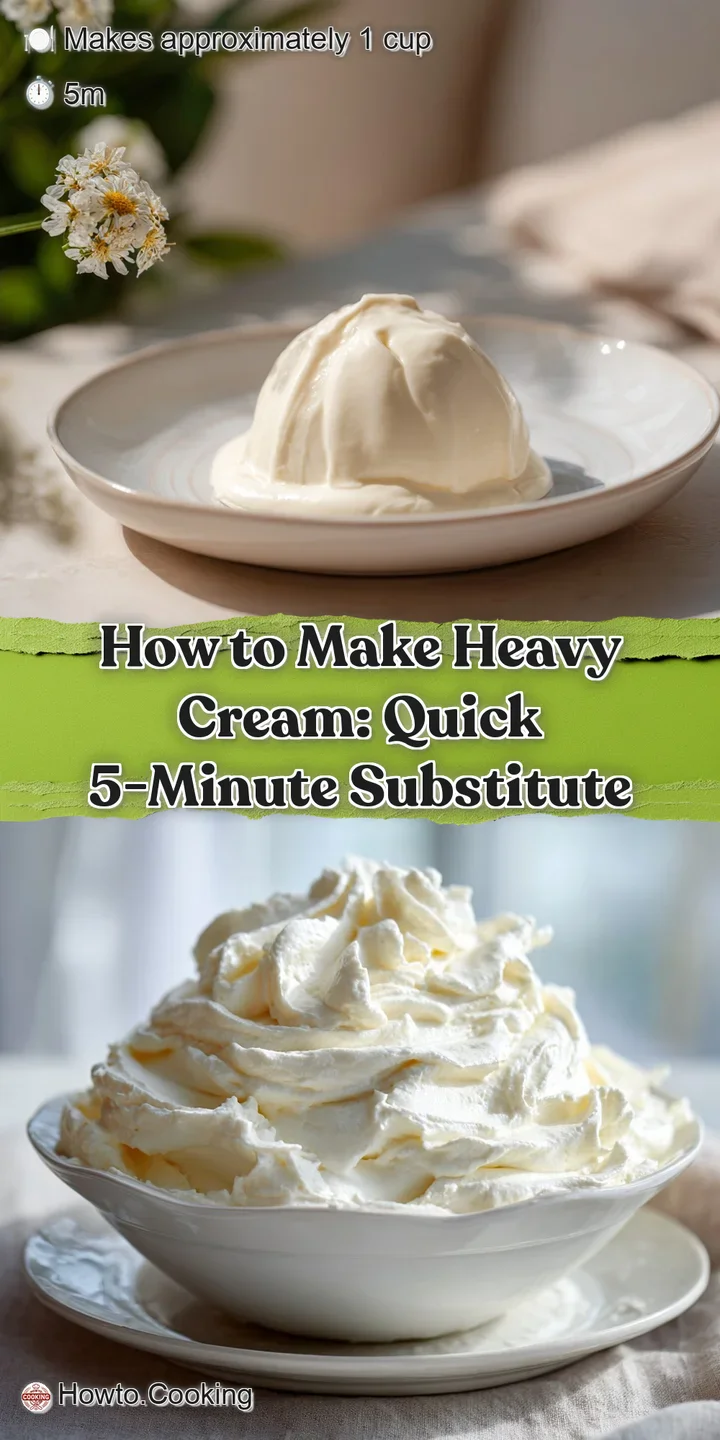
Heavy Cream Recipe: Silky Milk Emulsion
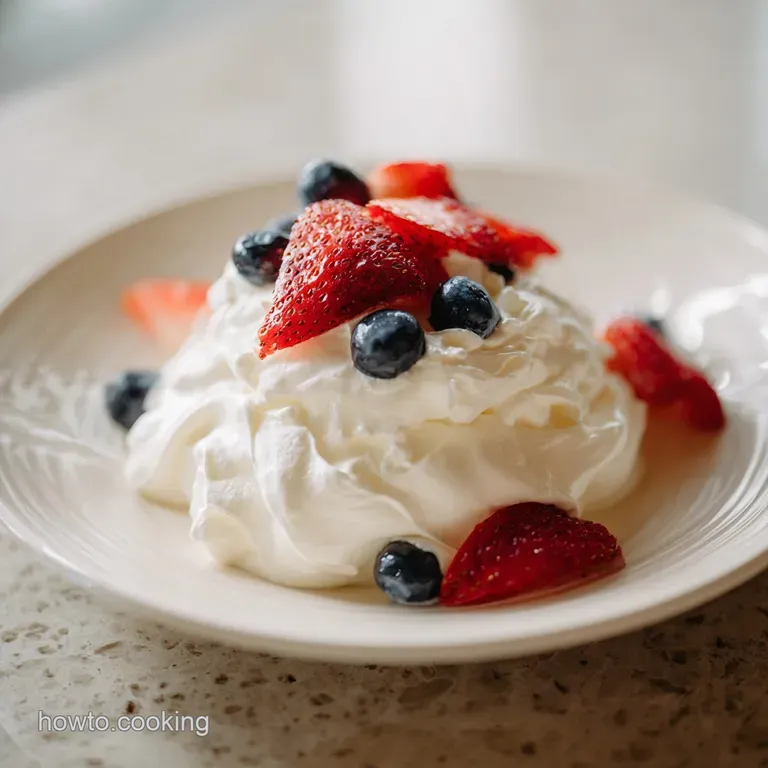
- Time: Active 2 minutes, Passive 3 minutes, Total 5 minutes
- Flavor/Texture Hook: Silky and buttery liquid base
- Perfect for: Emergency cooking, savory pan sauces, or enriching morning coffee
- Master This Simple Heavy Cream Recipe
- Why This Emulsion Works
- Component Analysis
- Required Ingredients and Substitutes
- Minimal Equipment Needed
- The Quick Cooking Process
- Fixes for Common Problems
- Scaling for Large Groups
- Kitchen Myths Exposed
- Storage and Leftover Ideas
- Serving and Pairing Suggestions
- Recipe FAQs
- 📝 Recipe Card
Master This Simple Heavy Cream Recipe
I’ve been there halfway through a velvety vodka sauce when I realize the heavy cream in the back of the fridge has turned. The panic is real, but honestly, you don't need to run to the store. The first time I tried this hack, I was skeptical. I figured it would just be oily milk.
But as the butter hit the warm milk and I whisked like my dinner depended on it, the liquid transformed into something beautifully thick and golden.
It’s about understanding that heavy cream is essentially just milk with a higher fat content. By reintroducing that fat through unsalted butter, we’re reconstructing the building blocks of the ingredient. You won't get the same airy peaks you’d expect from a How to Make recipe for whipped cream, but for every other culinary need, it’s a lifesaver.
We’re keeping things simple today. No fancy emulsions or high tech gear required. Just a small saucepan, a whisk, and five minutes. This method gives you the confidence to keep cooking even when your pantry fails you, ensuring your family meals stay wholesome and flavorful without any unnecessary stress.
Why This Emulsion Works
Creating a successful heavy cream substitute depends on the science of fat in-water emulsions. When we melt butter, we are releasing fat globules that need a "home" within the milk’s water structure.
- Fat Reintegration: Butter contains about 80% milkfat, which, when combined with whole milk, brings the total fat percentage up to the 36-40% range found in heavy cream.
- Casein Stability: The proteins in the milk act as a natural bridge between the water and the added butterfat, preventing the mixture from separating immediately.
- Viscosity Control: Heat allows the butter to liquefy completely, ensuring that once you whisk, the fat is broken down into tiny droplets that stay suspended.
- Optional Binding: Using a tiny amount of flour or sugar provides extra solids that help thicken the texture and mimic the "cling" that real cream has on the back of a spoon.
Right then, before we get into the nitty gritty of the ingredients, let's look at how the prep method changes the final result. Depending on your kitchen setup, you might find one way works better for your workflow.
| Method | Time | Texture | Best For |
|---|---|---|---|
| Stovetop | 5 minutes | Silkier, more stable | Pan sauces and soups |
| Microwave | 2 minutes | Thinner, faster | Coffee or quick baking |
| Blender | 1 minutes | Most integrated | Cold applications |
Using the stovetop is my personal preference because it allows you to control the heat. You don't want the milk to boil; you just want it warm enough to welcome the melted butter without a thermal shock that could lead to curdling.
Component Analysis
Since the fat content is the star here, starting with Homemade Butter From recipe can really change the richness of your final cream. It adds a depth of flavor that store-bought options sometimes lack.
| Ingredient | Science Role | Pro Secret |
|---|---|---|
| Unsalted Butter | Primary Lipid Source | Use European style butter for 2% higher fat content |
| Whole Milk | Protein/Water Base | Ensure it is at room temp to prevent the butter from seizing |
| All Purpose Flour | Emulsion Stabilizer | Toast it slightly in the butter for a nuttier flavor |
Each of these components plays a specific role in mimicking the texture we're after. While the flour is optional, I highly recommend it if you’re making a savory cream for a casserole or a pasta sauce. It acts as a safety net for the emulsion.
Required Ingredients and Substitutes
To get this right, you need to follow the ratios precisely. This isn't a recipe where you want to eyeball the measurements, as too much butter will leave you with an oily mess, and too little will just be "extra thick milk."
- 1/3 Cup (75g) Unsalted Butter: Provides the necessary fat. Why this? It contains the exact lipids needed to reach 36% fat concentration.
- 3/4 Cup (180ml) Whole Milk: The liquid base. Why this? Lower fat milks won't have enough protein to hold the emulsion.
- 1 Tablespoon All Purpose Flour: Optional for savory use. Why this? Prevents separation when the cream hits high heat in sauces.
- 1 Teaspoon Confectioners' Sugar: Optional for desserts. Why this? Adds a hint of sweetness and helps thicken the liquid.
| Original Ingredient | Substitute | Why It Works |
|---|---|---|
| Unsalted Butter (1/3 cup) | Ghee (1/3 cup) | Higher fat content; adds a nutty/toasted flavor profile |
| Whole Milk (3/4 cup) | Half and Half (3/4 cup) | Already partially emulsified; results in an even thicker cream |
| Whole Milk (3/4 cup) | Soy Milk (Full fat) | High protein content helps mimic dairy stability. Note: Flavor changes slightly. |
A little trick I learned: if you only have salted butter, just omit any extra salt the main recipe calls for. It won't ruin the cream, but it does limit you to savory dishes. Honestly, don't even bother with low-fat or skim milk here; the lack of protein and fat makes the mixture far too unstable.
Minimal Equipment Needed
You don't need a pantry full of gadgets to pull this off. In fact, a simple small saucepan and a sturdy whisk are your best friends. If you want a truly velvety finish, a small handheld milk frother is a secret weapon that creates a much tighter emulsion than hand whisking ever could.
Chef's Tip: Freeze your butter for 10 minutes before you start. Grating the cold butter directly into the warm milk allows it to melt almost instantly and distribute the fat more evenly than melting a whole stick.
If you are a busy cook, you probably have a small glass measuring cup. You can actually do the whole process in that one cup using a microwave, but you lose a bit of the texture control. I find the saucepan method keeps the milk from "skinning" over, which is a total texture killer.
The Quick Cooking Process
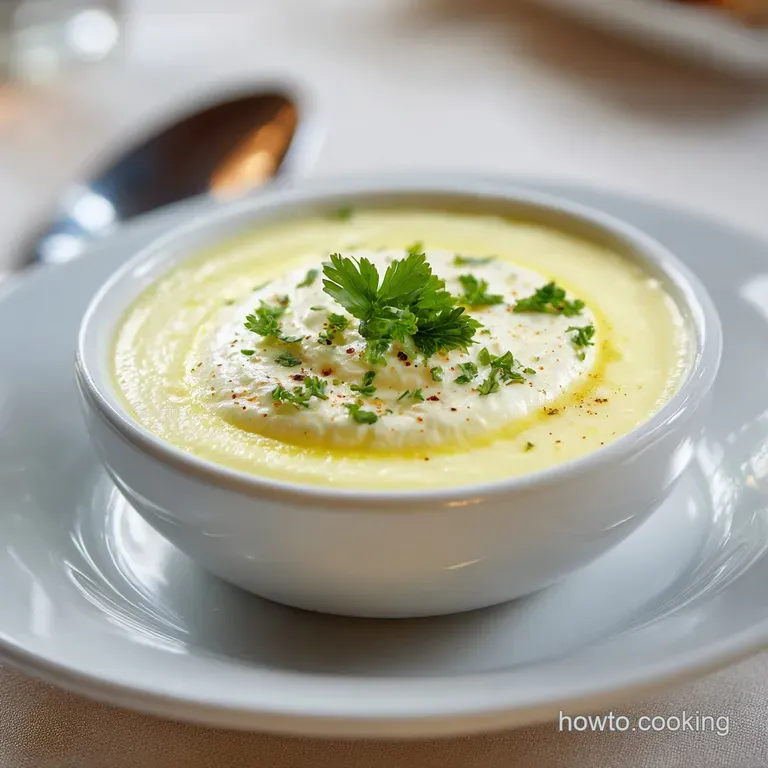
Let's crack on with the steps. The goal here is a gentle integration of fat and liquid. If you rush the heat, you'll end up with separated oil floating on top.
- Melt the fat. Place the 1/3 cup of unsalted butter in a small saucepan over low heat. Note: Do not let it brown.
- Whisk in stabilizer. If using flour for a savory sauce, whisk it into the melted butter for 1 minute until it smells slightly nutty.
- Prepare the milk. Measure your 3/4 cup of whole milk into a separate container.
- Tempering. Slowly pour 2 tablespoons of the milk into the melted butter, whisking constantly. Note: This prevents the fat from "clumping."
- Combine liquids. Gradually stream in the remaining milk while whisking in a vigorous figure eight motion.
- Apply gentle heat. Keep the mixture on low for 2 minutes until the liquid starts to steam slightly.
- Emulsify. Remove from heat and whisk for 30 seconds until the surface looks smooth and uniform.
- Sweeten. Whisk in the confectioners' sugar now if you are using this for a dessert base.
- Cool. Let the mixture sit for 2 minutes to thicken slightly before adding it to your dish.
Mastering the Fat Ratio
The ratio of 1/3 cup butter to 3/4 cup milk is calculated to hit that "sweet spot" of fat. If you find the result too thin, you can add one extra tablespoon of butter, but be careful excess fat will eventually break the emulsion and create a greasy film.
Achieving a Final Emulsion
If you notice small beads of fat on the surface, don't panic. This often happens if the milk was too cold. Simply pop the mixture into a blender for 15 seconds. The high speed will shatter the fat globules, forcing them to integrate into the milk for a velvety finish.
Fixes for Common Problems
Even with simple recipes, things can go sideways. The most common issue is separation, which usually happens because of a temperature mismatch between the cold milk and the hot fat.
Preventing Fat Separation
If your "cream" looks like oil and water, it’s likely because the milk was added too fast or was straight from the fridge. You can usually save it by whisking in a teaspoon of warm milk and a tiny pinch of mustard powder (for savory dishes) to act as a natural emulsifier.
| Problem | Root Cause | Solution |
|---|---|---|
| Oily surface | Butter didn't emulsify | Blend on high for 20 seconds to force integration |
| Thin consistency | Not enough fat/heat | Whisk in 1 tsp of cornstarch mixed with cold milk |
| Grainy texture | Flour didn't cook out | Simmer on low for 2 minutes while whisking constantly |
Common Mistakes Checklist ✓ Never boil the mixture; high heat shatters the delicate protein bonds. ✓ Use room temperature milk to prevent the melted butter from seizing into chunks. ✓ Whisk in a figure eight motion rather than a circle to create more turbulence.
✓ Don't try to whip this into stiff peaks it lacks the stabilizers of commercial cream. ✓ Add any stabilizers (flour/sugar) during the heating phase, not after it's cold.
Scaling for Large Groups
If you're making a massive pot of potato soup or a giant batch of scones, you'll need to scale this up. Doubling the recipe is straightforward, but there are a few nuances to keep in mind so the physics of the emulsion stay intact.
For a 2x batch (which yields about 2 cups of "cream"), you can follow the measurements exactly. However, for a 4x batch, I recommend reducing the total butter by about 10%. Large volumes of fat are harder to keep suspended in the liquid.
When scaling down for just a splash in your coffee, a simple fork whisking in a mug usually does the trick.
Chef's Tip: If you’re doubling the recipe for baking, add a tiny pinch of cream of tartar. It helps stabilize the milk proteins and ensures the fat doesn't separate during the long bake time.
Kitchen Myths Exposed
One big myth is that you can use this substitute for whipping. I tried it once for a birthday cake and ended up with a bowl of buttery soup. Commercial heavy cream has specific emulsifiers and a fat structure that allows it to trap air.
This DIY version is a "liquid substitute" only it will never turn into a fluffy cloud, no matter how long you whisk it.
Another misconception is that margarine works the same as butter. Margarine has a much higher water content and different types of fats that don't always play nice with milk proteins. Stick to real, high-quality butter for the most nutritious and flavorful result.
The flavor of the butter is the flavor of your cream, so don't skimp there!
Storage and Leftover Ideas
Since this is a fresh emulsion, it doesn't have the shelf life of a pasteurized carton from the store. I recommend using it immediately while it's still warm and integrated. However, if you have leftovers, you can store them in an airtight jar in the fridge for up to 2 days.
- Fridge: Store in a glass jar. The butter will solidify on top as it cools. Simply microwave for 10 seconds and whisk vigorously to bring it back together.
- Freezer: I don't recommend freezing the liquid cream as the emulsion will completely break upon thawing.
- Zero Waste: If you have a few tablespoons left, stir them into your morning scrambled eggs for a rich, restaurant style texture, or use it as a base for a quick pan sauce for chicken.
Serving and Pairing Suggestions
This heavy cream substitute is a workhorse in the kitchen. It’s particularly effective in dishes where the cream is cooked down or integrated into a larger flavor profile.
The Steakhouse Style Side
Use this cream to make the most luxurious creamed spinach or decadent mashed potatoes. Because of the butter content, it adds a wholesome richness that makes simple vegetables feel like a special occasion meal. It’s also the secret to a perfectly silky tomato bisque.
Sweet Enhancement for Desserts
While it won't whip, it is excellent for making a rich bread pudding or a custard base. The added confectioners' sugar helps it blend seamlessly into sweet batters. It also works beautifully in a ganache when poured over chopped chocolate, creating a glossy, shatter resistant finish that looks professional.
Trust me, once you realize how easy this is, you'll stop stressing about those last minute grocery runs. It’s about having the confidence to use what’s in your fridge to create something truly flavorful. Happy cooking!
Recipe FAQs
How can you make heavy cream?
Melt butter and whisk it into whole milk. Gently heat 1/3 cup of unsalted butter with 3/4 cup of whole milk over low heat until steaming, whisking constantly to create a stable emulsion.
What can we make with heavy cream?
Use it for creamy sauces, rich soups, and baking bases. This substitute works best when cooked down into savory applications, like enriching the liquid base for a Hearty Zuppa Toscana recipe or adding body to a béchamel.
What is a homemade substitute for heavy cream?
The best substitute is whole milk combined with unsalted butter. This combination brings the fat content up to the required 36% range to mimic the texture and richness needed for most recipes.
Can whipping cream be heavy cream?
No, whipping cream is technically lighter than heavy cream. Heavy cream must contain at least 36% milkfat, whereas standard whipping cream typically hovers between 30% and 35% fat.
How do I fix a heavy cream substitute that has separated into oil and milk?
Blend the mixture vigorously to force re-emulsification. Pour the separated liquid into a blender and process on high speed for about 15 20 seconds until the liquid looks uniform and smooth again.
Can I use this substitute to make whipped cream?
No, this DIY substitute cannot be whipped successfully. It lacks the necessary high milkfat concentration and specific stabilizing proteins required to trap air and form stiff peaks for toppings.
How long can I safely store homemade heavy cream?
Use it immediately, or refrigerate for up to two days maximum. Because it is a fresh emulsion without commercial stabilizers, it will separate quickly; gently reheat and whisk before using any leftovers in a sauce, similar to how you emulsify fat into your Sunday Traditional Lasagna recipe filling.
Heavy Cream Recipe Substitute
Ingredients:
Instructions:
Nutrition Facts:
| Calories | 41 kcal |
|---|---|
| Protein | 0.4 g |
| Fat | 4.2 g |
| Carbs | 0.6 g |
| Fiber | 0 g |
| Sugar | 0.5 g |
| Sodium | 2 mg |
