Christmas Crack Candy: Buttery Saltine Toffee
- Time: Active 10 minutes, Passive 15 minutes, Total 25 minutes
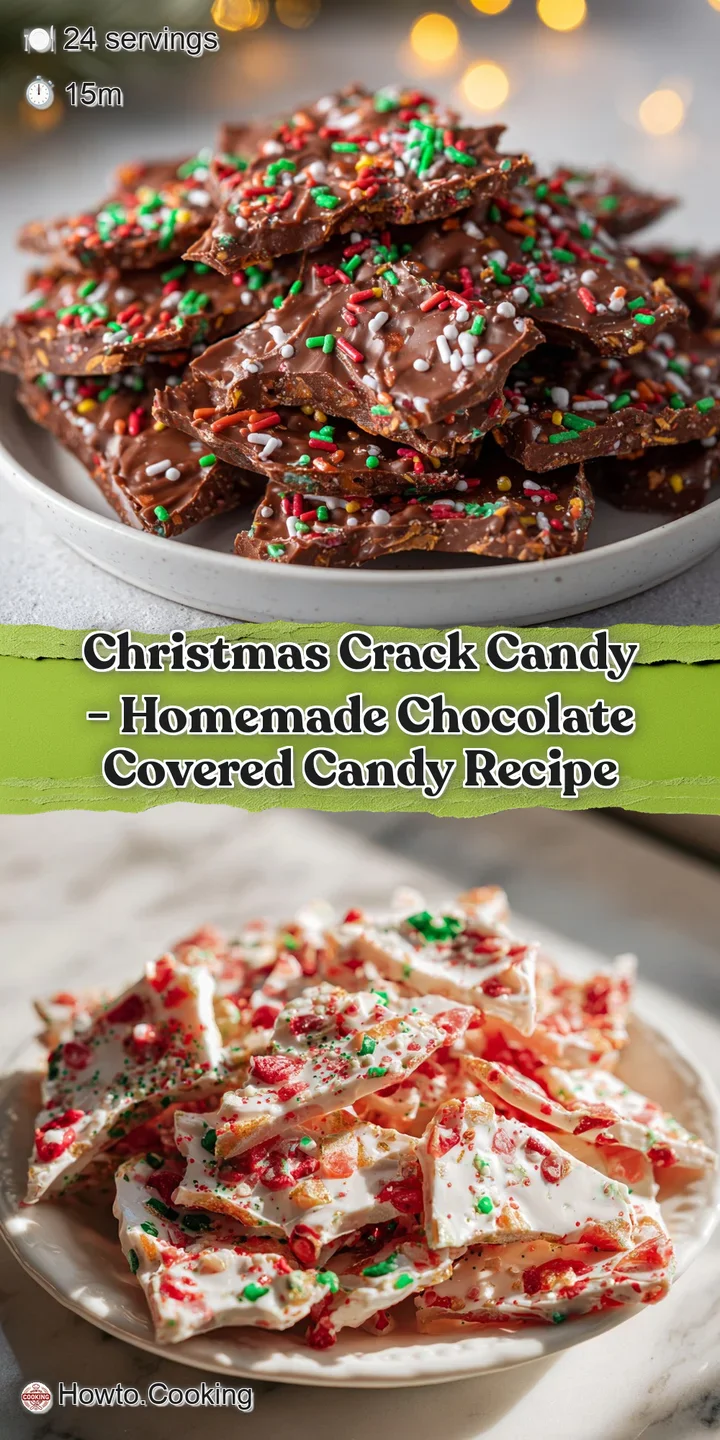
- Flavor/Texture Hook: A buttery, shattering snap with a velvety chocolate coating.
- Perfect for: Holiday gifting, cookie exchanges, or last minute festive gatherings.
- The Ultimate Recipe for Christmas Crack Candy
- Why Toffee Recipes Lose Their Snap
- Planning Your Baking Specs and Times
- Selecting Quality Ingredients for Better Toffee
- Essential Tools for Homemade Candy Success
- Mastering Prep to Finished Plate
- Fixing Common Toffee Textural Problems
- Creative Ideas to Customize Your Candy
- Smart Storage for Long Lasting Freshness
- Beautiful Ways to Serve Holiday Toffee
- Recipe FAQs
- 📝 Recipe Card
The Ultimate Recipe for Christmas Crack Candy
The scent of browning butter and bubbling sugar is the official start of the holidays in our kitchen. I remember the first time I saw a row of plain saltine crackers lined up on a baking sheet, I was skeptical. It looked like a snack for a sick day, not a festive treat.
But the moment that molten, amber liquid hit the crackers and spent 5 minutes in the oven, the kitchen transformed. The aroma changed from simple sweetness to a deep, nutty caramelization that made everyone wander toward the stove.
The real hero of this recipe is the saltine cracker. While it seems basic, it provides a structural integrity and a salty counterpoint that fancy puff pastries or shortbreads just can't match.
It's the canvas for our "crack" candy, offering a hollow, airy crunch that allows the toffee to seep into the nooks and crannies. This isn't just a simple candy; it's a lesson in how a few wholesome ingredients, when handled with the right heat and timing, can become something completely irresistible.
We are going for that specific "shatter" that moment when you bite into a piece and it cracks cleanly, rather than bending or sticking to your teeth. To get there, we have to respect the boil. If you have ever felt intimidated by candy making, this is your entry point.
No candy thermometers are required here, just a watchful eye and a timer. You'll see how the butter and sugar meld into a glossy, thick sauce that smells like a dream. Let's get into why this method works every single time.
Why Toffee Recipes Lose Their Snap
Emulsification Stability: Boiling the butter and sugar for exactly 3 minutes ensures the fat and sugar bond together, preventing a greasy finish.
Cracker Porosity: The air pockets in saltines absorb the boiling toffee, which then hardens during the bake to create a unified, crispy layer.
Sugar Carbonization: The quick 5 minute oven blast at 180°C (350°F) deepens the flavor of the dark brown sugar without burning the delicate butter solids.
| Thickness | Internal Temp | Rest Time | Visual Cue |
|---|---|---|---|
| 5 mm | N/A (Boil 3 mins) | 2 hours | Toffee is hard and non sticky |
| 8 mm | N/A (Boil 3 mins) | 3 hours | Chocolate is matte and firm |
| 10 mm | N/A (Boil 3 mins) | 4 hours | Thick layers shatter when dropped |
The timing of the boil is the most frequent point of failure in most kitchens. People often start counting the three minutes as soon as the butter melts, but the magic only happens once the mixture reaches a full, rolling boil.
This is when the water in the butter evaporates, and the sugar molecules begin to break down and reform into a hard crack structure. If you stop too early, your "crack" will be more like "chew," sticking to your teeth and losing that iconic snap.
Another common mistake is skipping the parchment paper. Because we are working with high sugar content, this candy is essentially a delicious glue when hot. Using high-quality parchment paper that goes up the sides of your pan is non negotiable.
It allows you to lift the entire block out of the pan once it's set, making the breaking process much cleaner. If you use foil, ensure it is heavily greased, or you will spend your afternoon peeling tiny bits of silver off your festive treats.
Planning Your Baking Specs and Times
Success in the kitchen often comes down to prep flow. For this recipe, everything happens very fast once the sugar starts to boil. You don't want to be hunting for your chocolate chips while the toffee is darkening in the pan.
I always suggest setting up a "station" flow: your lined tray of crackers on the left, your stove in the middle, and your toppings ready on the right. This keeps the process calm and ensures you hit your time marks perfectly.
We are working with a 10 minute preparation window and a 15 minute cooking cycle. In those first ten minutes, you are essentially laying the foundation. This involves preheating the oven to 180°C (350°F) and meticulously lining up those saltines.
Don't be afraid to break a few crackers to fill the gaps at the edges of the pan. A solid wall of crackers prevents the toffee from pooling underneath them, which can lead to soggy bottoms rather than the crisp base we want.
The 15 minutes of cooking is split between the stovetop and the oven. You'll spend about 5-7 minutes melting and boiling the butter sugar mixture, followed by exactly 5 minutes in the oven. The final few minutes are for the chocolate melt.
While the recipe for christmas crack candy is technically "done" in 25 minutes, the true test of patience is the cooling phase. It needs a minimum of 2 hours at room temperature, or about 45 minutes in the fridge, to reach that shattering consistency.
Selecting Quality Ingredients for Better Toffee
Using wholesome, real ingredients makes a massive difference in the final flavor profile. Since there are so few components, each one needs to pull its weight. I always opt for unsalted butter (225g) so I can control the salt level myself with the flaked sea salt at the end.
Dark brown sugar (200g) is my preference over light brown sugar because the extra molasses content provides a deeper, almost smoky caramel note that balances the sweetness of the chocolate.
| Component | Science Role | Pro Secret |
|---|---|---|
| Saltine Crackers | Structural base | Use fresh, crisp crackers; stale ones stay soft |
| Dark Brown Sugar | Flavor & Hardness | Pack tightly to ensure accurate volume and moisture |
| Unsalted Butter | Fat Emulsion | Use real butter, not margarine, for a clean snap |
| Semi sweet Chocolate | Flavor Balance | Use chips with at least 60% cacao for better melt |
The choice of chocolate chips (approx. 340g) is also vital. Semi sweet is the traditional choice because it offers a sophisticated bitterness that cuts through the rich toffee. If you use milk chocolate, the recipe can become cloyingly sweet.
For an even more luxurious experience, you could chop up a high-quality chocolate bar, which often contains more cocoa butter than chips and will result in a more velvety, glossy finish.
If you find yourself out of pecans, don't panic. You can easily swap them for toasted walnuts or even slivered almonds. The key is that they must be toasted. Toasting the nuts for 5-8 minutes in a dry pan before chopping them releases their oils and heightens their aroma, which is a small step that significantly improves the overall quality of the candy.
You can even experiment with adding a touch of heat, like a tiny pinch of cayenne in the chocolate, for a "sweet and spicy" version.
Essential Tools for Homemade Candy Success
You don't need a lab full of equipment to make a great recipe for christmas crack candy, but a few specific tools will make your life much easier. First and foremost, a heavy bottomed saucepan is your best friend.
Thin pans have hot spots that can cause the sugar to burn in one corner while it's barely simmering in another. A heavy pan distributes the heat evenly, which is crucial for that 3 minute rolling boil.
A rimmed baking sheet (approx. 25x38 cm) is the standard size for this batch. The rim is essential because the toffee will bubble and expand slightly in the oven; without a rim, you’d have a sticky mess on the floor of your oven. I also recommend a over high heat silicone spatula.
It allows you to scrape every last bit of the golden toffee out of the pot and spread it over the crackers quickly before it begins to set.
Finally,, make sure you have a reliable timer. Whether it's the one on your phone or a kitchen clock, you need to be precise. Guessing "about three minutes" is the quickest way to end up with a batch that doesn't set.
If you are feeling extra organized, a small offset spatula is the best tool for spreading the melted chocolate chips into a smooth, even layer. It gives you more control than a regular knife and helps achieve that professional, flat surface.
Mastering Prep to Finished Plate
Before you even turn on the stove, make sure your kitchen environment is ready. Humidity is the enemy of candy making, so if it's a particularly rainy day, you might need to leave the candy to set in the refrigerator rather than on the counter.
Clear off a large space on your counter where the hot pan can sit undisturbed for several hours. Once the toffee is poured, you don't want to be moving the tray around and risking the toffee shifting.
Preparing the Foundation
- Preheat the oven to 180°C (350°F) and line your 25x38 cm rimmed baking sheet with parchment paper. Ensure the paper hangs over the edges.
- Arrange 40 to 50 saltine crackers in a single layer. Note: Pack them tightly to prevent the toffee from leaking underneath.
Crafting the Amber Toffee
- Place 225g unsalted butter and 200g packed dark brown sugar in your saucepan over medium heat.
- Stir constantly with your silicone spatula until the butter is fully melted and the sugar has dissolved into a smooth liquid.
- Bring the mixture to a rolling boil. Stop stirring as soon as it starts bubbling vigorously across the entire surface.
- Set your timer for exactly 3 minutes. Note: The mixture will foam up and turn a deep golden amber color; this is normal.
Baking for Structural Integrity
- Carefully pour the boiling mixture over the crackers, starting from the center and working outward.
- Use your spatula to quickly spread the toffee to the edges. Work fast as it begins to set almost immediately.
- Place the tray in the oven and bake for 5 minutes. The toffee will bubble frantically, which helps it soak into the crackers.
Creating the Glossy Shell
- Remove the tray from the oven and immediately sprinkle 340g semi sweet chocolate chips evenly over the hot toffee.
- Let the chips sit for 5 minutes until they look soft and glossy.
- Use an offset spatula to spread the melted chocolate into a smooth, velvety layer that covers all the toffee.
- Sprinkle 0.5 tsp flaked sea salt and 60g finely chopped toasted pecans over the wet chocolate.
The Setting Phase
- Allow the tray to cool at room temperature for 1 hour, then transfer to the fridge for an additional hour.
- Once completely hard, lift the parchment paper out of the pan and break the candy into irregular, rustic pieces.
Fixing Common Toffee Textural Problems
One of the most frustrating things that can happen is "breaking" or separating the caramel. This is when the butter separates from the sugar, leaving a puddle of oil on top of your toffee. This usually happens if the heat was too high or if the mixture was stirred too aggressively once it reached the boil.
If you see this happening in the pot, you can sometimes save it by adding a tablespoon of very hot water and whisking vigorously, but prevention is always easier.
Saving Separated Caramel
If your toffee looks greasy after baking, don't throw it out! Usually, once the chocolate is added and the whole thing is chilled, the fat will re solidify. However, the texture might be slightly grainier than usual.
To prevent this next time, ensure you are using real butter (not margarine) and keep the heat at a steady medium. Sudden temperature spikes are the most common cause of separation in homemade candy.
Preventing Soggy Bottoms
If the bottom of your crackers feels soft instead of crisp, it's likely because the toffee pooled under the crackers before it had a chance to bake. This is why a tight "wall to wall" layer of crackers is so important. Another trick is to make sure your oven is fully preheated.
If the oven isn't hot enough, the toffee will sit and soak into the cracker rather than bubbling and hardening quickly.
| Problem | Root Cause | Solution |
|---|---|---|
| Sticky toffee | Under boiled mixture | Ensure a full 3 minute rolling boil next time |
| Greasy surface | Butter separation | Keep heat at medium; avoid stirring during the boil |
| Grainy texture | Sugar crystallization | Ensure sugar is fully dissolved before boiling starts |
Common Mistakes Checklist
- ✓ Forgetting to line the pan with parchment (it will stick forever).
- ✓ Stirring the mixture after it starts the 3 minute boil (causes crystallization).
- ✓ Using "spread" or margarine instead of real butter (too much water content).
- ✓ Taking the tray out of the oven too early (the toffee needs that heat to set).
- ✓ Trying to break the candy before it is completely chilled (it will just bend).
Creative Ideas to Customize Your Candy
While the classic version is hard to beat, there are so many ways to make this recipe your own. For a different base, you can use graham crackers. The "Graham Cracker Twist" offers a sweeter, more honey forward flavor that pairs beautifully with dark chocolate and a sprinkle of cinnamon. It’s slightly denser than the saltine version, but just as delicious. If you're looking for a wider variety of treats, you might also enjoy making Chocolate Truffles to serve alongside your crack candy for a high contrast dessert plate.
The Graham Cracker Twist
If you use graham crackers, you might find they are slightly thicker than saltines. To compensate, I recommend increasing the bake time in the oven by about 60 seconds. This ensures the toffee really penetrates the thicker cracker.
You can also top this version with white chocolate drizzles and crushed freeze dried strawberries for a "strawberries and cream" vibe that is visually stunning for spring or summer events.
Sweet and Salty Upgrades
For those who love the contrast of flavors, try topping your chocolate layer with crushed pretzels or even a sprinkle of smoked paprika. The smokiness of the paprika plays incredibly well with the dark brown sugar in the toffee.
Another popular variation is the "Everything Crack," where you top the chocolate with a mix of toasted coconut, crushed nuts, and white chocolate chips.
Chef's Tip: If you want a super clean "break" for gifting, use a heavy chef's knife to cut the candy into perfect squares rather than breaking it by hand. Run the knife under hot water and wipe it dry between each cut for the cleanest edges.
Smart Storage for Long Lasting Freshness
Because this is a high fat, high sugar treat, it stores remarkably well, but it is sensitive to heat and moisture. At room temperature, the chocolate can become soft, and the toffee may lose its snap if the air is humid.
I always recommend storing the pieces in an airtight container with layers of parchment paper between them to prevent sticking. In a cool, dry pantry, it will stay fresh for about a week.
For longer storage, the refrigerator is your best bet. It keeps the toffee at its peak "shatter" point and prevents the chocolate from blooming (that white, powdery look that happens when chocolate gets too warm). In the fridge, your christmas crack candy will last up to 2 weeks.
Just make sure the container is truly airtight, as toffee can absorb odors from other foods in the fridge, like onions or garlic.
If you want to get a head start on holiday baking, this recipe freezes beautifully. Wrap the pieces tightly in plastic wrap and then place them in a heavy duty freezer bag. It will stay perfect for up to 3 months. The best part? It tastes amazing straight from the freezer!
There’s no need to thaw it, though if you prefer it a bit softer, 5 minutes on the counter is all it takes.
Beautiful Ways to Serve Holiday Toffee
When it comes to serving, presentation is everything. For a casual family gathering, I love piling the irregular shards into a large wooden bowl or a vintage tin. The rustic, broken edges are part of the charm. If you’re hosting a more formal party, consider creating a "Dessert Charcuterie" board. Arrange the crack candy alongside some Classic Gingerbread Cookies and fresh fruit like clementines or pomegranate seeds.
For gifting, this candy is a superstar. It’s sturdy enough to be packed into jars or cellophane bags without turning into crumbs. I like to tie the bags with a simple piece of twine and a sprig of fresh rosemary or a small cinnamon stick.
It looks artisanal and thoughtful, but you’ll know it only took you 25 minutes to put together. It’s the ultimate "low effort, high reward" holiday treat.
| Method | Time | Texture | Best For |
|---|---|---|---|
| Countertop | 2 hours | Classic Snap | Immediate serving |
| Refrigerator | 45 mins | Hard & Cold | Warm climates |
| Freezer | 20 mins | Extra Crunchy | Long term storage |
If you have any leftovers though that's rare! you can crush the smaller bits and use them as a topping for vanilla bean ice cream or even fold them into a batch of brownie batter. The salty sweet crunch adds an incredible layer of texture to softer desserts.
No matter how you serve it, this recipe for christmas crack candy is bound to become a requested staple in your holiday rotation. It’s proof that sometimes the simplest ingredients, when given a little bit of heat and a lot of love, truly make the best memories.
Recipe FAQs
What is the best cracker to use for Christmas crack?
Saltine crackers are the standard choice. Their neutral, salty profile provides the necessary crunch and structural integrity to support the heavy toffee layer without becoming soggy.
How much butter and brown sugar for Christmas crack?
Use exactly 1 cup of unsalted butter and 1 cup of packed dark brown sugar. This specific ratio is critical for creating the correct caramel consistency; if you enjoyed mastering the emulsification process here, see how we balance richness in our traditional pecan pie.
Does Christmas crack use semi sweet or milk chocolate chips?
Semi sweet chocolate chips are recommended. The slightly higher cocoa content balances the intense sweetness of the brown sugar toffee layer much better than milk chocolate.
What kind of sugar do you use for Christmas crack?
Use dark brown sugar, packed. It contains more molasses than light brown sugar, which provides the deep, rich flavor profile and essential texture required for the toffee base.
How to ensure the toffee layer sets correctly?
Boil the butter and sugar mixture for exactly 3 minutes after reaching a full, rolling boil. Do not stir during this time, as stirring can cause the sugar to crystallize and ruin the smooth texture of the candy.
Is it true I can use margarine instead of butter?
No, this is a common misconception. You must use real unsalted butter because margarine and spreads contain too much water, which will prevent your toffee from reaching the correct consistency.
How to prevent the candy from sticking to the pan?
Line your 10x15-inch baking sheet with parchment paper, ensuring it covers the sides. This creates a protective barrier that allows you to lift the entire sheet of hardened candy out for clean snapping once it is fully chilled.
Homemade Christmas Crack Candy
Ingredients:
Instructions:
Nutrition Facts:
| Calories | 206 calories |
|---|---|
| Protein | 1.4 g |
| Fat | 14.3 g |
| Carbs | 20.8 g |
| Fiber | 1.2 g |
| Sugar | 15.8 g |
| Sodium | 92 mg |
