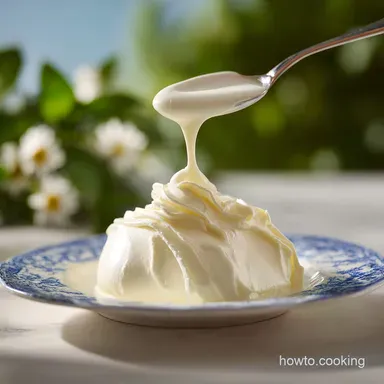
Heavy Cream Substitute with Milk and Butter

- Time: 2 min active + 3 min cooking
- Flavor & Texture: Rich, opaque, and smooth
- Perfect for: Weeknight dinner saves and coffee
Making Heavy Cream Milk and Butter
You're halfway through a creamy pasta or a pan sauce, and you realize the fridge is empty. It's a classic kitchen panic moment. Instead of stopping everything to run to the store, you can whip up a substitute using things you already have.
This method isn't about creating a whipped topping, but it's a lifesaver for adding richness to soups, stews, or your morning brew. It gives you that heavy, coating feel on the tongue that thin milk just can't provide.
The goal is to create a stable emulsion. When you combine these ingredients correctly, you get a liquid that behaves like the real thing in heat, meaning it is less likely to split when it meets a simmering sauce, though it can still curdle if the heat is too high.
What Makes This Work
- Fat Calibration: Butter adds the concentrated milk fat that whole milk lacks, hitting that high-fat percentage needed for thickness.
- Gentle Heat: Warming the mixture helps the fat droplets bond with the water in the milk.
| Method | Time | Texture | Best For |
|---|---|---|---|
| store-bought | 0 min | Consistent | Whipping/Peaks |
| This Method | 5 min | Rich/Smooth | Cooking/Coffee |
Ingredient Deep Dive
| Component | Purpose | Substitute Notes |
|---|---|---|
| Unsalted Butter | Provides the fat | Salted butter works, but adjust other salt |
| Whole Milk | Provides the liquid base | 2% works, but results are thinner |
The Base Components
You only need two things here. Use unsalted butter to keep total control over the seasoning of your final dish. Whole milk is the best choice because the proteins help keep the emulsion stable.
Ingredients & Substitutes
- 1/3 cup (75g) unsalted butter Why this? Provides the essential fat for thickness
- 2/3 cup (160ml) whole milk Why this? Maintains a creamy, opaque consistency
Recipe Specs
This makes 1 cup of substitute. It takes 2 minutes to prep and 3 minutes to cook, plus a few minutes of cooling before use.
Tools You'll Need

A small saucepan is ideal for controlling the rate of evaporation. You'll also want a whisk for continuous stirring to ensure the fat doesn't separate.
Bringing It Together
1. Melting the Butterfat
Place 1/3 cup (75g) unsalted butter in a small saucepan over low to medium-low heat. Melt the butter slowly, stirring occasionally. Note: Make sure the butter doesn't brown or sizzle, as we want a neutral flavor.
2. Emulsifying the Milk
Slowly pour in 2/3 cup (160ml) whole milk while whisking constantly. Keep stirring for 20-30 seconds over low heat until the liquid is homogenous and opaque.
3. Final Texturing
Remove the pan from the heat immediately. Let the mixture cool for a few minutes. Note: This allows the viscosity to increase so it feels thicker when you pour it.
Common Problems and Fixes
If you notice curdling or yellow oil bubbles on the surface, the mixture has separated. This often occurs if the milk is ice-cold or the heat is too high. You can typically rescue it by whisking briskly while adding a tiny splash of warm milk.
Fixing a Separated Mixture
Whisking helps recombine the fats and liquids. If the mixture remains split, it will still taste fine in a cooked sauce, but the texture won't be as smooth.
| Problem | Fix |
|---|---|
| Yellow oil droplets on top | Whisk vigorously with a teaspoon of warm milk |
| Too thin/watery | Cool the mixture longer or add 1 tbsp more butter |
| Butter browned/smells nutty | Use a fresh pan; browning changes the flavor profile |
Storage Guidelines
Transfer the mixture into a glass jar and store it in the refrigerator for a maximum of 5 days. Due to the high butter content, it may solidify slightly when chilled. Just shake the jar or microwave it for 5-10 seconds to make it pourable again.
Do not freeze this substitute. The emulsion will likely break during thawing, leaving you with a grainy mess.
Usage Tips
I like using this in a pinch for a creamy mushroom sauce or a quick bisque. If you're using it for breakfast, it's a great addition to coffee. If you enjoy other quick morning options, you might like a Sourdough Pancake recipe for a full spread.
| Usage | Tip | Result |
|---|---|---|
| In Sauces | Stir in at the end | Richer finish |
| In Coffee | Warm slightly first | Creamy mouthfeel |
| In Baking | Use as 1:1 swap | Moister crumb |
Dietary Adaptations
Lactose-Free Version
You can use lactose-free butter and lactose-free whole milk. The ratio stays the same. The result is nearly identical in taste and performance.
Lightening the Richness
If you want something a bit lighter, use 2% milk. Just know that the result will be less thick and may not hold up as well in high heat reductions. This makes a heavy cream milk and butter substitute that is better for drinking than for thickening a heavy stew.
Frequently Asked Questions
How to make heavy cream at home?
Melt unsalted butter over low heat and whisk in whole milk until homogenous.
Tip: Ensure the butter does not brown or sizzle to maintain a neutral taste.
What is a substitute for heavy cream?
A mixture of melted butter and whole milk provides a similar richness for many recipes.
Tip: This combination works beautifully in savory dishes like our garlic pizza sauce.
Will homemade heavy cream whip into stiff peaks for frosting?
This version will not whip because it lacks the specific protein and fat structure of natural cream.
Tip: Stick to using this as a liquid replacement for pouring or stirring.
Why does my homemade heavy cream separate after cooling?
The emulsion may break if the butter and milk were not fully blended while heating.
Tip: Shake the jar well or microwave it for 5-10 seconds to make it pourable again.
Heavy Cream Milk and Butter in 5 Minutes