Olive Oil Dressing: the Chefs Classic Vinaigrette
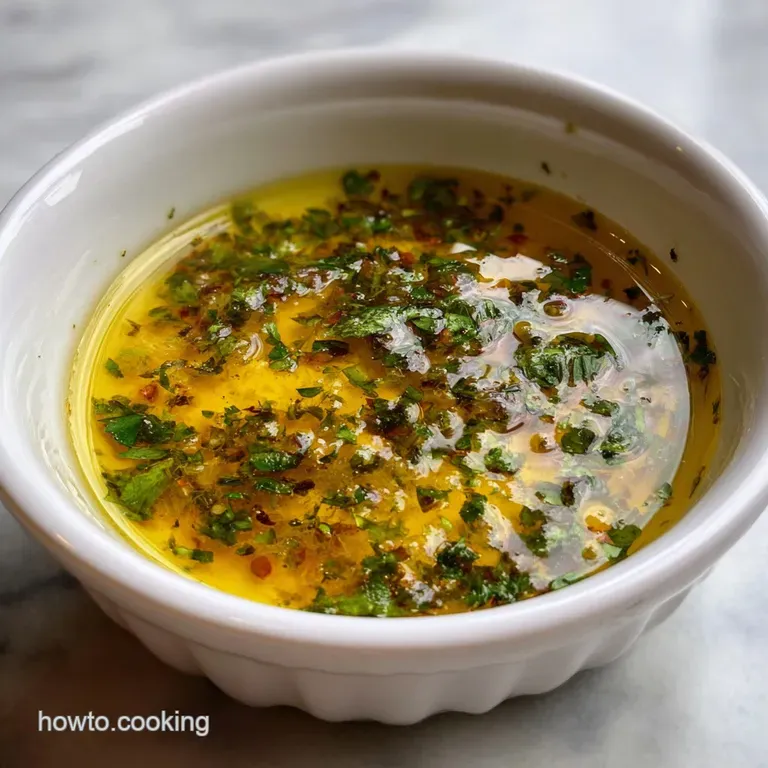
- Mastering the Foundational Lemon Vinaigrette: The Ultimate All-Rounder
- The Science of Emulsion: Why This Olive Oil Dressing Recipe Tastes So Fresh
- Essential Components and Expert Ingredient Deep Dive
- Crafting the Vinaigrette: Detailed Mixing and Whisking Technique
- Troubleshooting and Professional Tips for Flawless Results
- Longevity and Storage Best Practices
- Beyond the Leaf: Global Pairing Suggestions for Your Dressing
- Recipe FAQs
- 📝 Recipe Card
Mastering the Foundational Lemon Vinaigrette: The Ultimate All-Rounder
That vibrant aroma, the sharp tang of lemon, the silky smooth texture that coats every single leaf without drowning it that’s what a truly stellar Olive Oil Dressing brings to the table.
Honestly, crafting this simple vinaigrette is one of the most underrated, yet necessary, skills in home cooking. I absolutely guarantee you will never go back to bottled dressings once you master this technique.
Why are you still buying the sickly sweet, mass produced stuff? This is the ultimate kitchen lifesaver! It takes ten minutes flat, costs pennies, and instantly transforms those weeknight greens into something extraordinary.
This definitive Homemade Olive Oil Dressing is pure culinary freedom, offering a brightness that no shelf stable jar can match.
I used to mess this up constantly lumpy, separated, way too aggressive on the acid. But I cracked the code, and now I’m sharing the definitive blueprint for the perfect classic Lemon Herb Vinaigrette.
Let's make the best, most stable, and versatile Olive Oil Dressing recipe you’ll ever try. Trust me, once you nail this foundation, you unlock a universe of quick, healthy meals.
The Science of Emulsion: Why This Olive Oil Dressing Recipe Tastes So Fresh
This isn't just mixing ingredients together; it’s about simple kitchen chemistry, baby! Achieving a stable, creamy Olive Oil Dressing means understanding how fat (the oil) and water (the acid) can temporarily or semi permanently play nicely together, even though they naturally repel each other.
This understanding is the foundation of excellent flavor and perfect texture.
Moving Beyond Bottled: Why Homemade Always Wins
Bottled dressings rely on gums, thickeners, and excessive sugar to force stability and mimic freshness. When you make a Lemon Olive Oil Dressing at home, you control the ingredients, ditching the unnecessary fillers and focusing purely on the vibrant interplay of quality oil, fresh acid, and aromatics.
The difference in taste is staggering. Plus, knowing exactly what goes into your food makes this one of the best Healthy Dressing Recipes you can adopt.
Understanding the Classic 3:1 Ratio (The Core Technique)
The standard ratio for a classic French vinaigrette is 3 parts fat to 1 part acid. This ensures the dressing is rich enough to coat the salad without being overwhelmingly tart. If your greens are robust and bitter (like arugula or radicchio), you might lean closer to 4:1.
For something mild like butter lettuce, you might tighten the ratio slightly to 2.5:1, but sticking to 3:1 is the safest bet for this versatile Olive Oil Dressing .
A Versatile Base for Any Meal
What I love most about mastering this specific Olive Oil Dressing is its inherent versatility. It doesn't just work on a side salad! This bright, foundational recipe is perfect drizzled over grilled vegetables, used as a marinade for quick chicken, or simply as a dipping sauce for crusty bread.
It’s light years away from those heavy, creamy sauces, making it an essential Olive Oil Dressing for Salad and so much more.
The Role of Dijon: A Natural Emulsifier
Have you ever had a dressing that immediately separates into distinct layers five minutes after you mix it? That’s what happens when you skip the emulsifier! Dijon mustard is the secret weapon in this Easy Olive Oil Dressing .
It contains lecithin and complex proteins that wrap around the tiny droplets of oil, helping them suspend evenly in the acid mixture. It adds necessary stability and a lovely, savory depth. Never skip the Dijon, or your dressing will break quickly.
Achieving Perfect Acid Fat Balance
The balance is everything. If the dressing tastes too oily, you need a splash more acid (lemon juice or vinegar) and maybe a pinch more salt to enhance the tartness. If it tastes aggressively sour, you need to slow your roll and whisk in a touch more oil to mellow it out.
I often add a tiny drizzle of honey or maple syrup to intense acids, too, especially if I’m using a sharp vinegar instead of fresh citrus in my Homemade Olive Oil Dressing .
The Importance of Infusing Flavor: Shallots and Herbs
We don’t just dump everything in at once. The first step, where we macerate the finely minced shallots and garlic in the lemon juice and salt, is critical. The acidity chemically "cooks" the raw, pungent edge off the alliums, giving your final Olive Oil Dressing a much smoother, more nuanced flavor profile.
It allows those sharp, delicious flavors to bloom without overpowering the delicate herbs.
Essential Components and Expert Ingredient Deep Dive
For something so simple, the ingredients you choose truly matter. If you use cheap, flavorless oil, your dressing will taste cheap and flavorless. This is not the time to raid the back of the pantry!
Choosing Your Olive Oil: Extra Virgin vs. Light (Quality Focus)
For a vinaigrette like this, you absolutely must use high-quality Extra Virgin Olive Oil (EVOO) . EVOO has a robust, fruity flavor and higher viscosity, which aids in creating a stable emulsion. Lighter oils are fine for cooking, but they are flavorless here.
If the flavor of your EVOO is too bitter or peppery (common with certain artisanal types), you can substitute up to 1/3 of the volume with a neutral oil like grapeseed or sunflower, but try to keep the majority EVOO for the characteristic flavor of this Olive Oil Dressing .
Selecting Your Acid: Fresh Lemon Juice vs. Specialty Vinegars
While this recipe calls for fresh lemon juice which offers unparalleled brightness you can easily swap it out. If you prefer a more earthy tone, try a good quality red wine vinegar. For something lighter and fruitier, Champagne vinegar is fantastic.
Always use fresh juice if opting for citrus; the bottled stuff tastes metallic and flat.
Salt Strategy: Flake Salt vs. Fine Sea Salt
I prefer fine sea salt here because it dissolves instantly in the lemon juice. If you use a larger flake salt, it might not fully incorporate during the short whisking time and you’ll end up with pockets of overly salty dressing.
We want even seasoning throughout this perfect Lemon Olive Oil Dressing .
Quick Swaps: Adapting Herbs and Alliums
This recipe uses a blend of thyme and oregano, which leans beautifully Mediterranean. If you want an Italian feel, swap those for fresh basil and parsley. For a punchy American twist, use fresh chives and tarragon.
Regarding the shallots, if you only have onions, mince a white onion extremely finely and rinse it under cold water for 30 seconds before adding it to the acid. This removes some of the harsh sulfur compounds.
| If You Don't Have... | Use Instead... | Notes |
|---|---|---|
| Fresh Lemon Juice | Red Wine Vinegar or Champagne Vinegar | Use a slightly smaller amount (50 ml) as vinegars can be stronger than citrus. |
| Shallots | Very finely chopped White Onion (rinse under cold water first) | Rinsing reduces the pungent sulfur flavour. |
| Dijon Mustard | 1/4 teaspoon Xantham Gum (for binding) | If you need a strict mustard free Olive Oil Dressing , use this powerful binder instead. |
Crafting the Vinaigrette: Detailed Mixing and Whisking Technique
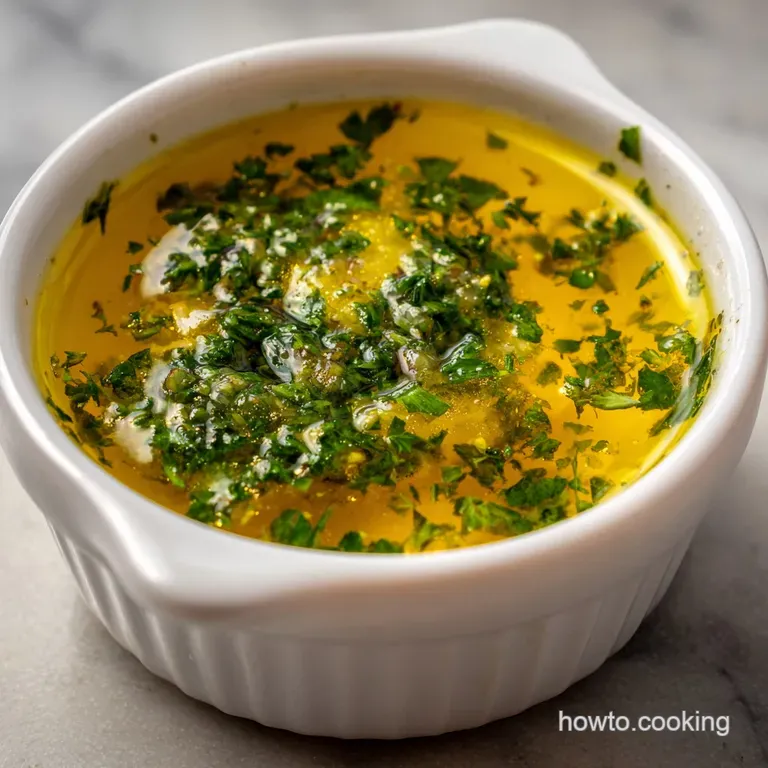
This is the fun part, where the ingredients transform from separate liquids into a cohesive, delicious sauce.
Preparing Your Aromatics (Shallot and Herb Prep)
Take the time to mince your shallots and garlic really finely. We’re talking tiny. You want them to almost melt into the dressing, not provide large chunks. Use a sharp knife and rock it over the minced ingredients until they look almost paste like.
Coarse chunks will interfere with the smooth texture of the finished Olive Oil Dressing .
The Initial Flavor Bloom: Macerating the Acid Base
Combine your minced shallots, garlic, Dijon, salt, and pepper with the lemon juice in your jar or bowl. Whisk it well, letting the salt dissolve completely. Now, step away. Letting this sit for 5– 10 minutes allows the acidity to slightly pickle the alliums and extract their essential flavors.
This simple pause makes a huge difference in the overall smoothness of your final Easy Olive Oil Dressing .
Slow Drip Introduction: Building a Stable Emulsion
If you dump all the oil in at once, you’ll just have oily lemon water, guaranteed. The key to a beautiful, creamy vinaigrette is slow incorporation. If you are whisking by hand, drizzle the olive oil in a thin, pencil lead stream, whisking vigorously and constantly.
Listen to the sound change; it will go from a thin, watery slosh to a slightly thicker, duller whump whump sound as the emulsion forms. If you're shaking in a jar, make sure the lid is TIGHT, and shake like you mean it for at least 30 seconds straight until it looks entirely cloudy and homogenous.
Chef's Note: If you want a foolproof emulsion for this Homemade Olive Oil Dressing , use an immersion blender. Put all ingredients (except herbs) in a cup, stick the blender in, and whiz for 15 seconds. Instant stability, minimal effort.
Final Seasoning and Taste Adjustments
Once emulsified, stir in your fresh, chopped herbs. Taste the Olive Oil Dressing . Does it pop? If not, add a tiny pinch more salt. Is it too tart? A few drops of warm water or a tiny bit of neutral oil can mellow the acid.
Remember, the dressing must taste slightly aggressive on its own because it needs to stand up to the neutral, watery element of salad leaves. If it tastes perfect on the spoon, it will be under seasoned on the salad.
Troubleshooting and Professional Tips for Flawless Results
Making a great Olive Oil Dressing is easy, but it’s just as easy to mess up. Here are the common pitfalls I’ve encountered (and fixed).
The Fix for a Broken Dressing (Demystifying Separation)
If your dressing breaks (the oil floats away from the acid), it usually means you added the oil too fast or your ingredients were too cold. To fix it, grab a clean small bowl and put one teaspoon of fresh, cold water (or a tiny dab of fresh Dijon).
Now, start whisking the broken dressing into the new acid base one drop at a time, very slowly, just like you started the original emulsion. The new base will catch the oil droplets and bring the whole thing back together, resulting in a beautiful Olive Oil Dressing .
Preventing Over Salting and Herb Burn
Salt is crucial, but don’t measure directly over the bowl. It's a quick trip to inedible land! Also, always add fresh, delicate herbs after the emulsion is complete. If you add them early and let the mixture sit for too long, the acid will "burn" them, turning them dark and soggy.
Keep that vibrant green color!
The Optimal Temperature for Mixing Oil
I mentioned this earlier, but it deserves bold text: Always mix your olive oil and your acid base at room temperature. Cold oil is thick, cold acid is stiff, and they absolutely hate mixing.
If you pull the oil directly from a cold pantry floor or the lemon juice from the fridge, you are making the job harder for yourself and risking a broken Olive Oil Dressing .
Longevity and Storage Best Practices
You’ve made this gorgeous Olive Oil Dressing . Now what?
Refrigeration Shelf Life (How Long Will It Keep?)
Because this Lemon Olive Oil Dressing relies on fresh ingredients (like garlic, shallots, and fresh herbs), its shelf life is shorter than store-bought versions. It will keep beautifully in an airtight container (like a jar) in the refrigerator for about 5 to 7 days.
Beyond that, the fresh aromatics can start to develop a harsh, funky flavor.
Tips for Re-Emulsifying Before Serving
When your dressing chills, the olive oil will likely solidify and separate. It will look clumpy and unappetizing. This is completely normal! Do not panic. Simply take the jar out of the fridge about 30 minutes before serving to let it warm up slightly, then give it a hard, vigorous shake for 15 seconds.
It will instantly return to its beautiful, creamy emulsified state. This method works perfectly for any Olive Oil Dressing for Salad stored in the fridge.
Note on Freezing Vinaigrette (Is it advisable?)
While you technically can freeze vinaigrettes, I strongly advise against it for this type of fresh Homemade Olive Oil Dressing . The process of thawing drastically alters the texture of the fresh herbs and often causes the emulsion to fail completely.
Stick to the fridge, and just make a new batch weekly; it’s fast enough that freezing is unnecessary. For a different kind of dressing entirely, check out my link for [Sausage Herb Stuffing: Ultimate Sourdough Dressing, Crisp Edges] that one is definitely freezer friendly!
Beyond the Leaf: Global Pairing Suggestions for Your Dressing
This foundational Olive Oil Dressing is the perfect jumping off point for countless meals. It’s so much more versatile than you think!
- Warm Grain Bowls: Drizzle this dressing over warm rice, farro, or couscous. It instantly brightens any boring grain. We often use a variation of this for our popular [Pearl Couscous: Sunshine Salad with Lemon Herb Dressing] recipe.
- Simple Fish Marinade: Rub the dressing lightly onto delicate white fish (cod, snapper) before baking or broiling. The lemon prevents it from tasting heavy.
- Roasted Vegetable Finish: Toss roasted potatoes, carrots, or Brussels sprouts with the dressing immediately after pulling them from the oven while they are still steaming hot. They absorb the flavor beautifully, giving you that ultimate punchy finish.
This core technique ensures you always have a vibrant, healthy, and delicious Olive Oil Dressing ready to transform anything in your kitchen. Happy mixing, friend!

Recipe FAQs
Why did my vinaigrette separate immediately after mixing?
This common issue occurs when the oil and acid are combined too quickly, preventing them from emulsifying properly. To fix this, add a little more Dijon mustard, which acts as a powerful stabilizer, and whisk the dressing aggressively while slowly drizzling the oil in a thin, steady stream.
How long can I store this olive oil dressing, and does it require refrigeration?
Due to the fresh ingredients, particularly the lemon juice and finely minced shallots, this dressing must be stored in an airtight container in the refrigerator. It is best enjoyed within 5 to 7 days of preparation.
Be aware that the olive oil will solidify when chilled; simply let it stand at room temperature for 15 minutes and then whisk thoroughly before serving.
My dressing tastes too acidic or sharp. How can I achieve a better flavor balance?
To balance excessive tartness, try adding a small amount of sweetness, such as a pinch of sugar or a quarter teaspoon of honey, which rounds out the lemon flavor. Alternatively, gradually incorporate another tablespoon of olive oil to slightly reduce the overall acid concentration and mellow the profile.
Can I use a different type of oil instead of extra virgin olive oil?
Yes, but use caution, as EVOO provides essential flavor complexity. For a lighter taste, you can substitute up to 50% of the EVOO with a neutral oil like grapeseed, light olive oil, or sunflower oil.
Avoid strong, specialty oils like walnut or sesame unless you intend for them to be the dominant flavor, as they often clash with fresh herbs and lemon.
Is it necessary to use Dijon mustard, or can I omit it for a purer taste?
While Dijon mustard adds a pleasant tang, its primary purpose in this recipe is to act as the emulsifier, binding the oil and acid together into a stable mixture. If you must omit it, you may use a tiny amount of mayonnaise or aquafaba as a substitute binding agent, but the dressing will separate more quickly and require aggressive whisking before serving.
What fresh herbs work best if I don’t have the ones specified in the recipe?
This vinaigrette is extremely versatile and pairs well with many fresh herbs, including finely chopped chives, dill, or tarragon. Just ensure they are fresh, as dried herbs hold a much stronger, concentrated flavor that can easily overwhelm the subtle lemon notes.
If using dried, use only one-third of the amount called for in the recipe.
Can I scale up this recipe for a party or to prepare a large batch?
Yes, this recipe scales very well, but you may need a blender or immersion blender instead of a whisk for larger volumes to ensure proper emulsification. When doubling or tripling the recipe, always maintain the classic 3:1 ratio of oil to acid for the best texture and flavor balance.
Store any leftovers immediately in the refrigerator.
Lemon Herb Olive Oil Dressing
Ingredients:
Instructions:
Nutrition Facts:
| Calories | 402 kcal |
|---|---|
| Protein | 0.5 g |
| Fat | 42.1 g |
| Carbs | 2.9 g |
