Homemade Frozen Breakfast Sandwiches Recipe
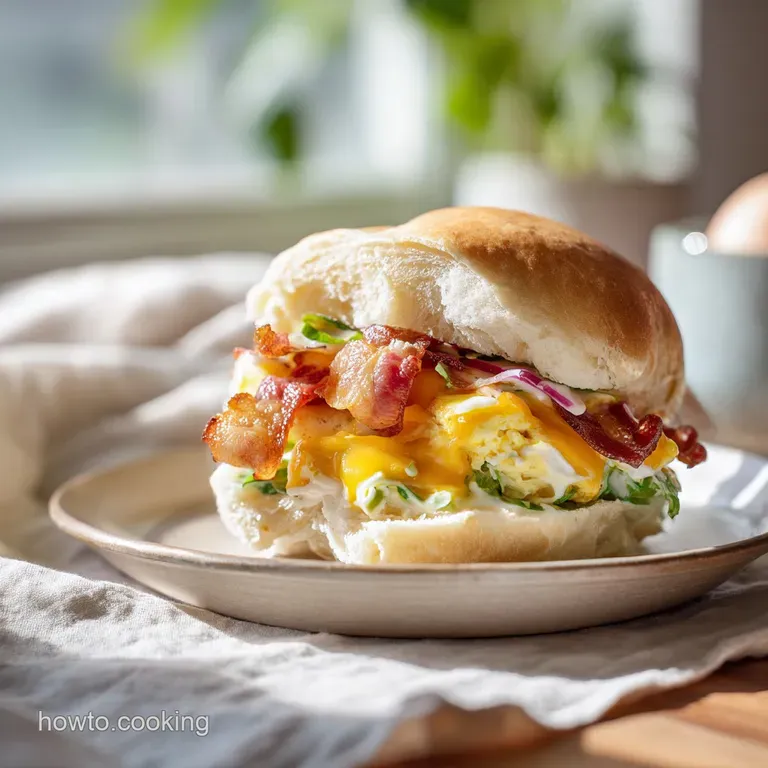
- Time: Active 20 minutes, Passive 20 minutes, Total 40 minutes
- Flavor/Texture Hook: Savory, protein packed squares with a golden, toasted exterior
- Perfect for: High protein meal prep and busy school day mornings
- Why Crafting Your Own Frozen Breakfast Sandwich Changes Mornings
- Recipe Specs for Your Batch Cooking Success
- Wholesome Ingredients for a Nutritious Morning Start
- Minimal Tools for a High Efficiency Kitchen
- Step-by-Step Instructions for the Perfect Batch
- Pro Tips for Avoiding Sogginess and Rubber Eggs
- Flavor Variations to Keep Your Routine Fresh
- Scaling for Larger or Smaller Families
- Preservation Secrets for Long Term Freshness
- Pairing Ideas for a Balanced Family Meal
- High in Sodium
- Frozen Breakfast Sandwich FAQs
- 📝 Recipe Card
Why Crafting Your Own Frozen Breakfast Sandwich Changes Mornings
There is nothing quite like the sizzle of a pork sausage patty hitting a hot pan, but let's be honest nobody has time for that at 6:30 AM on a Tuesday. I remember a string of Mondays where I’d find myself idling in a drive thru line, clutching a lukewarm, soggy sandwich that cost five dollars and tasted mostly like salt and regret.
I knew there had to be a way to capture that wholesome, homemade flavor without the daily cleanup of egg splattered spatulas.
It took me three batches of rubbery eggs and one very unfortunate incident with a microwave melted paper towel to find the rhythm. The trick isn't just in the assembly; it’s in the cooling process.
When you finally bite into a sandwich where the cheese has fused perfectly to the sausage and the muffin has a distinct, satisfying chew, you’ll never look back. It’s about building confidence in your kitchen so your future self can just enjoy a nutritious meal.
We are going to focus on a reliable, minimal tool method that yields twelve beautiful servings. We skip the individual frying of eggs which is a nightmare for batch cooking and instead use a sheet pan technique that ensures every bite is uniform.
This isn't just about saving time; it's about making sure your family starts the day with something flavorful and substantial.
Recipe Specs for Your Batch Cooking Success
Before we get into the heavy lifting, we need to look at the metrics that make this frozen breakfast sandwich work. Efficiency is key when you're preparing twelve meals at once, and knowing your visual cues will save you from the dreaded "rubbery egg" syndrome.
The Architecture of the Moisture Barrier: When starches (the muffin) are frozen and then reheated, they undergo retrogradation. By toasting the muffins deeply before assembly, we create a crisp "shield" that prevents the egg’s moisture from turning the bread into a sponge.
| Prep Stage | Visual Cue | Precision Metric | Goal |
|---|---|---|---|
| Egg Bake | Set edges, no jiggle in center | 350°F for 20 minutes | Structural integrity |
| Muffin Toast | Deep golden brown, stiff edges | 4 minutes under broiler | Moisture resistance |
| Cooling | No visible steam rising | 20 minutes on wire rack | Prevent condensation |
This comparison helps decide which route you want to take. While the "Fast" version is what most people do, the "Classic" method we are using today ensures a wholesome result that actually tastes like real food.
| Feature | Fast (Microwave Only) | Classic (Sheet Pan + Prep) |
|---|---|---|
| Egg Texture | Spongy and uneven | Velvety and consistent |
| Bread Quality | Often gummy or tough | Toasted and structured |
| Time Investment | 5 minutes | 40 minutes (for 12 meals) |
Wholesome Ingredients for a Nutritious Morning Start
Choosing quality components is the first step toward a flavorful result. We aren't using "egg product" or processed cheese food; we want real, nutritious ingredients that provide lasting energy.
- 12 large eggs: These provide the structural protein base for our squares.
- 120ml whole milk: The fat in the milk prevents the egg proteins from bonding too tightly, keeping them tender. Why this? Essential for a velvety texture after reheating.
- 5g sea salt: Enhances the natural savory notes of the yolk.
- 2g freshly cracked black pepper: Adds a subtle warmth without being overwhelming.
- 12 English muffins: Use a sturdy variety that can handle the freezer.
- 12 pre cooked pork sausage patties: Selecting pre cooked patties saves significant time and reduces grease.
- 12 slices sharp cheddar cheese: Sharp cheddar provides a punchy flavor that stands up to the bread.
- 30g unsalted butter, softened: This is our secret weapon for the muffin's moisture barrier.
Component Analysis
| Ingredient | Science Role | Pro Secret |
|---|---|---|
| Large Eggs | Protein Denaturation | Whisk until no streaks remain to ensure a uniform rise without "white spots." |
| Whole Milk | Steam Generation | The water content creates tiny steam pockets, making the baked eggs light and airy. |
| English Muffins | Structural Base | Look for "nooks and crannies" these air pockets trap the melted cheese perfectly. |
| Sharp Cheddar | Fat Emulsification | The oils in the cheese soak into the muffin slightly, acting as a secondary moisture seal. |
If you find yourself missing an ingredient, don't panic. This recipe is quite forgiving, provided you maintain the fat to protein ratios.
| Original Ingredient | Substitute | Why It Works |
|---|---|---|
| Whole Milk | Heavy Cream | Higher fat content makes for an even richer, more luxurious egg. |
| Pork Sausage | Turkey Sausage | Leaner protein option; the flavor profile remains very similar. |
| English Muffins | Sourdough Slices | Sourdough has a tight crumb that resists sogginess better than white bread. |
Minimal Tools for a High Efficiency Kitchen
We are keeping this simple because I don't believe in washing five different pans for one recipe. You really only need a few basics to get this frozen breakfast sandwich prep done properly.
- 9x13-inch Rimmed Baking Sheet: This is the perfect size for 12 eggs. Make sure it has a rim to prevent "egg tastrophe" in your oven.
- Parchment Paper: Do not skip this. It’s the difference between an easy cleanup and scrubbing baked egg off metal for an hour.
- Large Mixing Bowl: For whisking your egg base.
- Wire Cooling Rack: Crucial for letting the sandwiches reach room temperature without the bottoms getting damp.
Chef's Note: If you want a perfectly round egg that fits the muffin, you can use a glass jar lid or a biscuit cutter to "stamp" out the eggs once they are baked. It looks professional, and you can snack on the "scraps" while you work!
step-by-step Instructions for the Perfect Batch
- Prep the oven. Preheat your oven to 350°F (180°C). Line your 9x13-inch pan with parchment paper, ensuring it comes up the sides.
- Whisk the egg base. In a large bowl, combine the 12 large eggs, 120ml whole milk, 5g sea salt, and 2g pepper. Whisk vigorously until the mixture is pale yellow and completely smooth.
- Bake the eggs. Pour the egg mixture into the prepared pan. Bake for 20 minutes until the center is set and doesn't jiggle when shaken.
- Toast the muffins. While the eggs bake, split your 12 English muffins. Spread 30g of softened butter across the cut sides. Place under the broiler for 2-3 minutes until the edges are dark golden and shatter crisp.
- Cooling phase. Remove eggs and muffins from the oven. Slide the egg sheet onto a cooling rack. Let everything sit for at least 15 minutes until no steam is visible. Note: Steam is the enemy of the freezer; it turns into ice crystals that cause sogginess.
- Portion the eggs. Cut the baked egg sheet into 12 equal rectangles. If you're feeling fancy, use a circular cutter for that "shop bought" look.
- Layer the assembly. Place a sausage patty on the bottom half of each muffin. Top with an egg square and a slice of sharp cheddar cheese.
- Final seal. Place the top muffin on and press down slightly. This helps the ingredients "nest" together before freezing.
- Wrapping. Wrap each sandwich tightly in parchment paper, then a layer of aluminum foil. This double layer approach prevents freezer burn.
This process reminds me of the simple, reliable techniques used in my How to Make Bread recipe, where patience during the cooling stage defines the final quality.
Pro Tips for Avoiding Sogginess and Rubber Eggs
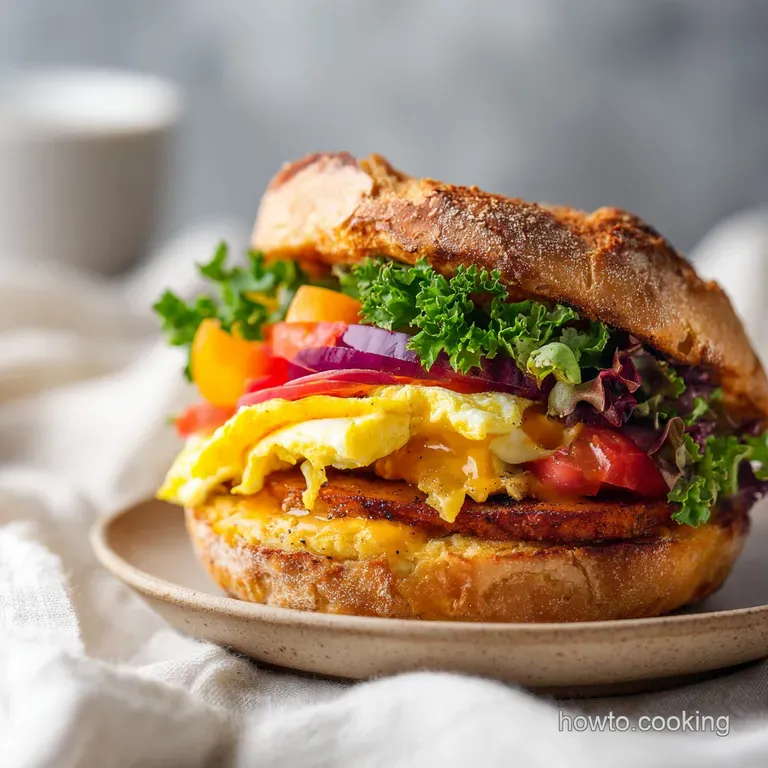
The biggest hurdle with a frozen breakfast sandwich is the texture after reheating. If you've ever had a sandwich that was hot on the outside but icy in the middle, or bread that felt like a wet sponge, these tips are for you.
Why do the eggs stay velvety instead of rubbery?
The addition of whole milk is non negotiable. When you reheat an egg, the proteins want to tighten up and squeeze out moisture (syneresis). The fat in the milk and the gentle bake at 350°F prevent the proteins from over linking.
If you bake them at 400°F, they will toughen before they even hit the freezer.
How do we achieve a shattering crust after freezing?
Toasting is not just for flavor; it's a structural necessity. By "over toasting" slightly taking the muffins to a deep tan rather than a light gold you remove excess moisture from the bread. This makes the muffin more like a cracker that can withstand the steam during the reheating process. It's a similar logic to the crust on my Perfectly Flaky Croissants recipe.
Quick Fix Table
| Problem | Root Cause | Solution |
|---|---|---|
| Soggy Bottom Muffin | Steam trapped during wrapping | Ensure the sandwich is 100% cold to the touch before wrapping. |
| Rubbery Egg Texture | Overcooking in the oven | Remove eggs when the center has just a slight, firm quiver. |
| Cheese Not Melted | Reheating too fast | Use 50% power on the microwave to allow heat to penetrate the center. |
Common Mistakes Checklist ✓ Never wrap a warm sandwich; condensation will turn into ice crystals. ✓ Whisk the eggs until no streaks of white remain for uniform density. ✓ Use sharp cheddar; mild cheese disappears flavor wise after freezing.
✓ Pat the sausage patties with a paper towel if they seem oily. ✓ Don't skip the butter; it creates a fat based barrier on the bread.
Flavor Variations to Keep Your Routine Fresh
Once you have the base method down, you can start experimenting. I love the classic sausage and egg, but sometimes the family wants something a bit more adventurous.
- The Southwest Kick: Add diced green chiles to the egg mixture before baking. Swap the cheddar for pepper jack cheese.
- The Garden Morning: Fold 1/2 cup of finely chopped spinach and sundried tomatoes into the eggs. Use a whole wheat English muffin for extra fiber.
- The Spicy Maple: Drizzle a tiny bit of maple syrup and a dash of hot sauce onto the sausage patty before closing the sandwich.
If you want X, do Y
- If you want a lighter option, replace the pork sausage with turkey sausage and use only egg whites (though you'll need 18 whites to match the volume).
- If you want maximum crunch, reheat your sandwich in an air fryer at 350°F for 5 minutes instead of using the microwave.
- If you want a vegetarian version, swap the sausage for a slice of beefsteak tomato (added after reheating) or a plant based patty.
Scaling for Larger or Smaller Families
Scaling this recipe is straightforward, but you need to be mindful of your equipment.
Downscaling (Making 6 instead of 12) Use an 8x8-inch square pan for the eggs. The bake time will likely remain the same (20 minutes), but start checking at 15. For the muffins, you'll only need 15g of butter.
If you're cutting an egg in half, just beat it in a cup and pour out what you need.
Upscaling (Making 24 for a crowd) Do not try to fit 24 eggs in one pan. They will be too thick and the edges will be leather by the time the center sets. Use two 9x13 pans on separate racks, rotating them halfway through.
When doubling spices, only increase the sea salt to about 8g (1.5x) to avoid over salting, as saltiness concentrates during freezing.
Preservation Secrets for Long Term Freshness
Storing your frozen breakfast sandwich correctly is the difference between a "good" meal and a "wholesome" one.
- Fridge
- If you plan to eat them within 3-4 days, just wrap them in parchment and keep them in a sealed container.
- Freezer
- These will stay fresh and flavorful for up to 2 months. Beyond that, the quality of the bread starts to degrade.
- Zero Waste Tip
- Don't toss the egg scraps from your circular cutouts! Chop them up and throw them into a quick fried rice or top a salad for an extra protein boost. If you have leftover muffins, turn them into croutons or breadcrumbs for a Broccoli Casserole recipe.
The Best Way to Reheat For the most flavorful result, take a sandwich out of the freezer the night before and let it thaw in the fridge. In the morning, remove the foil but keep the parchment paper on. Microwave for 60 seconds at 50% power, then 30 seconds at high power.
This gradual heating ensures the cheese melts without the bread turning into a brick.
Pairing Ideas for a Balanced Family Meal
While these sandwiches are a powerhouse on their own, pairing them with the right sides can turn a quick breakfast into a complete, nutritious meal.
I find that a bright, acidic side cuts through the richness of the sausage and cheese beautifully. A simple bowl of seasonal berries or a sliced grapefruit works wonders. If you have a few extra minutes, a quick green smoothie with spinach, green apple, and ginger provides a refreshing contrast to the savory notes of the cheddar.
For those mornings when you aren't rushing out the door, serve these alongside some crispy hash browns or a light yogurt parfait. If you're looking for a sweet treat to follow up your savory start, these sandwiches are actually a great precursor to something decadent like my Homemade Malted Milk recipe ice cream sandwiches though maybe save those for a weekend brunch!
Building your freezer stash with confidence means you’re always just a few minutes away from a wholesome meal. Whether you’re fueling up for a long workday or feeding a hungry group of kids, these sandwiches are a reliable, flavorful solution that proves "frozen" doesn't have to mean "compromised."

High in Sodium
1085 mg mg of sodium per serving (47% of daily value)
The American Heart Association recommends limiting sodium intake to about 2,300mg per day for most adults.
Sodium Reduction Tips for Your Breakfast Sandwich
-
Lower Sodium Sausage-25%
Choose low-sodium or sodium free pork sausage patties. This simple swap can significantly reduce the sodium content.
-
Reduce Cheese Sodium-15%
Opt for a lower sodium cheese like Swiss or mozzarella, or simply use less cheese per sandwich. Even using half a slice can make a difference.
-
Reduce Added Salt-10%
Reduce the amount of sea salt added to the eggs, or eliminate it entirely. The other ingredients already contribute a significant amount of sodium.
-
Select Muffins Wisely-10%
Check the nutrition labels and select lower sodium English muffins, or consider using homemade muffins for better control over ingredients.
-
Spice it Up!
Enhance the flavor with freshly cracked black pepper, garlic powder, onion powder, or other herbs and spices instead of relying on salt for taste.
Frozen Breakfast Sandwich FAQs
How do you cook a frozen breakfast sandwich?
Microwave at 50% power for 60 seconds, then 30 seconds at high power. This gradual heating prevents the bread from getting tough while ensuring the center is thoroughly thawed and warm. For best texture, thaw in the fridge overnight first if time allows.
What are good frozen breakfast sandwiches?
Homemade versions are superior to most store brands for quality. Mass produced options often lack flavor depth and suffer from poor texture post reheat. Focus on creating a strong moisture barrier using toasted bread, similar to the technique used when assembling the crust for our Garlic Butter Bread Rolls recipe.
Can I freeze premade breakfast sandwiches?
Yes, they freeze excellently for up to two months. Wrap them tightly in parchment paper followed by a layer of aluminum foil to prevent freezer burn. Ensure the assembled sandwich is completely cooled down before wrapping to avoid ice crystals forming.
Does Aldi have frozen breakfast sandwiches?
Yes, Aldi usually stocks a rotating selection of their own brand options. Check their freezer aisle for brands like Burman's or Simply Nature, which often feature sausage, egg, and cheese variations. Their availability can change seasonally, so check your local store's weekly flyer.
Why does my frozen sandwich bread get soggy after reheating?
The bread was likely not toasted sufficiently before freezing. Toasting creates a moisture resistant shield; untoasted bread absorbs the moisture released by the egg during reheating. If you master this pre-freezing step, you’ll see a huge difference, much like controlling spread in our Peanut Butter Cookies recipe.
How long can a frozen breakfast sandwich last in the freezer?
Flavor and texture are best maintained within 60 days. While technically safe to eat for longer, the quality of the bread and the egg can start to degrade after two months. Always double wrap in foil for long term storage.
What temperature should the egg bake be for freezing?
Bake the eggs at 350°F (175°C) until fully set, usually around 20 minutes. The key is removing them once they are firm but not rubbery, and then letting them cool completely on a wire rack. Cooling slowly prevents internal steam from condensing onto the bread layer.
make-ahead Frozen Breakfast Sandwiches
Ingredients:
Instructions:
Nutrition Facts:
| Calories | 482 kcal |
|---|---|
| Protein | 26.4 g |
| Fat | 28.3 g |
| Carbs | 27.6 g |
| Fiber | 1.6 g |
| Sugar | 2.1 g |
| Sodium | 1085 mg |
