Thanksgiving Dressing: the Perfect Make-Ahead Sage and Thyme Recipe
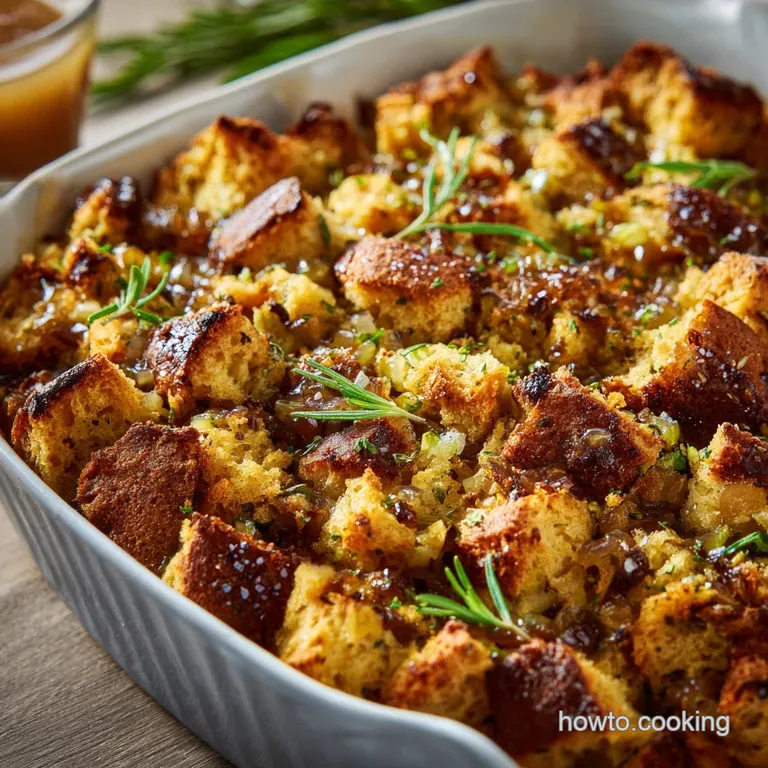
- The Ultimate Make-Ahead Sage and Thyme Thanksgiving Dressing
- Achieving the Perfect Texture: The Science of Great Dressing
- Method: Step-by-Step Guide to the Golden Crust Dressing
- Troubleshooting and Chef's Secrets for Perfect Dressing
- Prep, Storage, and Freezing Guide for Maximum Convenience
- Elevating Your Plate: Expert Serving Suggestions
- Recipe FAQs
- 📝 Recipe Card
The Ultimate make-ahead Sage and Thyme Thanksgiving Dressing
Can you smell it already? The perfect Thanksgiving Dressing isn't just a side dish; it’s the buttery, sage laced aroma that tells everyone the holidays have finally arrived. We are chasing that perfect bite: a crackly, golden crust that hides an interior so moist and savoury it nearly melts, tasting exactly like everything good about the holiday.
Honestly, this Thanksgiving Dressing Recipe is the ultimate lifesaver because it’s 90% done the day before the holiday madness hits. You can prep every single component, mix it up, tuck it into the fridge, and then just slide it into the oven alongside your Thanksgiving Side Dishes: Sticky Maple Balsamic Brussels Sprouts Recipe on the big day. It’s cheap, uses up stale bread, and tastes a million times better than anything from a box.
If you’ve ever ended up with a brick or a bowl of slop, don't worry I've been there too. My first attempt was so dry, it practically inhaled the gravy off the plate. This foolproof method focuses entirely on hydration and fat control, guaranteeing you get that classic, old-fashioned homemade dressing texture every single time.
Let’s crack on.
Why Traditional Recipes Fail (And How We Fix Them)
Traditional dressing recipes often skip the critical hydration stage, leading to a hit-or-miss situation when you bake it. If the bread doesn't fully absorb the stock before baking, it either stays crunchy or turns into a gluey mess in the oven. The fix? Resting time is mandatory.
We use an incredibly generous amount of butter 1 cup, divided which accomplishes two things. First off,, it infuses the aromatics with flavour, and Next,, that final melted butter drizzle creates the most incredible, golden, crackly crust.
This is how you get great texture without relying on the turkey cavity.
Dressing vs. Stuffing: Understanding the Critical Difference
Let’s settle this great Thanksgiving debate once and for all. What we are making here is Thanksgiving Dressing . Why? Because it’s baked in a separate casserole dish outside the turkey.
"Stuffing" is cooked inside the turkey cavity, which makes it incredibly moist (from the turkey juices) but also requires it to hit a higher internal temperature (165°F/74°C) for food safety reasons.
Since we are making a superior, crispier, and much safer make-ahead Turkey Dressing , we use the casserole method.
Difficulty and Timeline: Planning Your Prep Day
| Stage | Time Estimate | Notes |
|---|---|---|
| Active Prep | 25 minutes | Chopping aromatics, toasting bread. |
| Rest/Hydration | 30 minutes | Essential for proper absorption. |
| Baking | 45 minutes | Covered then uncovered. |
| Total Time | ~1 hour 45 minutes | Plan to do this 24 hours ahead. |
This recipe is genuinely easy once you understand the hydration step; I’d rate the difficulty as a solid Medium. The biggest time sink is the hydration period, so don't try to rush it.
Achieving the Perfect Texture: The Science of Great Dressing
The texture of great Thanksgiving Dressing relies entirely on surface area and moisture retention. We need the bread to be sturdy enough to hold its shape but porous enough to soak up the maximum amount of buttery stock.
The Stale Bread Matrix: Why Proper Drying is Non-Negotiable
If your bread is fresh, it will compress immediately when you add liquid, turning your beautiful cubes into heavy dough. Do not skip this step. Stale bread acts like a perfect sponge, soaking up all the stock and egg mixture without collapsing.
This creates air pockets, which translate to a lighter, fluffier interior and better structural integrity.
Maximizing Savoury Depth with Good Quality Stock
Skimping on the liquid is the number one cause of dry dressing. We use almost a full litre of warm, high-quality stock because it provides both moisture and seasoning. Using warm stock is a sneaky chef's trick; it helps the butter melt evenly and prevents the egg from seizing when you mix it in.
Balancing Aromatics: The Ideal Ratio of Sage to Thyme
The classic flavour profile relies heavily on sage, and we are using a robust amount a quarter cup of fresh sage, chopped. This recipe uses thyme as the backup singer, adding an earthy, floral hint without overpowering the main event.
It should smell intensely like Thanksgiving before it even hits the oven.
Choosing the Right Bread: Density and Crumb Structure
A crusty French boule, a basic sourdough, or even good quality brioche (if you want richness) works best. Avoid super soft sandwich bread, as it collapses too easily. Sourdough or French bread provides the right density and crumb structure to stay intact through the hydration and mixing processes.
Fresh vs. Dried Herbs: Elevating the Aromatic Profile
Please, if you can possibly find them, use fresh herbs here. Fresh sage has a cleaner, brighter, and more potent flavour than the dusty dried stuff. Dried herbs are fine in a pinch, but they truly can't replicate that rich, holiday scent.
Essential Ingredient List and Quick Substitutions
| Ingredient | US Measure | Why it’s Key | Substitution Idea |
|---|---|---|---|
| Stale Bread (French/Sourdough) | 12 cups cubed | Structure and Absorption | Sturdy, crusty GF bread (equal volume). |
| Unsalted Butter | 1 cup (2 sticks) | Flavour, Moisture, Crust | Olive oil or high-quality plant based butter. |
| Yellow Onion & Celery | 1 large / 4 stalks | The classic "Mirepoix" flavour base | Leeks (white parts only) for a milder flavour. |
| Fresh Sage | 1/4 cup chopped | Signature Holiday Flavour | 1 Tbsp dried sage + a pinch of rosemary. |
| Large Eggs | 3 | The Binder | 1/2 cup heavy cream (less binding power, more richness). |
| Low-Sodium Stock (Turkey/Chicken) | 4 4.5 cups | Moisture and Seasoning | Good quality vegetable broth. |
Method: step-by-step Guide to the Golden Crust Dressing
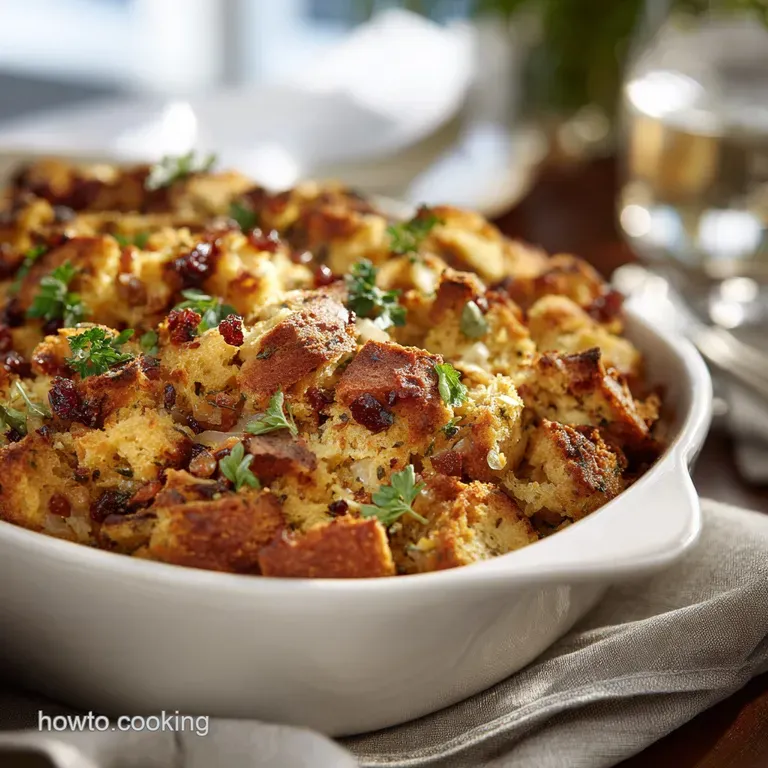
This Thanksgiving Dressing recipe is built for success, provided you follow the process closely. Remember, don’t mash the bread!
Prep Phase: Sautéing the Mirepoix and Aromatic Infusion
- Prepare the Bread: Cube your bread into rough 1 inch pieces. If you forgot to leave it out, spread the cubes on a sheet pan and bake for 10– 15 minutes at 300°F (150°C) until completely dried out. Toss them into your absolute biggest mixing bowl.
- Sauté the Aromatics: Melt 1/2 cup of the butter in a large skillet over medium heat. Add the chopped onion and celery. Cook this mixture gently for 8– 10 minutes until the vegetables are beautifully soft and translucent we don’t want any colour here.
- Infuse the Herbs: Stir in the fresh sage, thyme, salt, and pepper. Cook this for only 60 seconds until you get that glorious, nutty aroma of warm herbs. Immediately pour this entire buttery mixture over the stale bread cubes and toss gently to coat everything.
The Critical Mixing Stage: Ensuring Even Saturation
- Create the Liquid Binder: Warm your stock slightly (just microwave it for 45 seconds). In a separate bowl, whisk the 3 large eggs into the 4 cups of warm stock until combined.
- Hydrate Slowly: Pour the liquid mixture slowly and evenly over the bread and aromatics. Using your hands or a spatula, gently fold the mixture together. The goal is saturation, not mush.
- Rest and Check: Let the mixture sit for 20– 30 minutes. This rest time allows the bread to fully drink up the liquid. After 30 minutes, the bread should feel thoroughly moist but still hold its shape; there should be no standing puddle of liquid at the bottom of the bowl. If it looks dry or chunky, add up to 1/2 cup more warm stock.
Chef's Note: If you want a dressing that holds its shape when cut, use 4 cups of stock. If you prefer a wetter, more spoonable consistency, use the full 4.5 cups.
Baking for Texture: Mastering the Two-Stage Cook
- Transfer and Loosen: Grease a 9x13 inch baking dish. Gently scoop the dressing into the dish, spreading it lightly across the pan. Crucially, do not press it down. We need those glorious air pockets for a light texture.
- The Golden Crust Trick: Melt the remaining 1/2 cup of butter and drizzle it generously over the entire top surface. This is the secret to a crunchy, golden crust!
- Bake (Covered): Cover the dish tightly with foil and bake in a preheated 350°F (175°C) oven for 30 minutes. This trapped steam ensures the interior cooks evenly and stays incredibly moist.
- Bake (Uncovered): Remove the foil and bake for another 10– 15 minutes. Bake until the top is deeply golden brown and beautifully crisp, reaching an internal temperature of 165°F (74°C).
Troubleshooting and Chef's Secrets for Perfect Dressing
The Mistake of Under Seasoning the Final Mix
Bread absorbs a huge amount of seasoning, and what tastes perfectly salted as a liquid will taste bland once baked into starch. Always taste the stock mixture before you add the bread. It should taste slightly too salty or seasoned.
If it doesn't, add another 1/2 teaspoon of salt right there and then.
How to Salvage Overly Soggy or Dry Dressing
If your dressing is too soggy before baking, gently fold in about 1 cup of freshly toasted, unhydrated bread cubes. These will soak up the excess liquid. If the mixture is too dry, simply add more warm stock, 1/4 cup at a time, until the mixture is uniformly moist after the 30 minute rest.
Developing the Deepest Golden Brown Crust
The secret weapon here is the melted butter drizzle applied just before the covered bake. The butter sinks slightly but leaves a layer of fat on top that crisps beautifully when exposed to high, dry heat.
For an even more intense crust, try broiling it very briefly (1- 2 minutes) at the end, watching it like a hawk.
Prep, Storage, and Freezing Guide for Maximum Convenience
Fully Prepping 24 Hours Ahead: Chilling and Reheating Safety
This is the entire point of the recipe! You can complete Steps 1 through 8 (mix, transfer, drizzle) 24 hours in advance. Cover the unbaked dressing tightly and refrigerate.
Before baking on Thanksgiving, pull the pan out of the fridge 30 minutes beforehand to take the chill off. Then, proceed with Step 9, but you may need an extra 5– 10 minutes in the oven since it’s starting cold.
Best Practices for Freezing Unbaked Thanksgiving Dressing
Yes, you can freeze this. Assemble the dressing (Steps 1 8) in a disposable foil baking dish. Cover it tightly with plastic wrap and then a layer of heavy duty foil. It will keep well in the freezer for up to three months. Thaw it overnight in the refrigerator and then bake as directed.
Scaling This Recipe Up or Down
This recipe scales up beautifully, but you must use separate 9x13 inch pans rather than trying to stuff a triple batch into one deep roaster. If you go too deep, the centre will steam for hours and never achieve that light, fluffy texture. Use the same liquid ratios per loaf of bread.
Elevating Your Plate: Expert Serving Suggestions
Dressing should never stand alone; it needs contrast. Serve this classic Dressing Stuffing Recipe alongside rich, smooth sides.
A generous scoop of this savoury dressing pairs perfectly with my recipe for Thanksgiving Side Dishes: Ultimate Brown Butter Mashed Potatoes Recipe . The nutty notes in the potatoes complement the sage beautifully.
Make sure you have plenty of rich turkey gravy ready to go; the dressing acts like a perfect sponge for it. If you need a palate cleanser after all this buttery goodness, serve a slice of my incredibly decadent Creamy Pumpkin Pie: The Silken, Crack Free Recipe for Thanksgiving . It’s the perfect end to a perfect meal.

Recipe FAQs
Why did my Thanksgiving Dressing turn out dry and crumbly?
The main culprit is usually insufficient stock absorption or overbaking, as the bread continues to draw moisture while cooling. Ensure you measure the stock accurately, and if the mixture seems too tight before baking, add a splash more until it resembles wet oatmeal.
To prevent excessive moisture loss during baking, you can loosely cover the dressing with foil for the first 30 minutes.
How far in advance can I fully assemble this dressing?
This recipe is designed for make-ahead convenience; you can fully assemble it (mixing all ingredients and placing it in the baking dish) up to 24 hours ahead of time. Cover it tightly and refrigerate promptly after assembly to maintain freshness and texture.
Allow the dressing to sit at room temperature for about 30 minutes before baking to ensure even and thorough cooking.
What is the best type of bread to use, and does it really need to be stale?
Use dense, sturdy bread like sourdough, challah, or a robust French baguette, as soft sandwich bread will quickly turn mushy when mixed with stock. Staling is absolutely critical because dry bread absorbs the generous amount of stock and flavourings without disintegrating, providing the necessary structural integrity and crisp exterior.
Can I make this Sage and Thyme Dressing vegetarian or vegan?
Yes, substitution is straightforward for both dietary needs. For a vegetarian version, simply swap the chicken stock for a high-quality, full bodied vegetable stock. For a vegan version, use vegetable stock and replace any dairy butter with a suitable plant based butter alternative or olive oil for sautéing the aromatics.
How do I ensure the top is crispy and golden brown, not pale or soggy?
If you cover the dressing during the initial bake to lock in moisture, be sure to remove the foil for the last 15 to 20 minutes of cooking time. Additionally, for maximum crunch and colour, lightly brush the exposed surface with melted butter or cooking spray right before it goes back in for the final browning stage.
Can I freeze leftover Thanksgiving Dressing?
Yes, dressing freezes very well, especially if it is tightly sealed to prevent freezer burn. Cool the leftovers completely, portion them, then wrap tightly in plastic wrap followed by aluminum foil, and freeze for up to three months.
To reheat, thaw overnight in the refrigerator and warm covered in a 350°F (175°C) oven until piping hot throughout.
What internal temperature should the dressing reach for safety?
For food safety, especially when using poultry stock or if the dressing contains sausage (not in this specific recipe, but common), the internal temperature should reach a minimum of 165°F (74°C).
Use an instant read thermometer inserted into the center of the dish, ensuring the tip is not touching the edge of the pan.
make-ahead Sage Thanksgiving Dressing
Ingredients:
Instructions:
Nutrition Facts:
| Calories | 350 kcal |
|---|---|
| Fat | 20 g |
| Fiber | 2 g |
