Mediterranean Green Salad Bowl
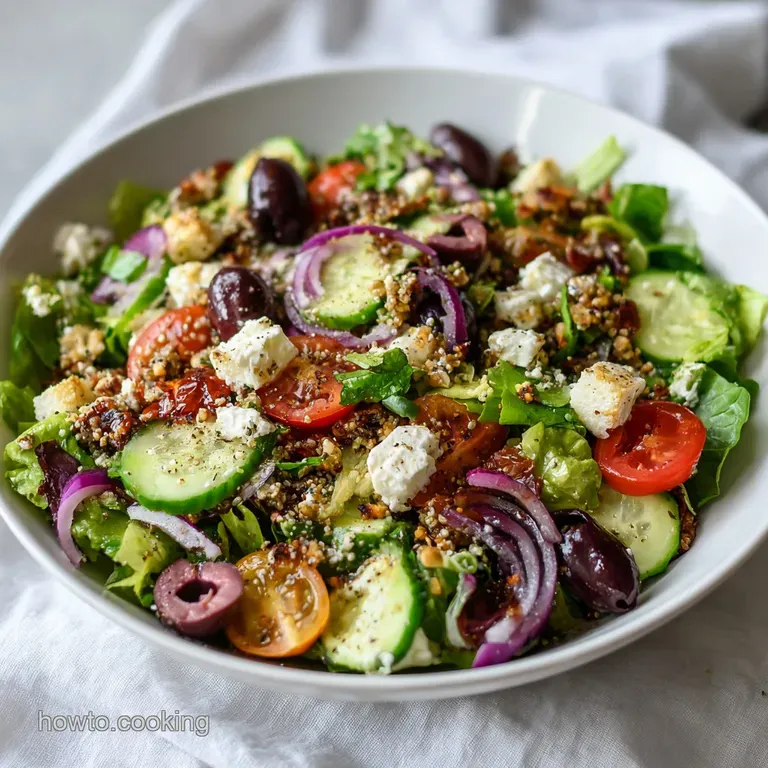
- Time: Active 15 minutes, Passive 0 minutes, Total 15 minutes
- Flavor/Texture Hook: Crunchy cucumbers paired with velvety feta and tangy lemon oregano vinaigrette.
- Perfect for: High energy weekday lunches or a crisp, no cook summer dinner.
- Master the Ultimate Mediterranean Green Salad Bowl Recipe
- Essential Techniques for Vibrant Bowl Construction
- Official Recipe Specifications and Checkpoints
- Elements Required for This Wholesome Dish
- Necessary Tools for Minimalist Kitchens
- Step-by-Step Preparation and Assembly Guide
- Tactics for Avoiding Common Salad Pitfalls
- Nutritious Variations and Dietary Substitutions
- Efficient Storage and Reheating Protocols
- Flavorful Pairings and Serving Ideas
- Very High in Sodium
- Recipe FAQs
- 📝 Recipe Card
Master the Ultimate Mediterranean Green Salad Bowl Recipe
Forget the myth that a "salad" is just a sad pile of limp lettuce and watery dressing. Most people think you need specialized equipment or an hour of chopping to get that punchy, bold Mediterranean flavor, but that's just not true.
Honestly, the biggest mistake I see is people treating every vegetable the same, throwing them all in a bowl and wondering why the whole thing turns into a soggy mess ten minutes later. We're going to fix that today with a few smart moves that prioritize texture and confidence in the kitchen.
I used to think that the secret to a great bowl was some complicated, twenty ingredient dressing. Then I realized that the real magic happens when you let the acid do the heavy lifting. This Mediterranean green salad bowl recipe is all about working smarter, not harder.
We’re going to use basic pantry staples like chickpeas and dried oregano, but we’re going to treat them with respect to ensure every bite has that shatter crisp crunch and bright, zingy finish you're craving.
We’ve all been there, staring at a bunch of kale or romaine, feeling uninspired. But when you understand how to balance the sharpness of a red onion against the creaminess of feta, the kitchen stops being a place of chores and starts being a place of creation.
You don’t need a chef’s degree; you just need to understand how ingredients talk to each other. Let’s get into the mechanics of why this specific assembly works so well.
Essential Techniques for Vibrant Bowl Construction
Acid Mellowing: When you soak raw red onions in lemon juice or vinaigrette for just 5 minutes, the acid breaks down the harsh sulfurous compounds. This transforms a sharp, biting onion into a mellow, bright accent that doesn't overpower the rest of the bowl.
Emulsification Stability: Using Dijon mustard in the dressing isn't just for flavor; it acts as a natural binder. The mustard helps the lemon juice and olive oil stay married, ensuring the dressing coats the leaves in a velvety layer rather than separating and pooling at the bottom of your bowl.
Vegetable Osmosis: Dressing the chickpeas, cucumbers, and tomatoes first allows the salt and acid to penetrate their denser structures. This seasons the "heart" of the salad deeply, while the greens stay protected on top until the very last second to maintain their structural integrity.
Turgor Pressure Management: By keeping the salt away from the leafy greens until the moment of serving, we prevent the salt from drawing out the water from the cells. This is the secret to a salad that stays crisp and prevents that dreaded "soggy bottom" syndrome.
| Cook Method | Prep Time | Texture Result | Best For |
|---|---|---|---|
| Classic Raw Bowl | 15 minutes | Maximum crunch and freshness | Fast weekday lunch |
| Roasted Chickpea | 35 minutes | Warm, nutty, and savory | Cozy autumn dinner |
| Mason Jar Prep | 10 minutes | Layered and protected | On the-go meal prep |
Choosing the right method depends entirely on your schedule, but the raw bowl remains the champion for pure, unadulterated flavor. If you find yourself needing a warmer base, the roasted chickpea variation adds a wonderful earthiness, though it does trade off some of that 15 minute speed.
Official Recipe Specifications and Checkpoints
Before we grab our knives, let's look at the hard numbers that ensure success every single time. Precision in a no cook recipe is just as vital as it is in baking. We are looking for specific visual and temporal cues to know we've hit the mark.
| Ingredient | Science Role | Pro Secret |
|---|---|---|
| Extra Virgin Olive Oil | Lipid Carrier | Use high-quality oil; it carries the fat soluble vitamins from the kale to your system. |
| Chickpeas | Plant Protein | Pat them completely dry before dressing so the vinaigrette clings to the skin. |
| Feta Cheese | Ionic Salinity | Buy it in a block of brine and crumble it yourself for a much creamier mouthfeel. |
| Lemon Juice | Protein Denaturant | Fresh is non negotiable here; bottled juice lacks the volatile oils that provide that floral aroma. |
The interaction between these components is what creates a balanced meal. The fats in the feta and oil are essential because they help your body absorb the nutrients in the dark leafy greens. Without that fat, you're missing out on half the benefits of your mediterranean green salad.
Elements Required for This Wholesome Dish
This recipe relies on fresh, accessible ingredients that you can find at any local market. The goal is to keep things simple while maximizing the quality of each component.
- 140g baby kale or chopped Romaine lettuce: Use kale for a sturdier, earthier base or Romaine for a classic, watery crunch.
- 200g Persian cucumbers: Sliced into thick half moons. Why this? They have thinner skins and fewer seeds, meaning they stay crunchy longer.
- 250g cherry tomatoes: Halved to release their juices into the dressing.
- 40g red onion: Paper thinly sliced to allow the quick pickle method to work effectively.
- 425g canned chickpeas: Drained and patted dry. Why this? Provides the bulk and protein needed to make this a full meal.
- 100g Feta cheese: Crumbled. Why this? Adds the necessary salt and creamy texture to balance the acid.
- 60g Kalamata olives: Pitted and halved for a briny, umami punch.
- 15g fresh flat leaf parsley: Roughly chopped for a hit of "green" flavor.
- 5g fresh mint leaves: Torn to release aromatic oils.
- 60ml extra virgin olive oil: The foundation of our simple Mediterranean salad dressing.
- 30ml fresh lemon juice: For bright, citrusy acidity.
- 5ml Dijon mustard: The essential emulsifier.
- 2g dried oregano: For that classic Mediterranean herbaceous scent.
- 1 clove garlic: Finely minced to infuse the oil.
- 1 pinch sea salt: To draw out flavors.
- 1 pinch cracked black pepper: For a subtle heat.
For a variation on these flavors, you might consider how the same dressing profile works in other contexts, like a Hearty Zuppa Toscana Soup where acidity balances rich fats.
Necessary Tools for Minimalist Kitchens
One of the best parts of this mediterranean green salad bowl recipe is that you don't need a pantry full of gadgets. A simple, focused approach keeps the cleanup fast and the process enjoyable.
- Large Mixing Bowl: You need space to toss the ingredients without them flying over the sides.
- Small Mason Jar: The absolute best tool for making vinaigrettes; it's faster and more effective than whisking.
- Sharp Chef’s Knife: Vital for those paper thin onion slices.
- Clean Kitchen Towel: Essential for drying the chickpeas and greens properly.
step-by-step Preparation and Assembly Guide
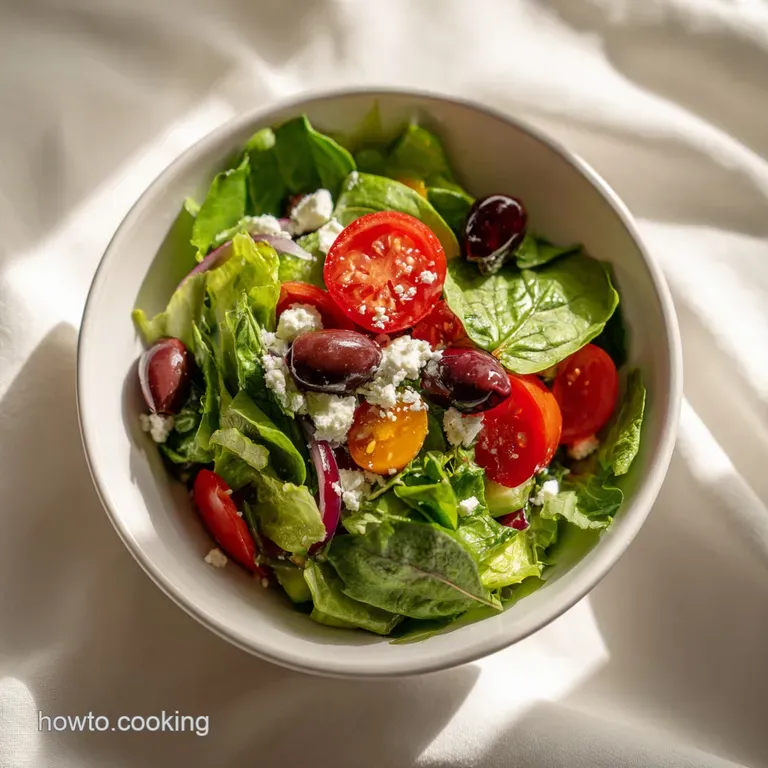
- Emulsify the vinaigrette. In a small mason jar, combine the extra virgin olive oil, lemon juice, Dijon mustard, minced garlic, oregano, salt, and pepper. Shake vigorously for 30 seconds until the mixture is opaque and creamy. Note: Shaking creates a temporary emulsion that coats the vegetables evenly.
- Mellow the onions. Place the thinly sliced red onions in a small bowl and toss with one tablespoon of the prepared dressing. Let sit for 5 minutes until the onions soften and turn slightly translucent.
- Prep the dense base. In a large mixing bowl, combine the dried chickpeas, cucumbers, and cherry tomatoes. Toss these denser ingredients with half of the remaining dressing until they look glossy and coated.
- Protect the greens. Layer the baby kale or Romaine lettuce directly on top of the dressed vegetable base. Note: This prevents the delicate leaves from sitting in the pool of acid too long.
- Add the accents. Top the greens with the crumbled feta cheese, halved Kalamata olives, parsley, mint, and the quick pickled red onions.
- Final toss. Drizzle the remaining dressing over the top and toss the entire salad immediately until every leaf is shimmering with dressing.
- Serve. Plate the salad immediately to enjoy the contrast between the cold vegetables and the zingy dressing.
- Seasoning check. Taste a leaf and a chickpea together; add an extra pinch of cracked black pepper if the flavors need a final "pop."
Tactics for Avoiding Common Salad Pitfalls
Even the simplest salad bowl recipe can go wrong if you aren't paying attention to moisture levels. The biggest enemy of a great salad is water. If your cucumbers are dripping or your chickpeas are still in their canning liquid, the dressing will slide right off, leaving you with a bland, watery mess.
Why the Mediterranean green salad turns watery
When you salt tomatoes and cucumbers, they release their internal juices. If you let the salad sit for an hour after dressing, these juices dilute the vinaigrette. The solution is to dress the heavy vegetables separately and only combine with the leaves right before you eat.
| Problem | Root Cause | Solution |
|---|---|---|
| Limp, soggy leaves | Early salting or wet greens | Spin greens completely dry and salt only at the end. |
| Harsh onion flavor | Raw sulfur compounds | Use the 5 minute soak in lemon juice or dressing. |
| Dressing separates | Lack of emulsifier | Ensure you include the Dijon mustard and shake vigorously. |
Common Mistakes Checklist
- ✓ Ensure the chickpeas are bone dry before adding to the bowl.
- ✓ Never use "pre crumbled" feta; it's coated in cellulose to prevent clumping, which ruins the texture.
- ✓ Slice the onions as thin as humanly possible; thick chunks are too aggressive.
- ✓ Tear the mint instead of chopping it to avoid bruising and browning the leaves.
Nutritious Variations and Dietary Substitutions
This Mediterranean bowl recipe is incredibly flexible. If you want to make it a more substantial meal, you can easily add bulk without sacrificing that fresh, green profile.
| Original Ingredient | Substitute | Why It Works |
|---|---|---|
| Feta Cheese | Avocado chunks | Provides similar creaminess and healthy fats for vegans. |
| Chickpeas | Cannellini beans | Softer texture with a more buttery, mild flavor profile. |
| Baby Kale | Arugula | Adds a peppery bite and a more delicate leaf structure. |
If you want a more substantial meal, adding 4 ounces of grilled chicken or a piece of flaked, hot smoked salmon turns this into a powerhouse dinner. For those following a vegan diet, double the chickpea portion or add half a cup of cooked quinoa for extra amino acids.
Efficient Storage and Reheating Protocols
Salads are notoriously difficult to store once dressed, but with a little strategy, you can make this work for meal prep. The key is to keep the "wet" and "dry" components completely separate until you are ready to enjoy the meal.
Storage: Store the chopped vegetables (cucumbers, tomatoes, chickpeas) in one airtight container and the dry greens in another. The dressing should stay in its mason jar. In the fridge, the components will stay fresh for up to 3 days.
Once the salad is fully dressed, it really needs to be eaten within 30 minutes to maintain that shatter crisp texture.
Zero Waste Tip: Don't throw away the stems from your parsley! Finely mince them and add them to the dressing jar for an extra burst of concentrated herb flavor and fiber. If you have leftover dressing, it works beautifully as a marinade for chicken or a dip for crusty bread the next day.
Flavorful Pairings and Serving Ideas
To turn this Mediterranean green salad bowl recipe into a full spread, think about textures that complement the crunch. A warm piece of pita bread or a side of garlic rubbed sourdough toast is the perfect tool for swiping up the leftover dressing and feta crumbles at the bottom of the bowl.
If you’re hosting a casual lunch, serve this bowl alongside a light, chilled soup or a plate of roasted red pepper hummus. The acidity of the salad cleanses the palate between bites of richer, creamier sides.
Trust me, the combination of the cold, crisp vegetables and a warm piece of bread is one of the simple joys of home cooking. You don’t need a complicated menu when the ingredients in your bowl are this vibrant and high-quality.
With this recipe in your repertoire, you'll have the confidence to whip up a wholesome, restaurant level meal whenever the craving strikes. No stress, no unnecessary tools just real food that makes you feel good.
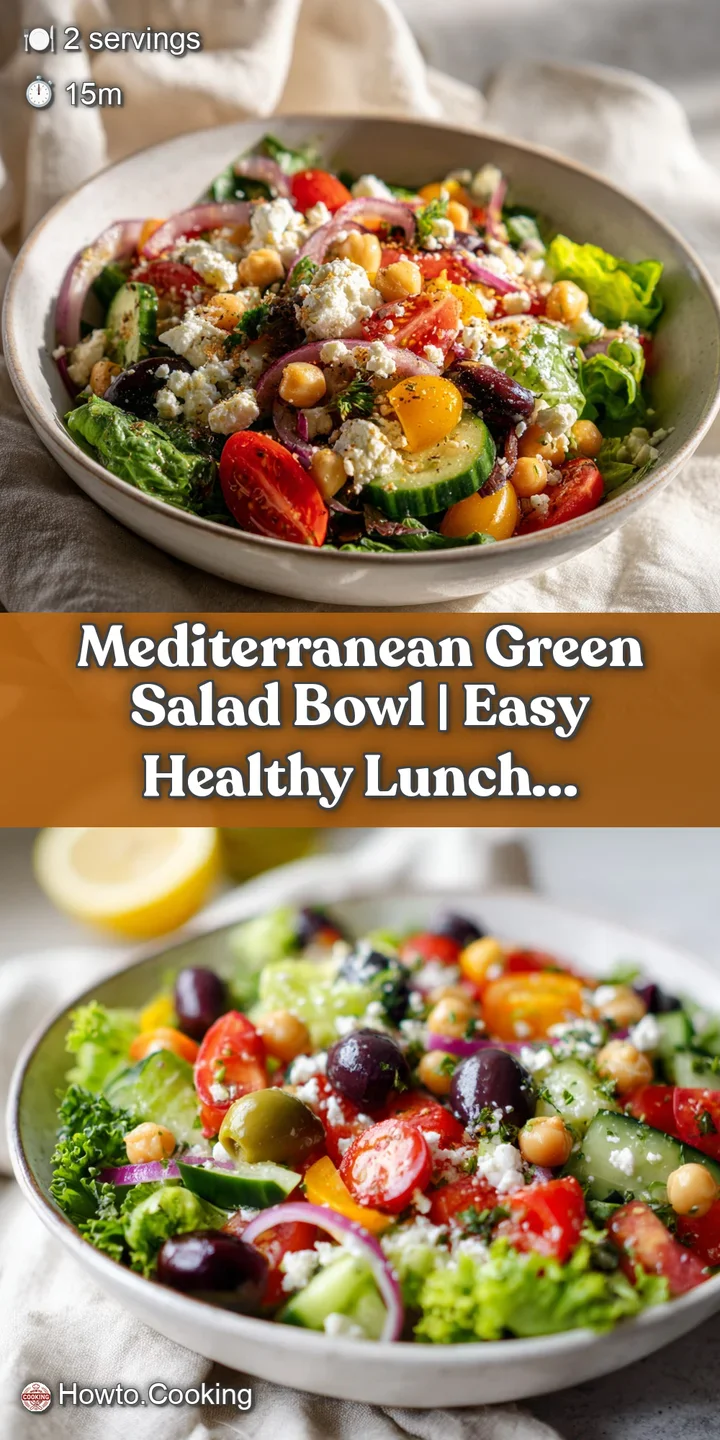
Very High in Sodium
1140 mg 1140 mg of sodium per serving (50% 50% of daily value)
The American Heart Association recommends no more than 2,300mg of sodium per day, with an ideal limit of 1,500mg.
Tips to Reduce Sodium
-
Rinse Feta Cheese-15%
Feta cheese can be a significant source of sodium. Rinsing the crumbled feta under cold water can remove a substantial amount of its salt content. Drain it well before adding to the salad.
-
Rinse Canned Chickpeas-10%
The liquid in canned chickpeas contains added sodium. Thoroughly draining and rinsing the canned chickpeas under cold running water will significantly reduce their sodium contribution to the dish.
-
Choose Low-Sodium Olives-10%
Kalamata olives are cured and can be high in sodium. If available, opt for low-sodium or no-salt added versions of Kalamata olives. If not, rinsing them can help slightly.
-
Eliminate Added Salt-5%
The recipe calls for a pinch of sea salt. Since other ingredients like feta and olives already contribute sodium, omit the added sea salt entirely. You can always add more later if needed, after tasting.
-
Boost Fresh Herbs and Spices
Maximize the flavor from fresh ingredients. Generously use the fresh parsley, mint, and garlic, and dried oregano. These aromatics add depth and complexity without any sodium.
Recipe FAQs
How to ensure the dressing is perfectly creamy?
Shake the mason jar vigorously for at least 30 seconds. This physical agitation forces the olive oil and lemon juice to form a stable emulsion, creating that opaque, creamy consistency you need for proper coating.
Is it true I can use pre-crumbled feta from the store?
No, this is a common misconception. Pre-crumbled feta is coated in cellulose to prevent clumping, which gives it a dry, chalky texture and prevents it from melding properly with the other ingredients.
How to fix raw onion flavor in the salad?
Toss the onions in one tablespoon of dressing and let them sit for 5 minutes. This quick pickling process mellows the harsh sulfurous compounds, making them much more palatable.
Why must the chickpeas be dried before adding to the bowl?
Excess moisture prevents the dressing from clinging to the surface of the beans. If you enjoyed learning how to balance acidity through emulsification here, you can see how we apply similar flavor balancing techniques in our Greek chicken meatballs recipe.
How to keep the lettuce from wilting before serving?
Layer your greens on top of the dressed vegetable base. Keeping the kale or Romaine separated from the acidic dressing until the very last second ensures the leaves stay crisp rather than becoming soggy.
Should I chop the fresh mint with a knife?
No, tear the leaves by hand instead. Using a knife often bruises the delicate mint, causing the edges to oxidize and turn brown much faster than if they are torn gently.
How to achieve the best texture for the red onions?
Slice the onions as thin as humanly possible. Using a mandoline or a very sharp chef's knife ensures the onion is delicate enough to distribute its flavor evenly without overpowering the bite with thick, crunchy chunks.
Mediterranean Green Salad Bowl
Ingredients:
Instructions:
Nutrition Facts:
| Calories | 718 kcal |
|---|---|
| Protein | 21.4g |
| Fat | 48.2g |
| Carbs | 51.6g |
| Fiber | 12.8g |
| Sugar | 8.4g |
| Sodium | 1140mg |
