The Colossal Caramel Crunch Traybake Crowdpleasing Millionaires Shortbread
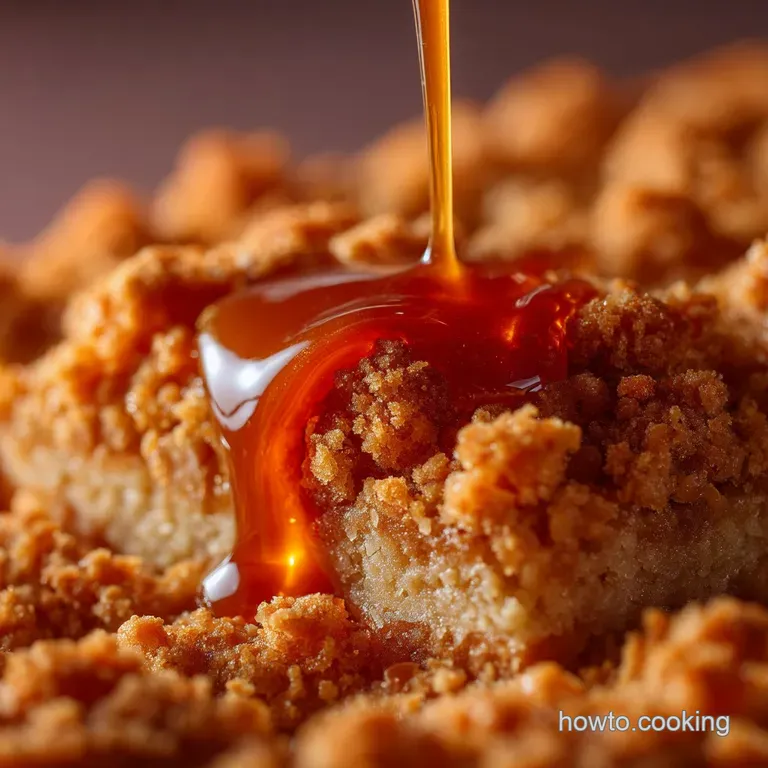
- Conquering Volume: Why Traybakes Rule the World of Bulk Desserts and Pastries
- The Millionaire’s Shortbread Masterpiece: Setting the Stage for Scale
- Assembling Your Arsenal: Components for Massive Shortbread Success
- Precision Measuring for Predictable Bulk Desserts and Pastries
- Executing the Ultimate Traybake: Step-by-Step Production Flow
- Achieving Perfect Texture Across Every Single Square
- Maximizing Longevity: Expert Storage Tips for Large Batches
- Creative Twists: Customizing Your Bulk Desserts and Pastries for Repeat Orders
- Beyond the Classic: Connecting with Other Popular Recipes
- Recipe FAQs
- 📝 Recipe Card
Conquering Volume: Why Traybakes Rule the World of Bulk Desserts and Pastries
When the occasion calls for sweet satisfaction on a grand scale, the individual cupcake or the single layer cake simply won't cut it. We need efficiency, consistency, and maximum flavour return for our effort.
This is where the magnificent traybake truly shines, forming the backbone of many successful Bulk Desserts and Pastries operations. A traybake transforms the kitchen into a production line, allowing a baker to create dozens of perfectly portioned treats from a single bake cycle.
This method is indispensable whether you are preparing for Fall Food For A Group , planning extensive Potluck Ideas Thanksgiving contributions, or simply trying to streamline your weekly baking schedule.
We’re shifting focus from delicate presentation to robust, crowd pleasing architecture, ensuring that every square cut from the pan is as delectable as the last.
The Millionaire’s Shortbread Masterpiece: Setting the Stage for Scale
To truly master volume baking, we must select a recipe that inherently handles scaling without losing its structural integrity or flavour profile. For this demonstration, we turn to a classic: Millionaire’s Shortbread. However, we are executing it as The Colossal Caramel Crunch Traybake .
This isn't a dainty afternoon treat; this is the big league a thick, rich, and impossibly chewy stack designed to yield 24 generous squares from a single 13x9 inch tray. Its success lies in the distinct layering of components, each serving a vital textural role.
Solving the Catering Conundrum: Batch Baking Brilliance
The challenge in preparing Catering Desserts often lies in managing multiple timings simultaneously. Traybakes simplify this immensely. The shortbread base bakes first, allowing you to concentrate solely on achieving that deep, buttery bake.
Once out, the oven is momentarily free while you focus on the caramel. This sequential, component based approach makes managing the complexity of Large Format Desserts significantly less daunting than juggling multiple smaller items.
The key is preparing the components so they can be layered immediately upon the previous layer reaching the appropriate temperature (warm for caramel absorption, chilled for chocolate setting).
Universally Adored: The Appeal of Chewy, Rich Flavour Profiles
Why does this specific bake resonate so strongly? It hits all the right notes: the sandy crumble of the shortbread, the deep, almost savory sweetness of the salted caramel, and the satisfying snap of the dark chocolate cap. This triumvirate of texture and flavour makes it an immediate hit for nearly every palate.
It’s a comforting, nostalgic profile that works just as well served informally at a summer picnic as it does as part of more formal Easy Fall Wedding Decor dessert tables, provided the cutting is precise.
A Baker’s Toolkit for High Yield Production
To manage this scale successfully, the baker must think less about mixing small bowls of ingredients and more about robust assembly. We require equipment capable of handling high volumes of dense dough and thick, heavy caramel.
Thankfully, for this specific iteration of Bulk Pastry Recipes , the required tools are surprisingly standard a large tray and a sturdy saucepan are your primary concerns, supported by good lining materials to ensure a clean, non-stick release of the enormous finished slab.
Assembling Your Arsenal: Components for Massive Shortbread Success
Our structure relies on three distinct layers, each requiring specific ingredient preparation. The goal here is richness without collapse. We are using 450g of cold, cubed butter and 600g of plain flour for the shortbread base, ensuring the fat ratio delivers that signature short, crumbly bite.
The caramel demands intensity: 225g of butter married with 300g of light brown sugar, fortified by a full 397g can of sweetened condensed milk and 60ml of golden syrup for that essential depth of flavour and stretch.
Finally, the topping requires 500g of high-quality dark chocolate (at least 60% cocoa solids) balanced with a touch of extra butter and oil to ensure a flawless, glossy finish that won’t crack prematurely.
Precision Measuring for Predictable Bulk Desserts and Pastries
When working on this volume, guesswork vanishes. Precision isn't just about taste; it’s about structural stability. An extra ounce of liquid in the caramel, for example, could mean the difference between a sturdy layer and a weeping, runny mess when slicing the final product.
For our shortbread base, the ratio of flour to fat is crucial for achieving the correct 'short' texture; too much flour and it becomes dry; too little, and it spreads uncontrollably during the 30– 35 minutes it needs in the oven at 350° F ( 175° C).
Sourcing Superior Shortbread Foundations
The foundation must support everything else. We initiate by combining the very cold, cubed butter with the caster sugar. It is vital here not to over cream; we are aiming for a sandy, barely combined mix before incorporating the sifted flour and salt.
Over mixing develops gluten, which is the enemy of tenderness in a shortbread.
The Three Pillars: Butter, Sugar, and Sweetened Condensed Gold
The heart of this recipe is the caramel. Achieving the perfect soft ball stage when cooking the caramel which should last between five and seven minutes of boiling is where the magic happens.
Using light brown sugar imparts molasses notes that pair beautifully with the butter, while the sweetened condensed milk provides the necessary body and slow release sweetness that defines this layer. The addition of flaky sea salt post pour is non-negotiable; it elevates the richness immensely.
Essential Equipment for Non-Fussy Fabrication
Lining your 13x9 inch tray with parchment paper, allowing for generous overhang "handles" on two sides, is the single most important step for easy handling. This allows you to lift the entire massive slab out cleanly once chilled, preventing the dreaded sticking incident that ruins the bottom edge of your Desserts for a Crowd .
A heavy bottomed saucepan is equally essential for the caramel to ensure even heat distribution and minimize scorching while boiling.
Related Recipes Worth Trying
- Easy Cream Cheese and Berry Danish Pastries Recipe — Achieve bakeryworthy Cream Cheese and Berry Danish Pastries using puff pastry Flaky buttery and bursting with fruitthe perfect weekend bake
- Easy Black Bean Pumpkin and Butternut Squash Soup Recipe — Whip up this hearty Black Bean Pumpkin and Butternut Squash Soup Its packed with smoky flavour and ready in about an hour Your new favourite comfort soup recipe
- Authentic Smothered Chicken and Rice with Rich Gravy — Ditch the slow cooker This recipe delivers truly tender chicken smothered in a deeply savoury brown gravy perfect over fluffy rice Get the foolproof guide here
Executing the Ultimate Traybake: step-by-step Production Flow
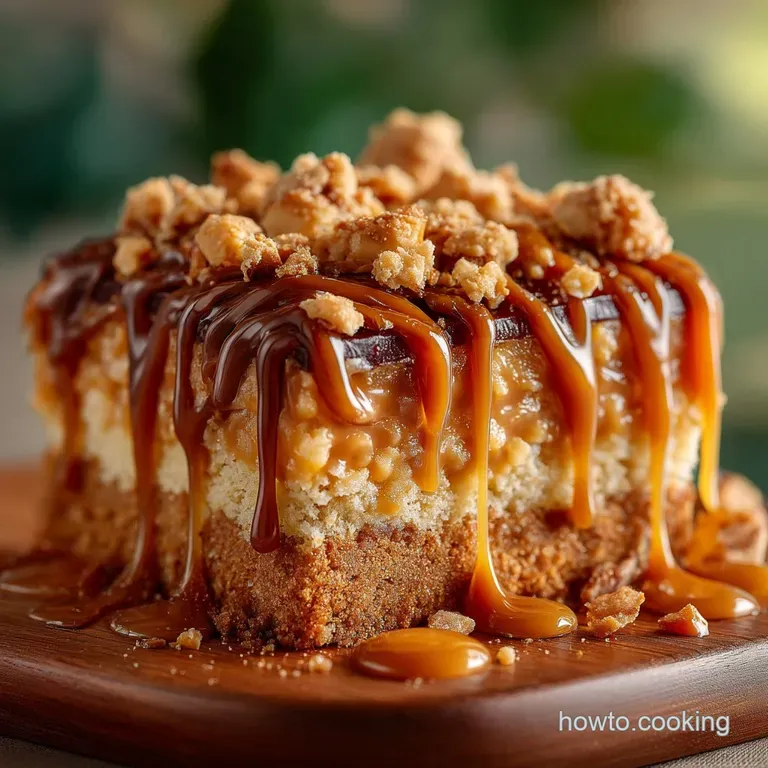
The flow is linear and sequential. First, the shortbread must bake until lightly golden at the edges, approximately 30– 35 minutes, and then cool slightly. While it cools, the caramel is cooked rapidly the intense heat application ensures proper sugar crystallization for chewiness.
The hot caramel is then poured immediately over the warm base. This warmth helps the caramel settle deeply into the shortbread crumbs. Once salted and set slightly in the fridge (about an hour), the final chocolate layer is applied.
The entire structure then needs a minimum of two hours chilling before the final, satisfying cuts can be made.
Achieving Perfect Texture Across Every Single Square
Texture control is what separates a good traybake from a legendary one. Each layer must interact correctly with its neighbour without becoming soggy or too hard.
Phase One: Laying Down the Robust Shortbread Base
After pressing the dough firmly into the prepared tray, baking it until just golden ensures it has enough structural integrity to hold the heavy caramel without crumbling when sliced later. A slightly under baked shortbread might seem tempting, but it will absorb moisture from the caramel, turning gummy.
The Caramel Crucible: Crafting the Indulgent Middle Layer
This is the phase demanding the most attention. After melting all ingredients, boiling the mixture for precisely 5 to 7 minutes ensures we hit the perfect chewy consistency. If you boil it too short, it remains liquid; too long, and you end up with caramel that shatters like toffee when bitten.
Setting the Chocolate Capstone for Clean Cutting
The final chocolate layer is not just about flavour; it's the final seal. Mixing the chopped dark chocolate with a tablespoon of oil and a small amount of butter ensures the chocolate melts down into a fluid, glossy ganache like texture.
Pouring this over the firm caramel prevents immediate melting or mixing, allowing it to set into a distinct, snappy layer.
Maximizing Longevity: Expert Storage Tips for Large Batches
One of the great advantages of these Bulk Desserts and Pastries is their shelf life. Because the layers are dense and relatively low in moisture (outside of the caramel), they store exceptionally well.
Once completely chilled and cut, individual squares should be layered between sheets of parchment paper inside an airtight container. Stored at cool room temperature, they easily last a full week, making them fantastic for weekly meal prep or staggered event contributions.
Creative Twists: Customizing Your Bulk Desserts and Pastries for Repeat Orders
While the classic configuration is unbeatable, customization keeps clients coming back. For instance, substituting the golden syrup with maple syrup introduces a distinctly autumnal note, making it ideal for Fall Food For A Group events.
You can also infuse the melted chocolate with espresso powder for a mocha kick or swirl in a tablespoon of smooth peanut butter just before pouring the caramel layer to introduce a peanut butter variation. These small changes offer immense variety from a single batch process.
Beyond the Classic: Connecting with Other Popular Recipes
Understanding the mechanics of this traybake the firm base, the chewy middle, the solid top allows a baker to adapt almost any concept. Think of shortbread bars, lemon or raspberry shortbread bases topped with curd and white chocolate, or using a gingerbread base instead of standard shortbread for winter events.
The methodology of Bulk Pastry Recipes is transferable.
Troubleshooting Common Yield Issues
The most common issue when scaling is inconsistent heating. If your oven has hot spots, rotate the tray halfway through the shortbread bake. If the caramel seems too runny, it simply didn't boil long enough; the texture can sometimes be salvaged by returning it briefly to the heat, stirring constantly until it visibly thickens again.
Freezing Fundamentals for Future Feasts
For true batch baking efficiency, freezing is your friend. Once the shortbread layer is baked and cooled (before the caramel is added), you can wrap the bare shortbread slab tightly in cling film and foil. This base freezes beautifully for up to three months.
Thaw overnight before proceeding with the caramel and chocolate layers.
Upgrading Your Toppings: Nuts, Flakes, and Zests
Before the final chocolate layer sets, textural additions can elevate the final look. Chopped, toasted hazelnuts or pecans provide an excellent crunch contrast. Alternatively, dusting the chocolate with fine gold luster dust or colourful sprinkles can instantly theme the bake for specific holidays or celebrations.
Feedback Loop: Engaging Our Community of Bakers
When you tackle these colossal bakes, remember the goal is satisfaction. Whether you are making these for a large family gathering or planning them as part of your Catering Desserts menu, documenting how well the portions held up or which flavour variation was most popular is crucial.
Share your results and challenges; scaling up baking techniques is a communal process, and learning how others manage Large Format Desserts helps us all elevate our game.

Recipe FAQs
When making Bulk Desserts and Pastries like this traybake, how do I stop the shortbread base from crumbling to bits when I try to cut it?
The secret to a stable shortbread base lies in how you handle it before and after baking. Make sure you press the dough down firmly and evenly into the tin; use the bottom of a glass to compact it properly.
After baking, let it cool slightly before pouring the warm caramel on, as this helps bind the structure before the final chill.
My caramel always ends up too runny or sometimes burns what's the trick for getting that perfect chewy texture when batch baking?
Caramel is a bit of a temperamental beast, bless it! For this recipe, you must boil the mixture for the specified 5 7 minutes after it reaches a rolling boil, stirring gently but constantly. If you stop cooking early, it won't set properly, and if you cook it too long, it turns rock hard.
Trust the timer, not just your eyes!
Can I freeze these Bulk Desserts and Pastries, and if so, how should I wrap them up to avoid freezer burn?
Yes, absolutely! These freeze brilliantly, which is the whole point of batch baking, isn't it? Cut the traybake into individual squares first, then wrap each square tightly in plastic wrap, followed by a layer of foil. They'll keep well for up to three months, tasting just as good when thawed overnight in the fridge.
I need a slightly lighter version what are the best swaps for reducing the richness in this colossal traybake?
To lighten the load a tad, you could swap the butter in the shortbread base for a mix of butter and solid coconut oil, which is slightly lower in saturated fat. For the topping, use a good quality milk chocolate instead of dark, which reduces the overall cocoa intensity, though it will make the dessert sweeter overall.
How long should these Millionaire's Shortbread slices last stored in the fridge before they start tasting stale?
Because of the high sugar and fat content, these keep remarkably well, provided they are kept covered in an airtight container in the fridge. You can generally expect them to be tip-top for about 7 to 10 days. If you leave them out on the counter, the caramel might get a bit soft, especially on a warm day!
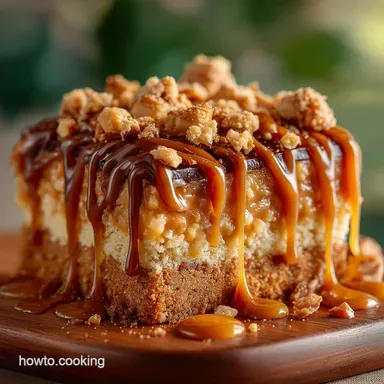
Millionaires Shortbread Traybake
Ingredients:
Instructions:
Nutrition Facts:
| Calories | 260 kcal |
|---|---|
| Protein | 1.1 g |
| Fat | 13.4 g |
| Carbs | 22.3 g |
| Fiber | 0.5 g |
| Sodium | 1391 mg |
