The Weekend Treat Effortless Minced Beef Wellington with Mushroom Duxelles
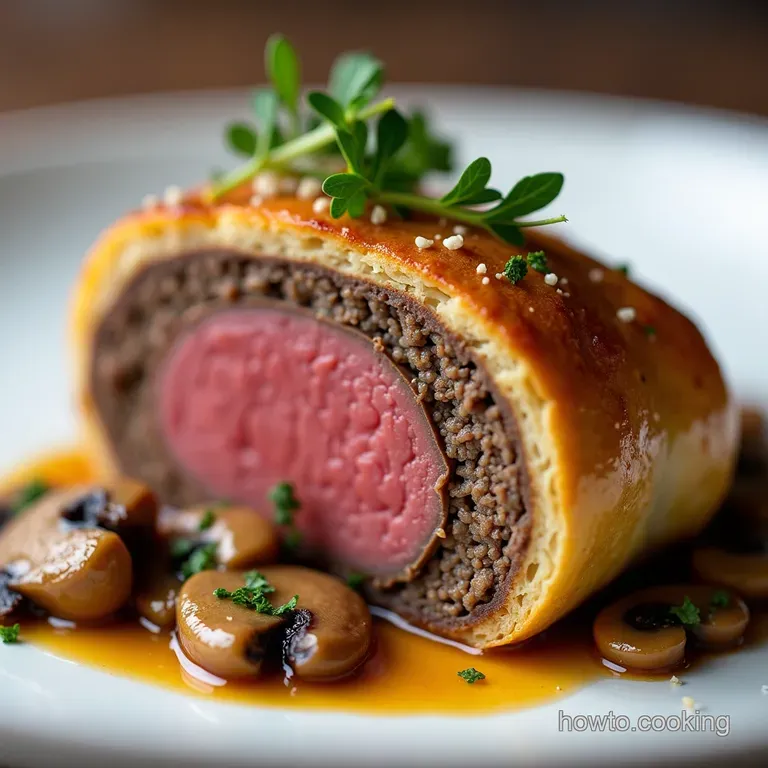
- Elevating the Weeknight Dinner: The Magic of Minced Beef Wellington
- Why This Simplified Wellington Outshines the Classic Fillet
- The Pantry Assembly: Securing Top-Tier Components for the Filling
- Essential Provisions for the Golden Pastry Sheath
- Phase One: Building Depth of Flavour in the Beef Mixture
- The Crucial Step: Perfecting the Mushroom Duxelles for Wrapping
- The Art of Encasement: Sealing the Wellington for Baking Success
- Serving Suggestions: Complementary Sides to Enhance Your Roast
- Troubleshooting Common Issues with Your Pastry Wrap
- Recipe FAQs
- 📝 Recipe Card
Elevating the Weeknight Dinner: The Magic of Minced Beef Wellington
Right then, let’s get cracking! A Minced Beef Wellington —a smashing idea for a family Sunday lunch when you fancy the pomp of the classic but perhaps don't fancy wrestling a whole fillet steak into submission.
We’re taking that iconic, buttery pastry crust and filling it with a rich, deeply savoury beef mixture. Think of it as the sophisticated cousin to a classic meatloaf, wrapped up like a birthday present.
This Minced Beef Wellington Recipe takes the grandeur of a classic centerpiece and makes it delightfully accessible. It’s comfort food dressed up for a garden party, offering all the flavour fanfare without the fuss often associated with its famous counterpart.
This delightful take on Mince Recipes is about maximizing deep, earthy flavour within a golden, flaky envelope.
Why This Simplified Wellington Outshines the Classic Fillet
The classic Beef Wellington demands precision, timing, and often, a very large budget. Our adaptation, the Ground Beef Wellington , flips the script. By utilizing finely prepared minced meat recipe components, we achieve a texture that readily absorbs herbs and aromatics, ensuring every bite is saturated with flavour.
On top of that,, because the filling cooks more evenly and quickly than a whole piece of beef, the risk of overcooking the outside while waiting for the centre to reach temperature is significantly minimized.
This version ensures a consistently juicy core enveloped by perfectly crisp pastry, making it an ideal candidate for a satisfying Baked Dinner Entrees selection.
A Showstopper Without the Stress: Introducing Our Recipe Angle
Our approach centers on three non-negotiable elements: superior duxelles, perfectly seasoned beef, and rigorous chilling protocols. We are aiming for an internal log that is compact, flavour packed, and structurally sound enough to withstand being enveloped by pastry.
This Beef Wellington with Mince is not just a shortcut; it's a strategic reimagining. We substitute the prosciutto barrier with an intensely concentrated mushroom layer, which provides the necessary umami depth and acts as a moisture shield, ensuring the integrity of the final product.
The Essential Components of Superior Flavour Integration
To build this flavour profile, we rely on quality ingredients married together properly. For the filling, we use 1.5 lbs of lean ground beef (an 85/15 blend strikes a nice balance), enriched with Panko breadcrumbs for structure, Dijon mustard for a necessary tang, and Worcestershire sauce for foundational depth.
Crucially, the Duxelles must be cooked down until nearly dry, concentrating the earthy mushroom flavour into a potent spread, which acts as the true flavour driver in this Minced Beef Wellington .
Setting the Stage: What Makes This Roast Perfect for Sunday Gathering
This recipe is perfectly portioned to yield 4 to 6 generous servings, making it ideal for a Sunday lunch where you want elegance without the need for complex side dishes to do all the heavy lifting.
Prep time is manageable about 45 minutes of active work and once assembled, the mandatory chilling time allows the home cook precious moments to focus on preparing simple, complementary sides.
It’s the kind of centerpiece that looks like it took all day but was largely hands off once it entered the oven.
The Pantry Assembly: Securing Top-Tier Components for the Filling
When creating the core of your Minced Beef Wellington , the quality of your foundational ingredients sets the bar. For the beef mixture, you’ll need 1.5 lbs of ground beef. Avoid anything overly lean, as the pastry is rich; an 85/15 blend offers just enough fat to carry the flavour.
To bind and season this, have on hand 1 large egg (lightly beaten), 1/2 cup of Panko breadcrumbs, 2 tablespoons of Dijon mustard, a splash of beef stock (low sodium is best), and fresh parsley.
Don't forget the seasoning punch from Worcestershire sauce and a teaspoon of English mustard powder for a subtle, warming heat.
Essential Provisions for the Golden Pastry Sheath
No Wellington is complete without its buttery armour. You will need one package (about 14 oz) of high-quality, all-butter puff pastry . This is where investing in quality truly pays off; the flavour of butter shines through beautifully when baked golden brown.
You'll also require basic flour for dusting your work surface. Finally, for that irresistible, deep amber finish, prepare an egg wash: 2 large egg yolks beaten with 1 teaspoon of water. These simple ingredients form the foundation of excellent Puff Pastry Recipes Savory .
Mastering the Duxelles: Preparing the Savoury Mushroom Base
The duxelles is the unsung hero, forming a vital moisture barrier between the beef and the pastry. Take 1 lb of mixed mushrooms cremini, button, or shiitake offer great texture and process them finely, though not to a paste.
Melt 2 tablespoons of unsalted butter in a large skillet, then sauté a finely minced shallot and two cloves of garlic until soft. Introduce the mushrooms and 1 teaspoon of fresh thyme leaves.
The trick here is patience: cook over medium high heat until every last drop of moisture has evaporated and the mixture has browned significantly. If you’re feeling adventurous, deglaze with 1/4 cup of dry Sherry or white wine, cooking until that too evaporates before seasoning generously.
Spread this intensely flavoured mushroom mixture onto a plate and chill completely.
What Equipment Do I Need to Build This Minced Beef Wellington?
While this is a simplified recipe, precision still matters. You’ll need a large non-stick skillet for cooking the duxelles, a rolling pin for preparing the pastry, and a baking sheet lined with parchment paper. A sharp knife or pizza cutter is essential for trimming the pastry neatly.
Most importantly, for verification of doneness, a reliable meat thermometer will bring peace of mind, ensuring your Ground Beef Wellington Recipe hits that perfect internal temperature safely.
Pro Tip: Selecting the Right Mince Consistency and Fat Content
When purchasing your beef, look for a grind that isn't too loose or watery. If you are grinding your own, a medium grind is perfect. As mentioned, 85% lean is a good starting point.
If your mince seems overly wet after forming the log, you can briefly brown the mixture before forming the log, but be cautious not to cook it through this is a flavourful approximation, not a fully cooked filling.
Related Recipes Worth Trying
- The Coziest Cheesy Ground Beef and Rice Casserole Recipe — Whip up this easy Cheesy Ground Beef and Rice Casserole for the ultimate weeknight comfort food dinner Rich savoury and perfectly cheesy
- Hearty Slow Cooker Pinto Beans with Beef and Green Chile — Forget canned dinners Make these unbelievably tender Slow Cooker Pinto Beans Green Chile and Beef Its easy Crockpot Beans With Ground Beef comfort food...
- The Ultimate Vegetable Wellington Recipe Crispy Pastry Perfection — Ditch the soggy bottoms This stunning Vegetable Wellington recipe delivers a rich root vegetable filling wrapped in flaky puff pastry Perfect for elegant...
Phase One: Building Depth of Flavour in the Beef Mixture
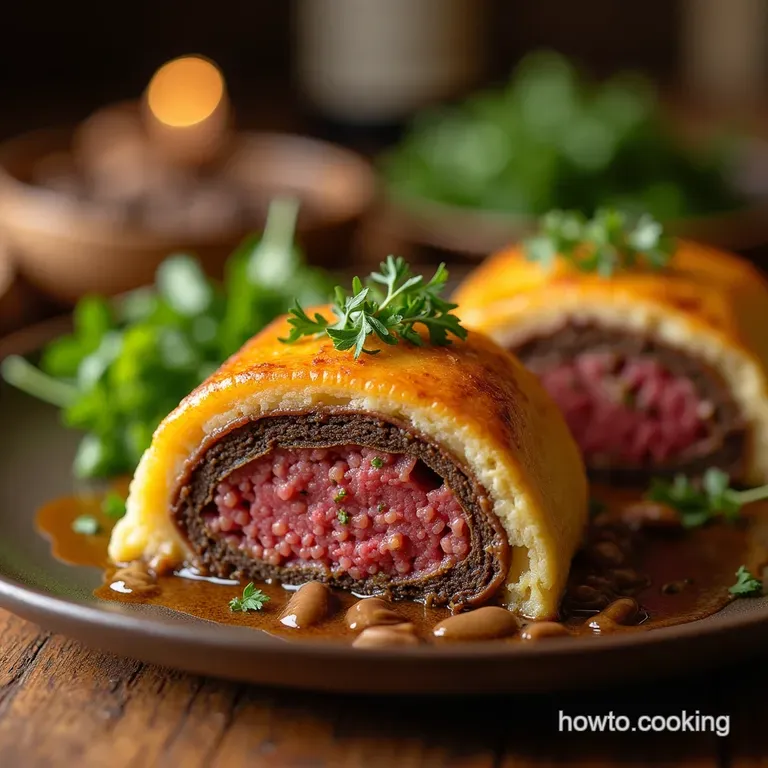
In a large mixing bowl, gently combine all the ingredients slated for the filling: the ground beef, Panko, egg, Dijon, Worcestershire sauce, stock, parsley, and mustard powder. The operative word here is gently .
Overmixing ground meat releases proteins that result in a tough, bouncy texture, much like an overworked meatball. We want this mixture relatively tender. Mix only until the components are just incorporated.
Season thoroughly with salt and freshly ground black pepper before taking a small taste (if you are using pre-cooked binding ingredients, or simply trust your seasoning judgment if raw).
The Crucial Step: Perfecting the Mushroom Duxelles for Wrapping
Your chilled duxelles should be dark, deeply savoury, and firm enough to spread. This concentrated mushroom layer is vital; it prevents the juices from the beef from penetrating the pastry base during baking.
Once cooled, spread this mixture evenly across the centre third of your rolled out puff pastry rectangle, ensuring you leave about a 1.5 inch clear border on all sides. This margin is crucial for sealing the Wellington effectively.
The Art of Encasement: Sealing the Wellington for Baking Success
This stage requires a steady hand. Once the beef log has been shaped tightly and chilled a minimum of 30 minutes is required here it is ready to meet its mushroom coated pastry shell.
Sautéing Aromatics: Developing the Base Flavour Profile
(Note: This step refers to developing the duxelles, which was completed earlier, but its impact on the final product is paramount.) The intense sautéing of shallots, garlic, and thyme, followed by the reduction of sherry, ensures that the mushroom layer provides an unparalleled, dry umami base, setting the stage
for all the other flavour notes in this excellent Minced Beef Wellington .
Chilling Protocol: Ensuring the Filling Holds Its Shape
After shaping the seasoned beef mixture into a tight, uniform log (roughly 8 inches long), wrapping it tightly in cling film is essential. This chilling protocol firms the fats and binds the meat, making the log handleable for the delicate wrapping process.
Do not rush this 30-minute minimum chill; it prevents structural collapse during the final wrap.
Glazing Techniques: Achieving That Irresistible Golden Hue
Once the Wellington is fully assembled and seam side down on the parchment, brush the entire surface with the prepared egg wash. For maximum gloss and colour, allow the Wellington to chill for a final 15 minutes before applying a second, thin coat just before it enters the oven.
This double application ensures an utterly irresistible golden sheen on your finished bake. If you wish to add decoration, use the tip of a sharp knife to score a crisscross pattern lightly over the top, taking care not to cut through to the filling.
Oven Placement Strategy for Even Cooking
Preheat your oven to 400° F ( 200° C). Place the prepared Wellington on the centre rack of the oven. This central placement allows ambient heat to circulate evenly around the entire pastry structure, promoting uniform browning on the sides and bottom while the top achieves its rich colour.
Monitoring the internal temperature is key here; aiming for 155° F ( 68° C) ensures it is beautifully cooked without being dry.
Serving Suggestions: Complementary Sides to Enhance Your Roast
A rich main like this demands sides that offer textural contrast or sharpness to cut through the buttery pastry and savoury beef. A sharp, acidic red wine jus or a creamy peppercorn sauce works wonders as a drizzle.
For vegetables, keep it simple: perfectly steamed green beans tossed with flaked almonds provide a delightful crunch, or consider creamy mashed potatoes, the ultimate companion for soaking up any residual pastry juices left on the plate.
Troubleshooting Common Issues with Your Pastry Wrap
The biggest fear when tackling any wrapped roast is the dreaded soggy bottom. If your pastry seems wet, it’s almost always due to excess moisture in the filling or insufficient chilling. Ensure your duxelles is bone dry, and never skip the two chilling stages they are not optional!
Another common issue is a split seam; this happens if you don't brush the pastry edges adequately with egg wash, which acts as the adhesive. Press seams firmly and always place the final product seam side down to bake.
Storage Guidelines: Keeping Leftover Minced Beef Wellington Fresh
Leftover Minced Beef Wellington stores exceptionally well. Once completely cooled, wrap any unused portion tightly in plastic wrap, followed by foil, and refrigerate for up to 3 days.
To reheat, slice the portions first and bake them uncovered in a moderate oven ( 350° F/ 175° C) until the pastry is crisp again, usually about 15– 20 minutes. Freezing cooked leftovers is also viable for up to two months.
Vegetarian Swaps and Alternative Seasoning Blends
While this recipe focuses on the richness of beef, the structure is highly adaptable for vegetarian adaptations. You can substitute the beef core with a hearty, pre-baked lentil and mushroom loaf, ensuring its texture is firm before wrapping.
For seasoning variations in the beef version, try incorporating finely grated lemon zest and fresh sage into the beef mixture for a brighter profile, or swapping the thyme in the duxelles for finely chopped fresh rosemary.
Resting Time Importance: Maximizing Juiciness Post Bake
Once removed from the oven, that beautiful Wellington must rest for a minimum of 10 minutes before slicing. This crucial step allows the internal meat juices, which are very active after baking, to redistribute back throughout the meat log.
Slicing too soon will result in the juices immediately spilling onto your cutting board. Patience here guarantees a moister, more flavourful slice for everyone enjoying this spectacular take on Baked Dinner Entrees .

Recipe FAQs
Why is my pastry base soggy when I make Minced Beef Wellington?
Soggy bottoms are the bane of any Wellington baker's life! The key culprits are usually too much moisture in the filling or not chilling enough. Make sure you cook all the liquid out of your mushroom duxelles until it’s almost dry, and ensure your beef mixture isn't too wet.
A good 15-minute final chill before baking helps the pastry hold its structure.
Can I make the Minced Beef Wellington ahead of time, like for a dinner party?
Absolutely, making it ahead saves heaps of stress! You can assemble the entire Wellington (wrapped but unbaked) up to 24 hours in advance. Keep it tightly wrapped in the fridge; just remember to give it an extra 15 minutes in the oven if it’s coming straight from the cold, or let it sit on the counter for 30 minutes before baking.
What internal temperature should the beef be when it’s done?
Since we’re using minced meat rather than whole fillet, we need to ensure it's fully cooked for safety. Aim for an internal temperature of 160°F (71°C) for well done, though 155°F (68°C) will give you a juicy, medium finish.
Always use a meat thermometer inserted through the side into the centre of the beef core for accuracy!
What's the best way to store leftovers of the Minced Beef Wellington?
Leftovers are brilliant for lunch the next day; just wrap any slices tightly in foil or plastic wrap and keep them in the fridge for up to three days. To reheat, the best way to avoid drying out the pastry is to reheat slices in a moderate oven (around 350°F or 175°C) until warmed through, rather than resorting to the microwave.
I hate mushrooms! Can I skip the duxelles layer in my Minced Beef Wellington?
While the duxelles provides essential flavour and acts as a moisture barrier, you can certainly swap it out. A good alternative is a thin layer of finely chopped, sautéed spinach mixed with a little cream cheese, or you could simply skip the barrier layer entirely and rely on a very dry beef filling and aggressive chilling.
Minced Beef Wellington
Ingredients:
Instructions:
Nutrition Facts:
| Calories | 1838 kcal |
|---|---|
| Protein | 24.9 g |
| Fat | 40.8 g |
| Carbs | 111.2 g |
| Fiber | 22.0 g |
| Sodium | 922 mg |
