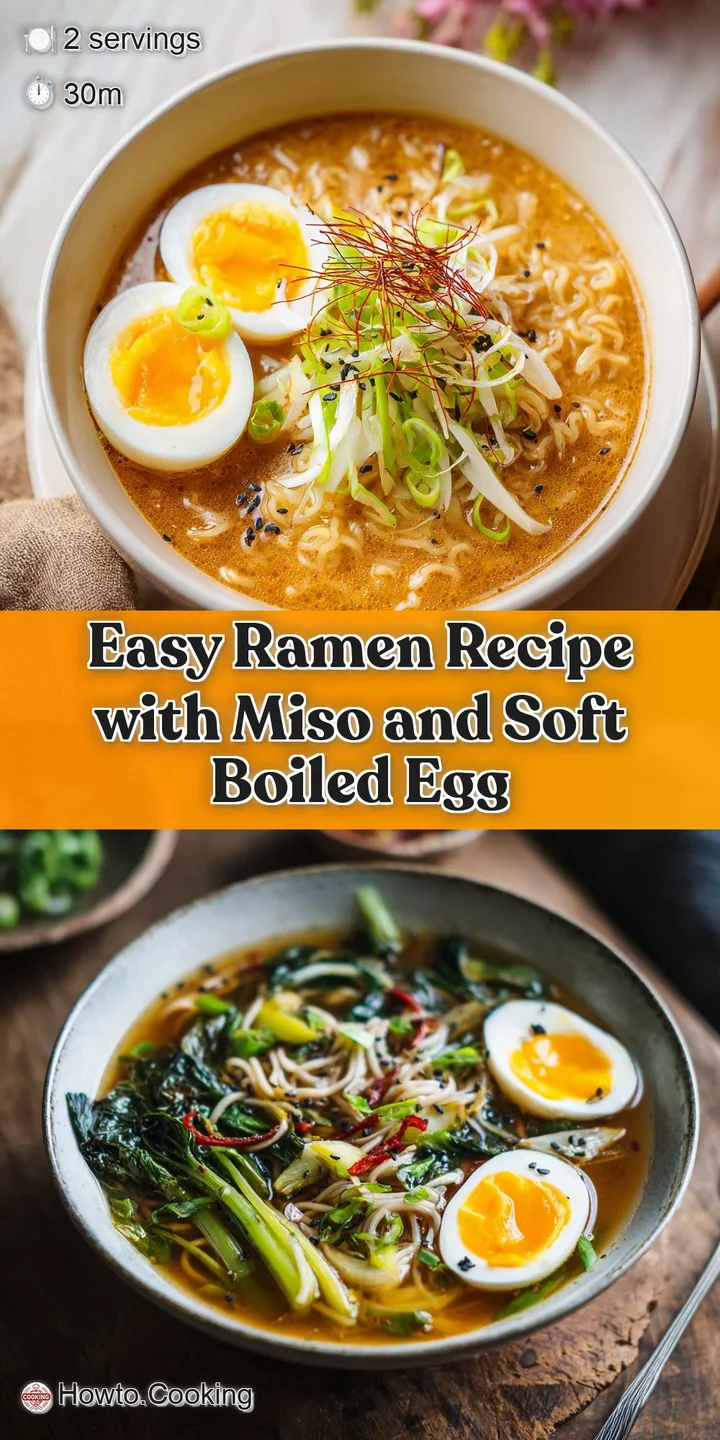
Ramen Recipe with Miso and Soft Boiled Egg
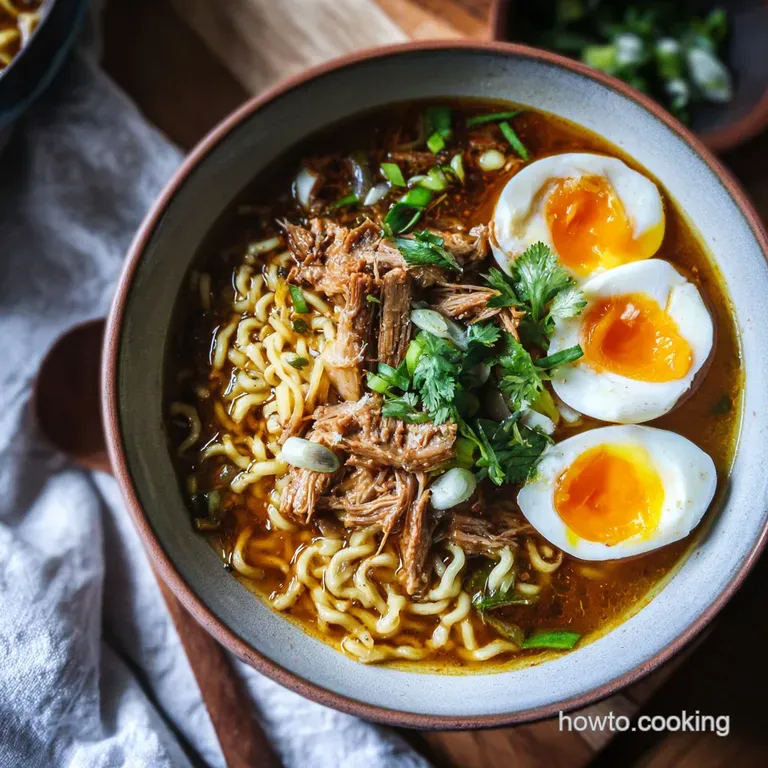
- Time: Active 15 minutes, Passive 15 minutes, Total 30 mins
- Flavor/Texture Hook: Velvety, umami rich broth with jammy, salt cured eggs
- Perfect for: High speed weeknight dinners when you need a hearty, comforting hug in a bowl
- Quick Ramen Recipe with Miso and Soft
- Why This Umami Broth Works
- Key Ingredients and Smart Substitutes
- Tools Needed for Ramen Success
- Simple Steps for Fast Cooking
- Solving Common Ramen Cooking Problems
- Creative Swaps for Busy Cooks
- Storing and Reheating Your Ramen
- Perfect Pairings for Better Meals
- Myths
- Very High in Sodium
- Recipe FAQs
- 📝 Recipe Card
Quick Ramen Recipe with Miso and Soft
I remember the first time I tried making ramen at home. I thought I had to boil pork bones for eighteen hours just to get that cloudy, rich broth we all crave. I was standing in my tiny kitchen, surrounded by steam, feeling completely defeated by a recipe that felt more like a chemistry project than dinner.
But then, a chef friend told me the secret: miso is the ultimate shortcut. It gives you all that fermented depth and body without the overnight wait.
This ramen recipe with miso and a perfectly soft boiled egg is the result of all my failed attempts at "authentic" broth turned into something actually doable for a Tuesday night. The moment you drop that dollop of miso into the hot broth and watch it swirl into a cloudy sunset of salt and soy, you'll know exactly what I mean.
It's about that specific sizzle when the grated ginger hits the sesame oil, filling your kitchen with a scent that beats any takeout container.
We aren't just making soup here; we're building layers. From the marinated eggs that soak up all that salty goodness to the way the baby bok choy stays crisp against the tender noodles, every part of this bowl has a job.
It’s fast, it’s punchy, and honestly, it’s one of those recipes that makes you feel like a pro even when you're just wearing your pajamas.
Why This Umami Broth Works
- Aromatic Infusion: Grating ginger and garlic directly into hot sesame oil creates a rapid flavor extraction that permeates the entire liter of broth instantly.
- Miso Emulsification: The fermented soy paste acts as a natural thickener, suspending tiny particles in the liquid to create a velvety mouthfeel without heavy fats.
- Osmotic Egg Cure: Soaking the eggs in a soy mirin water mixture uses osmosis to draw seasoning into the yolk, transforming the texture into a jammy concentrate.
- Starch Management: Cooking the 180 g of noodles separately prevents excess starch from thickening the broth, keeping the soup clear and the noodles springy.
| Method | Total Time | Texture | Best For |
|---|---|---|---|
| Traditional Stovetop | 30 mins | Silky and balanced | Daily weeknight dinners |
| Concentrated Base | 20 mins | Intense and salty | Prepping lunch in advance |
| Slow Infused | 1 hours | Deep and layered | Weekend relaxing meals |
The key to a great bowl is the temperature of the miso. If you boil it aggressively, you actually kill off the complex flavors and probiotics that make it so savory. Instead, we whisk it in at the very end. This keeps the flavor bright and prevents the broth from becoming one dimensional or overly bitter.
Key Ingredients and Smart Substitutes
The components in this ramen recipe with miso and soft boiled egg are chosen for their ability to deliver maximum impact with minimal prep. We're using 2 large eggs for that classic protein hit and 45 g of miso paste to provide the backbone of the entire dish.
- Chicken Broth (1 liter): Low sodium is vital so you can control the salt. Why this? Provides a clean, savory base that lets the miso shine through clearly.
- Miso Paste (45 g): Use white (shiro) for sweetness or red (aka) for a punchier kick. Why this? The primary source of fermented umami and the secret to a cloudy broth.
- Ramen Noodles (180 g): Dried wheat noodles work perfectly here. Why this? Their curly shape is designed to grab onto the emulsified miso broth particles.
- Chicken Breast (200 g): Thinly sliced for rapid cooking. Why this? Lean protein that absorbs the ginger and garlic notes during the quick sear.
| Original Ingredient | Substitute | Why It Works |
|---|---|---|
| Mirin (15 ml) | Sherry + sugar | Similar acidity and sweetness. Note: Sherry is slightly more alcoholic. |
| Baby Bok Choy (2 cups) | Spinach | Wilted greens provide the same earthy balance to the rich broth. |
| Chicken Breast (200 g) | Firm Tofu | Absorbs the broth beautifully. Note: Tofu won't provide the same seared fat. |
Using the right soy sauce matters too. If you find the 50 ml of soy sauce makes the marinade too dark, you can swap half of it for light soy sauce to keep the eggs looking bright while maintaining that savory depth. Much like the technique used in our My GoTo dipping recipe, the balance of salt and sugar is what makes the flavor pop.
Tools Needed for Ramen Success
You don't need a professional kitchen to pull this off, but a few specific tools make the process much smoother. A heavy bottomed pot, like a 3 liter Dutch oven, is great for keeping the broth temperature stable once you add the miso.
You'll also want a fine mesh strainer; it's the best way to dissolve the miso paste without leaving any grainy clumps behind.
For the eggs, a small saucepan is better than a large one. It allows the 120 ml of water and soy marinade to fully submerge the eggs without needing a massive amount of liquid. A microplane or a fine grater is also a lifesaver for the 15 g of fresh ginger.
It turns the ginger into a paste that melts into the sesame oil, ensuring you don't bite into a woody chunk of root later on.
If you are feeling ambitious and want to try making your own pasta, you could use the skills from this Egg Noodles recipe to replace the dried ramen. However, for a quick 30 minute meal, the dried variety is a total champion.
Simple Steps for Fast Cooking
Preparing the Marinated Eggs
Start by boiling the 2 large eggs for exactly 6 minutes and 30 seconds. Immediately plunge them into an ice bath to stop the cooking. While they cool, whisk together the 50 ml soy sauce, 15 ml mirin, and 120 ml water.
Peel the eggs and submerge them in this liquid for at least 15 minutes until the whites turn a light amber color.
Searing the Aromatic Protein
Heat the 15 ml toasted sesame oil in your main pot over medium heat. Add the 200 g of thinly sliced chicken breast and sear for 2 minutes until the edges are golden.
Toss in the 15 g of grated ginger and 3 cloves of minced garlic, stirring for 30 seconds until the kitchen smells like a ginger dream.
Building the Broth Base
Pour in the 1 liter of chicken broth and bring it to a gentle simmer. Add the 2 cups of baby bok choy. Let it cook for about 2 minutes until the leaves are vibrant green and wilted. Note: Don't let it boil hard, or the greens will turn mushy.
Incorporating the Miso
Take about 100 ml of the hot broth and put it in a small bowl with the 45 g of miso paste. Whisk it together until smooth, then pour it back into the main pot. Remove the pot from the heat immediately. Note: This preserves the delicate enzymes and prevents the miso from tasting burnt.
Cooking the Ramen Noodles
In a separate pot of boiling water, cook the 180 g of ramen noodles according to the package instructions (usually 3-4 minutes). Drain them well. Note: Cooking them separately keeps your miso broth from getting too thick and cloudy from starch.
Assembling the Final Bowl
Divide the noodles between two large bowls. Pour the hot broth, chicken, and bok choy over the top. Add the 5 ml of chili oil for a bit of heat.
Adding the Finishing Touches
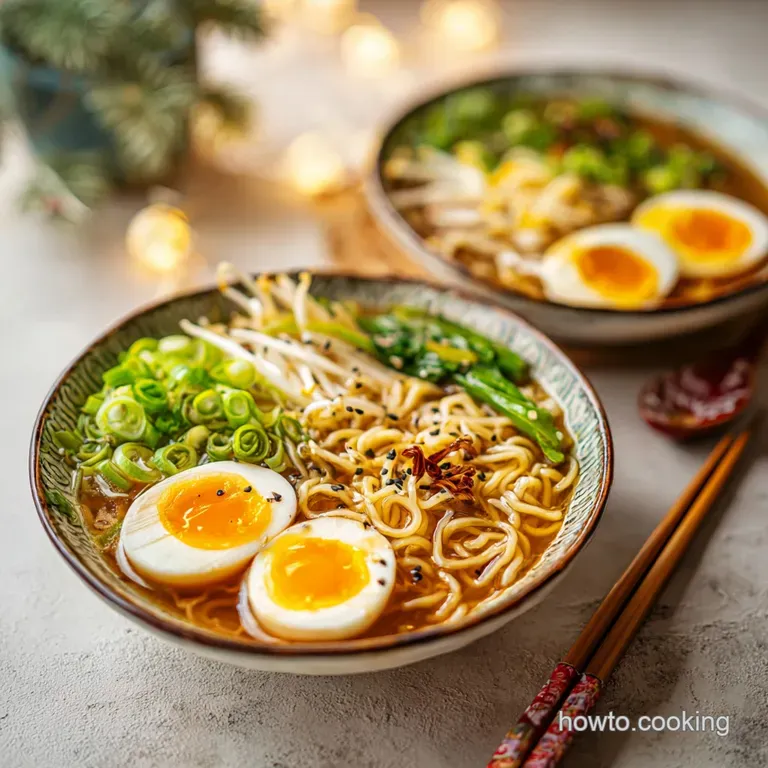
Slice your marinated eggs in half the yolks should be thick and jammy. Place them on top of the noodles. Garnish with the sliced green onions, nori rectangles, and a sprinkle of the 0.5 tsp toasted sesame seeds.
Serving While Hot
Serve immediately while the steam is still rising. The nori will start to soften into the broth, adding a subtle ocean like saltiness that ties the whole dish together.
Solving Common Ramen Cooking Problems
Why Your Broth Tastes Grainy
If your broth feels gritty on the tongue, it’s usually because the miso didn't dissolve properly. Miso is a thick paste, and if you just drop a clump into a big pot, it stays a clump. Always temper it in a separate small bowl with a bit of warm liquid first.
Why Your Eggs Aren't Jammy
Timing is everything with a soft boiled egg. If the yolk is runny like water, it needed another 30 seconds. If it’s chalky and yellow, it went too long. Use a timer from the second the eggs hit the boiling water, and don't skip the ice bath it's the only way to lock in that velvety texture.
| Problem | Root Cause | Solution |
|---|---|---|
| Rubbery Chicken | Overcooked at high heat | Slice thinner and sear for only 2 mins. |
| Dull Broth Flavor | Miso boiled too long | Whisk miso in after removing from heat. |
| Soggy Noodles | Cooked in the broth | Always boil noodles in separate plain water. |
Common Mistakes Checklist
- ✓ Use a timer for the eggs; 6.5 minutes is the sweet spot for "jammy" centers.
- ✓ Pat the chicken dry before searing to get a better golden crust.
- ✓ Never boil the broth once the miso is added to keep the flavor bright.
- ✓ Rinse the noodles in cold water after boiling if you aren't serving them instantly.
- ✓ Slice the green onions as thinly as possible to avoid raw "onion breath" bites.
Creative Swaps for Busy Cooks
If you're looking to change things up, this ramen recipe with miso and soft boiled egg is incredibly flexible. You can easily swap the chicken for thin slices of pork belly or even some leftover roast beef. The key is to keep the protein thin so it warms through in the broth without needing a long simmer.
For a vegetarian version, use a mushroom based broth and swap the chicken for seared king oyster mushrooms. They have a similar "meaty" texture that holds up well against the fermented miso. You can also play with the spice level by adding a spoonful of gochujang or extra chili oil if you like a bit of a throat burn.
Chef's Tip: If you want an even creamier broth, whisk a tablespoon of unsalted butter into the soup right before serving. It sounds strange, but it mimics the rich fat found in high end tonkotsu ramen.
Storing and Reheating Your Ramen
Ramen is definitely best eaten fresh, but you can save the components if you have leftovers. Store the broth and the noodles in separate containers. If they sit together, the noodles will drink every drop of that precious soup and turn into a giant, mushy sponge by morning.
The broth will stay good in the fridge for up to 3 days.
To reheat, warm the broth on the stove until it’s just steaming again, don't boil it! Drop the cold noodles into the hot broth for 30 seconds just to take the chill off.
The marinated eggs should be eaten cold or at room temperature; reheating them in the microwave will turn your jammy yolk into a rubber ball, which is a tragedy we want to avoid.
Perfect Pairings for Better Meals
This bowl is pretty much a complete meal on its own, but if you're feeling extra hungry, a side of gyoza or a simple cucumber salad with rice vinegar and sesame seeds works wonders. The acidity of a quick pickle helps cut through the richness of the miso and the fatty egg yolk.
If you have extra nori, try lightly toasting it over a gas flame for two seconds until it's extra crispy. It adds a "shatter" texture to the meal that contrasts beautifully with the soft noodles.
Honestly, a cold glass of green tea or a light Japanese lager is all you really need to turn this simple kitchen session into a full on restaurant experience at your own dining table.
Myths
Myth: You must soak eggs overnight for flavor. Actually, a 15 minute soak in a concentrated soy mirin bath is enough to season the outside of the egg and give it that signature color. Longer soaks (over 24 hours) can actually make the egg whites rubbery and overly salty.
Myth: Miso broth needs to simmer for hours. Miso is already a "finished" fermented product. Unlike raw bones, it doesn't need heat to release flavor it just needs to be incorporated. Simmering it actually degrades the complex aromatic compounds that give it depth.
Very High in Sodium
1840 mg mg of sodium per serving (80% % of daily value)
American Heart Association recommendation about 2,300mg limit
Tips to Reduce Sodium
-
Broth Dilution-30%
Dilute the low-sodium chicken broth with an equal amount of water to significantly reduce the sodium content. This helps to lower the overall sodium without drastically changing the flavor profile. This will reduce sodium by approximately 30%.
-
Miso Paste Control-20%
Miso paste contributes significantly to the sodium content. Use only half of the recommended amount of miso paste (22.5g) and adjust the flavor with other ingredients like ginger and garlic. This could result in a sodium reduction of up to 20%.
-
Reduce Soy Sauce-15%
Even low-sodium soy sauce contributes to the overall sodium level. Reduce the amount used by half, or substitute it with a very small amount of coconut aminos for a similar umami flavor with less sodium. This can reduce sodium by up to 15%.
-
Unseasoned Chicken-10%
Ensure that the sliced chicken breast is completely unseasoned, since there are no instructions to season it. Many pre-cut or pre-sliced chicken products may have sodium added during processing. This can reduce sodium by up to 10%.
-
Flavor Boosters
Instead of relying on sodium for flavor, enhance the ramen with herbs and spices. Experiment with other ingredients like lemongrass, coriander, or a squeeze of lime to make a flavorful broth. No reduction is expected but it helps make the ramen tastier.
-
Garlic & Ginger Power
Increase the amount of fresh ginger and garlic to amplify the savory flavors without adding sodium. Fresh ingredients enhance the dish naturally. It won't reduce the sodium, but it creates balance.
Recipe FAQs
Can I make the broth richer without adding heavy cream or pork bones?
Yes, use miso paste. Miso acts as a natural emulsifier; whisking it in off the heat suspends the solids, giving the broth a velvety mouthfeel instantly.
How long should I boil the eggs for the perfect jammy, soft set yolk?
Boil for exactly 6 minutes and 30 seconds. After plunging them immediately into ice water, this timing yields a thick, jammy center that sets well when sliced.
What happens if I boil the miso paste in the broth?
False. Boiling miso degrades its flavor. Vigorous boiling kills the delicate enzymes and probiotic qualities, resulting in a duller, one-dimensional salty taste.
How to properly flavor the soft boiled eggs quickly?
Peel the eggs and submerge them immediately in a soy/mirin mixture. Let them soak for a minimum of 15 minutes; this rapid absorption cures the exterior effectively.
Should I cook the ramen noodles directly in the miso broth?
No, cook them in a separate pot of water. Cooking them separately prevents excess starch from leaching into your broth, keeping the miso soup brilliantly clear and the noodles springy.
Can I substitute the chicken broth with a vegetarian base?
Yes, use a good quality mushroom broth. If you enjoyed mastering the technique of building flavor depth in the miso soup here, apply that same principle of layering umami by using shiitake broth as your base.
What is the fastest way to infuse the broth with ginger flavor?
Grate the ginger finely into hot sesame oil first. Sautéing the finely grated ginger for 30 seconds before adding the broth extracts the volatile oils rapidly, giving the entire dish intense flavor immediately.
Miso Ramen With Soft Egg
Ingredients:
Instructions:
Nutrition Facts:
| Calories | 718 calories |
|---|---|
| Protein | 47.5 g |
| Fat | 21.4 g |
| Carbs | 84 g |
| Fiber | 5.2 g |
| Sugar | 6.1 g |
| Sodium | 1840 mg |
