Shredded Chicken: the Perfect Moist Foundation
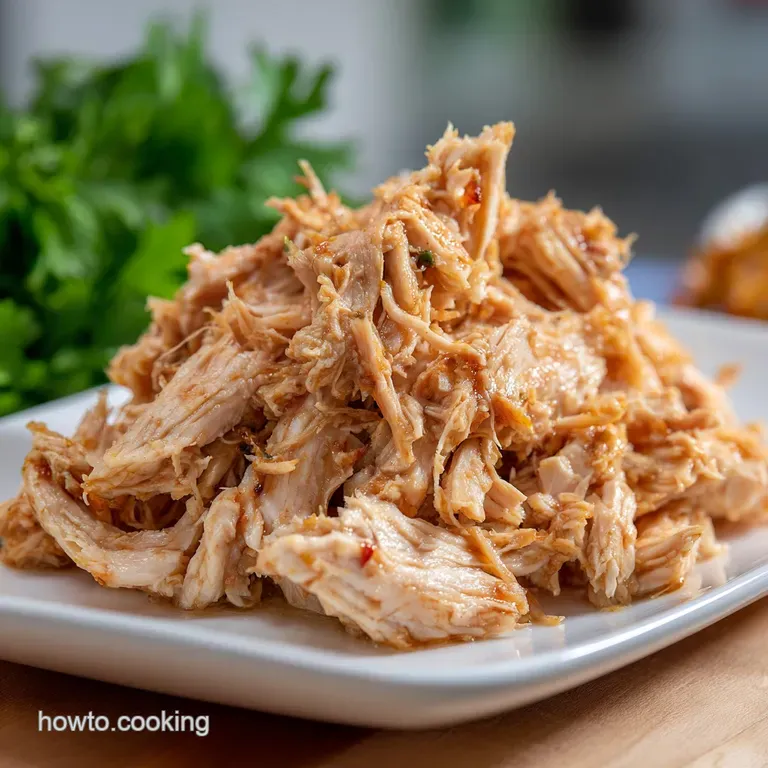
- Mastering the Kitchen Workhorse: The Definitive Method
- The Science of Succulence: Why This Technique Prevents Dryness
- Sourcing the Best Cuts and Essential Liquids
- The Definitive Method for Perfectly Shredded Chicken
- Chef’s Troubleshooting: Avoiding Common Cooking Failures
- Preserving the Prep: A Guide to Storing Batch Cooked Meat
- Ideas for Utilizing Your Versatile Batch
- Recipe FAQs
- 📝 Recipe Card
Mastering the Kitchen Workhorse: The Definitive Method
Forget those dry, squeaky results you’ve gotten from baking or boiling. The aroma of low-simmering broth, rich with aromatics, signals the start of something beautiful. We are diving deep into the gentle art of poaching to create perfectly moist Shredded Chicken —meat so tender it practically dissolves on your tongue.
This is foundational cooking, the kind that makes every meal you make this week taste better.
Seriously, this simple technique is a lifesaver for busy home cooks. Having a big batch of juicy Shredded Chicken ready to go means dinner is 80% done already.
Whether you're making quick shredded chicken tacos recipe or just filling out a massive salad, this method is cheap, reliable, and completely eliminates those 6 PM panic moments.
I tried every shortcut the slow cooker, the Instant Pot, even roasting chunks (never again!). But the gentle poaching technique is the absolute gold standard for achieving maximum moisture retention. Ready to stop serving sad, dry meals?
Let’s crack on and master this essential technique for impeccable Shredded Chicken .
The Science of Succulence: Why This Technique Prevents Dryness
Why Every Home Cook Needs This Foundational Skill
This technique is the ultimate kitchen prep hack. Learning to make perfect shredded chicken eliminates guesswork and guarantees a high-quality flavour base for dozens of recipes.
It allows you to transform simple ingredients into incredible meals quickly, which is what batch cooking is all about. It truly is the workhorse of my fridge.
Quick Comparison: Boiling vs. Poaching Techniques
Boiling is brutal; it hits the proteins too hard, causing them to seize up and squeeze out all the moisture and flavour. Poaching, however, means maintaining a low, gentle ripple just enough heat to cook shredded chicken slowly and evenly.
By keeping the temperature stable, you ensure the muscle fibres relax, absorbing the seasoned liquid instead of tightening up and becoming stringy.
The Versatility of Perfectly Cooked Meat
Think beyond the usual sandwiches. This foundation of perfectly cooked meat is ready to be tossed in a rich, spicy sauce or a zingy vinaigrette. It transforms into amazing things, like the fantastic filling for my Shredded Chicken Recipes: Ultimate Coronation Chicken Salad which is always a total crowd pleaser.
Achieving the Ideal Internal Temperature
Dry meat is overcooked meat, plain and simple. We are aiming for exactly 165°F (74°C). Pulling the meat exactly at that temperature is crucial. The difference between 165°F and 180°F (which is definitely dry) is often only three minutes of simmering.
Investing in an instant read thermometer is the absolute secret weapon for guaranteed success when making Shredded Chicken .
Locking in Moisture with the Poaching Liquid
This is where I made my biggest error for years. I used to pull the meat out immediately and shred it. Don’t do this! Resting the pieces directly in the hot liquid as it slowly cools is non-negotiable.
This allows the muscle fibres to relax and suck all that glorious, seasoned broth back in, making your Shredded Chicken incredibly juicy.
The Importance of Resting Time Before Shredding
Seriously, that ten-minute rest is sacred time. It ensures that the juices, which have been vigorously circulating during cooking, have time to settle and redistribute throughout the meat.
If you start to cook shredded chicken too early, you’ll lose all the delicious, hard earned moisture onto your cutting board. Resting ensures those juices stay right where they belong.
Sourcing the Best Cuts and Essential Liquids
Bone-In vs. Boneless: Which Cut Delivers Superior Flavor?
Boneless, skinless cuts are definitely faster and easier to manage, obviously. I usually use boneless shredded chicken breast for lean meal prep because they cook quickly and uniformly.
If you want maximum depth of flavour, bone-in pieces yield a richer, gelatinous broth, but you will need to add about 15– 20 minutes to the cooking time.
Building the Aromatic Poaching Base
The key to truly flavourful Shredded Chicken isn't just the technique; it's the bath you give it. We use the standard mirepoix onion, carrot, celery plus smashed garlic and bay leaves.
These simple ingredients infuse the low-sodium broth beautifully, seasoning the meat from the inside out and adding a subtle, sweet undertone.
Clever Substitutions for Stock and Broth
Low-sodium broth is your best friend because you control the final salt level. However, life happens, and sometimes you just run out.
| Ingredient | Substitute/Swap |
|---|---|
| Chicken Broth | Vegetable Broth or plain water with an extra teaspoon of salt |
| Yellow Onion | 1/2 tsp Onion Powder added to the liquid |
| Bay Leaves | Sprig of Thyme or a pinch of Dried Oregano |
| Peppercorns | 1/2 tsp Ground White Pepper (use sparingly!) |
Essential Seasoning Adjustments
Taste the poaching liquid before you drop the meat in. It should taste slightly salty and highly aromatic, not bland. Remember, your Shredded Chicken will only be as flavourful as the liquid it cooks in.
If you are using unsalted broth, you’ll definitely need to increase the initial salt amount.
Chef's Note: The leftover poaching liquid is gold! Strain it, chill it, and use it as a superior stock base for future soups, like a hearty Chicken Wild Rice Soup: Rich Creamy Comfort Recipe , or for adding moisture back into your finished Shredded Chicken .
The Definitive Method for Perfectly Shredded Chicken
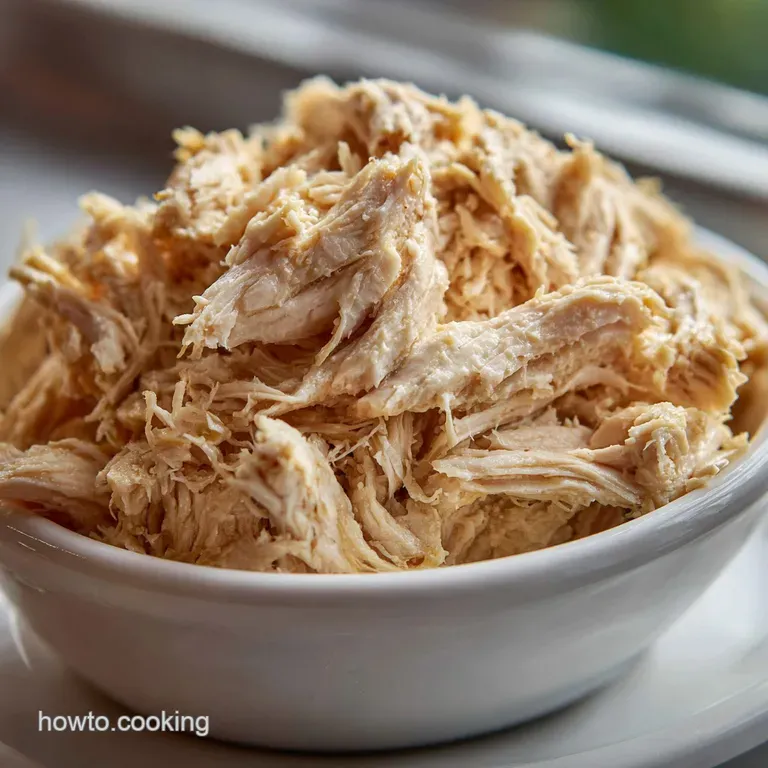
Preparing the Poaching Pot and Aromatics
Rough chop your onion, carrots, and celery no need for finesse here. Just toss those aromatics, the salt, peppercorns, and bay leaves into your pot along with the broth and water. Bring that pot up to a very gentle simmer over medium high heat.
You want to see small, lazy bubbles forming, and the scent should immediately become sweet and savory in your kitchen.
Gently Simmering Until Just Done
Once the liquid is simmering gently, carefully nestle your pieces in. Reduce the heat immediately to low. The surface of the water should only have the barest ripple that is a true poach. We are aiming to cook shredded chicken to perfection without toughness.
Simmer for 15– 25 minutes, depending on the thickness of your pieces, then check the internal temp immediately.
Cooling and Retaining Juices
When that thermometer reads 165°F (74°C), turn the heat off, put the lid on, and set a timer for 10 minutes. This is the crucial resting period we talked about. This short rest, still submerged in the hot liquid, ensures that every drop of juice stays locked inside the meat.
Then, transfer the pieces to a large bowl, reserving the precious poaching liquid.
Mastering the Two Fastest Ways to Achieve a Fine Shred
Okay, if you are making a big batch of Shredded Chicken , the mixer trick is iconic, and it’s how you get shredded chicken fast . Place the warm pieces in the bowl of your stand mixer. Use the paddle attachment on low speed (Speed 2) for about 45 60 seconds.
You end up with perfectly fluffy, uniformly shredded results. If you don't have a mixer, use two forks and pull the meat apart until it reaches your desired texture.
Chef’s Troubleshooting: Avoiding Common Cooking Failures
How to Fix Overcooked or Stringy Results
If you pull out dry, stringy strands, they’re definitely overcooked you probably let the water boil aggressively. Don't worry, you can often save it! Toss the resulting Shredded Chicken with a large spoonful of mayonnaise or, even better, a splash of the rich, reserved poaching liquid.
This reintroduces much needed moisture and flavour.
The Secret to Fine vs. Coarse Shredding
The texture matters. Fine shredding, which you get easily using the mixer method, is fantastic for dips, creamy recipes, or sandwich fillers. Coarser shredding, usually achieved with the fork method, gives you more satisfying bite and is excellent for things like hearty soups or satisfying shredded chicken tacos recipe .
Adjusting Cook Times for Frozen Pieces
A quick tip: Never try to poach straight from the freezer unless you want unevenly cooked, tough meat. Thaw your pieces first! If you find yourself in a pinch and must use semi frozen pieces, you will need to add 10– 15 minutes to the cook time, and the results will likely be slightly less tender, sadly.
Preserving the Prep: A Guide to Storing Batch Cooked Meat
Optimal Refrigeration Methods for Prepared Batches
The key to keeping your batch fresh for 3 4 days in the fridge is moisture. Always store your Shredded Chicken in an airtight container with a few tablespoons of the reserved poaching liquid mixed in. This simple step is insurance against the meat drying out overnight.
Flash Freezing for Maximum Freshness
But does this versatile food freeze well? You bet it does. To prevent clumping, spread the shredded meat out flat on a lined baking sheet and freeze for an hour. Once frozen, transfer the solid Shredded Chicken to a heavy duty freezer bag, squeezing out all the air before sealing.
It lasts 3 months easily, making it perfect for long term meal planning.
Reheating Without Drying Out the Meat
Reheating is easy if you followed the storage steps and kept it moist! If frozen, thaw the bag in the fridge overnight. For small portions, microwave in short 30 second bursts, adding a splash of water or broth and covering the bowl.
If you are reheating a large batch, wrap it tightly in foil and bake at a low temperature 300°F (150°C) until it's warmed through.
Ideas for Utilizing Your Versatile Batch
This is the finish line! You now have a batch of incredibly juicy, flavourful Shredded Chicken ready for anything. Use it in quesadillas, bulk up a simple pasta sauce, or mix it with some citrus and herbs for a quick, vibrant lunch.
This reliable, tender technique means you will never have to settle for bland, dry meat again. Go forth and cook!
Recipe FAQs
Why did my shredded chicken turn out dry and stringy?
Dryness usually stems from overcooking or failing to use enough liquid during the simmering process. To prevent this, ensure the chicken is just cooked through (internal temperature of 165°F) and let it rest in the cooking liquid for 10 15 minutes before shredding.
The residual moisture is key to maintaining tenderness.
Should I use chicken breast or chicken thighs for the best result?
While chicken breast is leaner, chicken thighs are generally recommended for shredding due to their higher fat content, which keeps them incredibly moist and flavorful. If using breasts, you must simmer gently and incorporate some of the reserved cooking broth back into the shredded meat immediately after preparation to avoid dryness.
What is the fastest and easiest way to shred large batches of chicken?
The most efficient method for large batches is using a stand mixer fitted with the paddle attachment. Place the hot chicken in the bowl and mix on low speed for about 30 seconds; the fibers separate perfectly without overheating the meat. For smaller amounts, two standard forks or specialized meat claws work very well.
How long can I safely store shredded chicken, and can I freeze it?
Refrigerate cooked shredded chicken in an airtight container for up to 3 to 4 days. It freezes excellently; freeze it in recipe appropriate portions, ideally adding a tablespoon of broth before sealing to prevent freezer burn and maintain moisture upon thawing. Thawed chicken should be used within 24 hours.
What can I add to the cooking liquid to enhance the basic flavor?
For versatile shredded chicken, stick to subtle aromatics like bay leaves, black peppercorns, and halved onions or garlic cloves. If you are preparing the chicken for a specific cuisine, consider adding limes, cumin, or chili powder for Mexican flavors, or ginger and soy sauce for an Asian inspired base.
Can I use a slow cooker or an Instant Pot instead of stovetop simmering?
Absolutely, both appliances are fantastic for achieving tender, fall apart shredded chicken with minimal effort. The Instant Pot requires less time (about 8 10 minutes under pressure), while the slow cooker allows the flavors to deepen over 3 4 hours on high or 6 8 hours on low, making it ideal for bulk cooking.
Is there a good vegan or vegetarian alternative to this technique?
Yes, shredded king oyster mushrooms or firm jackfruit are excellent fibrous alternatives that beautifully mimic the texture of chicken when boiled and then sautéed or baked. Both absorb marinades and sauces wonderfully, making them superb bases for dishes like BBQ pulled substitutes or taco fillings.
Moist Shredded Chicken Foundation
Ingredients:
Instructions:
Nutrition Facts:
| Calories | 291 kcal |
|---|---|
| Protein | 31.0 g |
| Fat | 13.2 g |
| Carbs | 10.9 g |
