Old Fashioned Banana Cream Pie: the Proper Custard Nanna Pudding Pie
- Rediscovering Comfort: Why Make This Old Fashioned Banana Cream Pie?
- The Science of Silkiness: Why This Banana Cream Pie Recipe Excels
- Gathering Your Supplies: Ingredients Checklist and Essential Substitutions
- Baking Nostalgia: Step-by-Step Guide to the Perfect Pie
- Troubleshooting and Expert Advice for a Flawless Dessert
- Proper Handling: Storing Your Banana Cream Pie for Maximum Freshness
- The Final Flourish: Serving Suggestions for Your 'Nanna Pudding' Pie
- Recipe FAQs
- 📝 Recipe Card
Rediscovering Comfort: Why Make This Old Fashioned Banana Cream Pie?
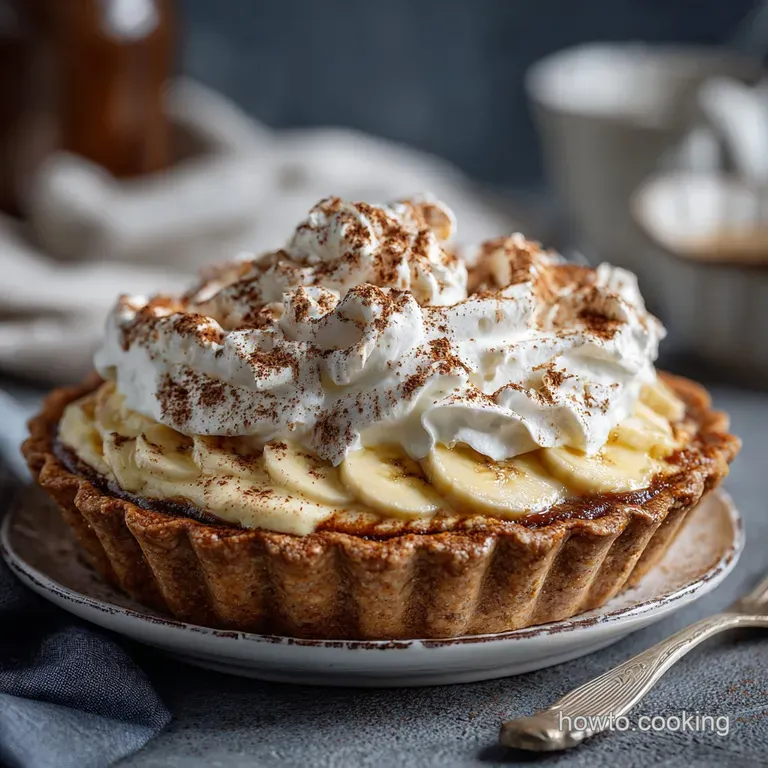
Forget fancy layered cakes and trendy desserts; this is the pure, rich smell of absolute comfort, bottled. When that first slice hits the plate, you get the crisp snap of the buttery pastry crust, followed by the slide of that impossibly silky, vanilla laced cream.
It genuinely smells like Sunday afternoon in your grandmother's kitchen, full of real vanilla and sweet, ripe bananas.
Now, everyone says making a proper banana cream pie is tricky because of the custard, but I promise you, this version is incredibly forgiving if you stick to the rules. It uses basic pantry staples, which makes it inexpensive to make a huge, impressive dessert.
Frankly, it always dazzles people far more than the actual effort requires. It's the ultimate kitchen showstopper, and you absolutely need this recipe in your life.
We are completely skipping the instant pudding mix here, my friend. We are going full scratch crispy, flaky shortcrust, true crème pâtissière, and perfectly layered, firm bananas.
Grab your whisk, and let's crack on with making this classic, Proper Old Fashioned Banana Pudding Pie exactly the way it should be.
The Science of Silkiness: Why This Banana Cream Pie Recipe Excels
The magic of this dessert lies entirely in the contrast: a sturdy shell holding a decadent, cool filling. We use a high proportion of butter in the crust to ensure it doesn't just bake, but shatters when you cut it.
The filling’s secret weapon is the combination of cornstarch and egg yolks, giving it a stable set that stays creamy without turning rubbery.
The Difference Between Custard and Crème Pâtissière
People often use the terms interchangeably, but they aren't the same, especially when talking about pie stability. A classic custard thickens primarily with eggs and requires a delicate bake (think flan or pumpkin pie).
Crème Pâtissière, however, uses egg yolks plus starch, usually cornstarch or flour, which allows you to boil the cream to ensure the starch fully activates.
This boiling step is what gives the pie its rock solid set when chilled , preventing the notorious "weeping" when you slice it.
Why a Buttery Shortcrust is Non-Negotiable
A graham cracker crust is fine for a quick fix, sure, but a true Old Fashioned Banana Cream Pie needs a rich, buttery shortcrust. We use cold, cubed butter worked into the flour until it resembles coarse sand.
This technique ensures pockets of pure fat that steam during baking, giving you that beautiful, tender flakiness. The shortcrust must be blind baked completely; if it’s pale, you risk a disastrous, soggy bottom.
A Brief History of the American Cream Pie
Cream pies became massively popular in the American South and Midwest during the late 19th century, often using cheap, readily available ingredients like milk, eggs, and flour. Banana Cream Pie quickly became a favourite thanks to the introduction of rail transport, making tropical fruit more accessible.
This recipe follows that simple, traditional lineage, focusing on the quality of the cooked custard over complex flavour additions.
Achieving the Velvety Texture of the Vanilla Pastry Cream
The texture comes down to two key steps: tempering the eggs and stirring constantly during the final cooking. Tempering means slowly raising the temperature of the egg yolks by dribbling in hot milk; go too fast and you get scrambled eggs.
Once tempered and combined, you must whisk non-stop until the cream physically bubbles. When it boils for a minute or two, the cornstarch fully hydrates, resulting in that unbelievably velvety, spoonable texture.
The Role of Ripe Bananas in Flavor Depth
Don't use mushy, brown bananas here; save those for banana bread. We want firm ripe bananas bright yellow with maybe a few freckles that hold their shape when sliced. They offer sweetness and that iconic banana flavour, but their firmness is critical for the structural integrity of the pie.
We layer them both under and over the custard.
Preventing a Soggy Bottom Crust
The absolute secret is aggressive blind baking. You must chill the crust first, dock it (prick it with a fork), fill it with weights, and bake it until the exposed edges are golden brown.
After removing the weights, you bake it again until the entire bottom is deeply golden and feels totally dry to the touch. This fully cooked crust acts as a shield against the wet custard.
Gathering Your Supplies: Ingredients Checklist and Essential Substitutions
Good ingredients make great pie. Seriously, use real vanilla extract, not imitation stuff. This pie is simple, so every flavour component shines.
Detailed List: Ingredients for the Crust, Cream, and Topping
(See the full recipe card for exact measurements, but here's a quick rundown of the heroes.)
- The Crust: All-Purpose Flour, ice-cold unsalted butter, ice water, salt.
- The Custard: Whole Milk, Heavy Cream, large egg yolks, granulated sugar, cornstarch , pure vanilla extract.
- The Filling: Firm ripe bananas, chilled heavy whipping cream, confectioners’ sugar.
Choosing the Best Bananas (Not Too Green, Not Too Brown)
As mentioned, look for bananas that are fully yellow but still quite firm. If they are too green, they lack the sweetness needed for the filling. If they are too soft and brown, they will turn to mush when you slice and layer them, making your filling sloppy. We need structure!
Dairy Alternatives and Thickening Agents
| Ingredient | Viable Substitute | Notes/Impact |
|---|---|---|
| Whole Milk | Full fat Coconut Milk | Will impart a noticeable coconut flavor; not entirely traditional. |
| Heavy Cream | Half and Half (for custard) | Custard will be slightly less rich and set a bit softer. |
| Cornstarch | Tapioca Starch or Flour | Tapioca starch gives a glossy finish; flour requires slightly more volume for the same thickening power. |
| Butter (Crust) | Vegetable Shortening | Crust will be flakier but less flavorful. Use 1:1 ratio. |
Essential Equipment for Medium Difficulty Pies
You don't need fancy tools, but a few items make this much easier. You absolutely need pie weights (or dried beans/rice) for blind baking. A heavy bottomed saucepan is crucial for cooking the custard evenly without scorching, and a fine mesh sieve is your insurance policy against lumpy custard you can strain it through immediately after cooking.
Chef's Note: If you want a pie that holds its shape for neat slicing, the 4 hour chill time is non-negotiable. Don't rush perfection!
Baking Nostalgia: step-by-step Guide to the Perfect Pie
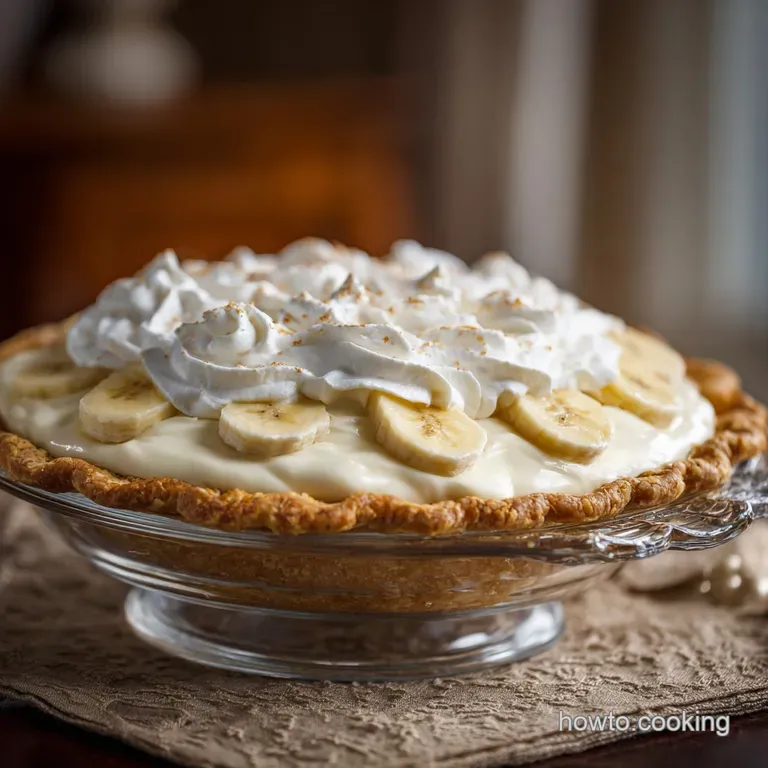
Making this pie is a beautiful process of cold, hot, and then cold again. Follow these phases carefully.
Blind Baking the Crust to Golden Perfection
Start with a cold crust; this is how we ensure the edges hold their shape. After rolling the dough and fitting it into the plate, chill it for 15 minutes in the freezer. Dock the base all over with a fork, then line the dough with parchment paper and fill it generously with weights.
Bake at 400°F (200°C) for 15 minutes, then remove the weights and reduce the heat to 375°F (190°C). Finish baking until the bottom is a deep, gorgeous gold. It must be completely dry.
Creating the Silky Crème Pâtissière Filling
Heat your milk and cream just until steaming. Meanwhile, vigorously whisk the egg yolks, sugar, salt, and cornstarch until the mixture is pale yellow and thick this is called blanchir .
Now for the crucial part: while whisking the yolks like mad, slowly stream about a cup of the hot milk into the yolks. This tempering prevents scrambling. Pour the entire tempered mixture back into the remaining saucepan milk. Cook over medium heat, whisking continuously and scraping the bottom.
Once it comes to a full boil and starts to thicken like lava, cook for two more minutes, then immediately remove from heat. Whisk in the cold butter and vanilla.
Layering the Bananas and Filling Correctly
Let the pie shell cool completely. Spread a thin base layer of the cold pastry cream onto the bottom of the crust; this is your first defense against moisture infiltration. Next, layer about half of the sliced bananas snugly on top of that thin cream layer.
Spoon the rest of the chilled, firm custard over the bananas, smoothing the top. Finally, arrange the remaining bananas attractively on top of the custard.
Whipping the Cream Topping (Stabilized vs. Unstabilized)
For a traditional look, just whip heavy cream with a little confectioners' sugar and vanilla until stiff peaks form. This is unstabilized, meaning it needs to be served within a few hours.
If you need it to hold for longer (say, overnight), add 1 teaspoon of cornstarch or 1 teaspoon of plain gelatin dissolved in 1 tablespoon of hot water to the cream before whipping; this makes a stabilized topping that won't deflate or weep.
Troubleshooting and Expert Advice for a Flawless Dessert
Even the best cooks mess up custard sometimes. I once made the mistake of rushing the tempering and ended up with vanilla scrambled eggs! Learn from my mistakes.
Fixing a Runny Pastry Cream: Common Errors and Quick Solutions
If your cooked custard didn’t boil long enough, it might come out of the fridge slightly loose. If it’s still warm and slightly runny, immediately pour it back into the saucepan and cook it over medium heat, whisking constantly, until it bubbles and thickens to that proper "coat the back of a spoon" consistency.
If it's already cold and just too soft, you can whisk a slurry of 1 tablespoon cornstarch mixed with 2 tablespoons cold water, whisk that into the cold cream, and return it to the heat to cook it through.
Preventing Banana Browning Before Serving
Bananas brown quickly, especially the slices visible on the top layer. Before chilling the pie, lightly brush the top layer of bananas with a tiny amount of lemon juice mixed with water (or use pineapple juice, which is less obvious). This subtle acidity delays oxidation beautifully.
When to Chill and When to Serve: The Setting Time Guide
The assembled pie needs a minimum of 4 hours in the fridge for the custard to fully set and for the flavours to meld. If you cut it early, it will ooze. However, you should only apply the whipped cream topping right before serving (or no more than 1 hour beforehand).
Proper Handling: Storing Your Banana Cream Pie for Maximum Freshness
Because of the fresh fruit and delicate custard, this pie is not a good keeper, but with the right technique, you can maximize its short shelf life.
Short Term Refrigeration: Keeping the Crust Crisp
Store the pie loosely covered in the refrigerator. If possible, use a cake dome or a deep container. If you have to use plastic wrap, tent it lightly over the top so it doesn't touch the whipped cream. The pie is best eaten within 2 days.
The crust will start to soften after 48 hours, even with great blind baking.
Can You Freeze Old Fashioned Banana Cream Pie?
Technically, yes, but I really advise against it. Freezing dramatically changes the texture of the custard; it becomes watery and grainy upon thawing, and the bananas turn mushy and dark brown.
If you absolutely must freeze it, freeze the crust and the custard only (without bananas or whipped cream) separately. You can freeze the baked crust for up to 3 months, then fill it fresh later.
Best Practices for Covering and Protecting the Whipped Cream
If you apply the whipped cream ahead of time, place three or four toothpicks around the edges of the pie before gently placing plastic wrap or foil over the top. This creates a tiny air gap, preventing the wrap from sticking directly to the peaks and deflating your beautiful topping.
The Final Flourish: Serving Suggestions for Your 'Nanna Pudding' Pie
This pie is rich and demands very little else, but a simple presentation really helps it shine.
Grate a little high-quality dark chocolate over the top for a sophisticated finish, or for a crunchier, more Southern inspired twist, sprinkle toasted pecans. If you're planning a full dessert spread maybe alongside a rich Thanksgiving Desserts: Glorious Brown Butter Maple Pecan Pie Recipe — you definitely need something creamy like this to balance the nutty, baked options.
We love serving this with a hot cup of strong coffee or a slightly tart raspberry coulis on the side. The tartness cuts through the luscious richness of the crème pâtissière perfectly.

Recipe FAQs
Why is my Crème Pâtissière (filling) too runny?
The primary reason for a runny filling is not cooking it long enough to fully activate the starch thickeners. Once the filling begins to boil, you must continue whisking vigorously for a full minute to ensure the cornstarch or flour has reached its maximum thickening power.
If the filling still seems thin after chilling, it likely needed more cooking time on the stovetop.
How do I prevent the bottom pastry crust from getting soggy?
A crucial step is creating a moisture barrier immediately after blind baking the crust. Once the crust is cooled slightly, brush the inside surface with a thin layer of lightly beaten egg white or melted white chocolate and bake it for an extra minute until set.
This seals the pastry, protecting it from the high moisture content of the banana slices and the pastry cream.
What type of banana works best for this pie?
Use firm, perfectly ripe bananas they should be yellow but show almost no brown spots on the peel. If the bananas are too ripe, they will release excessive moisture, turn mushy quickly, and brown before the pie is fully consumed.
Slicing them uniformly also ensures better structural integrity under the weight of the custard.
Can I make the custard filling ahead of time?
Yes, the pastry cream can be made up to two days in advance; chilling it allows it to firm up perfectly before assembly. Be sure to press a layer of plastic wrap directly onto the surface of the warm custard before refrigerating it to prevent a rubbery skin from forming.
The final pie assembly, however, should only happen a few hours before serving.
Can I use meringue instead of whipped cream for the topping?
Yes, swapping whipped cream for a glossy meringue is a delicious variation, though it changes the pie profile slightly. For best results, use a stabilized Italian or Swiss meringue to prevent weeping and spread it thickly over the cooled pie, ensuring it touches the crust edge completely.
Brown the meringue lightly with a kitchen torch just before serving.
What is the proper way to store the finished Banana Cream Pie?
Due to the dairy rich custard and fresh fruit, the pie must be stored tightly covered in the refrigerator at all times. It is best enjoyed within 2 to 3 days of assembly, as the bananas will eventually begin to soften and liquefy, compromising the crust's texture.
Do not leave the pie at room temperature for longer than two hours.
Can I freeze leftover pieces of the pie?
No, this pie does not freeze well due to the high moisture content in both the custard and the bananas. Freezing and thawing will cause the pastry cream to separate (weep) and the fresh banana slices will turn an undesirable mushy texture and dark color. This pie is truly best served fresh.
Old Fashioned Banana Cream Pie Recipe
Ingredients:
Instructions:
Nutrition Facts:
| Calories | 674 kcal |
|---|---|
| Protein | 20.1 g |
| Fat | 24.9 g |
| Carbs | 92.5 g |
