Old Fashioned Hamburger Steaks: Tender and Savory
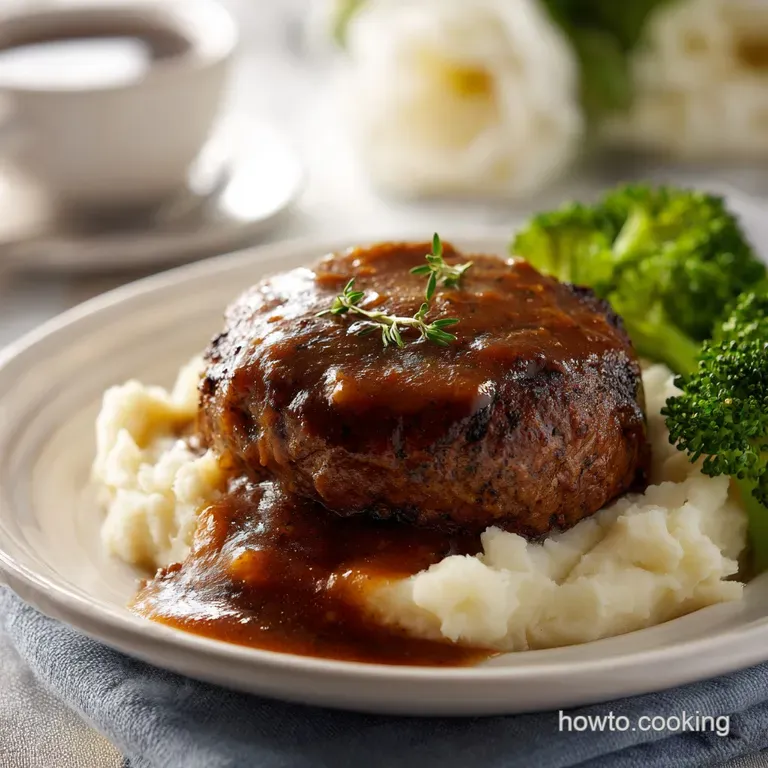
- Time: Active 15 minutes, Passive 20 minutes, Total 35 minutes
- Flavor/Texture Hook: Savory, melt in-the mouth beef with silky, caramelized gravy
- Perfect for: Cozy family dinners or impressive low cost entertaining
- Juicy and Wholesome Homemade Hamburger Steaks
- Why These Patties Stay Tender
- Recipe Performance and Expectations
- Deep Dive into Core Ingredients
- Kitchen Essentials for Smothered Beef
- Reliable Steps for Success
- Fixing Common Cooking Mishaps
- Swapping Ingredients for Dietary Needs
- Adjusting for Crowd Size
- Why Searing Isn't About Juice
- Meal Prep and Freezer Safety
- Perfect Pairings and Plating
- High in Sodium
- Recipe FAQs
- 📝 Recipe Card
Juicy and Wholesome Homemade Hamburger Steaks
Forget everything you have been told about needing a prime rib or an expensive filet to have a "steak night." There is a persistent myth in the cooking world that ground beef is somehow the "lesser" sibling of the steakhouse cuts, only fit for a quick burger on a bun.
I used to think the same thing until I realized that ground beef, when handled with a bit of respect, actually offers a texture that a solid strip of muscle can never achieve. It is pliable, it soaks up juices like a sponge, and it carries the flavor of a rich gravy right into the center of every bite.
We are moving past the dry, hockey puck patties of school cafeterias. You don't need a high end butcher blend; you just need to understand how to keep moisture trapped inside the meat.
This dish is about that incredible moment when your fork slides through a thick patty with almost zero resistance, releasing a small pool of savory juices that mingle with a dark, mahogany onion gravy. It is wholesome, soul warming food that feels like a hug on a plate.
If you have ever felt intimidated by searing a $40 ribeye to the perfect internal temperature, these Hamburger Steaks are your new best friend. We are using reliable techniques to ensure the beef stays succulent and the gravy turns out glossy and thick every single time.
It's about taking simple, nutritious ingredients and treating them with enough care to make them taste like a luxury. Right then, let's get the skillet hot and talk about why this method actually works.
Why These Patties Stay Tender
Building a better beef patty isn't about luck; it is about managing the way proteins react to heat. When we cook ground meat, the fibers naturally want to shrink and squeeze out all their moisture, leaving you with something tough and gritty. We use specific physical barriers to stop that from happening.
- The Panade Barrier: Mixing milk and breadcrumbs creates a starch paste that coats the meat fibers, physically preventing them from bonding too tightly and becoming rubbery.
- Fat Lubrication: Using 80/20 beef ensures there is enough internal fat to baste the meat from the inside out as it sears.
- Thermal Buffering: The moisture in the onions and mushrooms creates a humid environment in the pan during the final simmer, preventing the exterior of the beef from drying out.
- Structural Offset: Pressing a dimple into the center of the raw patty accounts for the natural contraction of the meat, ensuring it stays flat and even rather than puffing into a ball.
| Servings | Ingredient Adjustments | Pan Size | Cook Time |
|---|---|---|---|
| 2 People | 0.75 lb beef, 0.25 cup breadcrumbs | 20 cm Skillet | 35 mins |
| 4 People | 1.5 lbs beef, 0.5 cup breadcrumbs | 30 cm Skillet | 35 mins |
| 6 People | 2.25 lbs beef, 0.75 cup breadcrumbs | Two 25 cm Skillets | 45 mins |
When you are planning your meal, keep in mind that these patties do shrink slightly as they sear. For a standard family of four, the 1.5 lbs of beef specified in the recipe provides a generous protein portion that feels substantial when served alongside a hefty helping of vegetables or mash.
If you are feeding teenagers or very hungry adults, you might want to scale up by half to ensure there are plenty of leftovers for sandwiches the next day.
Recipe Performance and Expectations
When we talk about the difference between a "fast" weeknight version and a "classic" slow cooked version, it really comes down to the depth of the gravy and the texture of the onions. You can absolutely rush this, but taking an extra five minutes to let those onions really soften makes a world of difference.
| Method | Time | Texture | Best For |
|---|---|---|---|
| Fast Prep | 25 minutes | Crispy onions, thinner gravy | Hectic weeknights |
| Classic Sear | 35 minutes | Velvety onions, rich mahogany gravy | Sunday family dinner |
| Slow Cooker | 4 hours | Falling apart tender, very dark sauce | Set and forget prep |
While the quick version is great when you're in a rush, the classic 35 minute method we are focusing on today hits that sweet spot. You get the crisp, seared exterior on the beef while allowing the onions enough time to release their natural sugars.
This balance of speed and quality is what makes this specific approach a staple in my kitchen.
Deep Dive into Core Ingredients
Choosing the right components is the first step toward a meal that people will actually ask for again. You aren't just throwing things in a bowl; you are building layers of umami and salt that define the final character of the dish.
| Ingredient | Science Role | Pro Secret |
|---|---|---|
| 80/20 Ground Beef | Provides the necessary fat to lean ratio for moisture. | Keep the meat very cold until the moment you mix it to prevent fat smear. |
| Plain Breadcrumbs | Absorbs the milk to form a protective panade. | Use panko for a slightly lighter, airier internal texture. |
| Whole Milk | Hydrates the starches and provides a subtle lactic sweetness. | Replace with heavy cream for an even more luxurious mouthfeel. |
| Cremini Mushrooms | Adds deep earthy notes and holds onto the gravy. | Sauté them until they stop "screaming" and turn dark brown for maximum flavor. |
For the meat, I always suggest 80/20 ground beef. If you go too lean, like a 93/7 blend, the Hamburger Steaks will end up feeling like cardboard. The fat is what carries the flavor of the garlic and onion powder into every crevice of the patty.
For the mushrooms, cremini (sometimes called baby bellas) have a much lower water content than white button mushrooms, which means they brown faster and offer a more concentrated savory punch.
Kitchen Essentials for Smothered Beef
To get that dark, crusty sear, you really need a pan that can hold onto heat. A thin non stick skillet usually won't cut it here because the temperature drops too fast when you add the cold meat. I almost always reach for my cast iron skillet.
It creates a "shatter" on the outside of the beef that contrasts perfectly with the soft gravy.
You will also want a sturdy whisk for the gravy. Lumpy gravy is a common pitfall, and a good whisk allows you to incorporate the beef broth slowly while scraping up the "fond" those little brown bits stuck to the bottom of the pan after searing the meat.
Those bits are pure gold; they contain all the concentrated beef flavor. A simple flat spatula is also helpful for flipping the patties without breaking them apart.
Reliable Steps for Success
- In a large mixing bowl, whisk together 0.25 cup whole milk, 1 large egg, 0.5 cup plain breadcrumbs, 1 tsp garlic powder, 1 tsp onion powder, 1 tsp kosher salt, and 0.5 tsp black pepper to form a paste. Note: This is your panade, the secret to tenderness.
- Gently fold in 1.5 lbs 80/20 ground beef until just combined. Stop as soon as the streaks of white paste disappear to avoid overworking the protein.
- Divide the mixture into 4 equal portions and shape into oval 'steaks' about 1.9 cm thick. Press a shallow dimple into the center of each patty. Note: This prevents the patties from doming up like footballs.
- Heat 1 tbsp vegetable oil in a large cast iron skillet over medium high heat. Once shimmering, add the patties and sear for 4–5 minutes per side until a dark mahogany crust forms. Remove patties and set aside.
- Reduce heat to medium and add 2 tbsp unsalted butter to the same skillet. Sauté 1 large thinly sliced yellow onion and 8 oz sliced cremini mushrooms until softened and deeply browned, about 5-7 minutes.
- Sprinkle 3 tbsp all purpose flour over the vegetables and stir for 1 minute. The flour should smell slightly nutty as it cooks.
- Gradually whisk in 2 cups low sodium beef broth and 1 tbsp Worcestershire sauce. Scrape the bottom of the pan vigorously to release the flavorful fond.
- Simmer the gravy 2-3 minutes until it coats the back of a spoon.
- Return the patties to the skillet, spooning the gravy over them generously.
- Cook for another 2-3 minutes until the meat is heated through and the sauce is glossy.
Fixing Common Cooking Mishaps
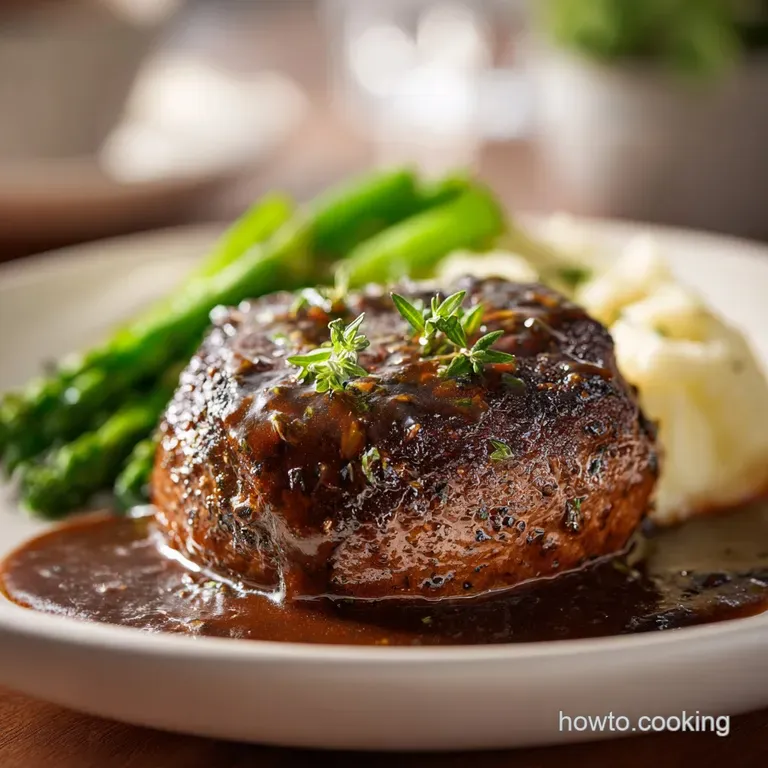
Even the best cooks run into trouble sometimes. The most common issue people have with this dish is either the texture of the meat or the consistency of the sauce. If your patties feel like they are "fighting back" when you bite into them, you likely overworked the meat while mixing.
Treat the beef like a delicate cloud, not like bread dough that needs kneading.
Fixing Lumpy Gravy Textures
If you find yourself looking at a pan full of flour clumps, don't panic. This usually happens when the broth is added too quickly or the flour wasn't stirred into the butter and fat properly.
| Problem | Root Cause | Solution |
|---|---|---|
| Flour Clumps | Adding liquid too fast to the flour. | Whisk vigorously or use an immersion blender before adding the meat back. |
| Gray Meat | Skillet wasn't hot enough or was overcrowded. | Pat meat dry and ensure the oil is shimmering before searing. |
| Salty Gravy | Using standard broth instead of low sodium. | Add a splash of heavy cream or a teaspoon of sugar to balance. |
If you want a different flavor profile, you might consider low carb butter burgers as a variation if you're looking for that high fat, herb heavy finish without the flour based gravy. Both dishes rely on a good sear, but the pan sauce techniques vary significantly.
Common Mistakes Checklist
- ✓ Pat the beef patties dry with a paper towel before they hit the pan to ensure a crust instead of steam.
- ✓ Never press down on the patties with a spatula while they are searing; you’ll lose the juices we worked so hard to keep.
- ✓ Let the flour cook for at least a full minute with the butter to avoid a raw "pasty" flavor in your gravy.
- ✓ Use a meat thermometer to check the center of the patties; you’re looking for 71°C for food safety without overcooking.
Swapping Ingredients for Dietary Needs
One of the best things about this recipe is how adaptable it is. If you are cooking for someone with specific needs, you don't have to sacrifice that classic "smothered" vibe. You just have to be smart about the swaps.
| Original Ingredient | Substitute | Why It Works |
|---|---|---|
| Plain Breadcrumbs | Almond Flour | High fat content keeps meat moist. Note: Result is slightly denser. |
| All Purpose Flour | Cornstarch (half amount) | Thickens effectively. Note: Gravy will be more translucent and "gel like." |
| Beef Broth | Mushroom Broth | Retains the deep umami flavor. Note: Great for a lighter beef taste. |
For a completely different take on a "steak" experience that fits a vegetarian diet, you might enjoy my cauliflower steaks which use similar searing techniques but with a bright gremolata instead of a heavy gravy. It’s a great way to use the same skillet skills for a totally different flavor profile.
Adjusting for Crowd Size
Scaling this recipe is fairly straightforward, but you have to watch your pan space. If you try to double the recipe in one skillet, you will end up steaming the meat instead of searing it. The temperature of the pan will drop too low, and you won't get that "shatter" crust that makes Hamburger Steaks so good.
When doubling, work in batches for the searing phase. Keep the first batch of patties on a warm plate covered with foil while you sear the second. For the gravy, you can do it all at once, but remember that a larger volume of liquid takes longer to reach a simmer.
If you're cutting the recipe in half, use a smaller skillet (about 20 cm) so the gravy doesn't spread too thin and evaporate before it can thicken.
Why Searing Isn't About Juice
There is a very old kitchen myth that searing meat "seals in the juices." Science has shown us that this isn't true moisture is lost at the same rate regardless of the crust. The real reason we sear is for the flavor development on the surface.
That dark mahogany color is where all the complex, savory notes live, and without it, your beef will taste boiled rather than roasted.
Another common misconception is that you need to use "steak seasoning" to get a steak flavor. In reality, the combination of Worcestershire sauce and beef broth creates a much deeper "steakhouse" profile than any bottled seasoning rub can provide.
The Worcestershire acts as a liquid salt that penetrates the meat and enhances the natural beefiness without overpowering it.
Meal Prep and Freezer Safety
If you find yourself with leftovers, you are in luck. This is one of those rare dishes that actually tastes better the next day because the patties have more time to absorb the gravy. Store them in an airtight container in the fridge for up to 3 days.
When reheating, do it gently on the stove with a splash of water or broth to loosen the gravy, as it will thicken significantly when cold.
For the zero waste enthusiasts, don't throw away those mushroom stems or onion peels! Keep a "stock bag" in your freezer and add them to it. When the bag is full, boil them with some water and peppercorns to make your own vegetable base for the next time you make this recipe.
Also, if you have leftover gravy but no meat, it is incredible over a baked potato or even used as a base for a quick beef and barley soup.
Perfect Pairings and Plating
When it's time to serve, you want something that can act as a vehicle for that extra gravy. A pile of garlic mashed potatoes is the traditional choice, but don't overlook buttered egg noodles or even a simple scoop of white rice.
The goal is to have something on the plate that can soak up every drop of the onion and mushroom sauce.
To keep the meal feeling balanced and nutritious, I always serve this with something green and bright. Steamed green beans with a squeeze of lemon or a crisp side salad helps cut through the richness of the beef and butter.
If you want to get fancy, a sprinkle of fresh parsley over the top adds a pop of color and a bit of fresh aroma right before you dig in. Honestly, skip the fancy garnishes if you're tired; the smell of the caramelized onions is more than enough to get everyone to the table.
Trust me, once you see how easily that fork glides through the meat, you'll never go back to basic burgers again.
High in Sodium
980 mg of sodium per serving (43% of daily value)
The American Heart Association recommends limiting sodium intake to 2,300mg per day, with an ideal limit of 1,500mg for most adults.
Tips to Reduce Sodium
-
Swap Broth for Low-Sodium-30%
Replace the 2 cups of standard beef broth with low-sodium beef broth. This significantly cuts down on hidden sodium in the sauce.
-
Halve the Kosher Salt-25%
Reduce the 1 teaspoon of kosher salt by half. You can always add more salt to taste at the table if needed.
-
Choose Low-Sodium Worcestershire-20%
Use a low-sodium version of Worcestershire sauce. This popular condiment can be a major source of sodium.
-
Enhance Flavor with Aromatics
Increase the garlic powder and onion powder slightly, and consider adding fresh herbs like thyme or rosemary. These natural flavor boosters can compensate for reduced salt.
-
Milk is Sodium Free
The 0.25 cup of whole milk is a good addition and does not contribute significant sodium.
-
Fresh Mushrooms are Great
The 8 oz of cremini mushrooms are naturally low in sodium and add savory depth.
Recipe FAQs
Is hamburger steak just a hamburger patty?
No, it differs significantly in preparation and serving. While both start with ground beef, a hamburger steak incorporates a panade of breadcrumbs, milk, and egg to create a tender, steak like texture, whereas a standard burger relies on the loose structure of pure meat.
How to cook a good hamburger steak?
Sear the patties in a shimmering cast iron skillet over medium high heat for 4 5 minutes per side. This creates a deep mahogany crust, which is essential for building the flavor base of your gravy. If you enjoy the depth of flavor created by building a sauce from pan drippings, you can apply similar techniques to our Creamy Cheeseburger Soup.
Is it true that hamburger steak is a healthy option for high cholesterol?
No, this is a common misconception. Given the use of 80/20 ground beef and butter, this dish is calorie dense and high in saturated fat, which may not align with a heart healthy diet for managing cholesterol.
Can diabetics have hamburger meat?
Yes, in moderation, as ground beef is a protein source with minimal carbohydrates. However, the breadcrumbs used in this recipe contribute to your daily carbohydrate intake, so it is best to account for these when planning your meal.
How to keep the patties from doming in the pan?
Press a shallow dimple into the center of each raw patty before cooking. This simple indentation prevents the meat from puffing up into a ball, ensuring the steak stays flat and cooks evenly across its entire surface.
Why is my gravy tasting like raw flour?
You likely did not cook the flour long enough with the butter. Always stir the flour into your sautéed onions and mushrooms for at least one full minute before adding the broth to ensure the raw starch flavor is toasted away.
How to tell when the meat is done safely?
Use a meat thermometer to check the center of the patty for 71°C. This internal temperature ensures the beef is cooked through for safety without the risk of overcooking and drying out the meat.
Old Fashioned Hamburger Steaks
Ingredients:
Instructions:
Nutrition Facts:
| Calories | 548 kcal |
|---|---|
| Protein | 33g |
| Fat | 39g |
| Carbs | 16g |
| Fiber | 1.5g |
| Sugar | 3.2g |
| Sodium | 980mg |
